


A Realistic Guide For Beginners to Climb the Lobuje East Peak
Can Beginners Climb Lobuche East Peak?
Well, the simple answer is yes. But it’s not for the beginners you might be thinking of.
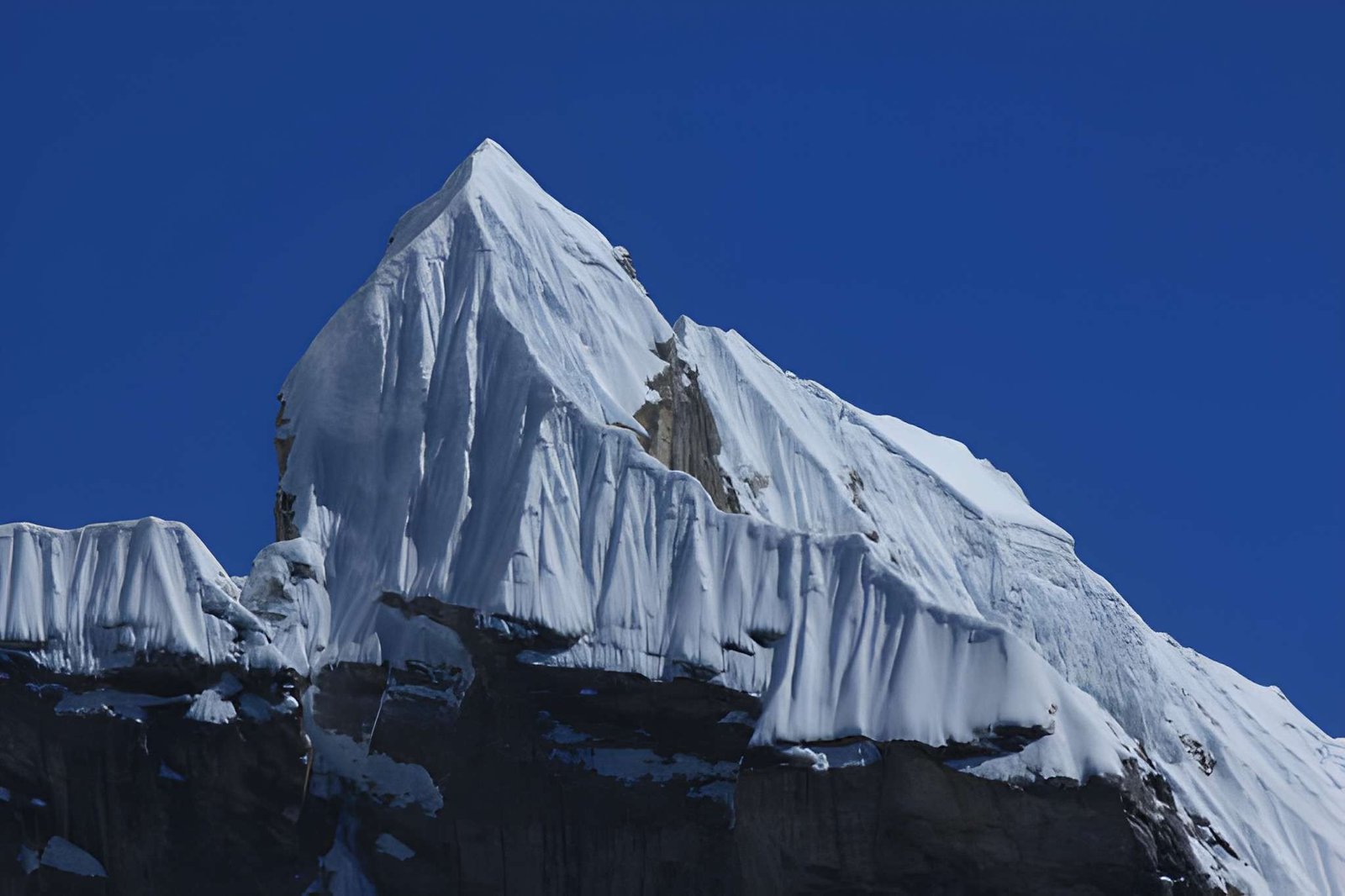
Lobuche East Peak (6,119m), or commonly referred to as Lobuje East Peak, is scalable for beginners who have solid physical fitness with some prior high-altitude trekking experience, or those who climb with a certified guide. It is not suitable for complete beginners with zero trekking experience, regardless of fitness level.
That distinction matters. While its labeled as “Easy to manage with few preparations,” there are also 45–50° ice slopes and mandatory fixed ropes en route. That contradiction is exactly why you might be confused about the difficulty level.
You can check out our main page on the Lobuje East Peak Climb after finishing this blog to learn about the itinerary and bookings.
What Kind of Beginner Can Actually Climb Lobuche East?
“Beginner” covers a wide range. Here’s how to honestly place yourself.
Not recommended: Complete beginners with no trekking experience
If your longest hike has been a day trail and you’ve never spent consecutive days walking at elevation, Lobuche East is too large a jump. The issue isn’t even technical climbing. It’s the cumulative physical and altitude stress across 18–19 days. Your body simply won’t have the reference points to recognise early warning signs of altitude sickness, exhaustion, or overexertion.
Possible with preparation: Fit people with no altitude experience
If you’re physically strong (regular runner, hiker, or gym-goer) but have never trekked above 3,500m, this is doable. You should have the right preparation and genuine commitment to acclimatization though. You’ll also need to treat the trek-in seriously, not as a warm-up. Your biggest risk isn’t the summit day; it’s underestimating how altitude compounds fatigue over two weeks.
Ideal candidate: Trekkers with EBC or comparable experience
If you’ve completed the Everest Base Camp trek, the Annapurna Circuit, or any multi-week trek above 4,000m, you already have the most important foundation. You know what your body does at altitude, you understand long trekking days, and the technical elements of Lobuche East, like crampons, fixed ropes, and harness, are learnable skills that guides teach on-route.
This is the beginner profile Lobuche East is genuinely built for.
Are You Ready for Lobuje? A Quick Self-Check
Before going further, run through this honestly:
- Have you completed a multi-day trek of 10+ days?
- Have you trekked above 4,000m before?
- Can you hike 6–8 hours consecutively with a daypack?
- Are you comfortable in cold, exposed conditions?
- Are you free of significant cardiovascular or respiratory issues?
If you answered yes to four or five, you’re a strong candidate. If you answered yes to two or three: possible, but you need structured preparation first. If you answered yes to one or fewer: Lobuche East is not your next step.
How Hard Is Lobuche East Peak for Beginners?
There are three distinct difficulty layers, and they’re definitely not the same.
Physical difficulty
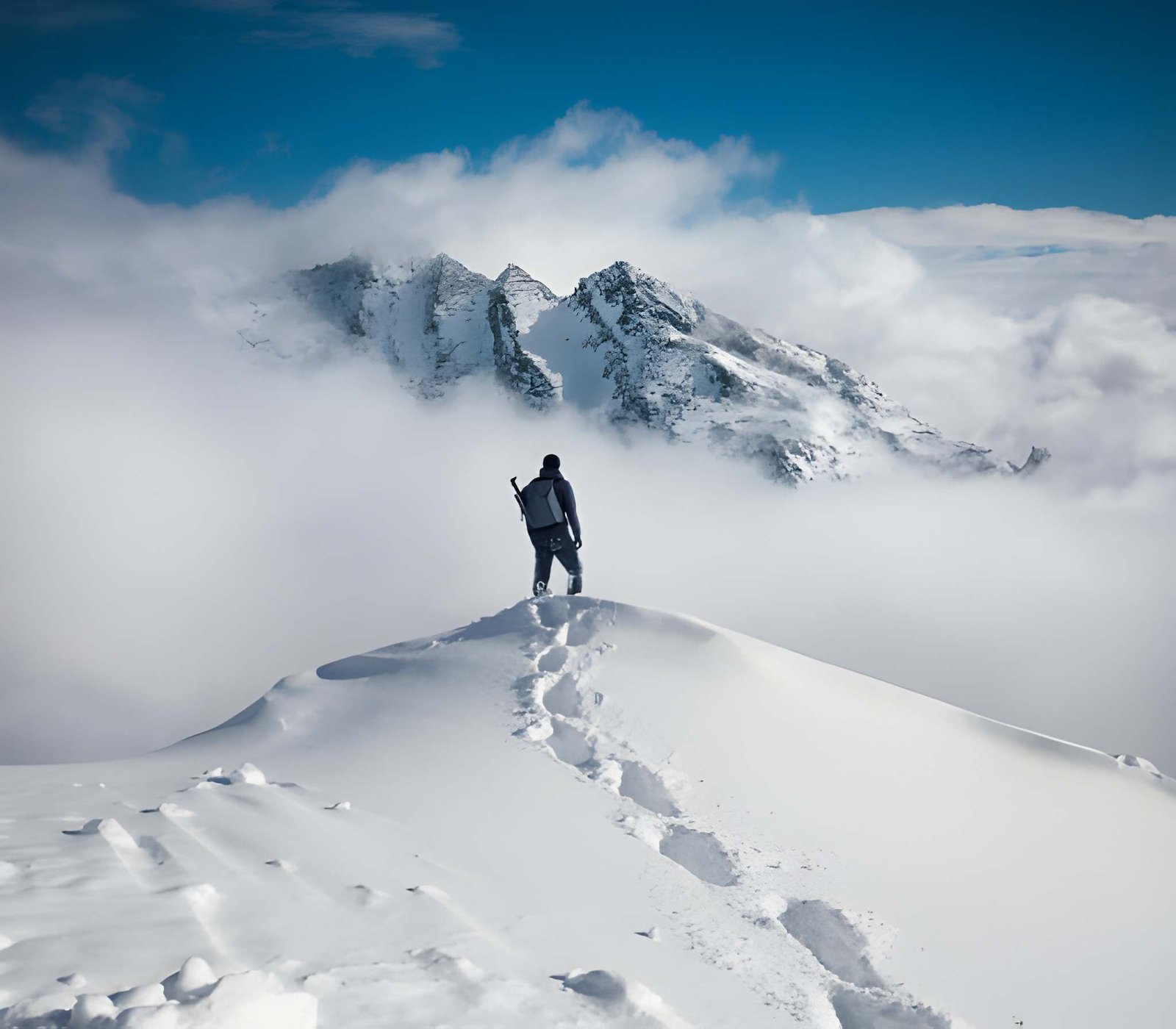
The summit push is 8–10 hours round-trip from high camp. But the real physical challenge is the 12 days of trekking before you even reach base camp. By the time you begin the climb, your body is already running on accumulated fatigue. Strong cardiovascular endurance is what carries you through, not gym fitness.
Altitude (the real challenge)
At 6,119m, altitude is the primary objective hazard, not the ice slope. Acute Mountain Sickness (AMS), High Altitude Pulmonary Oedema (HAPE), and High Altitude Cerebral Oedema (HACE) are real risks above 5,000m. The itinerary should build in acclimatization days at Namche Bazaar and Dingboche, specifically to manage this. Skipping or rushing acclimatization days is the single most common reason climbers turn back.
Technical difficulty
The Nepal Mountaineering Association grades Lobuche East as PD — Peu Difficile, or moderately difficult in alpine grading. The summit route involves a steep snow and ice slope of approximately 45–50°, fixed rope sections, crampon use, and rappelling on descent. These are real mountaineering techniques, but they are teachable.
Guides conduct practical training at base camp before the summit push. Most first-timers find the technical elements manageable. It’s actually the altitude and endurance that test them.
“In my experience guiding this route, the section between high camp and the summit ridge is where climbers feel it most. It’s not because it’s technically extreme, but because altitude is making the climb difficult at that point. Our itinerary is designed to trek to EBC first, so that trekkers can adjust to the altitude. That design makes a measurable difference.” – Mr Sunir Gurung, Owner of FarOutNepal.
When Lobuche East Is Not the Right Choice
This matters more than any encouragement section. Do not attempt Lobuche East if:
- You have no multi-day trekking experience whatsoever
- You’ve shown strong sensitivity to altitude on previous treks (severe headaches, vomiting above 3,500m)
- Your aerobic fitness is poor, i.e., you can’t sustain 5–6 hours of uphill walking
- You’re expecting a trekking-only experience with a short summit scramble at the end
- You cannot commit to the full acclimatization schedule
If one or more of these apply, the honest recommendation is to do the Everest Base Camp trek first. It covers much of the same route, takes you to Kala Patthar, and gives you the single most useful data point for Lobuche East: how your body handles the Khumbu at altitude.
What Skills Do Beginners Need?
Less than you might think, but they do need to be learned, not improvised on summit day.
- Walking with crampons on snow and ice
- Using a climbing harness and attaching to a fixed rope with an ascender (jumar)
- Basic ice axe use for self-arrest
- Rope etiquette, like how to move efficiently on a fixed line with other climbers
The good news: All of these are taught during the pre-climb training session at Lobuche East Base Camp, near the summit day. You do not need to arrive with mountaineering experience. You need to arrive physically prepared enough to absorb and apply these skills under fatigue.
How Beginners Should Prepare for Lobuche East
Fitness preparation (start 3–4 months out)
Focus on cardiovascular endurance over strength. Long uphill hikes with a weighted pack (10–12kg), stair climbing, and sustained cardio sessions of 60–90 minutes simulate the demand better than gym workouts. The goal is the ability to move steadily uphill for 6+ hours, not peak athletic performance.
Mental preparation
Cold, disrupted sleep, sustained discomfort, and days where progress feels imperceptible, but these are normal parts of a high-altitude expedition. Trekkers who struggle most are often fit but mentally unprepared for how unglamorous the middle days of a Himalayan climb feel. Read accounts from people who’ve done it or enquire from our experienced guides, not just the summit photos.
A practice trek (strongly recommended)
If time allows, do a significant trek, like EBC, Annapurna Base Camp, or Manaslu Circuit, in the 12 months before your Lobuche East attempt. Nothing replaces actual days at altitude for calibrating your preparation.
Why Beginners Who Prepare Correctly Do Succeed
Lobuche East has a strong success rate among guided climbers precisely because the expedition structure is designed around beginner limitations. Our itinerary builds in multiple acclimatization days. Groups are kept small (typically 2–10 people). Sherpa support means load management is handled. The route uses fixed ropes throughout the technical section.
You are not being dropped on a mountain and asked to figure it out. You are joining a system that has been refined across hundreds of guided ascents.
The climbers who don’t summit are almost always those who arrived underprepared, whether physically or in their understanding of what altitude actually does to a body. That’s entirely within your control before you board the flight.
Is Lobuche East a Good First Mountain Compared to Others?
| Peak | Height | Technical Grade | Best For |
| Lobuche East | 6,119m | PD (moderate) | Trekkers with altitude experience. |
| Island Peak | 6,189m | PD | Similar profile, more crowded |
| Mera Peak | 6,476m | F (easy) | True beginners, less technical |
- If you want the least technical entry point, Mera Peak is the gentler option.
- If you want a genuine mountaineering experience that still sits within reach of a prepared beginner, Lobuche East is the stronger choice.
- Island Peak is comparable to Lobuche. The two are often discussed interchangeably, and the choice usually comes down to route preference and group availability.
Is Lobuche East Right for You?
Lobuche East Peak, also frequently searched as Lobuje East Peak, is one of the most accessible genuine mountaineering experiences in the Himalayas. It sits in a specific sweet spot: technical enough to be a real summit, structured enough to be achievable for a prepared beginner.
If you’ve done EBC or a comparable multi-week trek, you’re physically active, and you’re willing to prepare seriously over 3–4 months, this is likely within your reach.
If you’re starting from zero trekking experience, the honest path is: do EBC first, then come back to Lobuche East. That’s not a discouragement; it’s the route that actually gets you to the summit.
Ready to find out if you qualify? Explore our 21-day Lobuje East Peak expedition →