

Training for Everest Base Camp Trek: The Complete Preparation Guide
The Dream Is Real; But So Is the Climb
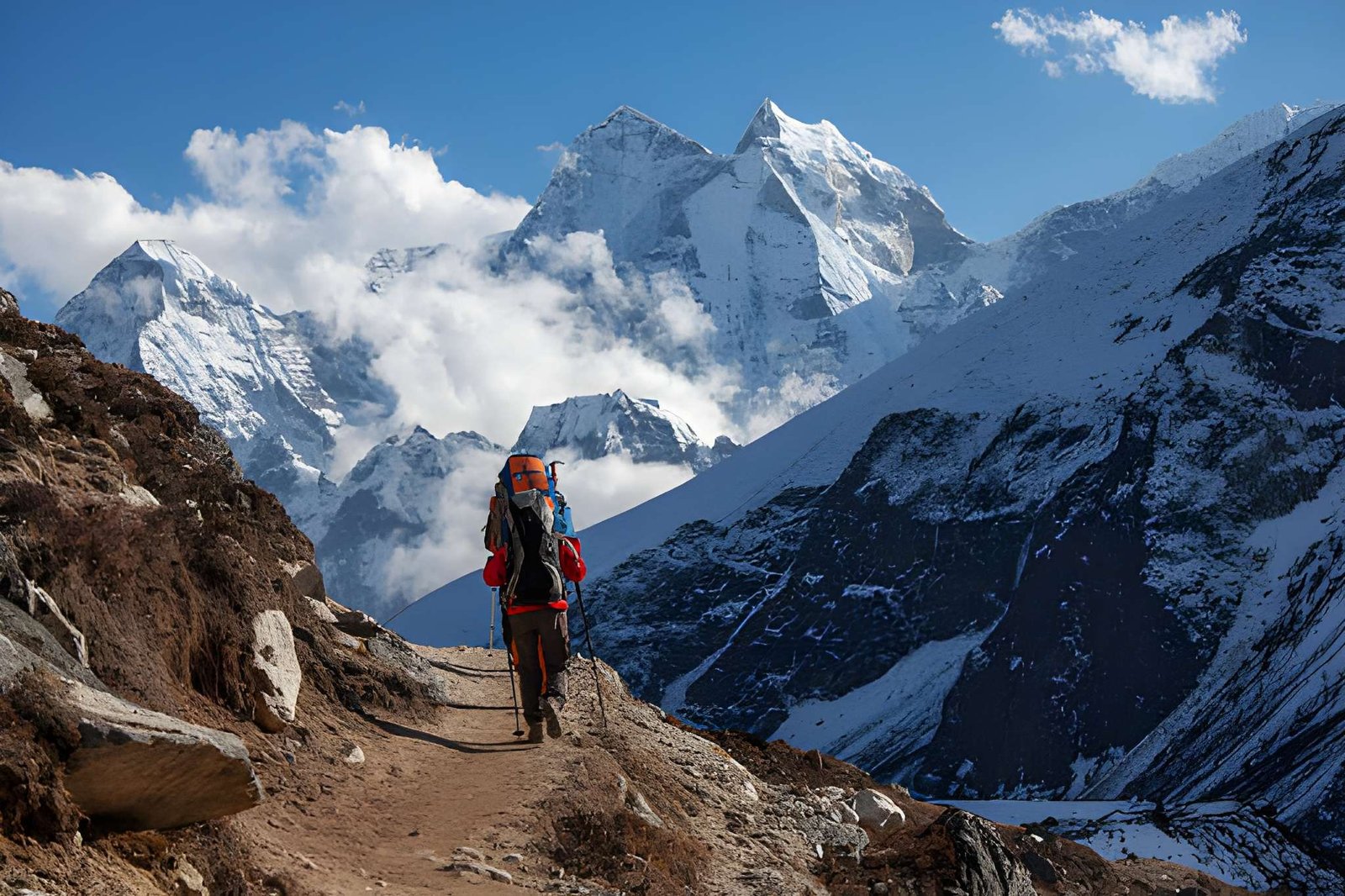
Standing at the foot of the world’s highest peak is one of those experiences that stays with you forever. The air is thin, the prayer flags are snapping in the wind, and the scale of the Himalayas is universal in a way no photograph can fully capture. But here’s the truth: reaching Everest Base Camp at 5,340m is not simply a matter of booking a flight to Lukla and showing up enthusiastic.
The trek covers roughly 130–140 km of rugged Himalayan terrain, with 5–8 hours of walking per day at altitudes that will genuinely test both body and mind. The encouraging reality? Most trekkers who adequately prepare complete the trek successfully. Those who fail typically underestimate the preparation required or attempt the trek without proper conditioning.
This guide gives you everything: a 12-week training plan, an easy-to-understand breakdown of what actually helps, a weight training guide built for trekking, altitude awareness, gear conditioning, and mental prep strategies. Consider this your complete preparation playbook.
Already convinced? Explore Far Out Nepal’s Classic EBC Trek. You can then come back and start training.
How Hard Is the Everest Base Camp Trek, Really?
The EBC trek is rated difficult, but not for the reasons most people assume. There’s no technical climbing, no rope work, no crampons. It’s hard because of three compounding factors: sustained daily effort over 13+ trekking days, significant altitude gain, and cumulative physical and psychological fatigue.
| Factor | What It Means on Trail | How Training Addresses It |
| Max Altitude | 5,545m at Kala Patthar (with variations at the Gokyo Route). This is roughly 50-55% of sea-level oxygen | Aerobic base training, acclimatisation schedule |
| Daily Trekking | 5–8 hours on rocky, uneven trail each day | Long hikes, back-to-back training days |
| Total Distance | ~130–140 km round trip | Progressive weekly mileage build-up |
| Terrain | Rocky, steep, often icy in higher sections | Weighted hikes, stair climbing, trail running |
| Technical Skill | None required. This is trekking, not peak climbing | Focus entirely on endurance and strength |
| Duration | 13+ days of consecutive trekking effort | Multi-week progressive training, not single-session fitness |
The altitude is the wildcard. At 5,000m+, your body works roughly 40% harder than at sea level to deliver oxygen to your muscles. This means that even well-conditioned trekkers, such as runners, swimmers, and footballers, can struggle without altitude-specific preparation. Fitness helps enormously. But it doesn’t make you immune.
Cardio Training for EBC: What Each Activity Gives You
Not all cardio is equal when preparing for the Everest Base Camp trek. Different sports build different physiological qualities, where some map far more directly to the demands of the trail than others. Here’s an honest, sport-by-sport breakdown.
| Sport | Aerobic Base | Leg Strength | Downhill Control | Pack Load Simulation | Trek Specificity | Verdict |
| Hiking (loaded) | Very High | High | Very High | Very High | Very High | The gold standard. Non-negotiable. |
| Stair Climbing | High | High | Low | Moderate | High | Best gym substitute for the trail. |
| Running (trail) | Very High | Moderate | Moderate | Low | Moderate | Excellent aerobic base builder. |
| Cycling | Very High | Moderate | Very Low | Very Low | Moderate | Great base builder, low joint stress. |
| Swimming | High | Low | Very Low | Very Low | Low | Excellent recovery and lung training. |
| Football/Soccer | Moderate | Moderate | Low | Very Low | Low | Good base activity, not sufficient alone. |
| Basketball / Tennis | Moderate | Moderate | Low | Very Low | Low | Useful for general conditioning only. |
| Yoga / Pilates | Low | Moderate | Very Low | Very Low | Low | Excellent supplement. Never primary training. |
Hiking is irreplaceable. Loaded hiking builds leg strength, balance, cardiovascular endurance, and mental tolerance for long days simultaneously. Start flat and short; build to steep and long over 12 weeks.
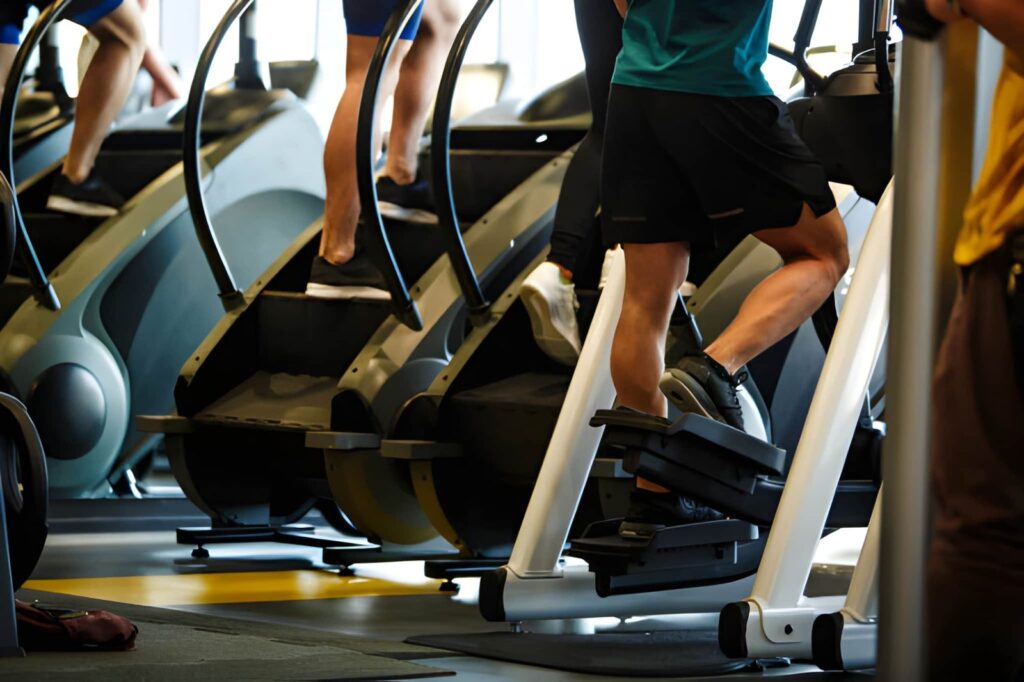
Stair climbing is the most underrated EBC tool. It replicates the rhythmic, sustained uphill effort of the trail better than any other gym machine. Thirty to 45 minutes daily over 8–10 weeks is what trekkers consistently credit for getting them to Base Camp.
Cycling is the best low-impact aerobic complement to hiking. It helps build the cardiovascular base that sustains you at altitude without the joint stress of running. Long rides of 90+ minutes in Zone 2 heart rate are the target.
Swimming builds exceptional lung capacity and diaphragmatic breathing control. These qualities pay real dividends at altitude when every breath matters. It won’t build your hiking legs, but it makes your lungs and heart significantly more efficient.
Football and other sports are more useful than most trekkers realise. A 90-minute football match covers 10–13 km of varied-intensity movement and builds leg power, cardiovascular capacity, and mental toughness. The limitation is its interval nature. Basically, it doesn’t build the long, sustained aerobic base EBC demands. Use it as your base activity and supplement with hiking and stair climbing.
The ideal cardio strategy: No single sport is sufficient on its own. The most effective preparation combines hiking (specificity), cycling or swimming (aerobic base with low injury risk), and stair climbing (trail simulation). If you play a sport like football or basketball, keep it, and build your specific EBC training around it.
Weight Training for the EBC Trek: What to Lift and Why
Weight training is essential, not optional. The trail demands sustained leg power for uphill climbs, core stability for uneven terrain, and shoulder endurance for carrying a loaded pack hour after hour.
Key Muscle Groups for EBC
| Muscle Group | Why It Matters on EBC | Primary Exercises | Priority |
| Quads and Glutes | Power for uphill climbs: the dominant trail movement. | Squats, step-ups, lunges, leg press | Critical |
| Hamstrings | Brake control on steep descents. Underrated by most trekkers | Romanian deadlifts, hamstring curls, Nordic curls | Critical |
| Calves | Absorb impact on rocky terrain across 8+ hours per day | Weighted calf raises, single-leg raises | High |
| Core (deep stabilisers) | Stabilise spine under pack weight on uneven ground | Planks, dead bugs, bird-dogs, pallof press | Critical |
| Glute Med / Hip Abductors | Lateral knee stability on uneven, rocky trail | Lateral band walks, clamshells, single-leg squats | High |
| Upper Back and Traps | Carry pack weight without fatigue or postural collapse | Rows, face pulls, shrugs | Moderate |
| Shoulders | Support pack straps over multi-hour trekking days | Overhead press, lateral raises, rear delt flys | Moderate |
| Ankles (stability) | Prevent ankle rolls on boulder-field terrain above 4,000m | Single-leg balance, Bosu ball, ankle circles | Moderate |
For structure, two to three strength sessions per week is the sweet spot. A sample week in the peak phase:-
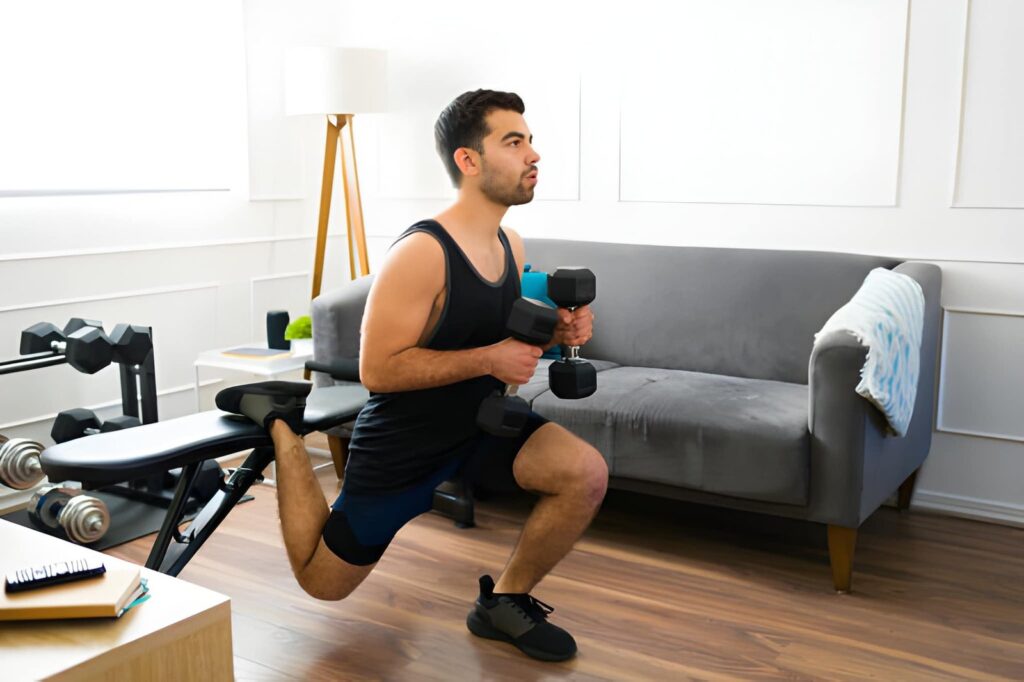
- Monday: legs (squats, RDL, step-ups, calf raises)
- Wednesday: full body (rows, press, lunges, core)
- Saturday: long loaded hike. Rest or do yoga on the remaining days.
Your 12-Week EBC Training Plan
This plan integrates cardio, weight training, and hiking progressively across three phases: Build (Weeks 1–4), Peak (Weeks 5–10), and Taper (Weeks 11–12).
| Week | Phase | Cardio Focus | Weight Training | Hiking / Practice | Pack Weight | Rest Days |
| 1–2 | Build | 30 min jog or cycle x3/week | 2x full body: squats, lunges, rows, plank, calf raises | 1 flat day hike. You need to focus on duration, not pace | Day pack only | 2 |
| 3–4 | Build | 45 min run and stairs x3/week | 2x split: legs day (squats, RDL, step-ups) and upper/core day (rows, press, dead bugs) | 1–2 hikes with mild incline | 5–7 kg | 2 |
| 5–6 | Peak | 60 min trail run or stair climb x3/week | 3x split: heavy legs, upper back and shoulder, core and stability | 1 long hike (600m+ elevation gain) | 7–10 kg | 1–2 |
| 7–8 | Peak | 75 min trail run or stair master | 3x split: Bulgarian split squats, Nordic curls, weighted rows, loaded planks | 1 weekend multi-hour hike | 10–12 kg | 1–2 |
| 9–10 | Peak | Combo: run, stair, and short hike on the same day | 3x; maintain loads from Weeks 7–8, no new PRs | 2-day back-to-back hikes (simulate consecutive trek days) | 12–14 kg | 1 |
| 11–12 | Taper | Lighter cardio. 30–40 min, lower intensity | 2x maintenance only, reduce loads by 30%, full range of motion | 1 final long hike at trek pace | Trek pack weight | 2–3 |
Fitness level guide: Beginners start at Week 1. Regularly active individuals (3+ workouts per week) begin at Week 3. Advanced athletes can compress Weeks 1–6 into four weeks and move to the peak phase earlier.
Do not train to failure in the 3 weeks before departure. The goal in the taper phase is maintenance, not progress. Arriving at Lukla with sore muscles from a heavy leg day two days prior is a preventable mistake that undermines months of preparation.
Altitude and Acclimatisation: What You Need to Know
Altitude is the one variable that fitness alone cannot overcome. Above 3,000m, oxygen levels drop significantly, and your body adapts over days, not hours. The golden rule is simple: climb high, sleep low. Ascend during the day; descend to sleep at a lower elevation. This stimulates adaptation without triggering sickness, and it’s why a well-structured itinerary builds dedicated rest days into the schedule.
Watch for AMS symptoms above 3,500m. Common symptoms include headache, nausea, fatigue, and disrupted sleep. If they appear, stop ascending. Drink 3–4 litres of water daily. You should also consult your doctor about Diamox at least 4–6 weeks before departure.
Gear, Nutrition and Mental Prep

- Break in your boots 8–10 weeks out. New boots at altitude after six hours on a rocky trail is a reliable recipe for blisters that jeopardise your entire trek. Wear the same sock combination you’ll use on the trail (people choose the merino liner under a thicker hiking sock).
- Train with your actual pack, loaded progressively from 5 kg to 12–14 kg. This builds the specific endurance gym exercises that can’t be replicated and reveals gear problems before the trip.
- Eat consistently during training, even when not hungry. Many trekkers lose their appetite above 4,000m. Dal bhat is the trail staple: carb-heavy, calorie-dense, and available everywhere with unlimited refills. Pack trail mix, energy bars, and dried fruit as pocket fuel.
- Pace like a Sherpa, not a tourist. The most common first-timer mistake is starting too fast. Slow your pace to where you can hold a full conversation; that is the sustainable speed.
Mental Preparation: The Training You Should Not Miss Out
The mind quits before the body does. This is an observable pattern on the EBC trail, not a motivational cliché. By Day 9 or 10, when the altitude is disturbing your sleep, your legs carry accumulated weeks of fatigue, and the trail keeps ascending regardless, the gap between those who reach Base Camp and those who turn back is almost entirely psychological.
Mental resilience is trainable. Here is how.
Pacing practice: On long training hikes, deliberately resist the urge to push hard. Practice the Sherpa pace, which is slow, consistent, and sustainable enough to hold a full conversation. Sherpas overtake trekkers effortlessly because they have mastered energy conservation, not because they are superhuman.
Diaphragmatic breathing: Belly breathing is more oxygen-efficient than shallow chest breathing, which makes a meaningful difference at altitude. Practice it consciously during cardio training until it becomes automatic.
Mental chunking: On hard days, do not think about how far Base Camp is. Think about the next teahouse. Then the next village. Break the journey into achievable segments. It is deceptively simple and genuinely effective.
Mindfulness practice: Ten minutes of daily meditation builds the focus and equanimity that long, hard trekking days demand. The ability to stay present and non-reactive under physical duress is a tangible advantage at altitude.
Visualisation: Spend a few minutes each week imagining standing at Kala Patthar. Imagine the view of Everest at dawn and the feeling of finishing. This is sports psychology, not mysticism, and it measurably improves performance under stress.
Common Mistakes to Avoid During Training
- Skipping long hikes: Gym fitness and trail fitness are not the same thing
- Neglecting hamstrings and calves: The descent from Kala Patthar will expose this immediately
- Overtraining in the final two weeks: Arrive rested, not depleted
- Underestimating altitude: AMS doesn’t respect fitness levels; follow the acclimatisation schedule
- Testing new gear on the trail: Everything must be worn and proven during training
- Skipping rest days: Adaptation happens during recovery, not during effort
Tips from Experienced EBC Trekkers (Across Social Platforms)
“The stair master saved my trek.” Multiple experienced trekkers report that 30–45 minutes on the stair master daily (over 8–10 weeks) was the most effective single gym exercise for EBC prep. It replicates the trail’s sustained, rhythmic uphill effort better than anything else.
“Slow is fast.” First-time trekkers almost universally start too fast. Every experienced high-altitude trekker eventually says the same thing: slow your pace to where you can hold a comfortable conversation, and you will reach Base Camp. Race the trail, and the altitude will stop you.
“Train on tired legs.” Schedule back-to-back hiking days in Weeks 8–10. It is the cumulative fatigue of Days 2, 3, and 4 on the trail that breaks unprepared trekkers. Building this specific resilience is what separates those who reach Base Camp from those who don’t.
Ready to Trek? Your Final Preparation Checklist
The Everest Base Camp trek is one of the most transformative journeys on earth. It challenges you, humbles you, and rewards you in equal measure. Here is what every well-prepared trekker has in common:
- 12-week plan covering cardio, weight training, and hiking
- Hiking and stair climbing as primary cardio; cycling, swimming, and sports as supplements
- Hamstrings and calves are trained as seriously as quads
- Back-to-back hiking days in peak weeks
- All gear is broken in 8–10 weeks before departure
- AMS awareness and acclimatisation schedule understood
- Pacing, breathing, chunking, and visualisation practised
- 3–4 litres of hydration and calorie-dense food on the trail
The mountain will be there. The question is: will you be ready?
Book your Everest Base Camp Trek with Far Out Nepal. Get expert guides, an acclimatisation-optimised itinerary, and full support from Kathmandu to Base Camp.