

What to Pack for Trekking in Nepal: Complete Gear List + Local Tips (2026 Guide)
What trekking gears are needed when visiting Nepal
- Layered clothing (base, insulation, waterproof shell)
- Trekking boots: waterproof, broken-in before you fly
- Backpack (50–70L main + 25–30L daypack)
- Sleeping bag (-15°C rated, especially for high altitude)
- Trekking poles
- Basic first aid, medications, and personal items
The good news is, you don’t need to pack everything for trekking in the Himalayas. Nepal ( especially Kathmandu) has excellent, affordable gear available to rent or buy. The rule of thumb is knowing what to bring from home, what to grab locally, and what to leave behind entirely.
Introduction: Stop Doom-Scrolling Gear Packing Lists
You’ve already read three packing lists this week. They all say, “Bring a warm jacket.” You already know that, though, since it’s common sense.
Here’s the thing: trekking in Nepal isn’t like hiking a trail back home. You’re dealing with altitude changes of 2,000m+ in a single trek, weather that flips from warm sun to freezing wind in an hour, teahouses that may not have heating systems, and trails where the nearest gear shop is miles behind you.
Generic advice won’t cut it. You need Nepal-specific guidance. You need to learn what the locals know, what experienced trekkers wish they’d known, and what’s actually available in Kathmandu before you head out.
That’s exactly what this guide covers: a complete gear list, what NOT to pack, the rent vs. buy question answered properly, and market prices so you can budget before you land.
The Complete Nepal Trekking Gear List
A complete setlist consists not only of what you wear on the trek, but also of your overall journey.
Clothing: The Layering System
Let’s forget individual brands for a second. In Nepal, how you layer matters more than what brand or how thick you’re wearing.
- Base Layer: The moisture manager and best friend of your skin. It always goes on first and stays on all day. Merino wool is the gold standard as it wicks sweat, regulates temperature, and doesn’t smell after three days (yes, really). Bring two sets of thermal tops and bottoms.
Our Advice: Avoid cotton entirely. Once wet, cotton stays wet and wet cotton at 4,500m is genuinely dangerous (including risk of hypothermia).
- Mid Layer: The warmth engine. A thin fleece works for moderate altitudes below. A thicker fleece or down jacket works best for the high stuff. The down jacket is one of many items you can easily rent in Kathmandu for $1–3/day. So, you don’t need to stuff one in your bag from home.
- Outer Layer: It’s your shield in the mountains. A waterproof, windproof shell jacket is non-negotiable. Even on bluebird days, wind above 3,500m is brutal. Rain is possible year-round. This layer doesn’t need to be heavy, but just needs to stop wind and water.
- Bottoms: One to two pairs of zip-off trekking trousers. The convertible style earns its weight as you’ll be in shorts at Namche (3,440m) and full trousers with thermals under them at Gorak Shep (5,140m).
- Accessories: Warm beanie, buff or balaclava, gloves (thin liner + waterproof outer), UV-protection sunglasses, and two to three pairs of wool hiking socks.
Footwear: The Steps You Take
Your boots are the single most important item you own on your treks. Get this wrong, and you’ll spend your Himalayan adventure hobbling between teahouses with blisters the size of momos.
- Waterproof hiking boots with ankle support and a solid grip
- Size them up slightly. Your toes should not be pressing forward on long descents
- Break them in for 3–4 weeks before you fly. Wear them on walks, errands, everywhere. New boots on day one of a two-week trek is a nightmare.
- Pack camp slippers or flip-flops for teahouse evenings. Your feet will thank you.
Backpacks & Storage
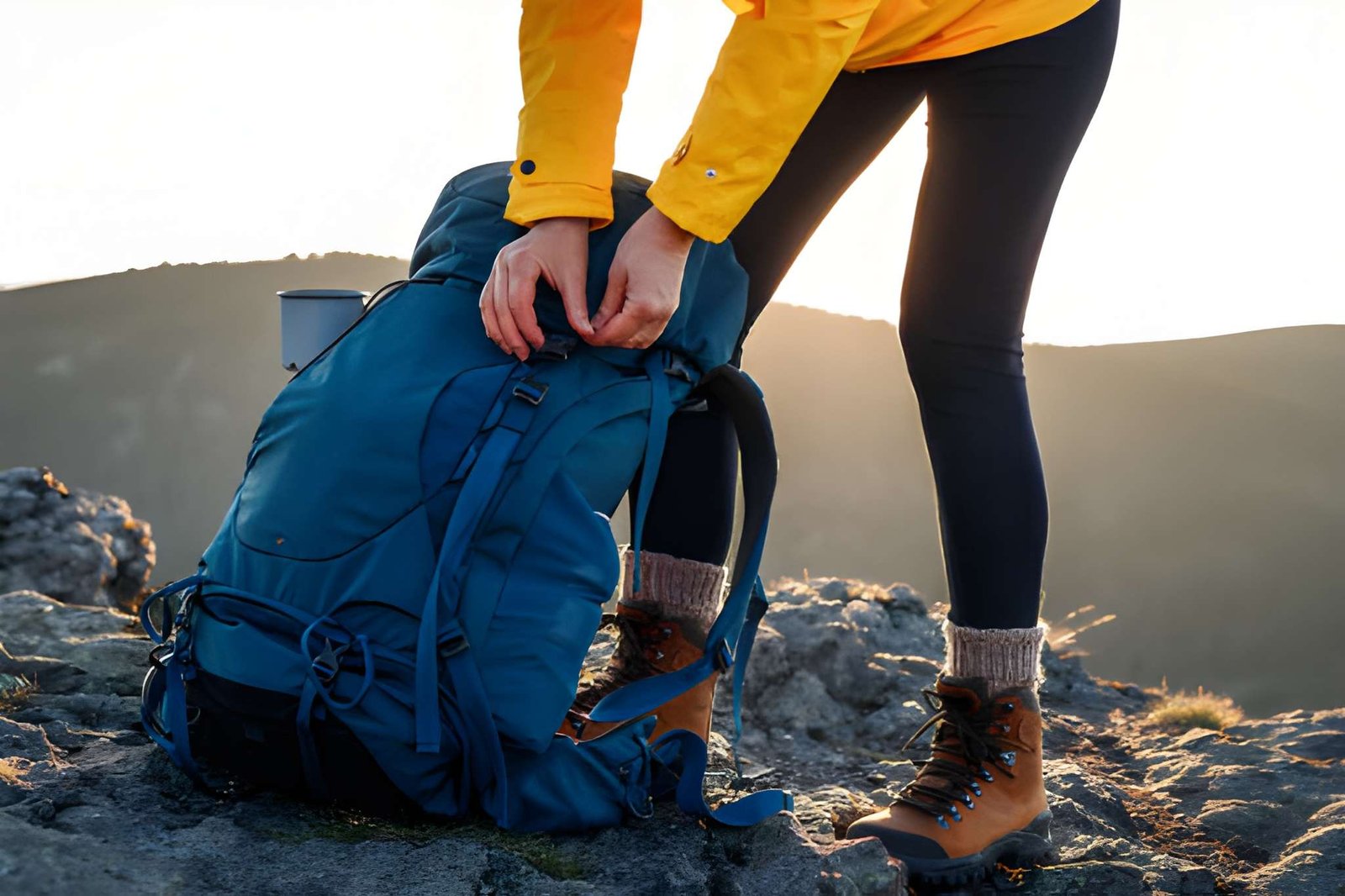
- Main pack: 50–70L with a rain cover. If using a porter, a waterproof duffel works great.
- Daypack: 25–30L that you carry yourself every day, including snacks, water, layers, camera, and documents.
- Store anything you don’t need on the trail at your hotel in Kathmandu. Most guesthouses offer free luggage storage.
Sleeping Gear
- Do you need a sleeping bag? Yes, for most treks, especially anything above 3,500m. Teahouse blankets exist but are thin, often damp, and shared with a lot of strangers. A sleeping bag rated to -15°C is recommended for EBC and high-altitude routes.
- The good news: Sleeping bags are very easy to rent in Kathmandu ($1–2/day). If you’re trekking a lower route or only in warmer months, a liner may be enough.
Essentials & Accessories
| Item | Notes |
| Headlamp + spare batteries | Power cuts are common; don’t rely on your phone |
| Trekking poles | Highly recommended. They save your knees on descents. |
| Power bank (20,000mAh+) | Charging at teahouses costs $1–3 per charge |
| Water bottle (metal) + purification tablets | Metal bottles can be heated on the teahouse stoves for free |
| Sunscreen SPF 50+ & lip balm | UV radiation increases significantly at altitude |
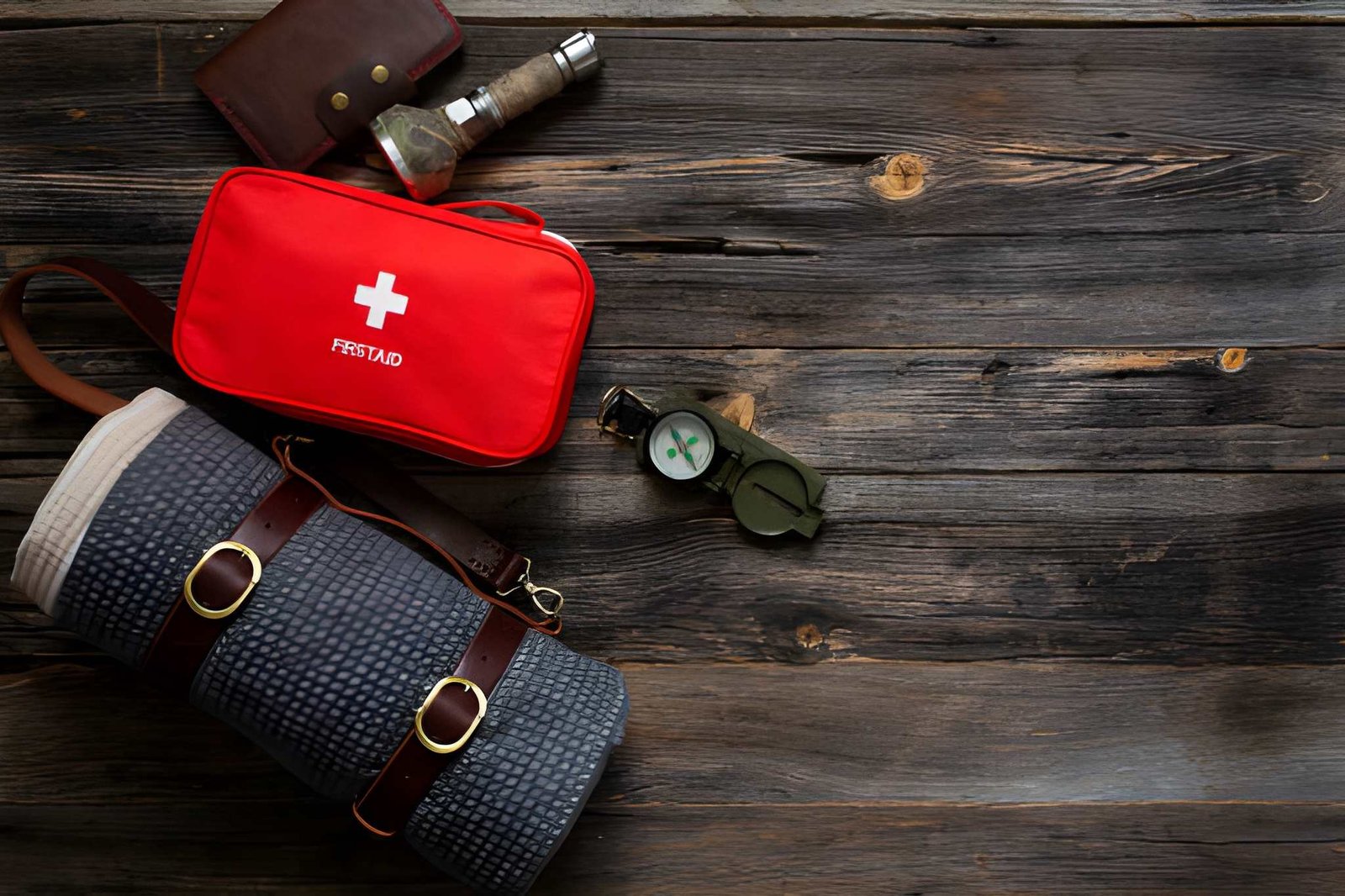
| First aid kit | Paracetamol, Ibuprofen, Diamox, blister kit, antiseptic |
| Toilet paper | Critical above 4,000m where water freezes |
| Cash in NPR | ATMs disappear fast once you leave the valley |
| Trekking permits | TIMS card + national park entry. Sort in Kathmandu. |
Clothing by Altitude: What to Wear Where
Most blogs hand you a list and leave you guessing. Here’s how it actually works on the trail:
| Altitude | Conditions | What You’ll Be Wearing |
| Below 2,500m | Warm days, cool evenings | T-shirt + zip-off trousers, fleece for evenings |
| 2,500–3,500m | Cool to cold, windy | Base layer + mid fleece + shell jacket |
| 3,500–5,000m+ | Cold days, very cold nights | Full thermal base + mid + down jacket + shell, beanie, gloves |
Trek-Specific Gear: EBC vs. Annapurna
Everest Base Camp Trekking Gear
EBC is the big one. Nights at Gorak Shep (5,140m) regularly drop to -15°C to -20°C in autumn and winter. Your gear needs to be rated for that, not just “pretty cold.”
EBC-specific additions beyond the standard list:
- Sleeping bag rated -15°C minimum (non-negotiable)
- Heavy down jacket (not just a fleece)
- Heavyweight waterproof gloves
- Microspikes for icy sections near the top
- Altitude medication (Diamox) should be consulted with a doctor before departure
Interested in trekking the EBC? Check out our EBC itinerary page & book your journey today.
Annapurna Region Treks
The Annapurna Circuit and its Base Camp trek are slightly lower in max altitude, but the weather is equally unpredictable. The standard list applies. You can get away with a slightly lighter sleeping bag on the Annapurna Base Camp route in spring, but don’t cut corners if trekking in October–November.
What NOT to Pack for Trekking in Nepal
This might be the most useful section in this entire guide.
Cotton clothing: We said it once, we’ll say it again. Cotton harms. Leave it in Kathmandu.
More than two of anything: You won’t change clothes the way you think you will. Trekkers wear the same things every day. Two pairs of trousers, two base layers, maximum.
A heavy “just in case” jacket from home: Down jackets are cheap and excellent in Kathmandu. Don’t haul one across the world.
Jeans: They weigh a ton, they’re slow to dry, and they’re restrictive. Leave them.
A full toiletries bag: Travel-size only. You won’t be using much of it.
Anything you haven’t used in the last month: If you haven’t needed it recently, you won’t need it at 4,500m either. This rule eliminates about 30% of most people’s pack.
Target pack weight: 8–12kg. Every extra kilo will feel like five by day four.
Should You Rent or Bring Trekking Gear in Nepal?
This is the question. And the honest answer is: you probably need less from home than you think.
Renting Trekking Gears in Nepal:
- Down jacket (~$1–3/day or $15–30 to buy)
- Sleeping bag (~$1–2/day)
- Trekking poles (~$1/day)
- Duffel bag (~$1/day)
Bring Trekking Gears from Home:
- Hiking boots (must be broken in and cannot be rented)
- Base layers and merino wool (fit and quality vary widely in rentals)
- Personal medications and first aid
- Daypack (fit matters)
The Quality Warning
Not all rental gear in Nepal is equal. Some shops have well-maintained, quality stock. Others have down jackets with the insulation compressed into nothing and sleeping bags that smell like six seasons of altitude trekking. Know who you’re renting from.
At Far Out, we help trekkers arrange quality-checked gear in Kathmandu. So, you’re not playing rental roulette before your trek. [Get in touch here.]
Cost of Trekking Gear in Kathmandu
One of the most common questions, and one almost nobody answers with real numbers. Here’s what you’re looking at in 2026:
| Item | Rent (Per Day) | Buy (Kathmandu) | Buy (Western Retail) |
| Down jacket | $1–3 | $20–60 | $150–300 |
| Sleeping bag (-15°C) | $1–2 | $30–80 | $150–400 |
| Trekking poles | $1 | $10–25 | $60–150, |
| Trekking boots | — | $30–100 | $120–300 |
| Waterproof shell jacket | $1–2 | $20–50 | $100–250 |
| Duffel bag (70L) | $1 | $15–30 | $60–120 |
Budget trekker (renting most items, buying essentials): $50–100 total gear spend in Kathmandu.
Mid-range trekker (buying quality local gear): $150–250.
Kathmandu prices are genuinely 50–70% lower than Western retail for equivalent gear. Budget travellers, this is great news.
Where to Buy or Rent Trekking Gear in Nepal
Kathmandu: The Main Hub
Thamel is the trekking gear epicentre of Nepal. Hundreds of shops, every item you need, and serious competition keep prices reasonable. The street to know is Tridevi Marg, where the better-stocked, imported-brand shops tend to cluster.
Tourist trap warning: Counterfeit gear is real. “North Face,” “Mammut,” and “Patagonia” jackets at $15 are not the real thing. They look convincing and fall apart in the cold. Either buy knowingly (a $15 fake is fine for low altitudes) or pay more for genuine stock from reputable shops.
Pokhara also has a solid gear scene in the Lakeside area, which is good for Annapurna region trekkers who fly direct.
Common Packing Mistakes Trekkers Make
Collected from real trekkers (and our own guides who’ve watched this unfold on trails for years):
- Not breaking in boots: Its the number one cause of trek-ruining blisters. Wear new boots for 3–4 weeks before departure.
- Ignoring the layering system: Buying a “really warm jacket” and thinking that’s sufficient. Temperature swings 20°C between midday and midnight at altitude. Layers are the system.
- Underestimating the cold above 4,000m: First-timers consistently say, “It was way colder than I expected.” It will be. Plan for it.
- Over-relying on cheap gloves: Your hands are exposed all day. Budget gloves fail fast. Get good ones.
- Forgetting a power bank: Teahouses charge $1–3 per device charge. On a 14-day trek that adds up fast, and power cuts are common.
- Not checking insurance altitude coverage: Many standard travel policies cap at 2,000–3,000m. If you’re heading to EBC (5,364m), you need a policy that explicitly covers high-altitude trekking. Check before you fly.
Pro Packing Tips from Far Out
A few final notes from people who’ve done this a few hundred times:
- Pack everything, then remove 20%. Seriously. Then remove a bit more.
- Use dry bags inside your pack. Even with a rain cover, moisture finds a way in.
- Test all gear before you leave home. Wear the boots, sleep in the sleeping bag, and check the headlamp batteries.
- Snacks are cheapest in Kathmandu. Stock up on nuts, energy bars, and electrolyte tabs before the trek. Prices at altitude can be 3–4x higher.
- Adjust for season. Pre-monsoon (March–May) and post-monsoon (Sept–Nov) are peak seasons with predictable conditions. Winter and monsoon require additional gear planning.
Final Word: Pack Smart, Trek Better
The best trekking kit isn’t the most expensive one or the most complete one. It’s the one that’s light enough not to slow you down, warm enough not to stop you, and smart enough to have been half-assembled in Kathmandu at a fraction of what you’d pay back home.
Pack with intention. Leave the “just in case” pile on your bedroom floor. And focus on what you actually came for: the mountains, the trail, and the kind of experience that makes every ounce of preparation worth it.
Need help putting it all together? Far Out works with trekkers to sort gear, permits, guides, and logistics before they hit the trail. No guesswork, no tourist traps. Just a smooth start to your Nepal adventure. Contact Far Out here.
Prices mentioned above are subject to change. Make sure to always consult an expert like Far Out Nepal on these things before you plan your trek.