


Lobuje East Peak

Lobuje East Peak

Lobuje East Peak

Lobuje East Peak

Lobuje East Peak
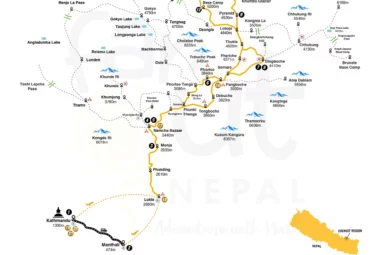
Lobuje East Peak - 21 Days

Activity
Peak Climbing
Duration
21 Days
Grading
Challenging
Max Altitude:
6,119m. / 20,075ft.
Best Season
March till April & October till November
Style of Trip
Climbing
Group Size
2-10 People
Accommodation
Hotel, Lodges, Camps
Meals
Breakfast, Lunch, Dinner
Why Climb Lobuje East Peak?
Lobuche (commonly called Lobuje) East is one of the most rewarding trekking peaks in the Everest region of Nepal. The mountain offers a rare combination of high-altitude trekking, beginner’s mountaineering, and extraordinary Himalayan scenery, near Everest itself.
- Lobuche East is widely regarded as one of the best first 6,000-meter peaks for introducing mountaineering in Nepal. It offers climbers the chance to experience glacier travel, fixed ropes, and high-altitude climbing without the extreme commitment.
- This is a technically engaging & rewarding climb. The ascent features steep snow slopes, exposed ridges, and sections that require the use of crampons, ice axes, and fixed ropes.
- Experience the world-renowned Sherpa villages, where visitors can immerse themselves in the traditions, mountaineering culture, and Himalayan connection of the Khumbu region.
- Walk through the spiritual landscape of the Khumbu, as the trail winds through ancient monasteries, fluttering prayer flags, and high suspension bridges crossing deep Himalayan valleys.
- Compared to some popular trekking peaks in Nepal, Lobuche East often feels less crowded, allowing climbers to enjoy a more peaceful Himalayan climbing experience.
- From viewpoints such as Kala Patthar, climbers enjoy incredible and unforgettable sunset views of Mount Everest and the surrounding Himalayan giants.
- The expedition passes through the Everest Base Camp, offering climbers a chance to witness the legendary mountaineering site at the foot of Everest.
- From the summit ridge of Lobuje East, climbers are rewarded with one of the finest panoramas in the Himalayas, featuring views of peaks such as Everest, Lhotse, Nuptse, Makalu, Pumori, Ama Dablam, Cho Oyu, and Thamserku that dominate the skyline.
Trip Introduction
Overview: Lobuje East Peak (6,119 m)
Lobuche (also commonly referred to as Lobuje) East Peak is one of the best trekking peaks in Nepal. It is also an excellent choice for climbers seeking to embark on their Himalayan mountaineering journey. Located in the Khumbu region of northeastern Nepal, the peak rises dramatically above the trekking trails that lead toward Mount Everest within Sagarmatha National Park.
The Lobuche massif consists of two distinct summits: Lobuche East (6,119 m) and Lobuche West (6,145 m). A deep gap and a significant distance across the ridge separate these peaks. According to the Nepal Mountaineering Association (NMA), Lobuje East is categorized as a trekking peak, meaning it is accessible to climbers with basic technical mountaineering skills and high-altitude trekking experience. Lobuche West, on the other hand, is classified as an expedition peak, requiring advanced alpine climbing experience and a more demanding permit process.
Our program focuses on Lobuche East Peak, offering an achievable yet challenging Himalayan summit experience.
Expedition Snapshot
- Duration: 19-21 Days
- Destinations: Kathmandu – Ramechhap – Lukla – Namche – Dingboche – Gorak Shep – Kala Patthar – Lobuche Base Camp – Lobuje East Peak – Pangboche & back the same route from Namche
- Highest Elevation: 6,119 m (Lobuje East Peak)
- Trek Style: Alpine Trekking & Introductory Mountaineering
- Start / End Point: Kathmandu
- Ideal For: First-time Himalayan climbers, trekkers seeking a mix of EBC adventure and summit experience, adventure travelers looking for spectacular high-altitude views
Routes to Lobuje East Peak
There are several possible routes to approach Lobuche East Peak (6,119 m). These approaches depend on the climber’s experience, acclimatization strategy, and expedition objectives. Each route offers various perspectives of the Khumbu region while eventually leading to the alpine slopes above Lobuche. The most commonly used routes include the following:
Direct Approach to Lobuje Base Camp
Experienced climbers who are accustomed to high altitudes often opt for a direct approach to Lobuche Base Camp. This route focuses primarily on the climbing objective and reaches the base camp more quickly, allowing for a quicker start to the summit attempt.
Although efficient, this option provides less time for acclimatization and is generally recommended only for climbers who have already acclimatized to the high altitude of the Himalayas.
Gokyo Valley and Cho La Pass Route
Another approach to Lobuje East comes through the spectacular Gokyo Valley. This route crosses the high alpine Cho La Pass (5,420 m) before descending toward the Lobuche area.
The Gokyo route offers breathtaking landscapes, stunning glacial lakes, and dramatic views of the surrounding Himalayan peaks. It is often chosen by trekkers who want a more varied trekking/photography experience before attempting the climb.
Everest Region Approach (Our Route)
The route followed in our program approaches Lobuche East through the upper Khumbu valley (trekking on the EBC circuit) before moving toward Lobuche Base Camp for the climb. This gradual ascent offers excellent acclimatization, allowing climbers to experience the iconic landscapes of the Everest region along the way.
This approach enables climbers to gradually acclimate to altitude before embarking on the technical portion of the expedition.
The True Summit: Lobuje East Peak
Lobuche East is an impressive Himalayan peak that rewards climbers with both peak climbing challenges and breathtaking alpine scenery. The summit ascent typically involves descending into a narrow pass before tackling a steep snow and ice slope of approximately 45–50 degrees leading to the summit ridge.
The standard climbing route begins at Lobuche Base Camp and follows the Southeast Ridge, which features a mix of terrain comprising rock, snow, and glacier sections. Fixed ropes are often used on steeper sections to ensure safe ascent.
The complete climbing process, starting from the base camp, usually requires three to four days. These days include the establishment of a high camp and the final summit push. An additional contingency day is generally included in case of adverse weather conditions or acclimatization needs.
Many climbers reach the subsidiary summit known as Lobuche Far East, although the true summit lies slightly further along the ridge. Historical records indicate that Sherpa Ang Gyalzen and Laurence Nielson made the first documented ascent of the true summit of Lobuche East on April 25, 1984.
Climbing Stages of Lobuje East Peak
The climbing phase begins after reaching Lobuche village and preparing for the ascent.
Lobuche (Lobuje) East Base Camp (4,950 m)
Lobuche Base Camp acts as the main staging point for the summit climb. Climbers typically spend time here resting, organizing equipment, and receiving basic training on climbing techniques.
The base camp offers excellent views of surrounding peaks, such as:
- Ama Dablam
- Cholatse
- Thamserku
High Camp (5,400 m)
From base camp, climbers ascend steep rocky terraces and snow slopes to reach Lobuche High Camp. This camp is established below the glaciers on the southwest face of the mountain and prepares climbers for the early morning summit push.
Summit Push
The summit day begins early, before dawn. Climbers descend slightly into a deep pass before ascending steep snow and ice slopes toward the summit ridge using fixed ropes and mountaineering equipment.
Reaching the summit of Lobuche East rewards climbers with one of the most spectacular views in the Everest region.
Considerations and Challenges
Climbing Lobuche East presents several challenges that climbers must be prepared for.
- High altitude conditions: At 6,119 meters, altitude is the primary challenge. Proper acclimatization and gradual ascent are essential for a safe climb.
- Technical climbing sections: The summit route features steep snow and ice slopes that require climbers to use crampons, ice axes, and fixed ropes.
- Endurance and stamina: Summit day can involve several hours of climbing in high-altitude conditions, requiring strong physical endurance.
- Mountain weather conditions: The weather in the Everest region can change rapidly. A successful ascent depends heavily on favorable weather windows.
- Logistics and flights to Lukla: Flights to Lukla are weather-dependent. During peak trekking seasons, flights often operate from Manthali Airport in Ramechhap, located about six hours by road from Kathmandu.
Lobuje East vs Island Peak vs Mera Peak
While Lobuche East (6,119 m) is a classic introductory peak for mountaineering, the Everest region offers several other notable peaks for aspiring mountaineers. Comparing them helps climbers choose the best option based on experience, fitness, and acclimatization needs.
| Peak | Height | Difficulty | Typical Duration | Best For | Notes |
| Lobuje East | 6,119 m | Moderate | 12–14 days | First-time Himalayan climbers | Short summit push, excellent acclimatization |
| Island Peak | 6,189 m | Moderate–High | 14–16 days | Beginners–Intermediate | Technical snow/ice climbing on the summit ridge |
| Mera Peak | 6,476 m | Moderate | 14–18 days | Novice with strong fitness | Longer approach, high summit views |
So, why should you choose Lobuche East?
- Ideal for climbers seeking a manageable first Himalayan summit.
- Shorter expedition duration than Mera Peak, making it easier to combine with an Everest Base Camp trek.
- Less crowded than Island Peak, offering a more secluded climbing experience.
- Provides a gradual ascent and good acclimatization, reducing altitude-related risks.
Detail itinerary of Lobuje East Peak
Day 01: Arrival in Kathmandu
Upon arrival at Tribhuvan International Airport, you will be warmly welcomed by a Far Out Nepal representative and escorted to your hotel in Kathmandu. After checking in and resting, you will join a pre-trek briefing led by our experienced climbing guides.
During the briefing, you will receive an overview of the Lobuje East Peak expedition, including the trek route, daily itinerary, altitude acclimatization strategy, and safety protocols. Your trekking and climbing gear will also be checked to ensure you have all the necessary equipment. If anything is missing, guides can assist you with purchasing high-quality gear locally.
This session also provides an opportunity to ask questions about the climb, review technical requirements for the Lobuche East summit, and get familiar with the team who will accompany you on this high-altitude adventure.

Activity: Arrival Transfer: Approx. 30 mins

Location: Kathmandu

Max. Altitude: 1,300m/4,265ft.

Accommodation: Hotel

Meal: NA
Day 02: Preparation & Drive to Ramechhap
We will do the final preparation for the trek and climbing expedition. After breakfast, you will have time to check and organize your gear, review technical climbing equipment, and attend any last-minute briefings with your guides.
Around 1:00 PM, the group departs for Ramechhap, driving approximately 6 hours. Please note that travel time may vary depending on traffic and road conditions, as some sections of the route remain affected by past flooding.
We spend the night in a comfortable local hotel in Ramechhap, providing a restful stop before the next day’s flight to Lukla, the gateway to the Everest region.
Important Note: During the peak trekking season, most flights to Lukla Airport depart from Manthali Airport in Ramechhap. While our program is designed to accommodate this, we make every effort to secure a direct flight from Kathmandu if available, which may slightly adjust the itinerary.
Activity: Drive: Approx. 7 hours
Location: Ramechhap
Max. Altitude: 1,200m/3,937ft.
Accommodation: Hotel
Meal: Breakfast
Day 03: Flight to Lukla | Trek to Monjo
The expedition officially begins with a scenic flight from Ramechhap or Kathmandu to Lukla Airport (2,800 m), the gateway to the Everest region. Upon arrival, you will enjoy a hearty breakfast and meet your trekking staff, who will assist with luggage and gear checks before setting off on the trail.
Today’s trek will be a gentle introduction to the Khumbu Valley, taking approximately 6 hours to reach Monjo. The route winds through mani walls, chortens, boulders engraved with Tibetan mantras, picturesque Sherpa villages, and lush community forests. It also includes crossing rapid rivers via sturdy suspension bridges.
The dramatic backdrop of Kusum Kangru towers above the trail, providing your first glimpse of the region’s majestic Himalayan peaks. This trek allows you to adjust to the altitude gradually, setting the tone for the upcoming days leading up to Lobuche Base Camp.
Overnight stay in a comfortable lodge in Monjo, surrounded by traditional Sherpa hospitality.
Activity: Flight : 15 & Trek : Approx. 06 hours
Location: Monjo
Max. Altitude: 2,835m/9,301ft.
Accommodation: Lodge
Meal: Breakfast, Lunch and Dinner
Day 04: Trek to Namche Bazaar
The trek will take approximately 4½ hours from Monjo to the bustling Sherpa hub of Namche Bazaar. The trail begins gently, allowing your body to adjust to higher altitudes before gradually ascending through steep climbs that prepare you for the Lobuje expedition.
Along the way, you will pass massive granite bluffs engraved with Tibetan mantras, cross the Dudh Kosi River via a suspension bridge, and wind through dense pine forests. We recommend that you take your time, move at a steady pace, and enjoy the picturesque Himalayan surroundings. This will not only enhance acclimatization but also offer a first glimpse of the majestic peaks of the Khumbu region.
Namche Bazaar, often referred to as the “Gateway to Everest,” is a vibrant village featuring shops, tea houses, and breathtaking Himalayan views. Here, we will spend the night in a comfortable lodge, resting and preparing for the next stage toward Lobuche Base Camp.
Activity: Trek: Approx. 4 & half hours
Location: Namche Bazaar
Max. Altitude: 3,440m/11,286ft.
Accommodation: Lodge
Meal: Breakfast, Lunch, Dinner
Day 05: Namche Bazaar: Acclimatization Day
Today is an important acclimatization day as part of the Lobuche East Peak expedition, allowing your body to adjust to higher altitudes before ascending toward Lobuje.
You can spend the day exploring Namche Bazaar, visiting local attractions such as the Sherpa Cultural Center, small museums, and traditional markets. From the village, you can enjoy spectacular Himalayan views that include iconic peaks of the Khumbu region.
For those seeking a more active option, consider embarking on a day hike to nearby Sherpa villages, such as Kunde or Khumjung. These villages also offer panoramic vistas, including Mount Everest in the distance, giving you a first taste of the high-altitude scenery that awaits on the Lobuche East climb.
This day provides an opportunity to practice walking at altitude, refine trekking techniques, know more about the Lobuje summit, and ensure all climbing gear is ready for the next stage of the expedition. The night will be spent in Namche Bazaar lodge.
Activity: Acclimatization Day
Location: Namche Bazaar
Max. Altitude: 3,440m/11,286ft.
Accommodation: Lodge
Meal: Breakfast, Lunch, Dinner
Day 06: Trek to Phortse Village
This trek will take a slightly off-the-beaten-path route, heading north toward the picturesque Phortse Village. Along the way, we will cross the Mong La Pass (3,975 m) and descend to Phortse Tenga for lunch. We will retrace our steps along the Dudh Kosi River before ascending to the serene Sherpa settlement of Phortse.
This section of the trail offers a unique blend of natural beauty and Sherpa culture, with traditional stone houses and prayer flags lining the path. The terrain is moderately challenging, allowing you to continue your preparation for the upcoming Lobuche East Peak climb while enjoying the stunning Himalayan landscapes.
We will spend the night at Phortse Village Lodge, surrounded by stunning views of nearby peaks, including Tawache and Thamserku, which provide a preview of the alpine terrain you will encounter on Lobuje East.
Activity: Trek: Approx. 5 hours
Location: Phortse Village
Max. Altitude: 3,870m/12,697ft.
Accommodation: Lodge
Meal: Breakfast, Lunch, Dinner
Day 07: Trek to Dingboche
The Lobuje East Peak expedition will follow a high trail through dense rhododendron forests, roaring rivers, and stunning Himalayan landscapes. The serene environment, filled with the aroma of alpine flowers and the sound of birds, offers a peaceful introduction to high-altitude trekking.
The trail gradually ascends to Pangboche, passing mani walls, white stupas, and fluttering prayer flags. Beyond Pangboche, the terrain becomes more rugged and the air thinner, signaling your approach to higher elevations.
Continuing along the Imja Khola, you pass an impressive mural of Guru Rinpoche before stopping at Shomare village for a lunch break. The trek then continues for a few more hours to Dingboche, a charming settlement surrounded by towering peaks.
From Dingboche, you can enjoy breathtaking views of Lhotse, Island Peak, and Ama Dablam, offering an early preview of the high-altitude scenery that awaits on your Lobuje East Peak summit attempt. We will then spend the night in a comfortable lodge in Dingboche.
Activity: Trek: Approx. 5 hours
Location: Dingboche
Max. Altitude: 4,360m/14,304ft.
Accommodation: Lodge
Meal: Breakfast, Lunch, Dinner
Day 08: Acclimatization Day at Dingboche
Today will be another important acclimatization day in preparation for the climb of Lobuche East Peak. Spending an extra night in Dingboche will help your body gradually adjust to the increasing altitude. This will be important before we move higher toward Lobuje and the climbing phase of the expedition.
For those feeling well, an optional hike to Nangkartshang Peak (approximately 5,100 meters) can be undertaken, offering an excellent acclimatization climb. The ascent is moderately challenging yet rewarding, offering spectacular panoramic views of the surrounding Himalayan peaks, including Ama Dablam, Cholatse, and Taboche.
This short climb helps improve your high-altitude adaptation while offering a preview of the dramatic mountain landscapes that characterize the upper Khumbu region.
For those who prefer a lighter day, you can relax in Dingboche, explore the village surroundings, and conserve energy for the higher-altitude trekking days ahead. We will then spend the night in a lodge in Dingboche.
Activity: Acclimatization Day
Location: Dingboche
Max. Altitude: 4,360m/14,304ft.
Accommodation: Lodge
Meal: Breakfast, Lunch, Dinner
Day 09: Trek to Pyramid
The trek will gradually lead you deeper into the upper Khumbu valley as the expedition moves closer to the climbing zone of Lobuche East Peak. The trail ascends from Dingboche toward Dughla (also known as Thukla), where you will pause before climbing a steep section of the Khumbu Glacier’s lateral moraine.
At the top of the ridge, you pass a memorial site honoring climbers who lost their lives on Himalayan expeditions. The stone memorials provide a powerful reminder of the region’s mountaineering history and the challenges of high-altitude climbing.
Continuing along the rugged moraine trail, the landscape becomes increasingly alpine as you approach Pyramid International Laboratory. This is where we will spend the night.
Throughout the trek, enjoy magnificent views of surrounding Himalayan peaks, including Cholatse, Taboche, and Pumori, as the terrain transitions from lush valleys to dramatic glacial landscapes.
This stage brings you closer to Lobuje village and the upcoming climbing preparation, marking the transition from trekking into the mountaineering phase of the expedition.
Activity: Trek: Approx. 4 & half hours
Location: Pyramid
Max. Altitude: 4,930m/16,175ft.
Accommodation: Lodge
Meal: Breakfast, Lunch, Dinner
Day 10: Trek to Gorak Shep | Climb Kala Patthar
We will get deeper into the high alpine terrain of the Khumbu region as the expedition approaches the final stages before the Lobuche summit. After breakfast, the trail gradually ascends alongside the rugged moraine of the Khumbu Glacier, with increasingly dramatic views of surrounding Himalayan peaks.
The path to Gorak Shep is rocky and undulating, with several short climbs over glacial terrain. Along the way, trekkers are rewarded with spectacular views of Pumori and Nuptse, which rise above the glacier.
After reaching Gorak Shep and enjoying a well-deserved lunch, the afternoon will be dedicated to climbing Kala Patthar (5,545m). Although not a technical climb, the ascent is steep and requires a steady pace due to the high altitude.
From the summit of Kala Patthar, you will witness one of the most iconic Himalayan panoramas, with breathtaking views of Mount Everest and neighboring peaks glowing in the evening light. The sunset here is often considered one of the highlights of the entire journey, offering an unforgettable perspective of the Everest region before the expedition continues toward the Lobuche East climbing phase.
After enjoying the views, we will descend back to Gorak Shep for an overnight stay.
Activity: Trek: Approx. 2 & half hours & 4 hours
Location: Gorak Shep
Max. Altitude: 5,164m/16,942ft.
Accommodation: Lodge
Meal: Breakfast, Lunch, Dinner
Day 11: Visit to Everest Base Camp & Return to Gorak Shep
We will have a short excursion to Everest Base Camp (5,360 m), located at the base of the dramatic Khumbu Icefall. From the northern edge of Gorak Shep, the trail traverses the rugged terrain of the Khumbu Glacier, weaving through rocky moraines and prayer-flag-lined viewpoints.
Reaching Everest Base Camp will be one of the most memorable milestones of the journey. During the spring climbing season, the area becomes a lively settlement, teeming with international mountaineering teams preparing for their expeditions. Colorful tents paint the glacier, and climbers from around the world wait here for favorable weather conditions to begin their summit attempts.
After spending some time exploring the base camp area and enjoying the dramatic glacier scenery, we will return to Gorak Shep for an overnight stay.
This visit also serves as an important acclimatization step, helping prepare climbers for the upcoming ascent of Lobuje East Peak, which lies further along the expedition route.
Activity: Trek: Approx. 06 hours
Location: Lobuje East Base Camp
Max. Altitude: 5,164m/16,942ft.
Accommodation: Lodge
Meal: Breakfast, Lunch, Dinner
Day 12: Trek to Lobuche East Base Camp
Today will be the transition from trekking to the mountaineering phase of the Lobuche East Peak expedition. After breakfast at Gorak Shep, the trail leads toward Lobuje Peak, crossing rugged glacial terrain near the Lobuche Glacier.
As the landscape becomes increasingly rugged, you’ll be blessed by the impressive views of surrounding Himalayan peaks, including Thamserku and Cholatse. After reaching Lobuche East Base Camp (4,950m), we will settle into camp and enjoy lunch while surrounded by the dramatic mountain scenery.
In the afternoon, the climbing guides will conduct a short training session to prepare for the summit attempt. This practical session covers the proper use of mountaineering equipment, including harnesses, crampons, climbing boots, ice axes, ropes, and ascenders (also known as jumars).
Even experienced climbers benefit from this refresher, as it builds confidence and ensures everyone is comfortable with the techniques required for the climb.
The remainder of the day is spent resting and preparing for the ascent to High Camp, while enjoying the quiet alpine environment at the foot of the mountain.
We will then spend a night at Lobuche East Base Camp.
Activity: Trek & Training Day
Location: Lobuje East Base Camp
Max. Altitude: 4,930m/16,175ft.
Accommodation: Tented Camp
Meal: Breakfast, Lunch, Dinner
Day 13: Climb to High Camp
The expedition today will move higher toward High Camp, the final staging point before attempting to summit Lobuche East Peak. From Lobuje East Base Camp, the trail ascends gradually across rocky moraines and snow-covered terrain, eventually reaching a steeper ridge that leads to High Camp.
Although the climb takes around four hours, the altitude and rugged terrain make it a physically demanding experience. The route passes above a small glacial lake and continues along a rocky slope where climbers should carefully navigate the mixed terrain of rock, snow, and ice.
Upon reaching High Camp (approximately 5,400 m), the team sets up camp and prepares equipment for the early morning summit push. After a warm meal, the remainder of the day will be spent resting, hydrating, and making final preparations for the climb.
Activity: Climb: Approx. 4 hours
Location: Lobuje East Peak High Camp
Max. Altitude: 5,400m/17,717ft.
Accommodation: Tented Camp
Meal: Breakfast, Lunch, Dinner
Day 14: Summit Lobuche East (6,119 m) & Returning to Base Camp
The most important and rewarding day of the expedition as we will attempt the summit of Lobuje East Peak. The climb begins very early in the morning, typically before dawn, to take advantage of stable weather and firm snow conditions.
The initial section follows a rocky trail that leads up to approximately 5,700 meters. After this, the route quickly transitions onto snow and ice terrain. From here, climbers use fixed ropes and technical climbing equipment such as crampons, ascenders, and ice axes to navigate the steeper sections of the mountain safely.
The route continues along the narrow southeast ridge, gradually leading toward the summit ridge. This part of the climb will require steady movement and careful footing as you progress toward the 6,119-meter summit. Reaching the top rewards climbers with spectacular panoramic views across the Khumbu Himalaya, including the towering presence of Mount Everest, along with other surrounding peaks.
After spending time enjoying the summit views and taking photographs, we will begin the descent along the same route. The return involves carefully rappelling down steeper sections and retracing our path back toward Lobuche East Base Camp.
This long but fulfilling day marks the successful completion of our peak climbing objective. We will spend the evening resting and celebrating the achievement with the team at the base camp.
Activity: Climb : Approx. 10 hours
Location: Lobuje East Peak Base Camp
Max. Altitude: 4,930m/16,175ft.
Accommodation: Camp
Meal: Breakfast, Lunch, Dinner
Day 15: Contingency / Backup Summit Day
This day in the Lobuche East Peak itinerary is reserved as a contingency day. This is in case weather conditions or other factors prevent a summit attempt on the scheduled day.
High-altitude climbing in the Himalayas is dependent on stable weather and snow conditions. If the planned summit day is somehow affected, this extra day allows the team to delay their attempt and retry under safer conditions.
If the summit has already been completed, the day can be used for rest and recovery at Lobuje East Base Camp before beginning the descent toward the lower Khumbu Valley.
Activity: Back Up Day
Location: Lobuje East Peak Base Camp
Max. Altitude: 4,930m/16,175ft.
Accommodation: Camp/Lodge
Meal: Breakfast, Lunch, Dinner
Day 16: Trek to Pangboche
We will begin the descent into the Khumbu Valley after breakfast at Lobuche East Base Camp. The route will be back through Dingboche and along the Imja Valley.
As we lose altitude, the landscape gradually changes from the rugged alpine terrain near the glacier to areas of juniper and rhododendron vegetation. The trail eventually leads to the traditional Sherpa settlement of Pangboche, one of the oldest villages in the Khumbu.
In the afternoon, we will divide our time to visit the historic Pangboche Monastery, an important spiritual center in the region. We will also stay the night at a lodge in Pangboche.
Activity: Trek: Approx. 6 hours
Location: Pangboche
Max. Altitude: 3,985m/13,074ft.
Accommodation: Lodge
Meal: Breakfast, Lunch, Dinner
Day 17: Returning to Namche
After breakfast in Pangboche, we will begin the descent back toward Namche Bazaar, retracing our steps on the Khumbu trail. The route passes through rhododendron forests, traditional Sherpa villages, and offers incredible views of surrounding peaks and valleys.
Along the way, there is an opportunity to visit the famous Tengboche Monastery, a spiritual and cultural highlight of the region. After exploring the monastery, we will continue through scenic landscapes and finally reach Namche Bazaar for an overnight stay.
Activity: Trek: Approx. 6 hours
Location: Namche Bazaar
Max. Altitude: 3,450m/11,319ft.
Accommodation: Lodge
Meal: Breakfast, Lunch, Dinner
Day 18: Trek to Lukla
Following the night in Namche Bazaar, we will continue the descent toward Lukla, following the trail past the banks of the Dudh Koshi River. The route passes through several traditional Sherpa villages and scenic landscapes, gradually losing altitude as we approach the lower Khumbu region.
By late afternoon, we arrive in Lukla, the gateway to the Khumbu. An overnight stay will be arranged at a lodge in Lukla.
Activity: Trek: Approx. 7 hours
Location: Lukla
Max. Altitude: 2,860m/9,383ft.
Accommodation: Lodge
Meal: Breakfast, Lunch, Dinner
Day 19: Fly to Ramechhap & Driving to Kathmandu
After an early breakfast in Lukla, we will take the flight back to Ramechhap. From Ramechhap, we drive approximately 6 hours back to Kathmandu, taking in the scenic views along the way.
Upon arrival in Kathmandu, you can check in at your hotel, where you’ll stay the night. This marks the conclusion of the Lobuje East Peak expedition program.
Activity: Flight: 15 minutes & Drive: 7 hours
Location: Kathmandu
Max. Altitude: 1,300m/4,265ft.
Accommodation: Hotel
Meal: Breakfast
Day 20: Contingency / Exploration Day at Kathmandu
This day will serve as a backup in the Lobuche East Peak program in case of any earlier delays during the expedition. If the summit and return proceed as planned, it can be used to explore the cultural and historical highlights of Kathmandu with our “Kathmandu Tour.”
Participants may choose to visit sites such as Kathmandu Durbar Square, Swayambhunath Stupa, or Pashupatinath Temple. An overnight stay at a hotel in Kathmandu concludes the program.
Activity: Back Up Day
Location: Kathmandu
Max. Altitude: 1,300m/4,265ft.
Accommodation: Hotel
Meal: Breakfast
Day 21: Departure
On the final day of the Lobuje East Peak program, you’ll have a hearty breakfast at your hotel in Kathmandu. You will then be transferred to Tribhuvan International Airport for your onward flight.
This marks the conclusion of the expedition, leaving you with unforgettable memories of the Khumbu region, Lobuche East summit, and Himalayan adventure.
Activity: Departure transfer: 30 minutes approx.
Location: Kathmandu
Max. Altitude: 1,300m/4,265ft.
Accommodation: Hotel (Check Out Before 12 Noon)
Meal: Breakfast
Need assistance with booking your trip? Inquire Now
Inclusions in Lobuje East Peak
- Arrival/Departure transfers
- 03 nights twin sharing accommodation in a standard hotel in Kathmandu on BB basis
- 01-night twin sharing accommodation in a simple basic hotel in Ramechhap
- Support of Guide, climbing guide, assistant and porters to support the trip
- Simple mountain lodge during trek – all accommodation is in a twin sharing basis
- Camping during climbing period
- Meals During Trek & Climb: Breakfast, Lunch and Dinner
- Lobuje East Peak climbing permit US $ 250.- net per person
- Conservation Park Fee
- Pasang Lhamu Municipal tax
- Domestic flights RAMECHHAP/LUKLA/RAMECHHAP
- Transportation to Ramechhap and back
- Duffle Bag, Ropes and some technical gears
- Basic medical kits, Oxygen support
- Map
- Staff Insurance
Trip Excludes
- Nepali Visa
- Insurance covering medical, accidental, trip cancellation, helicopter evacuation in case of emergency
- Meals: Lunch and Dinner in Kathmandu
- Beverages drinks
- Extra expenses in case of natural disaster, epidemics, flight cancellation
- Items of personal expenses like the internet, hot shower, battery charge
- Personal medication
- Tips to the staff.
Trip map of Lobuje East Peak

Trip Information
Lobuje East Summit Duration
21 Days (17 days trekking & climbing + preparation and travel days)
The Lobuje East Peak expedition combines trekking through the Khumbu Valley with a technical alpine summit. The journey begins in Kathmandu, followed by a flight to Lukla, the gateway to the Everest region.
From Lukla, the trail follows the classic Khumbu route through Sherpa villages and high alpine landscapes, leading to the Everest Base Camp. This is done to allow proper acclimatization before moving higher toward Lobuche East Base Camp for the summit attempt.
Standing at 6,119 meters, the summit rewards climbers with panoramic views of the surrounding Himalayan giants, including Mount Everest and many peaks of the Khumbu HimalayaRange.
Lobuje East Peak: Climb Difficulty & Grading
The Nepal Mountaineering Association classifies Lobuche East Peak as a trekking peak, but the ascent involves technical alpine terrain and should not be underestimated.
Difficulty Level: Strenuous
Alpine Grade: PD (Peu Difficile or moderately difficult)
The summit route includes:
- glacier travel
- steep snow slopes
- fixed rope sections
- Rappelling during descent
Compared with other trekking peaks such as Island Peak or Mera Peak, Lobuche East is often considered slightly more technical due to its exposed ridge and steeper summit section.
Best Season to Climb Lobuje East Peak
Weather conditions play a major role in the success and enjoyment of Himalayan climbing expeditions. The best seasons to climb Lobuche East Peak are:
Spring (March – May)
- stable temperatures
- blooming rhododendron forests
- popular mountaineering season
Autumn (October – November)
- clear skies
- excellent mountain visibility
- stable weather conditions
At higher elevations, spring temperatures range from 20°C to -5°C, while in autumn, they are around 25°C to -10°C.
During these seasons, climbers are more likely to experience clear summit views and safer climbing conditions in the Khumbu region. You should avoid trekking during the monsoon season (June to early September) due to heavy rain and slippery trails.
However, weather patterns have become unpredictable, so flexibility and a positive outlook are essential.
Who Can Climb Lobuje East Peak?
The Lobuche (or Lobuje) East Peak climb is ideal for trekkers who want to transition into Himalayan mountaineering.
This expedition is best suited for people who:
- have strong trekking fitness
- are comfortable at high altitude
- possess basic mountaineering knowledge
Climbers should be familiar with:
- using crampons
- walking on glacier terrain
- ascending fixed ropes
- using an ice axe
Acclimatization & Altitude Safety
Climbing above 6,000 meters requires proper acclimatisation to minimise the risk of altitude-related illnesses. Our itinerary gradually gains elevation through key acclimatization points, including:
- Namche Bazaar
- Dingboche
- Everest Base Camp
- Kala Patthar
This approach allows the body sufficient time to adapt before moving to Lobuche (or Lobuje) East Base Camp for the summit push.
For a deeper understanding of altitude adjustment and safety strategies, you can read our detailed guide on acclimatization and preventing altitude sickness during Himalayan treks.
Health & Medical Preparation for Lobuje Peak
High-altitude trekking and climbing require a high level of medical preparedness, especially when ascending above 5,000 meters. Climbers should carry personal medications and consult a medical professional before travelling to Lobuche East Peak.
Commonly recommended items include:
- altitude sickness medication (such as Acetazolamide)
- personal prescription medicines
- basic first aid kit
- pain relief medication
- blister treatment and bandages
It is also advisable to have a medical check-up several weeks before the expedition and discuss preventive measures for high-altitude travel.
Our climbing guides carry group medical kits and emergency supplies, and are trained in basic first aid and altitude awareness.
Physical Preparation & Training for Lobuje East
Climbing a 6,000-meter Himalayan peak demands excellent endurance, strength, and mental resilience.
Recommended preparation includes endurance training (including long-distance hiking, trekking with a weighted backpack, and stair climbing or uphill walking) and strength training (including leg strength exercises, core conditioning, and stability workouts).
For a structured preparation plan, you can also read our guide on how to train physically for Himalayan trekking and climbing expeditions.
Technical Familiarity
Climbers should ideally be comfortable with the preparation for peak climbing, including gear, techniques, and the associated risks. Before the summit push, our guides conduct practical climbing training at Lobuche East Base Camp to help climbers practice essential techniques.
Lobuje East Peak: Essential Climbing Gears
Climbing Lobuche East Peak requires specialized mountaineering equipment in addition to standard trekking gear.
Important climbing equipment includes:
- mountaineering boots
- crampons
- climbing harness
- helmet
- ice axe
- ascender/jumar
- carabiners and safety ropes
- warm high-altitude clothing layers
Much of the technical climbing equipment can be provided or rented in Kathmandu, while personal clothing and trekking gear should be prepared before the expedition.
Before the summit attempt, our guides conduct training sessions at base camp, where climbers practice using ropes, harnesses, and ice axes.
A detailed gear checklist will be provided upon trip confirmation.
Accommodation at Lobuje East
Accommodation during the expedition varies according to the stage of the journey.
- In Kathmandu, accommodation is arranged in a comfortable hotel on a twin-sharing basis.
- During the trekking phase, climbers stay in traditional mountain lodges (tea houses) along the Everest trekking route.
While climbing Lobuche East Peak, accommodations shift to camping at base camp and high camp, where expedition tents, dining tents, and support staff provide the necessary logistical support.
Meals During the Lobuje East Summit
The expedition operates on a full board basis, with three meals per day included during the trek and climb.
Mountain lodges along the trail offer a variety of dishes & drinks, including Nepali, Western, and Tibetan meals designed to provide the high-energy nutrition required for trekking at altitude.
Meals typically emphasize carbohydrates and warm dishes, helping climbers maintain energy levels throughout the expedition.
Safety Note:
We recommend choosing freshly cooked meals and avoiding uncooked foods such as salads or raw meat, particularly at higher elevations. Drinking boiled, filtered, bottled, or properly treated water (not from direct sources) is also crucial for maintaining good health during the expedition.
Electricity, Internet & Communication
Most mountain lodges along the Everest Base Camp trekking route provide electricity for charging devices, Wi-Fi internet, and basic mobile network coverage. However, these services are limited at higher altitudes and may require an additional fee.
Local SIM cards can be purchased in Kathmandu, but connectivity becomes less reliable in remote mountain areas. For this reason, trekkers should be prepared for intermittent communication during the expedition.
Lukla Flights & Mountain Travel
Flights to the Everest region operate to Lukla, one of the most famous mountain airstrips in the world.
During peak trekking seasons, flights often operate via Ramechhap, requiring a short drive from Kathmandu before boarding the flight.
Due to the rapid changes in mountain weather, flights to and from Lukla are weather-dependent, and delays are possible. Helicopter charter services are sometimes used as an alternative when conditions prevent aeroplane flights, including for emergency evacuation.
Baggage & Weight Allowance: Flights to Lukla allow approximately 10 kg of checked baggage and 5 kg of hand luggage per passenger. Excess baggage may incur additional charges and is subject to flight & space availability. Unnecessary luggage can be securely stored at your hotel in Kathmandu (Far Out will provide trekking bags for your gear).
Staff Support & Group Size for Lobuje East
- Your expedition will be supported by experienced climbing guides, trekking guides, and porters who are familiar with the Everest region.
- Groups are typically kept small (2–10 climbers) to ensure personalized support and a safer climbing experience.
- Porters carry the main expedition gear, allowing climbers to trek comfortably with only a daypack containing essential personal items.
Nepali Visa Requirements:
All foreigners require a visa to enter Nepal. It can be obtained on arrival or through Nepalese embassies abroad. A passport with at least 6 months’ validity and the appropriate visa fee are required. You can learn more about Nepali Visas here.
Online visa forms can be filled out at immigration.gov.np.
Permits Required for Lobuje East Peak:
Climbing Lobuche East Peak requires several permits issued by the Nepalese authorities:
- Lobuche East Peak Climbing Permit
- Khumbu Pasang Lhamu Rural Municipality Permit
The trekking company arranges these permits as part of the expedition logistics.
Insurance Requirement for Lobuje East Peak
Comprehensive travel insurance is mandatory for this expedition.
The insurance policy must cover:
- high-altitude trekking and climbing above 6,000 meters
- helicopter evacuation in case of emergency
- medical treatment and travel interruption
Documents needed to process permits:
- Digital passport-size photo
- Scanned copy of passport
During the trek, you must carry:
- Original passport
- Issued permits (your guide will help with checkpoints and verification along the trail)
This ensures that climbers are properly protected during high-altitude adventures in the Himalayas.
Begin Your Lobuje Summit with Far Out
Our climb to Lobuche East Peak (6,119 m) is a rewarding Himalayan adventure that combines the iconic trekking route to Everest Base Camp with an exciting alpine summit experience. With proper acclimatization, experienced guides, and meticulous preparation, this expedition provides a superb introduction to technical Himalayan climbing. It also rewards you with breathtaking views of the world’s highest mountains.
If you are ready to take on this unforgettable challenge, contact our team today to plan your Lobuje East Peak expedition with Far Out Nepal and experience the Himalayas at their most spectacular.
Reviews on Lobuje East Peak
Special Savings and Discounts for Group Travelers!
-
1 -
person
US$ 3,850
-
2 -
3 person
US$ 3,000
-
4 -
5 person
US$ 2,875
-
6 -
9 person
US$ 2,840
-
10 over
9999
US$ 2,800
US$ 3
Related Trips

-
Duration: 22 Days
-
Location: Nepal (Everest Region)
-
Max Altitude: 6,189m. / 20,305ft.
-
Difficulty: Challenging


Island Peak - 22 Days
On Request *