


Which is the Best Month and Season to Visit Tibet?
The Best Time to Visit Tibet Is…
There isn’t one universal “best” time to visit Tibet. For most travelers, though, April to May and September to October offer the best combination of mild temperatures, stable weather, and clear mountain views.
Summer brings festivals and green valleys, but also Nepal’s monsoon, which fringes on the overland route. Winter is quiet, inexpensive, and colder than most people expect, though far from unbearable. The right time for you depends less on the calendar and more on what you’re traveling for, whether that’s first-time sightseeing, Everest views, photography, festivals, or a lower-cost trip.
This guide compares Tibet’s seasons, breaks down the weather month by month, and looks at how conditions differ across Lhasa, Everest Base Camp, and Western Tibet, so you can choose the timing that actually fits your trip.
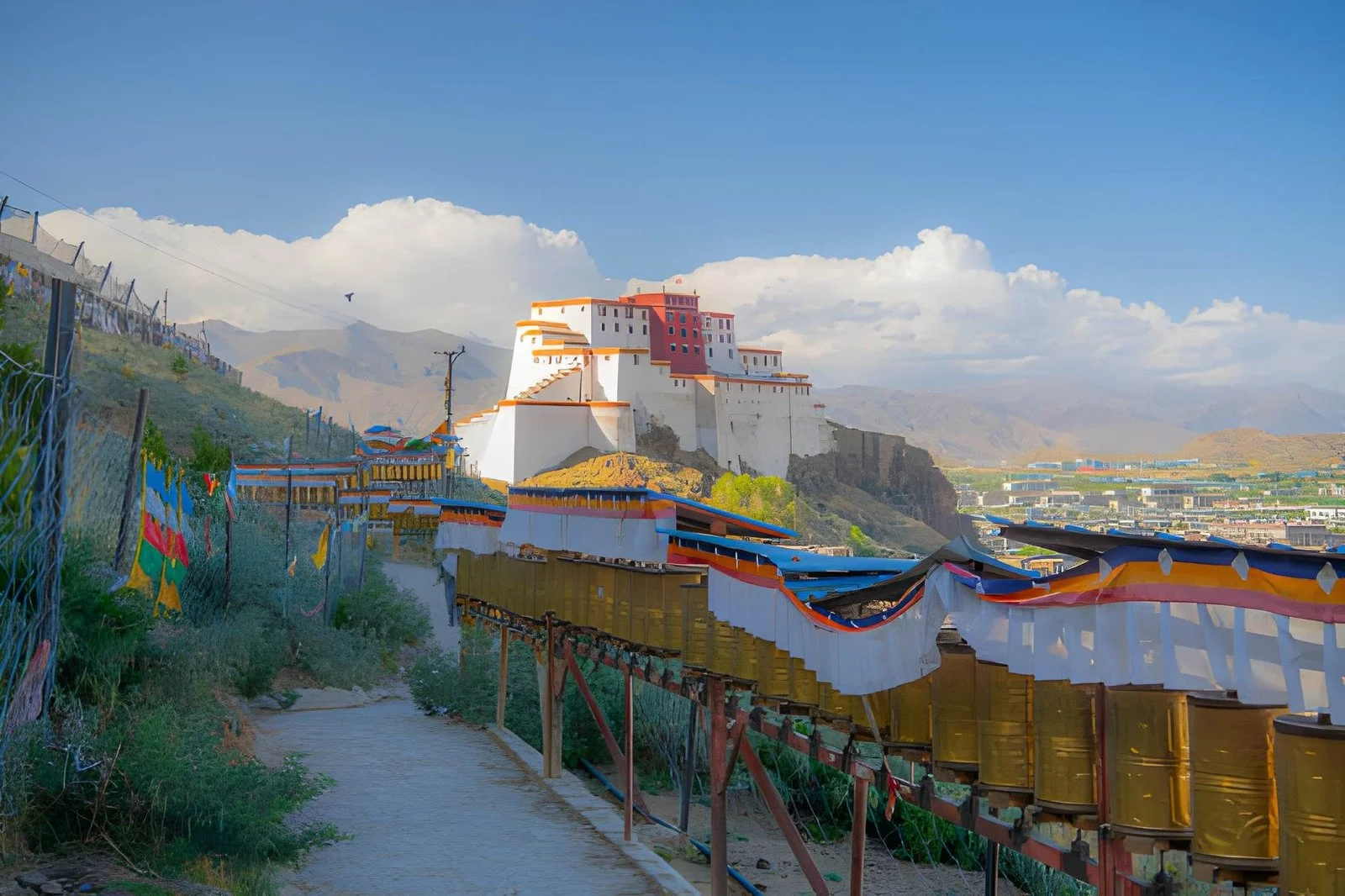
Best Time to Visit Tibet by Travel Goal
| Travel Goal | Best Time |
| First visit | April–May & September–October |
| Photography | Late September–October |
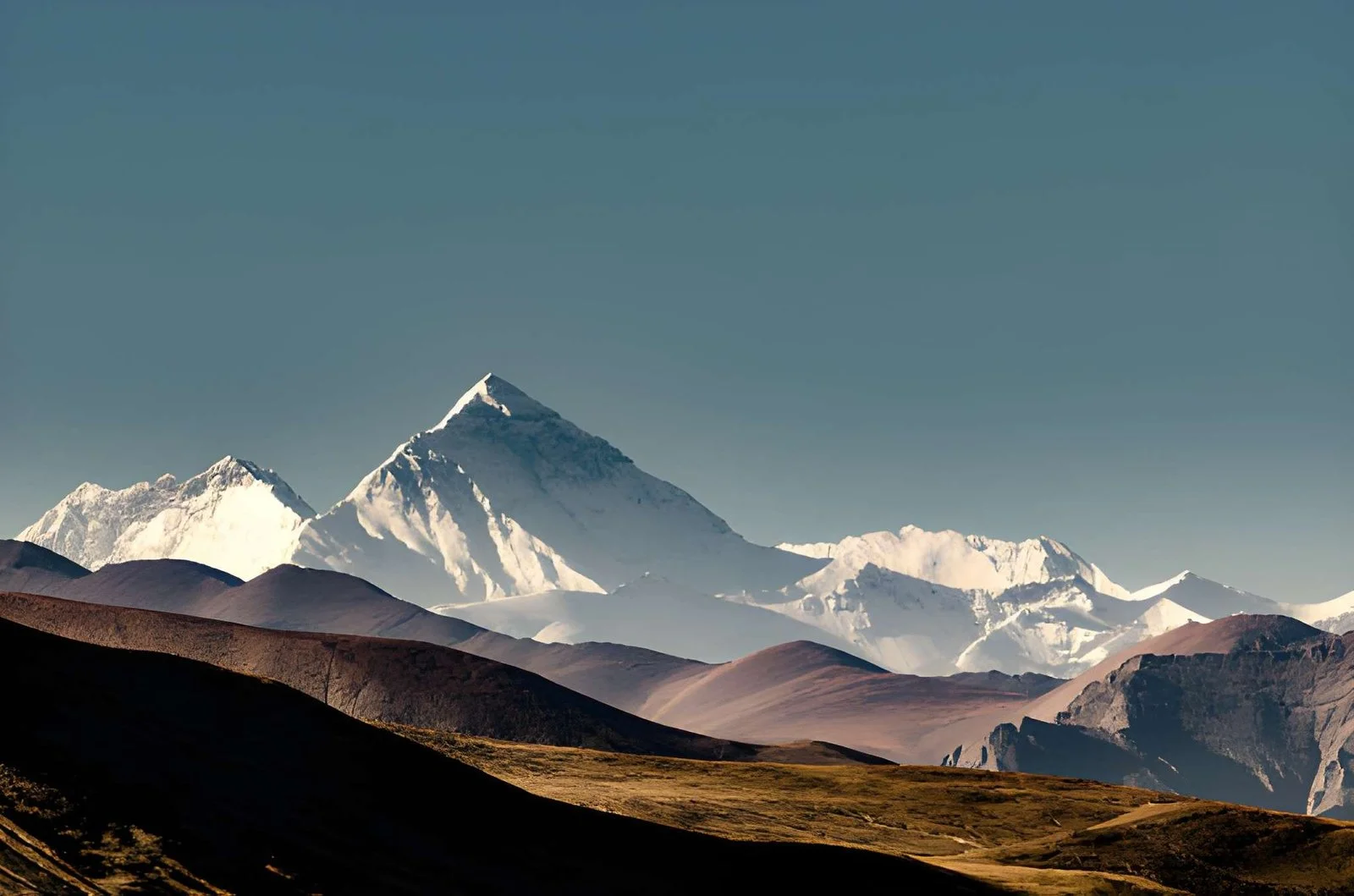
| Everest views | September–October |
| Festivals | June–August |
| Fewer crowds | November |
| Lowest prices | December–February |
| Overland travel (Nepal–Tibet) | April–May & September–October |
| Cultural sightseeing | March–May & September–November |
Book your Tibet Trip with Far Out Nepal now & get your own customized itineraries →
Understanding Tibet’s Climate
You don’t need a full climate breakdown to pick a good travel date. What you need is just a few patterns that actually affect what your trip will feel like. Here’s what matters most when you’re choosing a month.
Why does Tibet stay dry while Nepal floods?
As the South Asian monsoon moves north, the mountains force moist air upward, wringing out most of the rain before it ever reaches the plateau. That’s why central and western Tibet stay comparatively dry through the summer, even while Nepal is deep in monsoon season.
The exception is the Nepal–Tibet border itself: the Kathmandu–Gyirong route sits closer to the windward side of the range. So, it can still see monsoon-related delays and landslide risk from June through August, even when Lhasa, a few hours further north, is dry and sunny.
Day-night swings matter more than the season when you’re picking dates.
Because the air is so thin, it holds very little heat. A sunny autumn afternoon in Lhasa can reach a comfortable 15–18°C, then drop below freezing overnight.
Mornings at high-altitude sites like Everest Base Camp are consistently colder than the daytime forecast suggests, which is why departure timing for early sightseeing matters as much as the month itself. Layering matters more here than in almost any other travel destination.
Shorter winter days mean tighter itineraries.
Summer days stretch well past 8 PM, leaving plenty of time for a full sightseeing schedule with room to spare. Winter days shorten to usable light ending around 6 PM. So, a trip built around a packed multi-stop itinerary is easier to execute from April to October than in December or January. This is worth weighing if you’re trying to fit a lot into a short trip.
Does altitude sickness depend on the season?
Not really. Acclimatization risk is driven mainly by elevation and how fast you ascend, not by the month you travel. Lhasa sits at roughly 3,650 meters, and Everest Base Camp is near 5,150 meters, and the thin air affects visitors year-round.
What season does affect is your comfort. Cold nights in winter can make early symptoms feel worse, and it’s easier to rest and hydrate properly in the milder shoulder seasons. If altitude is a concern, the fix is a properly paced itinerary, not a specific month.
Best Time to Visit Tibet by Season
Tibet in Spring (March–May)
- Weather: Cold and quiet in March, warming quickly through April and May. Crowds: Light in March, building by May.
- Landscape: Peach blossoms in Nyingchi from late March, valleys turning green by May.
- Best for: Overland travel, photography without summer crowds, first-time visitors who want mild weather without the peak-season rush.
Spring’s trade-off against autumn: Roads and passes reopen gradually through March and early April after winter closures, so early spring can still carry some route uncertainty. By late April, conditions are close to autumn’s reliability, with the bonus of flowering landscapes autumn doesn’t have.
Is spring a good time for Everest views?
Yes, especially by May. Skies are generally clear, though slightly less consistent than the post-monsoon clarity of October.
Tibet in Summer (June–August)
- Weather: Warm days (up to 23–25°C in central Tibet), rain concentrated in short afternoon or nighttime bursts rather than all-day downpours.
- Crowds: Peak season. Book trains and permits early.
- Landscape: Green valleys, grasslands in bloom.
- Best for: Festivals, family trips (highest oxygen levels of the year, easier on altitude-sensitive travelers), Mount Kailash treks.
Summer’s trade-off against the shoulder seasons: This is when the Kathmandu–Gyirong overland route is most exposed to monsoon-related road disruption, even though central Tibet itself stays largely dry. If your trip depends on a fixed overland crossing date, build in flexibility.
Does Tibet have a rainy season?
Yes, roughly June through August, but most rain falls at night or in short afternoon showers. It rarely disrupts a full day of sightseeing the way monsoon rain does elsewhere.
Tibet in Autumn (September–November)
- Weather: The most stable window of the year. The monsoon has fully retreated, humidity drops, and skies are clear.
- Crowds: Busy through September and October, easing by November.
- Landscape: Harvest season in farming valleys; barley and wheat are being brought in.
- Best for: Mountain photography, Everest views, first-time visitors who want the most predictable conditions.
Autumn’s trade-off against spring: October in particular is the single most popular month to visit, which means higher prices and more competition for permits and train tickets. November offers nearly the same clear skies with noticeably thinner crowds and the year’s first real cold snap at higher elevations.
Is October the best month to visit Tibet?
For visibility and photography, yes, as it’s the clearest month of the year. For crowds and value, November or late September are close alternatives with fewer people.
Tibet in Winter (December–February)
- Weather: Cold, especially at night, but Lhasa’s daytime sun is strong, and the city is milder than its elevation suggests.
- Crowds: Lowest of the year.
- Landscape: Snow on surrounding peaks, quiet monasteries.
- Best for: Budget travelers, travelers prioritizing a more intimate, less touristy cultural experience, and Losar (Tibetan New Year) travel.
Winter’s trade-off against every other season: Some remote high-altitude routes and passes can close or become difficult to access, and options outside Lhasa are limited. What you gain is lower prices across hotels, flights, and the Tibet train, plus a noticeably different, quieter atmosphere in the monasteries.
Is Tibet worth visiting in winter?
Yes, particularly for Lhasa-focused trips. It’s colder and quieter, but far from closed, and it’s the best-value season of the year.
Tibet Weather by Month
| Month | Weather | Crowds | Best For |
| January | Cold, dry, sunny days | Very low | Budget travel, quiet Lhasa |
| February | Cold, Losar festival period | Low (rises around Losar) | Cultural immersion, festival travel |
| March | Cold, gradually warming | Low | Early spring, fewer crowds |
| April | Mild, roads reopening | Moderate | Overland travel, blossoms |
| May | Warm, stable | Moderate–high | Kailash treks begin, Saga Dawa |
| June | Warm, first rains | High | Festivals, greenery |
| July | Warm, wettest month | High | Shoton Festival prep, lush landscapes |
| August | Warm, humid | High | Shoton Festival, Horse Racing Festival |
| September | Mild, clearing skies | High | Transition into peak visibility |
| October | Cool, clearest skies | Very high | Photography, Everest views |
| November | Cool, dry | Moderate | Value + clear skies combo |
| December | Cold, dry, sunny days | Very low | Budget travel, Lhasa focus |
A few months’ worth of calling out individually:
- May sees the Saga Dawa Festival near Mount Kailash. This is one of Tibet’s most significant Buddhist observances, and marks the start of the Kailash trekking season as permits become easier to secure for remote western routes.
- July–August brings the Shoton Festival in Lhasa (the “yogurt banquet”), including the unveiling of a giant thangka at Drepung Monastery, alongside the Nagqu Horse Racing Festival further north.
- November is the best-kept secret. Nearly October’s visibility, a fraction of the crowds, and noticeably better hotel and tour pricing.
- February timing shifts with the Tibetan lunar calendar (Losar usually falls between late January and March), so confirm exact dates for the year you’re traveling. Some monasteries reduce visitor access around the festival itself.
Best Time to Visit Tibet Based on Your Travel Style
- First-time visitors should aim for April–May or September–October. These are the most predictable weather and the easiest logistics for a first trip.
- Photographers get the sharpest mountain visibility in October, when post-monsoon air is at its clearest. Late September is a strong, less crowded alternative.
- Festival travelers should target June–August for Shoton and the Horse Racing Festival. They can also plan around Losar (February) and Saga Dawa (May) if a specific cultural event is the priority.
- Everest enthusiasts get the most reliable views in September through October, when skies over the Himalaya are consistently clear.
- Budget travelers will find December–February offers the lowest hotel, flight, and train prices of the year. The trade-off is colder nights and reduced access to some remote routes.
- Overland travelers entering from Nepal should favor April–May or September–October, when the Kathmandu–Gyirong route is least likely to see monsoon-related delays.
→ Families, senior travelers, and those prioritizing easier acclimatization tend to do well in early summer, when oxygen levels are comparatively higher.
→ Spiritual and pilgrimage-focused travelers often plan specifically around Saga Dawa or Losar, regardless of the weather
→ Luxury travelers get the widest hotel and service availability in the September–October window.
Best Time for Different Regions of Tibet
Tibet isn’t one climate zone. So, conditions vary significantly by region.
- Lhasa.
At roughly 3,650 meters, Lhasa is Tibet’s mildest major destination and genuinely visitable year-round. The Potala Palace and Jokhang Temple see their best light and clearest backdrops in autumn. Lhasa’s strong winter sunshine also makes it one of the few Tibetan destinations worth considering even in January.
- Central Tibet (Shigatse, Gyantse, Yamdrok Lake, Namtso Lake).
Follows a similar pattern to Lhasa but with slightly more exposure at higher-altitude stops like Namtso. Namtso’s high passes can be difficult or closed in deep winter. So, it’s best visited in April–October.
Yamdrok Lake, at a somewhat lower elevation, stays more accessible through the shoulder seasons and rewards visitors with its clearest turquoise color in autumn, once summer runoff has settled.
- Everest Base Camp (Tibet side).
It’s considerably colder than Lhasa year-round due to elevation (around 5,150 meters). September–October offers the best combination of accessible roads and clear Everest views, while late spring is the next-best alternative. Winter access is possible, but conditions are harsh.
- Mount Kailash & Western Tibet (Ngari).
The most remote and weather-sensitive region. May–September is the effective window. Permits for this area also tend to process more predictably in the same months, since travel agencies are actively running tours and can bundle applications efficiently.
- Kathmandu–Lhasa overland route (via Gyirong).
The one part of Tibet still meaningfully touched by Nepal’s monsoon. April–May and September–October are the most reliable windows for this crossing, specifically, even though the rest of central Tibet has a wider comfortable travel season.
What to Pack, by Season
| Season | Key Items |
| Spring | Layers, light jacket, sunscreen, sunglasses |
| Summer | Rain shell, breathable layers, strong sunscreen |
| Autumn | Warm layers, windproof jacket, sunglasses (high UV + glare) |
| Winter | Heavy insulated jacket, thermal layers, lip balm, hand warmers |
Sun protection matters in every season. UV exposure at altitude is significantly stronger than at sea level, even on cool days.
Choosing Your Season for Visiting Tibet
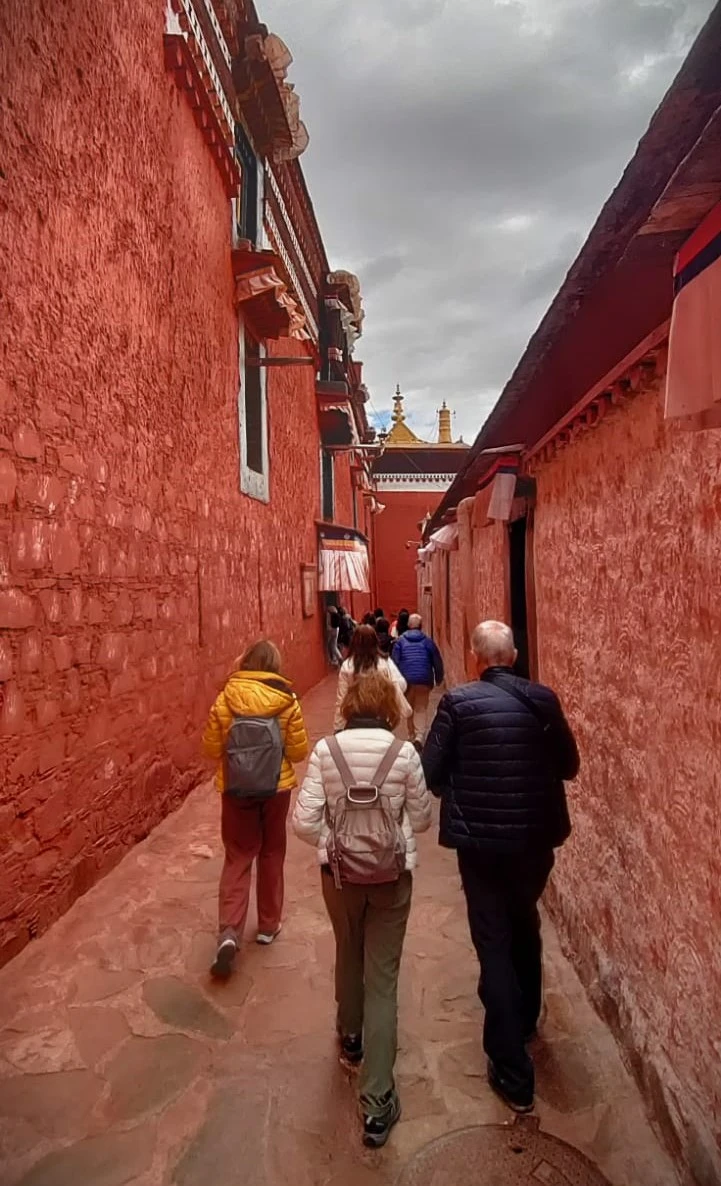
The best time to visit Tibet ultimately depends on the experience you’re looking for. Rather than searching for a single “perfect” month, think about what you want to see, do, and feel during your journey.
- If you’re planning a first trip, aim for April–May or September–October.
- If mountain photography is the priority, October is hard to beat.
- If cultural festivals matter most, June–August puts you at Shoton and the Horse Racing Festival.
- If you want the clearest Everest views, target September–October.
- And if quiet, budget-friendly travel is the goal, December–February offers Tibet at its most affordable and least crowded.
No matter when you travel, Tibet rewards visitors with extraordinary landscapes, centuries-old monasteries, profound Buddhist culture, and one of the world’s most unforgettable high-altitude journeys. Every season offers a different perspective on the Roof of the World—you simply need to choose the one that best matches your travel style and expectations.
Ready to plan your journey? Get in touch with our travel specialists for personalized advice. We’ll help you choose the ideal itinerary, the best travel season, and take care of the permits and logistics, so you can experience Tibet with confidence.
Frequently Asked Questions
When is the best time to visit Tibet?
The best time to visit Tibet is April to May and September to October, when the weather is stable, skies are clear, and temperatures are comfortable for sightseeing and high-altitude travel. These months offer excellent conditions for exploring Lhasa, visiting monasteries, and enjoying panoramic Himalayan views, including Mount Everest from the Tibetan side.
What is the best season to visit Tibet?
Spring (April to May) and autumn (September to October) are widely considered the best seasons to visit Tibet. Spring brings mild temperatures, blooming landscapes, and fewer crowds, while autumn offers crystal-clear mountain views, dry weather, and ideal conditions for overland tours and photography. Both seasons are well-suited to first-time visitors.
Does Tibet have a rainy season?
Yes. Tibet’s rainy season generally runs from June to August, although rainfall is lighter than many people expect because much of the region lies within the Himalayan rain shadow. Central Tibet, including Lhasa, often experiences short afternoon or nighttime showers rather than prolonged rainfall, though overland routes from Nepal may occasionally be affected by monsoon conditions.
Is October the best month to visit Tibet?
For many travellers, yes. October offers some of the clearest skies of the year, comfortable daytime temperatures, and outstanding visibility across the Tibetan Plateau. It’s one of the best months for visiting Everest Base Camp ( from Tibet) and photographing snow-capped Himalayan peaks. If you prefer fewer crowds, November provides similar conditions with a quieter atmosphere.
Is Tibet worth visiting in winter?
Yes. Winter is one of Tibet’s most underrated travel seasons. Lhasa enjoys abundant sunshine throughout the year, and daytime temperatures are often more comfortable than many visitors expect. Winter also brings fewer tourists, lower accommodation prices, and a more peaceful atmosphere at major monasteries, making it an excellent choice for travelers seeking a quieter experience.
What is the coldest month in Tibet?
January is typically the coldest month in Tibet. Nights can be well below freezing, especially in higher-altitude regions, but strong sunshine often keeps daytime temperatures surprisingly pleasant in Lhasa. While some remote western areas become more difficult to access, the capital and surrounding cultural attractions remain open to visitors.
When is the best time to visit Lhasa?
Lhasa can be visited throughout the year, but April to May and September to October generally provide the most comfortable weather and the clearest views. These seasons are ideal for exploring iconic attractions such as the Potala Palace, Jokhang Temple, and nearby monasteries while enjoying mild daytime temperatures and stable travel conditions.
When is the best time to visit Everest Base Camp in Tibet?
The best time to visit Everest Base Camp (North Face) is September to October, when post-monsoon conditions bring exceptional mountain visibility and dry weather. April and May are also excellent, offering pleasant temperatures and reliable road access before the summer rains begin.
Is Tibet's climate suitable for travel year-round?
Yes. Although temperatures vary significantly with altitude, Tibet can be visited in every season. Spring and autumn offer the best overall balance of weather and visibility, summer is warmer with occasional rain, and winter provides sunny days, fewer crowds, and excellent value for travellers willing to tolerate colder nights.
When should I avoid travelling to Tibet?
There is no single month when Tibet should be completely avoided, but your itinerary may influence the best timing. July and August can occasionally bring travel delays on routes entering from Nepal because of the South Asian monsoon, while December to February may limit access to some remote western regions due to snow and freezing temperatures. Most cultural tours centred on Lhasa operate successfully throughout the year.