
Homepage Section: Popular
Glimpse Of Bhutan
Glimpse of Bhutan Tour: Overview
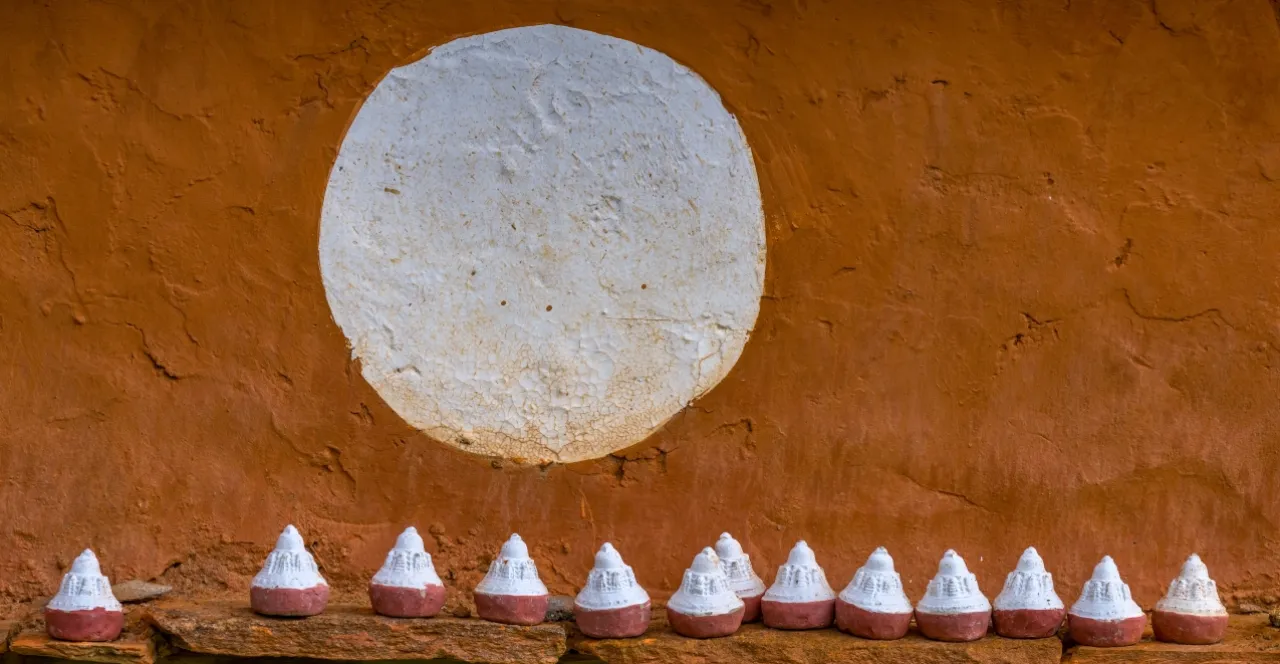
The Glimpse of Bhutan Tour offers a compact yet enriching journey through the cultural heart of Bhutan. Over six days, our carefully crafted itinerary explores the beautiful western valleys where much of the dragon kingdom’s history, culture, and spiritual life are centered.
Travelers can visit the country’s most important destinations, including Paro (with the country’s only international airport), the capital Thimphu, and the historic valley capital of Punakha. These regions hold some of Bhutan’s most significant monasteries, fortress-monasteries (dzongs), and traditional settlements.
Western Bhutan is home to the Drukpa and Ngalop communities, whose traditions shape much of Bhutan’s cultural identity. The valleys are dotted with ancient temples (Lhakhang), mountain passes lined with prayer flags, fertile farmlands, and peaceful rivers flowing through wide green landscapes.
One of the most remarkable experiences of the journey is visiting Paro Taktsang (Tiger’s Nest Monastery), Bhutan’s most sacred and iconic monastery, dramatically perched on a cliff high above the Paro Valley. Seeing how it strikes a balance between preserving the traditional culture and allowing modern culture the room to flourish is what makes the journey to Western Bhutan so remarkable.
Tour Snapshot
- Duration: 5 Nights / 6 Days
- Destinations: Paro – Thimphu – Punakha
- Highest Elevation: Dochula Pass (3,100 m)
- Tour Style: Cultural & Scenic Exploration
- Start / End Point: Paro
- Ideal For: First-time visitors to Bhutan, cultural travelers, and short Himalayan journeys
Glimpse of Bhutan Tour: Key Destinations
These three valleys together form the cultural heart of Bhutan, offering a fascinating combination of historic monasteries, vibrant towns, and scenic Himalayan landscapes.
Paro (2,266 m)
The scenic valley of Paro is one of Bhutan’s most beautiful and historically important regions. The valley stretches from the confluence of the Paro Chhu and Wang Chhu rivers at Chuzom toward the mountains near the Tibetan frontier. It is also known for its wide fertile agricultural plains, traditional farmhouses, and sacred temples.
A clear river flows through the valley, adding to the peaceful landscape surrounding the town. Paro is also home to the famous Paro Taktsang (Tiger’s Nest Monastery), Bhutan’s most revered pilgrimage site.
Visitors can stroll through the charming old town, explore traditional Bhutanese architecture, and prepare for the unforgettable hike to Tiger’s Nest.
Thimphu (2,248 m)
The capital city of Bhutan, Thimphu, blends traditional culture with the rhythms of modern life. With a population of around 120,000, it serves as the country’s political, cultural, and administrative center.
Travelers can explore monasteries, museums, and lively markets while learning about Bhutanese art, architecture, and daily life. Thimphu is also home to the impressive Tashichho Dzong, which houses government offices and the throne room of Bhutan’s king.
Much of northern Thimphu lies within the protected landscapes of Jigme Dorji National Park, reflecting Bhutan’s strong commitment to environmental conservation.
Punakha Valley (1,242 m)
Located at a lower altitude, Punakha Valley enjoys a warmer climate and lush agricultural surroundings. Once the capital of Bhutan until 1955, Punakha retains a strong historical identity and remains an important cultural center.
The valley is best known for the magnificent Punakha Dzong, situated at the meeting point of the Pho Chhu and Mo Chhu rivers. Often regarded as the winter palace of Bhutan, it plays a central role in the country’s religious and political history.
Visitors can also walk across the scenic Punakha Suspension Bridge, one of the longest suspension bridges in Bhutan, offering beautiful views of the surrounding valley and rivers.
Beyond the dzong, Punakha reveals peaceful villages, terraced rice fields, and picturesque landscapes that showcase the tranquil rhythm of Bhutanese rural life.
These destinations form the foundation of the Glimpse of Bhutan journey, allowing travelers to experience the country’s most iconic cultural landmarks and landscapes within a relaxed and carefully designed itinerary.
Tibet 08 Days Overland Tour
Tibet: The Land of Unparalleled Spirituality & Beauty
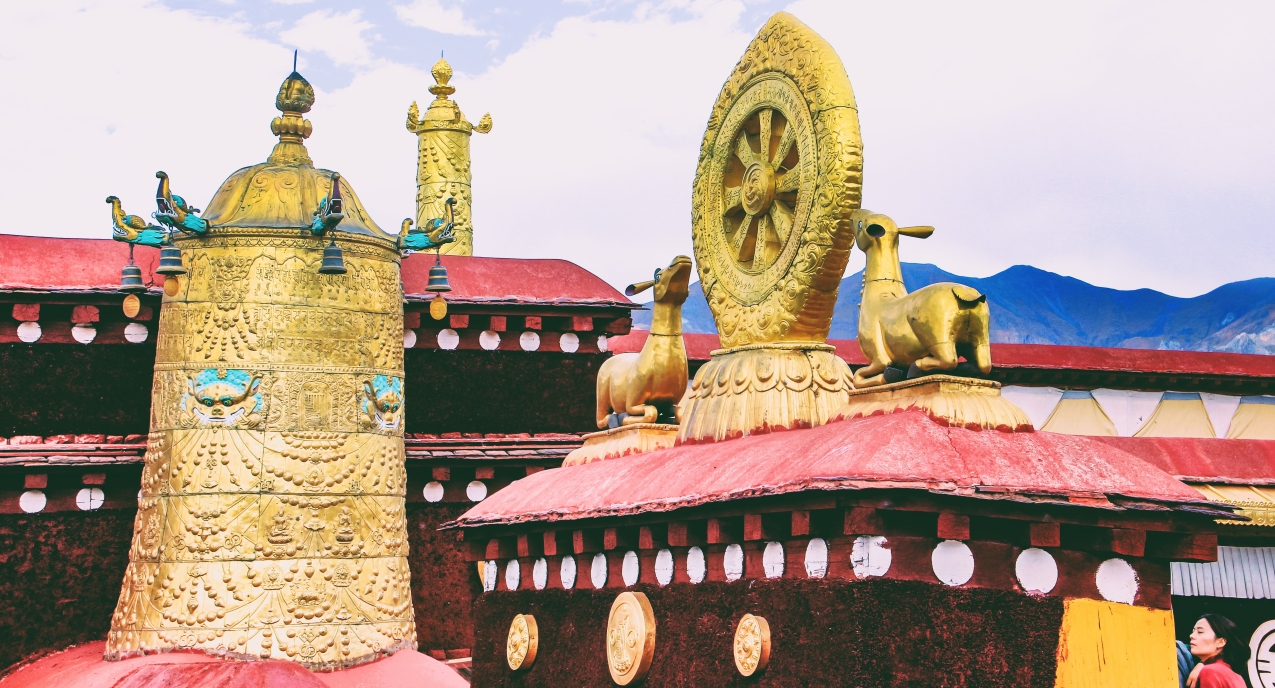
Tibet, famously called the “Roof of the World,” is a land of deep spirituality, rich culture, and awe-inspiring landscapes. Boasting a legacy that spans over 4,000 years, Tibet is the birthplace of the Tibetan language (Zang), the ancient Bon religion, and Tibetan Buddhism. Here, time-honored rituals, including the sky burials, pilgrimage prostrations, and kora (orbiting of sacred sites), remain an integral part of daily life. These rituals offer travellers a glimpse into the living spiritual traditions of the region.
Beyond its spiritual & religious charm, Tibet is also a natural wonderland. Large high-altitude plateaus, valleys with mystique, crystal-clear alpine lakes, and towering snow-capped peaks create a never-ending Himalayan canvas. Whether you are a cultural explorer, spiritual seeker, or adventure traveler, Tibet offers truly once-in-a-lifetime experiences.
Overview of the 08 Days Overland Tibet Tour
Our Tibet 08 Days Overland Tour takes you from the sacred city of Lhasa to the Nepal border via the Friendship Highway, blending culture, adventure, and nature in one smooth adventure. Along the way, you’ll explore:
- Ancient Monasteries & Temples: Discover centuries-old centers of learning and devotion.
- Rural Tibetan Villages: Interact with locals to experience authentic Tibetan life.
- Sacred Lakes & Stunning Landscapes: Marvel at turquoise waters and panoramic mountain views.
- High Himalayan Plateaus & Scenic Roads: Drive across some of the world’s highest passes with unmatched vistas.
Our Tibet overland expedition is designed for the refined travellers who seek both cultural depth and high-altitude Himalayan drama, without compromising their comfort. The itinerary makes sure to offer the perfect fusion of spirituality, culture, nature, and adventure of Tibet in just 8 days.
We have intricately paced this tour over a span of eight days. You initiate your journey from Nepal into the heart of Tibet, crossing legendary mountain lakes and passes, exploring sacred monasteries, and witnessing Everest from the Tibetan plateau.
Tour Snapshot
- Duration: 8 Days / 7 Nights
- Route: Kathmandu → Lhasa → Gyantse → Xigatse → Xegar → Nyelam → Kathmandu
- Maximum Elevation: 5,200 m (Gyatso La Pass)
- Highest Overnight: 4,200 m (Xegar)
- Best Seasons: April–June & September–October
- Travel Style: Cultural Exploration and Overland Expedition
Tibet 08 Days Overland Tour: Routes at a Glance
Experience Tibet’s spiritual heart, majestic landscapes, and Himalayan adventure in just 8 days. This itinerary balances cultural exploration, scenic drives, and gradual acclimatization, ensuring a safe and unforgettable journey.
| Day | Route | Highlights | Altitude / Notes |
| Day 1 | Kathmandu → Lhasa (Flight) | Scenic trans-Himalayan flight with panoramic views of Everest and surrounding Himalayan peaks; arrive in Lhasa and settle in | 3,656 m; light acclimatization; optional stroll in Lhasa streets |
| Day 2 | Lhasa Sightseeing | Drepung Monastery (once the world’s largest monastery), Sera Monastery, and Bharkhor Market | 3,656 m; cultural immersion; moderate walking; watching the monks’ philosophical debate at Sera |
| Day 3 | Lhasa Sightseeing | Explore Potala Palace, Jokhang Temple, and nearby markets | 3,656 m; spiritual and historical focus |
| Day 4 | Lhasa → Gyantse | Drive across the Tibetan plateau, visit Yamdrok Lake, Kumbum Stupa, and Phalkor Chorten | 3,950 m; scenic photography opportunities; moderate driving |
| Day 5 | Gyantse → Xigatse | Visit Tashilhunpo Monastery (seat of Panchen Lama), explore traditional Tibetan villages | 3,850 m; cultural exploration and local interaction |
| Day 6 | Xigatse → Xegar | Drive along high-altitude roads with spectacular views of Mount Everest and surrounding Himalayan peaks | 4,500 m; high-altitude scenic route; photography stops |
| Day 7 | Xegar → Nyalam | Pass through remote valleys and Tibetan villages, visit small monasteries, and enjoy panoramic Himalayan vistas | 3,900 m; light trekking and cultural immersion |
| Day 8 | Nyalam → Kathmandu (Drive & Border Crossing) | Descend along Friendship Highway, cross stunning landscapes, waterfalls, and rock formations, and arrive in Kathmandu | Gradual descent; conclude the tour with unforgettable Himalayan memories |
Optional Reverse Itinerary: Nepal Border to Lhasa
For experienced high-altitude travelers, the Tibet 08 Days Overland Tour can also begin at the Nepal–Tibet border (Gyirong Port) and conclude in Lhasa (with a scenic flight back to Kathmandu). This reverse route is ideal for explorers seeking a more road trip expedition through the Himalayas.
You will travel from Gyirong to Lhasa and cross remote Tibetan valleys, historic towns like Shigatse and Gyantse, and high mountain passes above 5,000 m, before arriving in the cultural heart of Tibet. This Lhasa ending allows travelers more time to enjoy luxury hotels, explore Potala Palace and Jokhang Temple, and relax before returning to Nepal.
Who Should Consider This Reverse Route
This route is ONLY RECOMMENDED for:
- Travelers already acclimatized to high altitudes (e.g., after trekking in Nepal)
- Adventure-focused travelers who are comfortable with remote roads and rugged terrain
- Guests seeking a private overland departure for personalized pacing and comfort
First-time Tibet visitors should follow the standard Lhasa-first itinerary to minimize altitude risks.
For detailed advice on high-altitude travel:
→ Acclimatization & Safety Guide for the Himalayas
Why the Reverse Itinerary is Challenging but Rewarding
Because of altitude pacing and road variability near the border region, the reverse route is different from our usual route. It is also recommended to be experienced as a private departure.
This itinerary allows:
- Flexible driving pace
- Personalized acclimatization monitoring
- Scenic land entry into Tibet
- Progressive cultural buildup toward Lhasa
- A strong finale in Tibet’s most iconic city
- Suitable for travelers already adjusted to elevation
This creates a refined expedition atmosphere, as it combines Himalayan ruggedness with tailored support.
If you are considering this variation, consult with our experts to determine whether your acclimatization level and travel background make this route suitable.
Tibet 08 Days Overland Tour: Challenges & Considerations
While the Tibet 08 Days Overland Tour offers a once-in-a-lifetime experience, travelers should be aware of some unique challenges to ensure a safe and enjoyable journey:
1. High-Altitude Risks: Starting at 3,656 m in Lhasa and ascending over 5,000 m at mountain passes, altitude sickness is very frequent. Our itinerary includes gradual acclimatization, but proper preparation and hydration are essential.
2. Health & Fitness Considerations: Tibet tours are not recommended for travelers with serious heart or respiratory conditions. Consult your doctor before travel and carry a personal medical kit. Light activity and acclimatization breaks are heavily suggested.
3. Limited Medical Facilities: Major hospitals with modern facilities are available only in Lhasa and Xigatse. Outside these cities, medical services are basic. Bring essential medications and know how to use them.
4. Travel Regulations & Permits: Tibet’s travel rules and regulations change frequently. Always check for updated information on permits and visas before your trip.
5. Flight Availability & Options: Direct flights from Kathmandu to Lhasa are limited and can fill up during peak season. Alternatively, flights via Chengdu are available with a stopover. You should also book early.
6. Language & Guides: Most guides speak English, with limited availability for other languages such as Spanish, German, or French. Book early to secure a guide in your preferred language.
7. Developing Tourism Infrastructure: Tibet’s tourism infrastructure (hotels, roads, and guided services) is still evolving, especially in towns beyond Lhasa. Expect basic facilities in such areas.
Remember: Early preparation, proper acclimatization, and up-to-date travel information are the keys to a safe, rewarding journey.
Everest Base Camp Trek
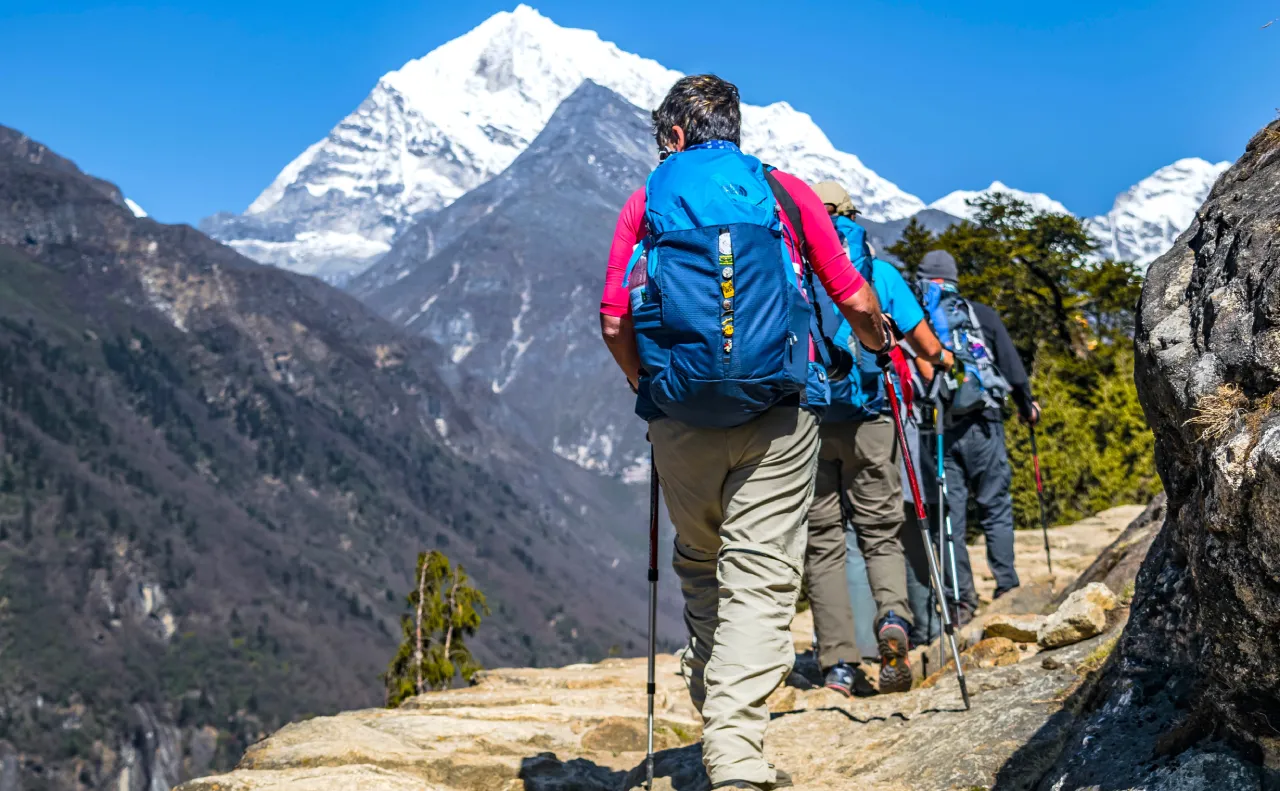
The Everest Base Camp Trek is considered one of the most iconic high-altitude adventures in the world. Since the 1920s, trekkers and thrill-seekers from across the globe have dreamed of standing at the foot of Mt. Everest (8,849 m), the highest peak on Earth, while being surrounded by the awe-inspiring giants of the Himalayan Range.
This journey is more than a trek; it is a profound encounter with nature, culture, and personal endurance.
Traversing the Khumbu region, you will experience a tapestry of breathtaking landscapes and rich cultural heritage: vibrant Sherpa villages, intricately carved mani walls, ancient chortens, colourful prayer flags, and centuries-old Buddhist monasteries.
Swaying suspension bridges cross the glacial rivers that test your courage, while panoramic views of the snow-clad peaks create monumental moments that are forever etched in your mind and spirit.
Our 17-day classic Everest Base Camp Trek itinerary flies you in and out of Lukla, with carefully planned acclimatisation stops, ensuring safety and comfort while you explore these high altitudes.
Highlighting the EBC Trek: Duration, Distance & Maximum Altitude
- Duration: 17 Days (13 days trekking + Kathmandu & Ramechhap)
- Distance: Approximately 130–140 km round trip for the classic route
- Highest Altitude covered: 5,545 m/18,192 ft at Kala Pathar, with Everest Base Camp at 5,340 m/17,500 ft
- Difficulty: Very demanding / High-altitude trek requiring good fitness and preparation
This trek involves 5–7 hours of walking per day across steep trails, high ridges, and rugged terrain, making proper preparation and acclimatisation essential.
Where is Everest Base Camp Located?
Everest Base Camp is located in Nepal’s Khumbu region, within the boundaries of Sagarmatha National Park. Nestled at the foot of the Khumbu Icefall, it serves as the launching point for climbers attempting to summit the world’s highest point.
Trekkers typically begin their journey with a scenic flight from Ramechhap to Lukla (2,860 m), followed by trekking through the picturesque Sherpa villages, suspension bridges, and high Himalayan landscapes until reaching the base of the world’s tallest mountain.
Classic Everest Base Camp Trek Itinerary
Our 17-day Everest Base Camp Trek itinerary takes you through some of the most iconic landscapes of the Khumbu region:
- Flight to Lukla (2,860 m): Begin with an early morning flight from Ramechhap to Lukla (2,860m), the gateway to the trek. Marvel at the views of Kusum Kanguru Peak (6,367m) as you start your trek.
- Namche Bazaar (3,450 m): Cross the Dudh Koshi River via suspension bridges and ascend to this vibrant Sherpa town, which is a key acclimatisation stop.
- Dingboche (4,360 m): Trek through Phortse village (3,800 m), enjoy sweeping views of Ama Dablam, while spending two nights acclimatising here.
- Kala Patthar (5,545 m): Witness an unforgettable sunset over Mt. Everest, perfect for photography and reflection.
- Everest Base Camp (5,340 m): Arrive at the Khumbu Icefall, the bustling hub for mountaineers during the climbing season.
Our itinerary, while following the classic Everest Base Camp route, thoughtfully incorporates selected alternative sections that offer fewer crowds, better acclimatisation, and deeper cultural immersion.
Challenges of the Everest Base Camp Trek
While this trek is immensely rewarding, it requires careful planning and awareness of potential challenges:
- High-Altitude Risks: Trekking above 5,500 m poses the potent risk of altitude sickness. Severe cases may require emergency evacuation.
- Unpredictable Flights: Flights to and from Lukla are heavily weather-dependent, with delays and cancellations for several days being quite common.
- Access to Lukla: Although we try our best to get direct flights to Lukla from Kathmandu (the best option), due to flight congestion in Kathmandu airport, the flights to Lukla nowadays mostly operate from Ramechhap (Manthali Airport).
- Road to Ramechhap: A 6-hour drive, with alternating good and bad road stretches along the route.
- Accommodation Limitations: Lodges in Ramechhap are basic and limited. Weather-related flight delays (sometimes stretching up to two days) can impact the availability of accommodation.
- Trail Retracing: The standard trekking route requires retracing your steps back along the same path, which some trekkers may find repetitive.
Manaslu Circuit Trek
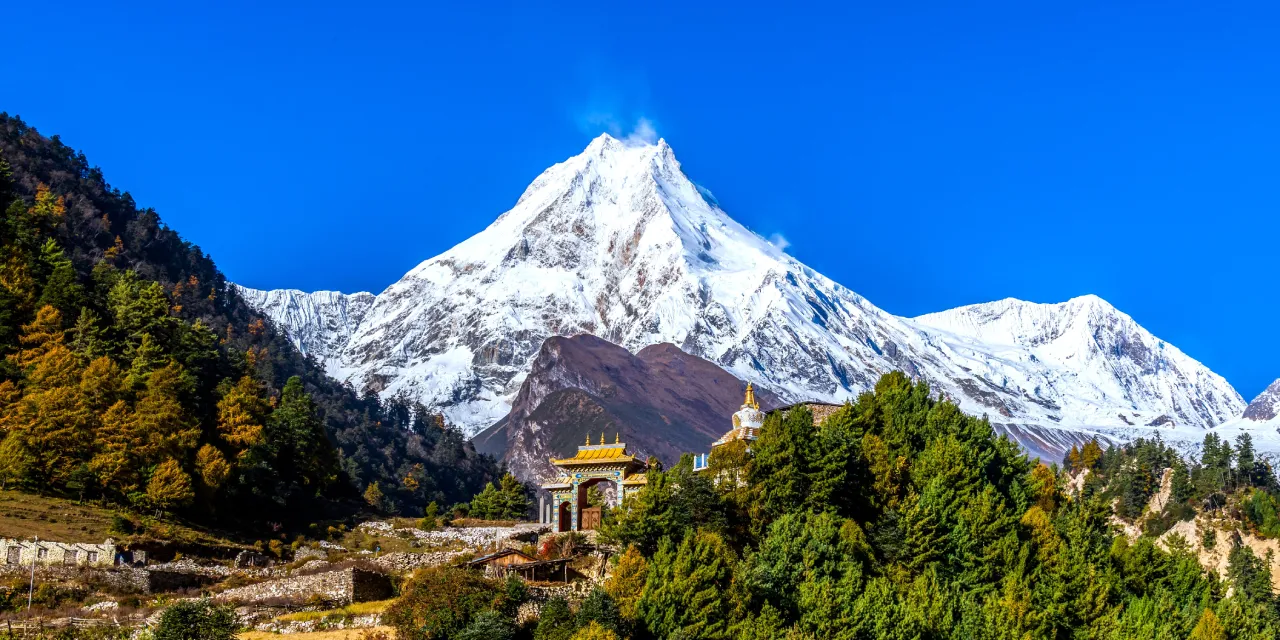
Overview of the Manaslu Circuit Trek
The Manaslu Circuit Trek is a rewarding 12 to 16-day journey through the remote west-central Nepal, circling the eighth-highest mountain in the world, Mount Manaslu (8,163m). Known for its raw beauty and limited crowds, this trek offers some of the most dramatic mountain scenery with a deep cultural experience in Nepal.
While the route does offer an unforgettable mountain adventure, it also takes you through a hidden world of the ethnic population inhabiting these valleys. You’ll walk past traditional villages where Gurung and Tibetan-influenced communities continue to live on for generations, while preserving their customs, architecture, and way of life. You’ll encounter a blend of Hindu and Tibetan Buddhist traditions, with monasteries, mani walls, and prayer flags woven into everyday life along the trail.
The landscape changes rapidly as you gain altitude. The trail begins in huge green forests and terraced farmland, gradually leading into alpine valleys and glacial moraines.
Although the Manaslu Circuit Trek has grown in popularity as an alternative to the Annapurna Circuit, it remains a restricted and less-traveled route. This keeps the experience quieter, more authentic, and closer to the true spirit of trekking in Nepal.
Widely regarded as one of the best treks in Nepal, the Manaslu Circuit is ideal for those seeking a challenging, culturally immersive, and off-the-beaten-path Himalayan adventure.
Manaslu Circuit Trek: Quick Details
Location: Nepal, in the remote Manaslu region (west-central Himalayas)
Distance: ~160–180 km (varies by route and side trips)
Difficulty: Moderate to challenging. Best suited for trekkers with good fitness and some high-altitude experience
Cost: $1,100–$2,700 (includes permits, guide, accommodation, and transport; varies by group size and service level)
Best Time to Trek: Spring (March to May) and Autumn (Mid-October to November) for stable weather and clear views
Trail Type: A bit remote trekking route with rugged trails, suspension bridges, alpine terrain, and high mountain passes
Permits Required: Restricted Area Permit (RAP), Manaslu Conservation Area Permit (MCAP), Annapurna Conservation Area Permit (ACAP)
Guide Requirement: Mandatory. Solo trekking is not allowed in the Manaslu region.
Group Join Available: Yes, with fixed departures and shared costs
Start planning your Manaslu Circuit Trek today or join a group departure for the best value.
Manaslu Circuit Trek Itinerary (13–16 Days)
The route follows the Budhi Gandaki River through deep gorges and traditional villages before opening into the high Himalayan landscapes of the Nubri Valley, eventually crossing the iconic Larke La Pass and linking with the Annapurna region.
Day 1–2: Arrival in Kathmandu → trek preparation and permits
Day 3: Drive from Kathmandu to Machha Khola (approx. 8–9 hours)
Day 4: Start trek from Machha Khola to Jagat along the Budhi Gandaki River
Day 5–7: Trek via Deng, Namrung, and Lho → enter the Nubri Valley
Day 8–9: Acclimatization and exploration around Samagaun (near Manaslu Base Camp)
Day 10: Trek to Samdo → gradual altitude gain
Day 11: Trek to Dharamsala (Larke Phedi), base of the pass
Day 12: Cross Larke La Pass (5,106m) → descend to Bimthang
Day 13: Trek through alpine forests to Tilje → join the Annapurna trail
Day 14: Drive back to Kathmandu via Besisahar
Manaslu Circuit Trek Packages & Cost
Knowing the costs upfront helps you budget wisely and choose a package that fits your style. The Manaslu Circuit Trek is a restricted-area trek, so a licensed guide is mandatory, and permits add to the overall cost. All our packages include permits, guide services, meals, accommodation, and transportation.
| Package (2026) | Accommodation | Meals | Guide | Transport | Extras | Estimated Cost (USD) |
| Premium | 5-star in Kathmandu; attached bathrooms along the trek, where available | Breakfast, lunch, dinner + afternoon tea and snacks | Senior licensed trekking guide | Private 4WD (4 participants) | Hot water bag from 4,000 m | $1,500–$1,900+ |
| Standard | 4-star in Kathmandu; attached bathrooms where available | Breakfast, lunch, dinner | Senior/Junior licensed trekking guide | Private 4WD (4 participants) | None | $1,100–$1,500 |
| Budget/Group Join | Non-star hotels in Kathmandu; basic teahouse rooms along the trek | Set-menu for breakfast, lunch, dinner | Junior licensed trekking guide | Shared vehicle transport | None | $900–$1,200 |
Cost Breakdown
- Permits: Manaslu Restricted Area Permit + Conservation Area Permit + Annapurna Conservation Area Permit (~$140–$180)
- Guide & Porter: $30–35/day for guide; $20–25/day for porter (optional)
- Accommodation & Meals: Included in packages; independent travelers ~$25–35/day for food
- Transport: Private jeep to trailhead and back ~$180–280 per vehicle (shared)
- Extras: Hot showers, charging, Wi-Fi ($3–8/day), tips for guides/porters
Challenges and Considerations for Manaslu Circuit Trek
The Manaslu Circuit Trek is breathtaking, but it demands preparation and awareness. Trekkers should understand the key challenges to stay safe and enjoy the journey.
- High-Altitude Risks: The trek reaches Larkya La Pass at 5,100 m, which can trigger altitude sickness as low as 2,500 m. Severe cases require immediate evacuation, sometimes by helicopter.
- Limited Medical Facilities: Medical support along the trail is minimal. Trekkers should carry a comprehensive first-aid kit, know basic altitude sickness management, and prioritize acclimatization at proper intervals.
- Road and Trail Conditions: The drive from Kathmandu to the trailhead is long and rugged, often affected by road construction or traffic. The trekking path is steep, rocky, and occasionally perched on cliffs, requiring caution and sure-footedness.
- Weather Dependency: Himalayan weather is unpredictable. Even in spring or autumn, sudden snow, heavy rain, or high winds can close passes or make trails hazardous, sometimes forcing retracing of steps.
- Seasonal Considerations: The best seasons for trekking are spring (March–May) and autumn (Mid-October–November) for clear skies and stable conditions. However, occasional poor weather may obscure views or slow progress.