
Homepage Section: Upcoming Trip
Everest Base Camp Trek Via Gokyo
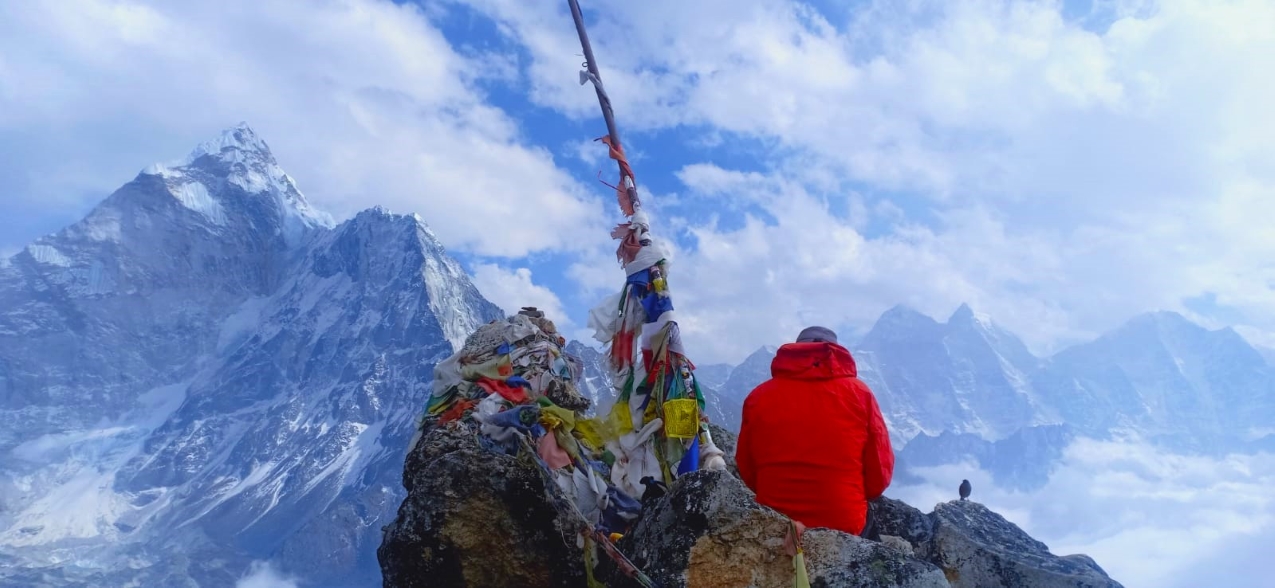
Everest Base Camp Trek via Gokyo Lakes & Cho La Pass
The Everest Base Camp Trek via Gokyo Valley is one of the most breathtaking and adventurous alternatives to the classic EBC trek. It combines the serenity of the Gokyo Valley with the iconic Everest Base Camp, offering trekkers a rare blend of pristine glacial lakes, golden alpine pastures, and towering Himalayan peaks, including Mt. Everest (8,848m), Lhotse, Cho Oyu, and Makalu.
The Gokyo Valley is well-renowned for the Ngozumpa Glacier, the largest glacier in the Himalayas, and its series of emerald lakes born beneath the dramatic Himalayan peaks. Adding to that, Everest Base Camp is the ultimate destination for adventurers. Along the way, trekkers encounter Sherpa villages, ancient monasteries, fluttering prayer flags, and breathtaking panoramic views, offering both adventure and cultural immersion.
Gokyo Lakes & Gokyo Ri
The Gokyo Lakes are among the most stunning glacial lakes in the Himalayas, showing you why this trek is truly unique. Nestled in the high-altitude Gokyo Valley, these lakes offer trekkers a combination of natural beauty, serenity, and cultural significance, forever etched in their minds:
- Six Turquoise Glacial Lakes: The trail passes Gokyo, Thonak, and Ngozumpa Lakes, each shimmering in brilliant shades of turquoise and reflecting the Himalayan towers in the backdrop. These lakes are not only breathtaking but are also considered sacred by local Sherpas and Tibetan Buddhists, with many pilgrims performing rituals during festivals.
- Emerging from the Ngozumpa Glacier: These lakes are fed by the largest glacier in Nepal & the Himalayas, the Ngozumpa Glacier, providing dramatic moraine landscapes and crystal-clear waters. Trekkers walk along glacial moraines and scattered icebergs, offering a sense of thrilling adventure and high-altitude wilderness.
- Unique Ecosystem: The lakes are home to rare Brahminy ducks, Himalayan frogs, and alpine flora, which change with the seasons. In spring, rhododendrons bloom along lower trails, while autumn offers clear skies perfect for photography.
- Photographer’s Paradise: With reflections of Everest, Cho Oyu, Lhotse, and Makalu in the calm waters, the lakes provide one of the most iconic Himalayan photo opportunities, especially during sunrise and sunset.
Gokyo Ri vs Kala Patthar: Which Viewpoint Should You Choose?
Gokyo Ri and Kala Patthar are both breathtaking viewpoints on the Everest Base Camp trek, but each offers a different kind of experience. Choosing between them depends on what you value most: panoramic diversity with opportunities for photography or a close-up view of Everest.
| Feature | Gokyo Ri | Kala Patthar |
| Altitude | 5,360 m | 5,545 m |
| Crowd Levels | Moderate with quieter trails | Higher as it is the Classic EBC route |
| View Scope | 360° panorama of multiple Himalayan peaks | Close-up, dramatic view of the Everest South Face |
| Best Time for Photography | Sunrise with soft lighting, minimal crowds | Sunset with golden-hour highlights on Everest |
| Difficulty of Ascent | Moderate | Moderate to Challenging |
| Unique Appeal | Tranquil and panoramic | Iconic Everest-focused experience |
Ngozumpa Glacier Experience
Walking along the Ngozumpa Glacier is a defining adventure of the Gokyo route:
- Moraine Crossing: Trekkers traverse rocky ridges and moraine fields that extend from the glacier, offering a hands-on experience of glacial terrain rarely seen on standard EBC routes.
- High-Altitude Challenge: The terrain requires steady footing, proper footwear, and careful pacing, giving trekkers a real sense of adventure at extreme elevations.
- Unique Scenic Contrast: The contrast of turquoise lakes against icy moraine and rugged peaks is striking and creates photo opportunities that are unique to this route.
- Photography & Reflection: The glacier offers mirror-like surfaces after snowfall or rain, providing rare reflections of surrounding peaks. Sunrise and sunset light dramatically enhance the icy landscape.
The combination of Gokyo Lakes, Gokyo Ri, and the Ngozumpa Glacier is what makes the Everest Base Camp trek via Gokyo a must-try, exclusive, high-altitude adventure.
Cho La Pass: Difficulty, Terrain & Trekking Insights
The Cho La Pass (5,420 m) is the highest and most challenging point on the EBC via Gokyo trek. It connects the Gokyo Valley with the Khumbu region, offering trekkers an adventurous experience across glaciers, moraines, and high-altitude ridges. Crossing the pass is not only physically demanding but also highly rewarding, with unparalleled Himalayan vistas in all directions.
| Feature | Details |
| Altitude | 5,420 m |
| Difficulty | Moderate to Challenging |
| Terrain | Glacier, moraine, scree, rocky ridges |
| Time Required | 5–7 hours, depending on weather and trekking speed |
| Seasonal Risks | Snow, ice, possible closure in winter/early spring |
| Equipment Needed | Trekking poles, crampons, and layered clothing |
| Acclimatization | Recommended at Gokyo and Tangnag before crossing |
| Physical Requirements | Stamina, balance, and previous trekking experience at high altitudes are recommended |
While challenging, proper preparation, acclimatization, and professional guidance make it achievable for experienced trekkers. Crossing this pass is one of the defining experiences that sets the EBC via Gokyo trek apart from the classic route.
Route Overview: 16-Day Circular Trek from Lukla
Our carefully designed 16-day itinerary balances ample time for both adventure and acclimatization, ensuring trekkers fully experience the region’s scenic and cultural richness.
- Day 1–3: Lukla → Phakding → Namche Bazaar (acclimatization)
- Day 4–6: Namche Bazaar → Gokyo Valley → Gokyo Ri ascent
- Day 7–8: Gokyo → Cho La Pass → Dzongla (glacier crossing)
- Day 9–11: Gorak Shep → Kala Patthar → Everest Base Camp
- Day 12–16: Return via Tengboche Monastery → Lukla → Ramechhap → Kathmandu
Altitude & Trekking Hours Table:
| Segment | Altitude Gain | Trekking Hours | Notes |
| Lukla → Namche | 3,440 m | 5–6 | Steep ascent, suspension bridges |
| Namche → Gokyo | 4,790 m | 6–7 | Gradual acclimatization, lake views |
| Gokyo Ri → Cho La Pass | 5,420 m | 7–8 | Glacier crossing, high pass challenge |
| Gorak Shep → Kala Patthar | 5,545 m | 3–4 | Sunset views over Everest |
| Kala Patthar → EBC | 5,340 m | 2 | Base camp experience |
Challenges of the Everest Base Camp Trek via Gokyo Valley
- High Altitude Demands: The trek reaches 5,545m (Kala Patthar), 5,420m (Cho La Pass), and 5,340m (EBC). At these elevations, altitude sickness symptoms like headaches, nausea, and fatigue are common, making acclimatization critical.
- Cho La Pass Crossing: Cho La Pass (5,420m) involves steep, rocky, and often icy terrain. Snow can increase difficulty, requiring good fitness and trekking experience.
- Glacial Terrain: The route crosses the Ngozumpa Glacier, with uneven moraines, slippery ice, and occasional crevasses. Careful footing is essential.
- Remote Sections: Gokyo Valley and Cho La are quieter and more isolated than the classic EBC route. Facilities are basic, and medical access is limited.
- Unpredictable Weather: The weather can change quickly with snow, wind, and temperature drops. Lukla/Ramechhap flights are also prone to delays.
- Physical Endurance: Expect 5–8 hours of daily trekking with steep ascents. The longer route adds cumulative fatigue.
- Cold Exposure: Nights in Gokyo, Dzongla, and Gorak Shep are freezing, requiring proper gear and preparation.
Jazzmandu
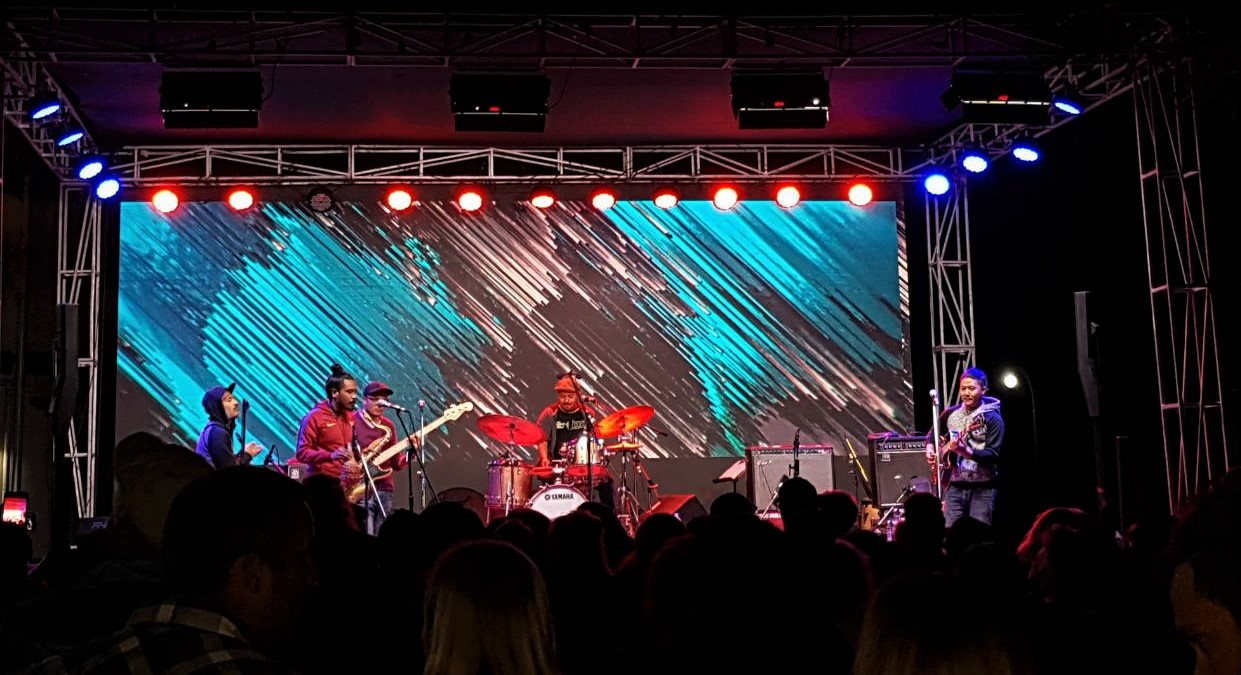
JAZZMANDU 2025 (09th -15th October 2025)
Musical event that has you tapping to its beat. Come join the celebration of Jazz Music in Kathmandu.
This is a six days international jazz music festival. The six days jazz jamboree has ensemble interesting combination of Nepali and International Artists.
Throughout 09th to 15th October 2025, the festival will see musical performances taking place in different venues around Kathmandu.
Along with the music you can explore the historical monuments, spiritual places and the mountains. Write to us for more details [email protected]
Essence of Tibet Tour
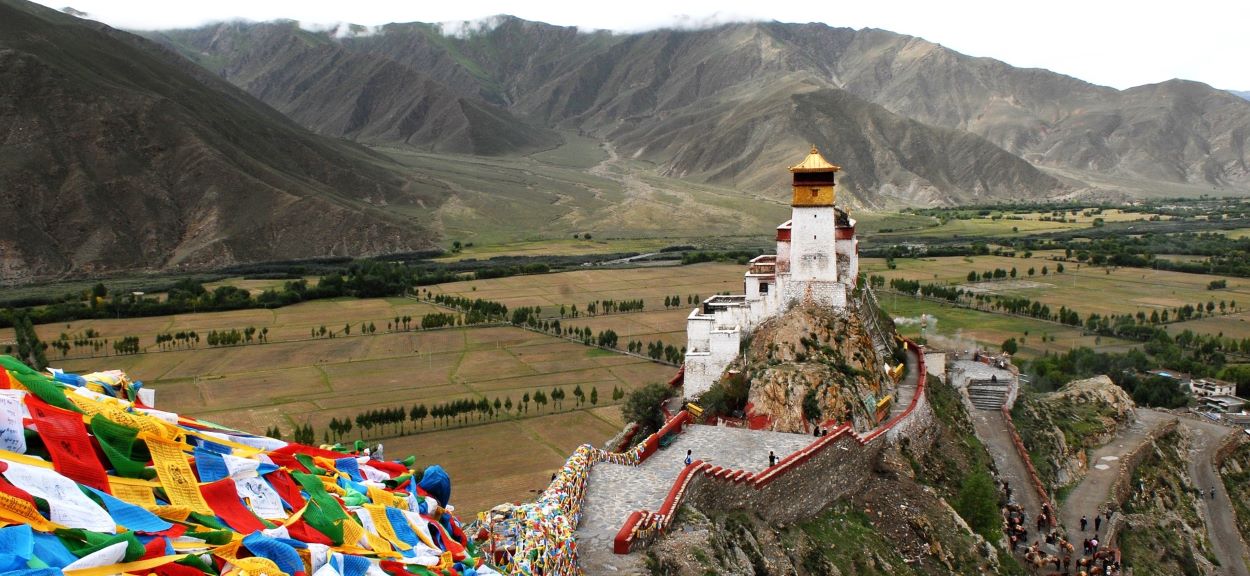
The Essence of Tibet Tour: A Pilgrimage to the Origins of Tibetan Society
The Essence of Tibet tour program offers a profound cultural immersion into the place of origin for Tibetan royalty, religious thought, and national identity.
Over the course of a nine-day expedition, travelers follow the path from Tibet’s birthplace, the Yarlung Valley, to the spiritual epicenter of Lhasa, eventually crossing high Himalayan passes to reach the storied communities of Gyantse and Xigatze.
Going further than conventional excursions that limit the focus to the capital, this journey encompasses the expansive narrative of the region. Every stop along the way, whether that’s the earliest Buddhist sanctums and royal strongholds or the majestic mountain glaciers and ancient merchant crossroads, unfolds a vital chapter in the Tibetan story.
By combining strategic elevation gain with premier local expertise and seamless permit management, this tour serves as a definitive introduction to the high plateau.
The Allure of Exploring the Essence of Tibet Tour
Traversing Central Tibet gives you the golden opportunity to experience the region through four essential lenses: its ancestral beginnings, its religious devotion, its commercial legacy, and its living spiritual heritage.
Together, these locations offer a comprehensive perspective on the Tibetan soul that no single city can encapsulate.
Yarlung Valley: The Ancient Cradle of the Tibetan People
Long before Lhasa ascended as the political heart of the plateau, the fertile Yarlung Valley served as the primary seat of power for the Tubo Kingdom. Recognized as the birthplace of the nation, this valley guards the legends of the first monarchs and the earliest monastic foundations. Commencing the expedition here offers critical historical insight and facilitates a more comfortable transition to the higher altitudes encountered later in the journey.
- Stand before Yumbulakhang, the first fortress and royal residence in Tibetan history.
- Witness the intricate artistry at Tradruk Monastery, among the oldest temples, and home to sacred relics.
- Examine the legacy of ancient rulers at the royal necropolis located in the Chongye Valley.
- Explore the sacred grounds of Samye Monastery, the very first Buddhist institution established in the region.
- Absorb the serene atmosphere of the Yarlung Tsangpo Valley, where the roots of this civilization first took hold.
Lhasa: The Sacred Center of Faith and Heritage
The narrative moves from the ancestral valley to Lhasa, a city that has served as the anchor of Tibetan identity for over a millennium. As the historic home of the Dalai Lamas and the pinnacle of the Buddhist world, Lhasa merges grand architectural feats with a living tapestry of pilgrimage and devotion. In this city, ancient rituals are not merely historical echoes but the heartbeat of contemporary daily life.
- Visit Dadong Village, a hidden cultural gem near Lhasa. Renowned for its well-preserved heritage, the village offers an authentic insight into traditional Tibetan customs, crafts, and rural life.
- Venture through the halls of the Potala Palace, an architectural wonder and the defining symbol of the plateau.
- Offer prayers at the Jokhang Temple, widely revered as the holiest site for all Tibetan Buddhists.
- Join the flow of devotees along Barkhor Street, a vibrant circuit of spiritual practice and traditional craftsmanship.
- Step into Tibet’s first modern museum, where over 2,500 artifacts offer a captivating journey through Tibetan culture, history, religion, and traditions
- Discover Norbulingka, the “Jeweled Garden” and former Summer Palace of the Dalai Lamas. This UNESCO World Heritage Site is renowned for its lush gardens, scenic ponds, historic pavilions, and peaceful atmosphere.
- Observe the dynamic philosophical exchanges at Sera Monastery, where the art of monastic debating is preserved.
Gyantse: A Gateway of Trade and Ancient Traditions
As you depart the capital, the overland journey reveals its own spectacular beauty. From the panoramic heights of the Khamba La Pass, the turquoise Yamdrok Lake comes into view, along with the rugged Karo La Glacier. Your destination is Gyantse, a town that flourished as a pivotal trade hub connecting Tibet to Nepal and India. The town today also remains a bastion of historic fortifications and spiritual art.
- Marvel at the sacred turquoise waters of Yamdrok Lake, a site of immense spiritual importance.
- Pause at the Karo La Glacier to see ancient ice fields reaching toward the plateau road.
- Explore Pelkor Chode Monastery, unique for its unified representation of various Buddhist schools.
- Ascend the multi-tiered Gyantse Kumbum, a masterpiece of stupa architecture and sacred iconography.
- Visit the Gyantse Dzong, a fortress that tells the story of the town’s strategic and defensive past.
Xigatze: The Spiritual Seat of the Panchen Lamas
The expedition concludes in Shigatse, the second city of the plateau and a critical center of religious life. As the traditional residence of the Panchen Lama, Xigatse provides a window into the spiritual diversity of the region and an authentic glimpse into the daily life of modern Tibetans. The city’s expansive monasteries and bustling markets create a resonant finale for your exploration of the region.
- Walk through Tashilhunpo Monastery, the monumental seat of the Panchen Lama.
- Browse local markets for regional crafts, artwork, and traditional Tibetan goods.
- Encounter the authentic rhythms of Tibetan life outside the primary capital.
- Deepen your knowledge of the Panchen Lama’s vital role within the Gelug school.
- Meander through historic districts where time-honored customs meet contemporary Tibetan society.
A Single Journey, Four Eras of the Tibetan Soul
The Essence of Tibet Tour is designed as more than a visit to four remarkable cities; being a chronological passage through the region’s soul.
The Yarlung Valley reveals the birth of the culture, Lhasa embodies its spiritual heart, Gyantse preserves its history of exchange, and Xigatze represents its enduring religious leadership. Linking these pillars are sacred waters, alpine glaciers, and some of the most awe-inspiring overland routes on the planet.
Whether this is your first arrival on the Roof of the World or you are returning to seeking a more profound connection, our itinerary provides a holistic view of the region’s history and landscape, serving as a prelude to the detailed day-by-day plan provided below.
Ready to Discover the Birthplace of Tibetan Civilization?
Let Far Out Nepal take care of the permits, planning, and logistics while you experience one of the world’s most extraordinary cultural journeys. Contact our travel specialists today to start planning your Central Tibet adventure →
Magical Bhutan Tour
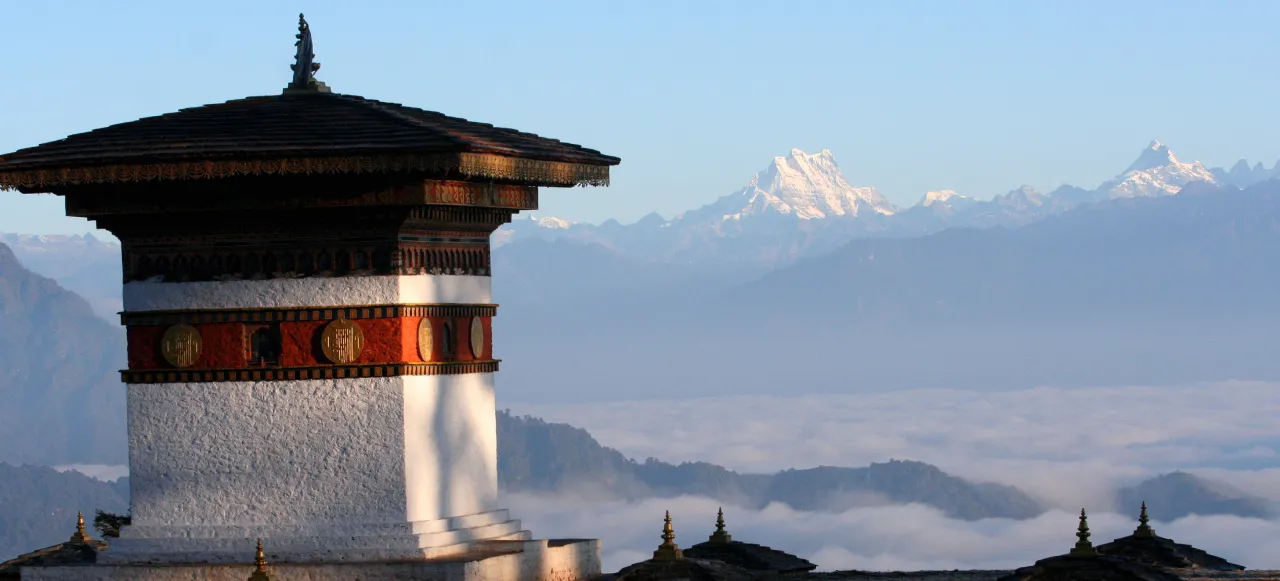
Overview of the Magical Bhutan Tour
The Magical Bhutan Tour is an immersive 10-day journey designed for travelers seeking a deeper experience beyond the standard western region of Bhutan. The tour extends to the central part of Bhutan, believed to be the magical region of saints and treasure-seekers.
It touches historical sites, ancient monasteries, traditional villages and farms, rich natural forest, and meaningful cultural encounters with the friendly locals.
Western Bhutan serves as the cultural gateway of the kingdom, home to historic dzongs, traditional Bhutanese life, and the country’s only international airport, located in Paro. This region blends heritage, spirituality, and modern Bhutanese identity through its monasteries, fortresses, and vibrant local culture.
On the other hand, Central Bhutan is a region said to be the first inhabited part of Bhutan. It is also the spiritual heartland of Bhutan, known for its sacred monasteries, ancient legends, and unspoiled landscapes. The region offers a deeper insight into Bhutanese Buddhism and the country’s rich cultural heritage.
With fewer people travelling, Central Bhutan offers more of the authentic Bhutan culture, nature, and serene atmosphere.
Tour Overview at a Glance
| Feature | Details |
| Route Overview | Paro → Thimphu → Punakha → Gangtey → Bumthang → Paro |
| Tour Type | Cultural, Spiritual & Scenic Bhutan Tour |
| Best For | Culture lovers, scenic travelers, spiritual & immersive Himalayan experience seekers |
| Activity Level | Easy to Moderate |
| Highest Elevation | 3,000m |
| Accommodation | Hotels & Traditional Bhutanese Lodges |
| Transportation | Private Vehicle Throughout the Tour |
| Start / End Point | Paro, Bhutan |
Key Destinations of the Magical Bhutan Tour
The Magical Bhutan Tour encompasses the following beautiful destinations, which highlight the best of what the kingdom has to offer:
Paro (2,266 m)
Paro Valley is one of the most scenic and fertile valleys in Bhutan. It stretches from Chuzom to the slopes of Mount Jomolhari near the Tibetan border. Known for its traditional farmhouses, monasteries, and riverside landscapes, Paro is also home to the iconic Tiger’s Nest Monastery (Taktsang), one of Bhutan’s most sacred pilgrimage sites.
Thimphu (2,248 m)
Thimphu, the capital of Bhutan, is the country’s cultural and political center and home to the Royal Family. The city blends modern Bhutanese life with ancient traditions through monasteries, museums, markets, and spiritual landmarks. Northern Thimphu also borders Jigme Dorji National Park, which offers glimpses of Bhutan’s rich biodiversity.
Punakha Valley (1,242 m)
The former capital of Bhutan, Punakha, is known for its river valleys, traditional villages, and the magnificent Punakha Dzong. The dzong is located at the confluence of the Pho Chhu and Mo Chhu rivers. With its warmer climate and fertile landscapes, Punakha offers a different perspective of Bhutanese culture and rural life.
Gangtey (Phobjikha Valley)
Phobjikha Valley is a peaceful glacial valley on the edge of the Black Mountains and one of Bhutan’s most important conservation areas. Famous for the migration of endangered black-necked cranes during winter, Gangtey is also known for its open landscapes, quiet atmosphere, and preserved traditional lifestyle.
Bumthang Valley
Widely regarded as the spiritual heartland of Bhutan, Bumthang is home to some of the country’s oldest monasteries, sacred temples, and important Buddhist legends. Spread across a series of lush valleys between 2,600 and 4,500 meters, Bumthang offers a deeper cultural and spiritual experience beyond Bhutan’s main tourist circuit.
Why choose Far Out Nepal’s Magical Bhutan Tour
The Magical Bhutan tour package is ideal for those who are looking to spend more time in Bhutan. This journey is designed to offer a slower, more immersive experience through both Western and Central Bhutan, to help you experience Bhutan beyond surface-level sightseeing.
- Designed for cultural immersion, not rushed sightseeing: The tour is intentionally paced to give you time to experience monasteries, villages, landscapes, and local life without constantly moving between destinations.
- Includes Bhutan’s most iconic spiritual and natural experiences: From hiking to Tiger’s Nest Monastery to exploring the peaceful Phobjikha Valley and sacred monasteries of Bumthang, the journey combines Bhutan’s major highlights with deeper cultural experiences.
- Carefully structured 10-day itinerary with logical travel pacing: The trip is designed to gradually transition from Bhutan’s cultural centers to its spiritual valleys, creating a smoother and more rewarding travel experience across different regions of the country.
- Experience Bhutan beyond the standard tourist circuit: Regions like Gangtey and Bumthang offer a more authentic side of Bhutan, where traditions remain deeply preserved, and tourism is less commercialized compared to the main valleys.
- A slower Himalayan travel experience with meaningful local interaction: Village walks, monastery visits, traditional Bhutanese hospitality, and optional cultural activities create opportunities for genuine connection with local life and traditions.
- Ideal for travelers seeking both comfort and depth: This Bhutan tour is suitable for travelers who want a well-organized small-groups experience that combines cultural insight, scenic beauty, spiritual exploration, and comfortable travel pacing in one itinerary.
- Led by experienced Himalayan travel specialists, the tour is operated with regional expertise and local coordination. This ensures smooth logistics, cultural insight, and a more meaningful Bhutan travel experience from arrival to departure.