


Best Time to Visit Bhutan: A Month-by-Month Weather, Festivals & Travel Guide
Thinking about when to visit Bhutan
October and November are Bhutan’s most-praised travel months for many good reasons. The skies are sharp, Himalayan views are unobstructed, and the kingdom feels alive after the festival season. But they are not the only answer.
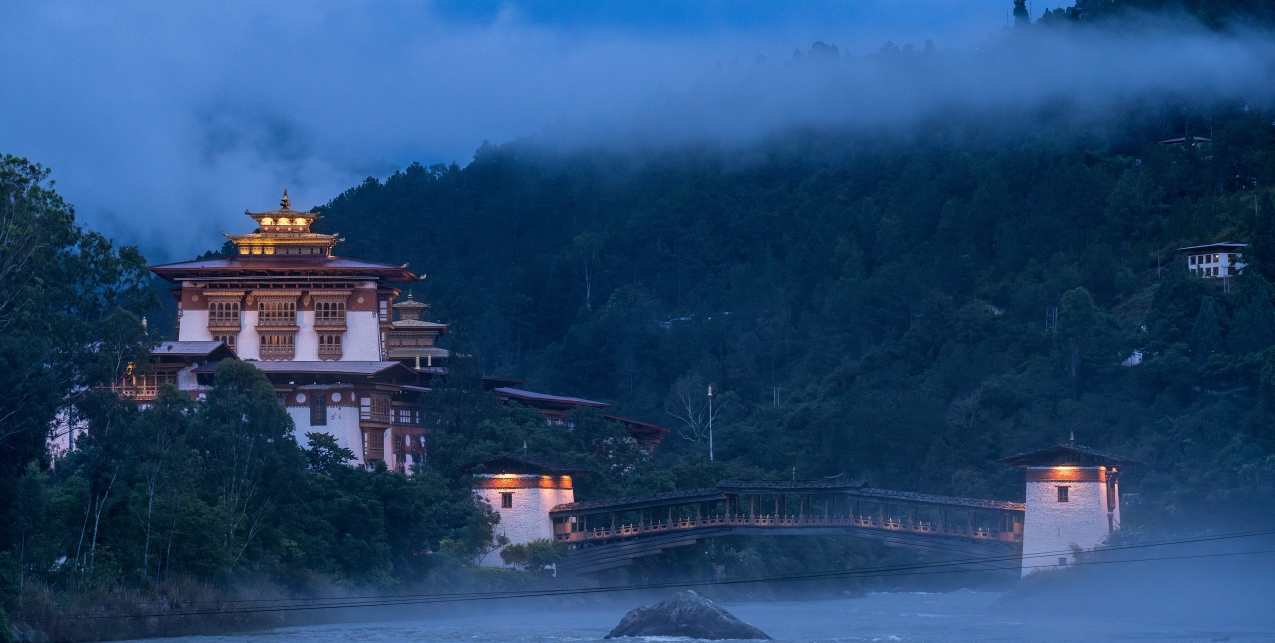
Spring brings rhododendron valleys and Bhutan’s most celebrated festivals. Late November offers that same October clarity at noticeably lower prices. And as for winter, it’s far from being a season to skip, reveals a quieter, warmer Bhutan, particularly in the subtropical Punakha valley.
What follows is not a weather report. It’s a decision guide that is built to help you match the right season to your travel style, budget, and what you most want to see. Bhutan is one of the world’s more considered travel investments. Getting the timing right matters.
Quick Answer: When Is the Best Time to Visit Bhutan?
Not all travellers come to Bhutan for the same reason, and the best month depends entirely on what you’re there for. The following table can help you find your match at a glance, and then you can read the seasonal sections for the full picture.
| Travel Goal | Best Time to Visit Bhutan |
| Clear Himalayan views | October – November |
| Festival immersion | March–April & September |
| Lowest travel costs | January – February |
| Trekking | March–May & October |
| Photography | Late November |
| Lush green landscapes | July – August |
| Family travel | April & October |
| Nepal + Bhutan combined | October – November |
| Honeymoon | March–April or October |
| Luxury travel | October – November |
| Budget-conscious travel | December – February |
No single month wins for everyone. The sections below break down exactly what each season delivers, and what it costs you.
The Four Travel Seasons of Bhutan
Before diving into months and regions, it helps to understand how dramatically Bhutan’s seasons differ, not just in weather, but in experience, crowd levels, and value.
| Season | Weather | Mountain Visibility | Crowd Level | Relative Cost | Best For |
| Spring (Mar–May) | Mild, warming. 10–20°C valleys | Good to Very Good | Moderate–High | Moderate | Festivals, trekking, rhododendrons |
| Summer/Monsoon (Jun–Aug) | Warm, humid. Afternoon rains | Low in the east, better in the west | Low | Low–Moderate | Slow travel, green scenery, and budget |
| Autumn (Sep–Nov) | Crisp, clear. 10–22°C valleys | Excellent | High (Oct peak) | High (Oct peak) | First-timers, photography, trekking |
| Winter (Dec–Feb) | Cold to very cold. –5–12°C | Good (clear days) | Low | Low–Moderate | Punakha, festivals, budget travel |
Each season has its own genuine case and tradeoff. You can explore the following section for a deeper understanding.
Spring Season in Bhutan (March – May): Festivals, Flowers & Trekking
Spring is Bhutan at its most theatrical. Rhododendron forests, which Bhutan has over 46 species, bloom across mountain slopes from mid-March into April. These forests paint the valleys in red, pink, and white. The weather is also reliably mild in the lower valleys, trekking trails are open and well-conditioned, and the kingdom’s two most-attended festivals anchor the calendar.
Paro Tshechu: Held in March or April, depending on the lunar calendar, draws Bhutanese from across the country. The festival fills Paro with colour, devotion, and masked dance performances that have remained largely unchanged for centuries. Punakha Drubchen in February/March recreates a 17th-century battle victory and is one of Bhutan’s most visually dramatic religious events.
Spring tradeoff: Visibility is good, but rarely as sharp as late autumn. April is also very popular. So, book accommodation and guided itineraries well in advance.
Best spring itinerary: Paro → Punakha → Thimphu, timed around Paro Tshechu. This is Bhutan’s most popular cultural journey and works beautifully in April.
Monsoon Season in Bhutan (June – August): The Underrated Window
Most travel guides tell you to avoid the monsoon. That advice is incomplete. The honest picture is more nuanced, and for the right traveller, June through August offers something genuinely distinct.
Western Bhutan (Paro, Thimphu, and Punakha) receives significantly less rainfall than forecasts suggest. Valley travel remains practical on most days. Landscapes turn an intense, saturated green that photographs beautifully. Crowds thin almost entirely. Prices drop. The kingdom feels more like itself.
The scenery would be something like: Prayer flags in morning mist. Rice paddies are bright green against ancient fortress walls. Monasteries visited in near-solitude.
For slow travellers and atmospheric photographers, monsoon Bhutan has real appeal.
The genuine monsoon concern is eastern Bhutan. Road conditions can deteriorate significantly between June and August, and multi-day eastern circuits carry real logistical risk. If your itinerary stays in the west, the picture changes considerably.
Monsoon tradeoff: Trekking above 3,000m is inadvisable. Mountain views are frequently obscured. Eastern Bhutan road travel is unreliable. But for a western valley cultural journey or for travellers who want Bhutan without the crowds, the monsoon delivers a legitimate experience that many people undersell.
Autumn Season in Bhutan (September – November): The Peak Season
Autumn is when Bhutan performs. The monsoon clears, skies stabilise, and the Himalayas come into full, unobstructed view. September sees the transition of the skies improving slowly week by week. October arrives crisp and brilliant. November extends that clarity with a notable drop in crowd pressure and prices as the month deepens.
Thimphu Tshechu falls in September or October, drawing large crowds to the capital for three days of mask dances, religious ceremonies, and the unfurling of a giant thangka. For first-time visitors, the autumn arc of Paro → Thimphu → Punakha in October is the single most reliable introduction to Bhutan.
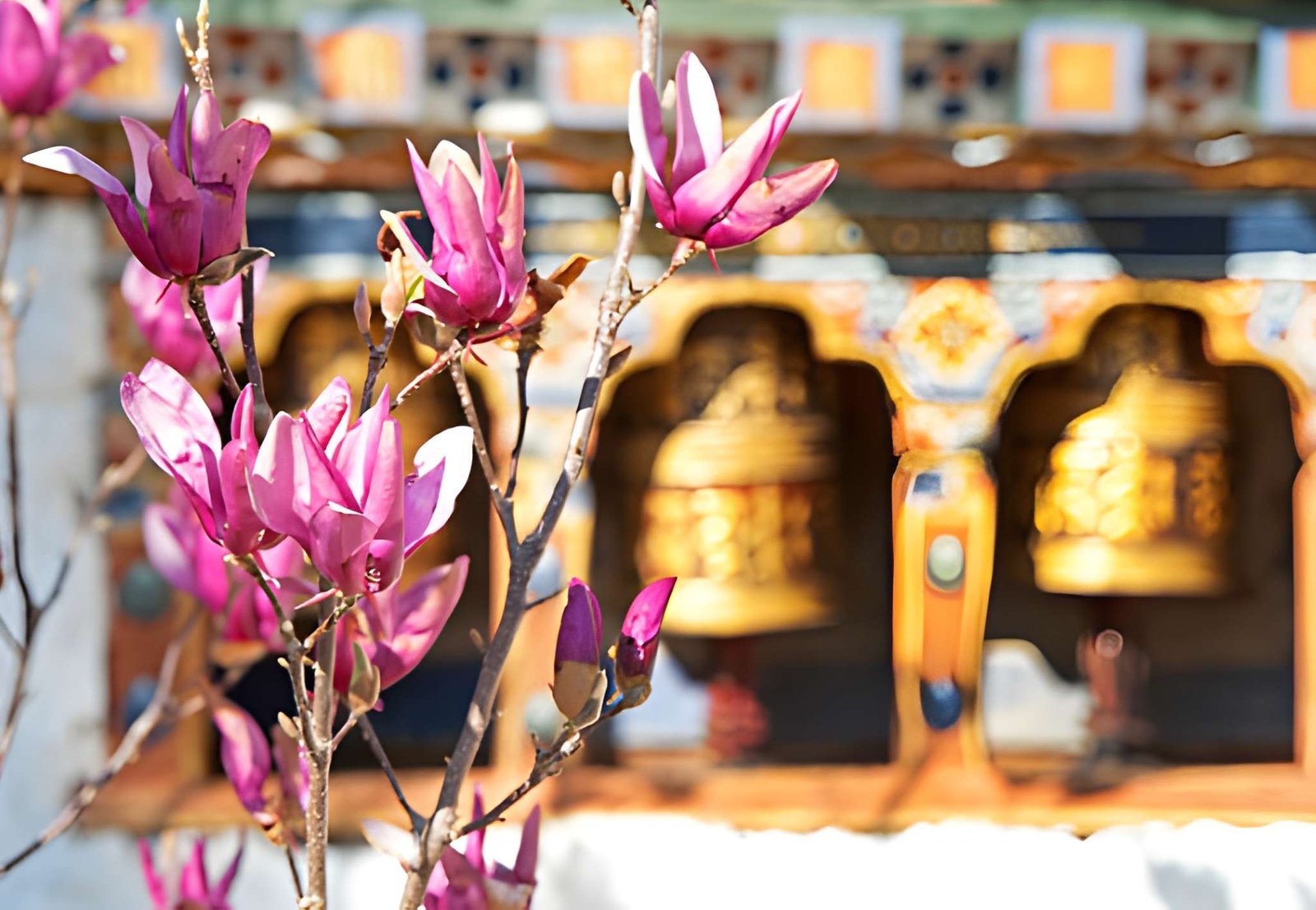
Autumn tradeoff: October is Bhutan’s most expensive and most crowded month. Premium lodges book out months in advance. If your dates are flexible, late November delivers nearly identical sky quality with noticeably less pressure on both logistics and budget.
Why Late November Is Bhutan’s Hidden Sweet Spot
Late November deserves its own mention because very few properly address it, and it may be the most strategically undervalued window in the Bhutan travel calendar.
By mid-to-late November, the festival crowds have dispersed, October premium pricing softens, and visibility remains excellent, often matching or exceeding early October conditions. The Himalayas are still fully clear. Tiger’s Nest trail conditions are ideal. Temperatures are cool but entirely manageable in the lower valleys.
In Phobjikha Valley, the black-necked cranes have arrived from Tibet. This is one of Bhutan’s most distinctive wildlife experiences, and is celebrated with the Black-Necked Crane Festival in mid-November. This event is rarely mentioned, yet it’s one of the most memorable things the country offers in any season.
Late November verdict: Clear skies. Reduced crowds. Softer prices. Cranes in Phobjikha. If you have flexibility in your travel dates and October feels too busy or expensive, late November is the answer.
Winter Season in Bhutan (December – February): Cold, Quiet & Underestimated
Winter has a reputation problem in Bhutan travel content. The blanket advice saying “avoid it” ignores a more accurate picture: winter Bhutan varies enormously by region.
Bumthang at 2,800m in January is genuinely cold, and multi-day highland treks are off the table. But Punakha, sitting at just 1,200m in a subtropical valley, is mild and pleasant in December. January is also warm enough for light layers, and clear enough for beautiful photography of the Punakha Dzong against winter light. The jacaranda trees lining the valley bloom in late February, creating one of Bhutan’s most photographed natural spectacles.
Punakha Drubchen in February is one of Bhutan’s most compelling festivals. It is dramatic, atmospheric, and attended primarily by Bhutanese rather than international tour groups. It’s the kind of experience that feels genuinely unmediated.
Winter tradeoff: Mountain passes can close due to snow, limiting some itinerary options. Bumthang and eastern routes require flexibility. But for a Punakha-centred winter journey, the season is genuinely compelling and significantly underpriced.
Bhutan Weather by Region: Why Location Changes Everything
Bhutan is not one climate. Treating it as such is the single most common planning error. Altitude variation across Bhutan’s valleys is dramatic, and the temperature difference between regions in any given month can be 10°C or more. Here’s how the main destinations compare across seasons:
| Region | Altitude | Winter | Spring | Monsoon | Autumn | Standout Feature |
| Paro | 2,200m | Cold, clear | Ideal | Manageable | Excellent | Tiger’s Nest, autumn clarity |
| Thimphu | 2,320m | Cold, dry | Pleasant | Moderate rain | Excellent | Cultural festivals, city-based |
| Punakha | 1,200m | Warm & mild | Very warm | Humid | Warm & clear | Winter travel, jacaranda bloom |
| Bumthang | 2,800m+ | Cold–very cold | Cool | Chilly, wet | Crisp | Spiritual journeys, snow possible |
| Phobjikha | 2,900m | Very cold | Cool | Cool & wet | Mild | Black-necked cranes (November) |
The practical implication: a “bad month” for Bhutan overall can be an excellent month for a specific region. December is cold in Thimphu and very cold in Bumthang, but it’s genuinely pleasant in Punakha. Understanding this unlocks year-round travel options that generic guides completely miss.
Travelling to Bhutan Month-by-Month
Scroll through for a fast read on any month. High-interest periods, including October, November, March, and April, are covered in more depth in the seasonal sections above.
| Month | Weather | Visibility | Crowds | Festivals | Best For |
| January | Cold, dry, clear | Very Good | Very Low | — | Budget travel, Punakha |
| February | Cold, brightening | Good–Very Good | Low | Punakha Drubchen | Winter culture, fewer tourists |
| March | Warming, rhododendrons emerge | Good | Moderate | Paro Tshechu (some years) | Trekking starts, spring colour |
| April | Warm, peak bloom | Good | Moderate–High | Paro Tshechu, local festivals | First-timers, families, flowers |
| May | Warm, pre-monsoon | Moderate | Moderate | — | Late spring trekking |
| June | Monsoon begins | Lower | Low | — | Slow travel, green scenery |
| July | Peak monsoon | Low (east) | Very Low | — | Western valleys only |
| August | Monsoon, lush green | Variable | Low | — | Atmospheric photography, budget |
| September | Clearing skies | Improving | Moderate | Thimphu Tshechu | Transitional, festival seekers |
| October | Perfect, crisp | Excellent | Very High | Post-festival calm | First-timers, photographers, and luxury |
| November | Crisp, clear | Excellent–Best | Moderate (late Nov) | Black-Necked Crane Festival | Sweet spot: clarity + value |
| December | Cold, silent | Very Good | Low | — | Solitude, winter landscapes |
Festival dates shift annually with the Bhutanese lunar calendar. Always confirm exact dates with your operator before finalising travel plans.
Best Time to Visit Bhutan for Your Travel Style
The most useful question isn’t “when is Bhutan best?” It’s “when is Bhutan best for me?” The answer depends entirely on what you’re actually there for.
| Traveler Type | Best Time | Why |
| First-time visitor | October–November | Clear skies, stable weather, post-festival energy |
| Festival traveler | March–April & September | Paro Tshechu, Punakha Drubchen, Thimphu Tshechu |
| Trekker | March–May & October | Open passes, good trail conditions, reliable visibility |
| Photographer | Late November | Crystal clarity, golden light, low crowds, cranes in Phobjikha |
| Family | April & October | Comfortable temperatures, accessible trails, manageable schedules |
| Honeymoon | March–April or October | Flower valleys or golden autumn — both deeply romantic |
| Budget traveler | January–February | Lower costs, fewer crowds, still beautiful |
| Luxury traveler | October–November | Premium lodge availability, ideal conditions, curated experiences |
| Slow traveler | June–August | Monsoon intimacy, solitude, lush atmospheric beauty |
| Nepal + Bhutan combo | October–November | Both destinations peak simultaneously for mountain views |
If more than one row applies to you, the overlap usually points to a clear answer. October suits first-timers, photographers, and luxury travellers simultaneously. Late November works for photographers, slow travellers, and budget-conscious visitors at once.
Best Time for Nepal, Bhutan & Tibet Combined
For travellers combining destinations, like the Nepal + Bhutan pairing (one of the most popular Himalayan itineraries), autumn is the clear answer. October and November align near-perfectly across all three destinations.
Nepal in October offers post-monsoon clarity ideal for trekking to Annapurna or Everest Base Camp. Bhutan in October–November matches this precisely with crisp skies, festival energy in September/October, and the late-November sweet spot for those adding a Bhutan leg after Nepal.
Tibet’s travel season runs roughly from April through October. For a Tibet → Bhutan sequence, autumn works well if timed before late November, when high-altitude access can narrow.
The Bhutan + Sikkim combination follows a similar logic. Both destinations align well in spring (March–May) and equally well in autumn for a single eastern Himalayan journey.
Recommended Nepal + Bhutan sequence: Fly Kathmandu → trekking or cultural circuit in Nepal → fly to Paro → Paro, Thimphu, Punakha circuit → depart. October or November. Allow 12–16 days minimum for both destinations to breathe properly.
Is There a Bad Time to Visit Bhutan?
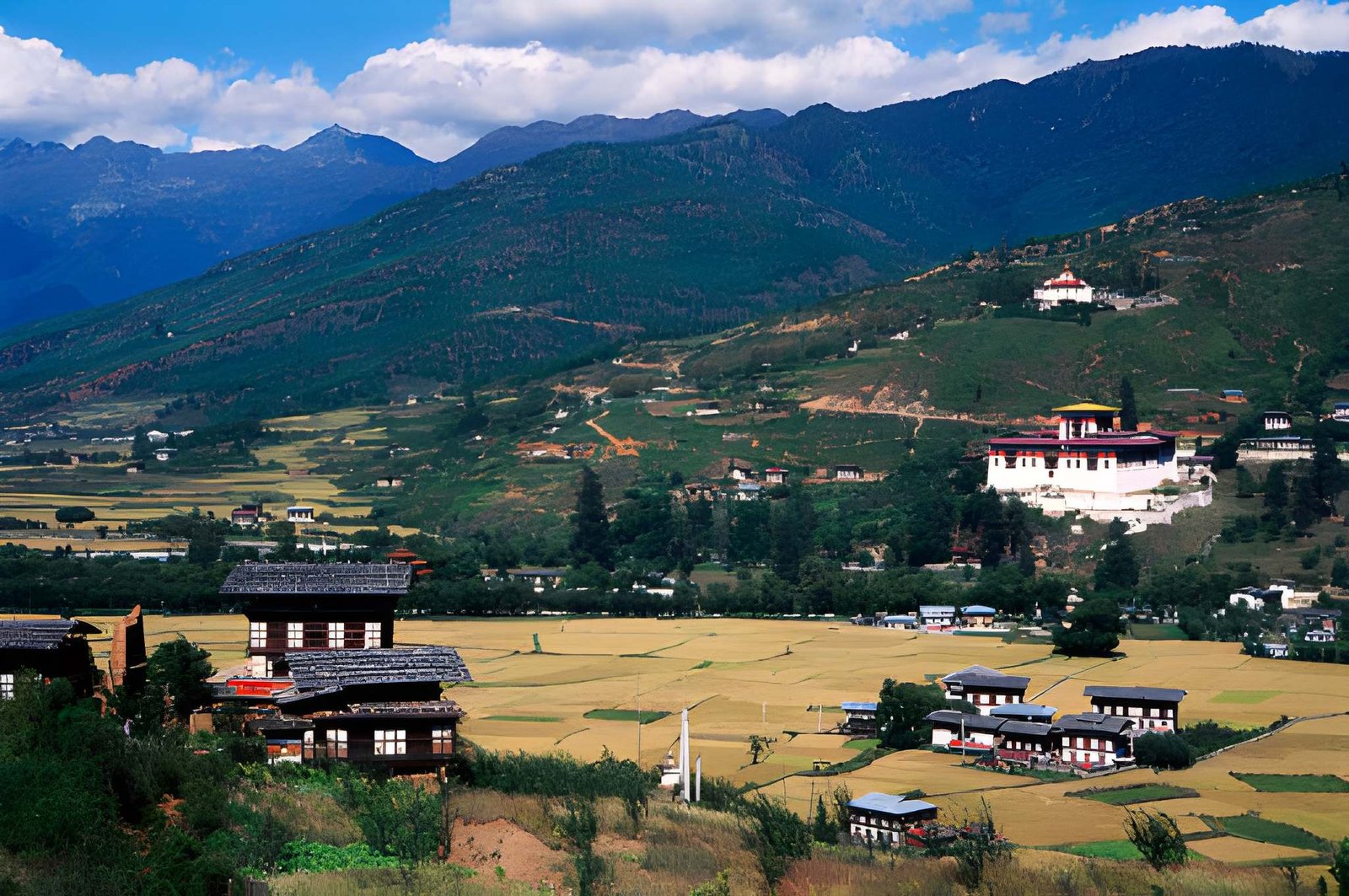
Bhutan is rewarding year-round, but that doesn’t mean every time is equally suitable for every traveller.
The genuine challenges by season:
- Eastern Bhutan in monsoon: Road conditions deteriorate significantly between June and August. Itineraries including Bumthang, Trashigang, or the Ura Valley carry real logistical risk in these months.
- Bumthang in deep winter: January temperatures at 2,800m are genuinely cold, and the highland experience is significantly limited. Unless you’re specifically seeking spiritual solitude in cold monastery surroundings, there are better windows.
- October festival weeks: Bhutan’s limited accommodation inventory means popular Tshechu dates can become stretched. Premium lodges in Paro book 6+ months out. If you’re set on October and haven’t planned early, expect constrained options and higher prices.
- Mountain passes in winter: Some passes connecting western and eastern Bhutan can close briefly due to snow. Winter itineraries need genuine flexibility built in.
Plan Your Bhutan Journey in the Right Season
Bhutan rewards thoughtful planning more than almost any other destination. The difference between a trip in October’s peak crowds and the same itinerary in late November (same clarity, quieter roads, and lower prices) is not small.
Equally, a traveller who arrives in April for Paro Tshechu and finds the rhododendrons in full bloom will have a profoundly different experience from someone who arrives in August expecting the same Bhutan.
The right time is the time that fits your actual priorities: what you want to see, how you prefer to travel, and how much flexibility you have. That’s a more useful question than “when is best” in the abstract.
Not sure which season suits your travel style? A well-planned Bhutan itinerary starts with timing, and Far Out Nepal can help you build the journey from there →
Frequently Asked Questions
When is the best time to visit Bhutan?
The best time to visit Bhutan is generally the Fall season (October to November), when the monsoon has cleared, skies are at their clearest, and Himalayan views are at their best. These months offer ideal conditions for sightseeing, photography, trekking, and visiting landmarks such as Tiger’s Nest Monastery. The season is also ideal for first-time visitors.
What is the best month to visit Bhutan?
October is widely considered the best month to visit Bhutan thanks to its stable weather, excellent mountain visibility, and vibrant cultural festivals, including Thimphu Tshechu. For travellers seeking similar conditions with fewer crowds, late November is also an excellent alternative, offering crisp weather, clear views, and a more relaxed travel experience.
Is spring or autumn better for visiting Bhutan?
It depends on the experience you’re looking for. Spring (March to May) is known for blooming rhododendrons, mild temperatures, and festivals such as Paro Tshechu. Autumn (September to November) offers the clearest Himalayan views, the best trekking conditions, and consistently dry weather. Spring is ideal for culture and nature, while autumn is generally the best all-around season for first-time visitors.
Can you visit Bhutan during the monsoon season?
While June to August brings frequent rainfall, Western Bhutan (Paro, Thimphu, and Punakha) remains accessible and lush. Expect fewer tourists, greener landscapes, and lower accommodation demand. Mountain views are less reliable, and occasional rain can affect travel plans, particularly in Eastern Bhutan, but the monsoon can still be rewarding for travellers who prioritise culture over long-distance views.
What is the cheapest time to visit Bhutan?
January and February are generally the most affordable months to visit Bhutan. Flights and accommodation often have better availability, and popular attractions are quieter. While temperatures are colder in higher-altitude areas such as Thimphu and Bumthang, valleys like Punakha remain relatively mild. Keep in mind that Bhutan’s Sustainable Development Fee (SDF) applies year-round regardless of the season.
When are Bhutan's major festivals?
Bhutan’s festival calendar follows the lunar calendar, so dates change each year. Some of the country’s best-known celebrations include Punakha Drubchen (February–March), Paro Tshechu (March–April), Thimphu Tshechu (September–October), and the Black-Necked Crane Festival in Phobjikha Valley during mid-November. If attending a festival is a priority, book well in advance once the annual dates are confirmed.
Is winter a good time for trekking in Bhutan?
Yes, but mainly for lower-altitude routes. Winter offers clear skies and pleasant daytime temperatures for hikes around Paro, Thimphu, and the warmer Punakha Valley. Higher-altitude treks, including sections of the Snowman Trek, may be affected by snow and freezing conditions, making spring and autumn better choices for longer Himalayan adventures.
What is the best time to visit Bhutan with family?
For most families, March to May offers the best balance of comfortable weather, scenic landscapes, and reliable road conditions. These seasons are ideal for visiting cultural attractions, exploring Paro and Thimphu, and enjoying shorter hikes such as Tiger’s Nest Monastery without the challenges of heavy rain or winter cold.
How far in advance should I book a Bhutan trip?
For travel during October, November, and major festivals, booking 4–6 months in advance is recommended, especially if you prefer premium accommodation. For spring or winter travel, 2–3 months is usually sufficient. Early booking also provides more flexibility when arranging flights, guides, and customised itineraries.
What is the best time to visit Nepal and Bhutan together?
October through mid-November is the ideal time to visit both Nepal and Bhutan on one trip. During this period, Nepal enjoys its peak trekking season with clear mountain views, while Bhutan experiences dry weather, excellent visibility, and colourful autumn festivals. This overlap makes it the best window for travellers planning a combined Himalayan itinerary.