
Destination: Nepal
Discover Nepal: A Land of Adventure, Culture, and Serenity
Nestled in the heart of the Himalayas, Nepal is more than just a paradise for trekkers and climbers—it is a land of ancient cultures, breathtaking landscapes, and warm hospitality. From towering snow-capped peaks to serene lakes and lush jungles teeming with wildlife, Nepal offers an unparalleled experience for every traveler.
Steeped in spiritual significance: Nepal is the birthplace of Lord Buddha, the apostle of peace and the Light of Asia. Here, Buddhism and Hinduism have coexisted in harmony for centuries, offering an abundance of sacred sites, from the grand stupas of Kathmandu to the revered Hindu temples along the banks of holy rivers.
A Cultural Gem
Kathmandu, the vibrant capital, is a treasure trove of history, art, and traditions. Wander through medieval palace squares, marvel at UNESCO-listed heritage sites, and immerse yourself in centuries-old rituals. Take part in the sacred kora around ancient stupas, listen to enchanting bhajans (devotional songs), and witness the mesmerizing evening Aarti at a revered Hindu temple.
A Wildlife Haven
Venture to southern Nepal, where the lush jungles of Chitwan National Park offer an unforgettable safari experience. Ride on elephant-back or take a jeep safari deep into the wilderness, where you might spot one-horned rhinoceroses, exotic bird species, and, if you’re lucky, the elusive Royal Bengal tiger.
An Adventurer’s Playground
For thrill-seekers, Nepal is the ultimate playground. Whether it’s hiking through scenic trails, conquering white-water rapids, mountain biking down rugged paths, soaring over Pokhara’s serene lakes while paragliding, or taking the ultimate leap with a bungee jump, the possibilities are endless.
Your Journey Begins Here
Nepal is a country that captivates the soul, where every visit leaves you longing for more. Join the Far Out team and embark on an unforgettable journey—one that blends adventure, culture, and tranquility into the perfect holiday experience.
Come explore, experience, and fall in love with Nepal!
Kathmandu Valley Tour
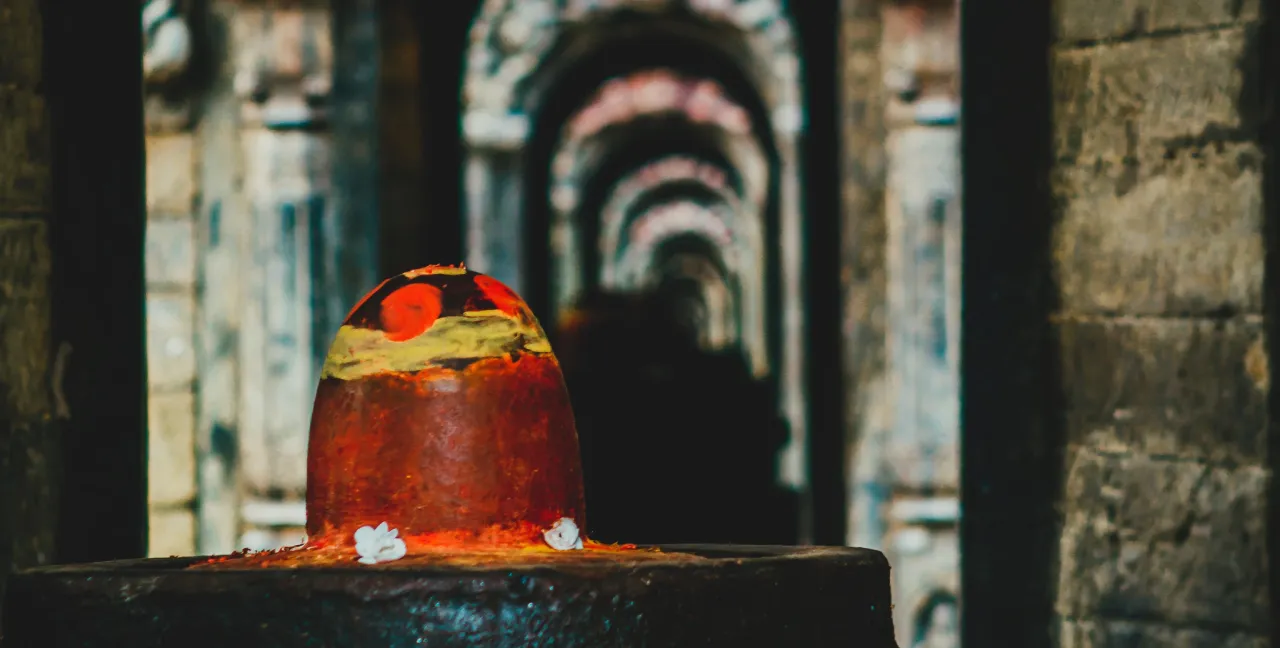
Kathmandu Valley Tour: Experience the Soul of Nepal
Nepal, home to the world’s highest mountains and one of Asia’s richest cultural landscapes, is a destination where spirituality, history, and everyday life exist side by side. At the heart of it all lies Kathmandu Valley, a place of sacred temples, ancient royal cities, living traditions, and stories that continue to shape Nepal today.
The Kathmandu Valley Tour is a 4-day cultural journey designed to introduce you to the essence of Nepal through its heritage, spirituality, local life, and Himalayan beauty. Kathmandu Valley remains the country’s cultural and spiritual center, shaped by over two thousand years of history, and was once regarded as the whole of Nepal.
This tour allows you to explore Nepal’s most celebrated UNESCO World Heritage Sites, from the hilltop serenity of Swayambhunath and the peaceful energy of Boudhanath to the sacred rituals of Pashupatinath Temple. Walk through the historic cities of Patan and Bhaktapur, where centuries-old palaces, temples, courtyards, and craftsmanship continue to define the valley’s identity.
Beyond its monuments, this journey offers moments of connection. Witness evening Arati (prayers) ceremonies, observe daily spiritual practices, experience local culture, and discover traditions that remain part of everyday life.
No journey through Nepal feels complete without experiencing the Himalayas. To complement the cultural experience, this tour includes a spectacular mountain flight with unforgettable views of Mt. Everest (8,848 m) and the Himalayan range.
Blending spirituality, culture, history, and mountain landscapes, the Kathmandu Valley Tour offers more than sightseeing and is an opportunity to experience the soul of Nepal.
Kathmandu: The Valley of Gods
A Place Where Spirituality Shapes Everyday Life
With more than two thousand years of recorded history, Kathmandu Valley has long been regarded as Nepal’s spiritual and cultural heart. According to local legend, the Bodhisattva Manjushri transformed the valley from an ancient lake into fertile land, creating the place that would later become the center of Nepalese civilization.
Often called the “Valley of Gods,” Kathmandu is a destination where spirituality is woven into everyday life. Sacred temples, shrines, stupas, monasteries, and hidden courtyards appear throughout the valley, creating an atmosphere unlike anywhere else in the Himalayas. Mornings begin with ringing prayer bells and drifting incense, while pilgrims and devotees quietly continue traditions that have endured for generations.
Religion here is not separated from daily life, but actively shapes it. Across the valley, Hindu and Buddhist traditions exist side by side, creating a unique cultural landscape where ancient beliefs remain active and visible. One of the most remarkable examples of this living heritage is the centuries-old tradition of the Kumari, Nepal’s Living Goddess, which continues to be practiced today.
A Living Museum of Heritage and Architecture
Kathmandu Valley is equally celebrated for its extraordinary architectural legacy. Historic royal squares, traditional settlements, and sacred monuments reflect centuries of artistic achievement and urban development under the Malla rulers. Intricately carved woodwork, detailed metal craftsmanship, hidden courtyards, and temple architecture reveal the enduring influence and skill of Newar artisans whose cultural contributions continue to define the valley.
Located at approximately 1,400 meters above sea level and surrounded by green hills, Kathmandu offers a fascinating contrast between historic heritage and modern city life. Despite rapid urban growth, much of its historic character and traditional urban fabric remains preserved, allowing visitors to experience a city where the past continues to live alongside the present.
As the cultural gateway to the Himalayas, Kathmandu also connects naturally with broader journeys through our Nepali mountains, Bhutan, Tibet, and India. This makes it an ideal starting point for discovering the wider Himalayan region.
The Kathmandu Valley Tour At A Glance
| Day | Destination | Experience | Accommodation / Meals | Altitude | Duration |
| Day 01 | Kathmandu Arrival | Arrival at Tribhuvan International Airport and transfer to your hotel. Meet your guide for a short orientation and enjoy an introductory exploration of Kathmandu to begin your journey into Nepal’s culture and atmosphere. | Hotel: Check-In after 1500hrs | 1,300 m | Approx. 20 min transfer |
| Day 02 | Sacred Kathmandu | Explore Swayambhunath, the iconic hilltop stupa closely connected to the origins of Kathmandu Valley. Continue to Patan Durbar Square to experience Nepal’s royal and artistic heritage before ending the day at Pashupatinath Temple, where you will witness the powerful evening Arati ceremony. | Hotel / Breakfast | 1,300 m | Approx. 7 hrs |
| Day 03 | Himalayas & Living Traditions | Begin with a scenic mountain flight for spectacular views of Mt. Everest and the Himalayan range. Later, visit Bhaktapur’s historic royal city before continuing to Boudhanath for cultural and spiritual experiences, including Buddhist traditions, kora, prayer wheel spinning, butter lamp offering, and interaction with local monastic culture. | Hotel / Breakfast | 1,300 m | Approx. 7 hrs |
| Day 04 | Departure | Free time depending on your flight schedule before transfer to the airport for your onward journey. Hotel checkout before 12:00 noon. | Breakfast | 1,300 m | Approx. 20 min transfer |
Langtang Ganja La Trek
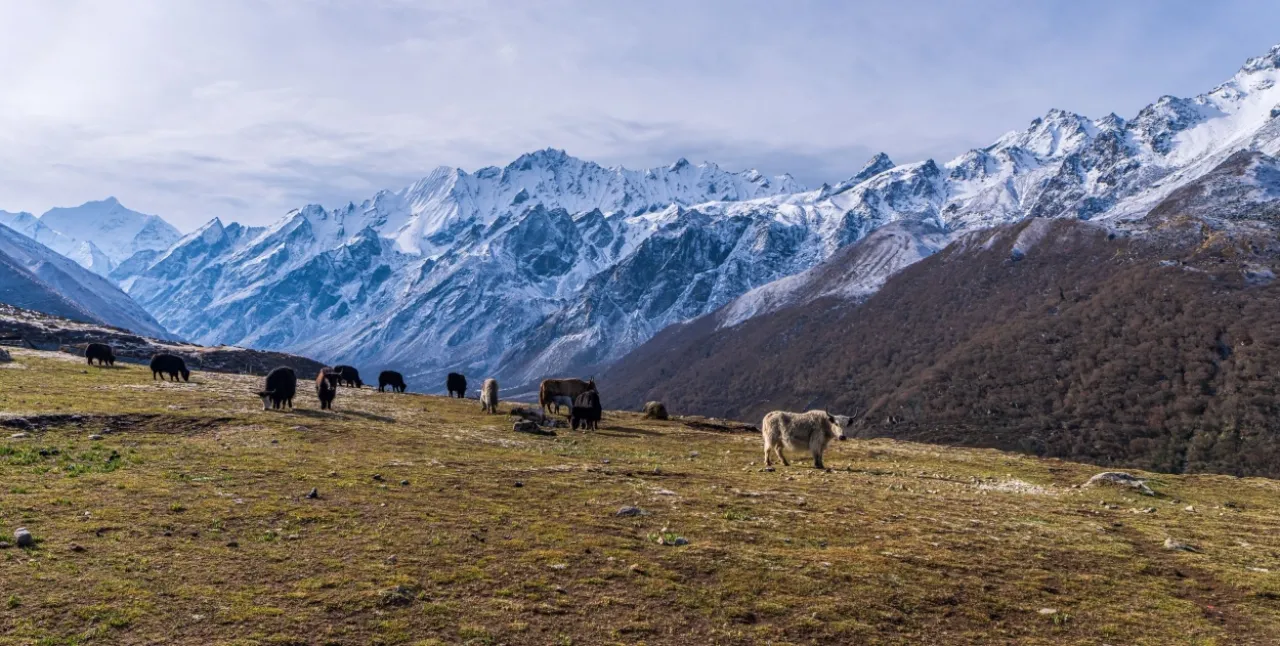
Go Beyond the Classic Langtang Valley Into Ganja La
The Langtang Ganja La Trek reimagines the classic Langtang experience by turning it into a complete Himalayan journey rather than an out-and-back valley trek. Instead of returning the same way after reaching Kyanjin Gompa, the route continues across Ganja La Pass and descends into the culturally rich Helambu region. This creates a more varied, immersive, and unique experience of the Langtang landscape.
The journey begins with a scenic drive to Syabrubesi and gradually climbs through forest trails, rivers, waterfalls, and traditional mountain settlements. As the trail enters Langtang Valley, the scenery opens dramatically into glacier-carved landscapes surrounded by snow-covered peaks and wide alpine terrain.
A key part of the experience is spending time at Kyanjin Gompa, one of the most important cultural and acclimatization points of the trek. Side hikes to viewpoints such as Tserko Ri (4,950m) help prepare for higher elevations while offering panoramic mountain views across the Langtang region.
Crossing Ganja La Pass (5,106m) is what sets this route apart. The transition from established teahouse trails into more remote mountain terrain creates a stronger sense of progression and adventure. After the crossing, the landscape gradually changes again as the route descends into Helambu, known for its monasteries, traditional villages, and mountain culture.
Ideal for trekkers who want to explore beyond the standard Langtang Valley route, the itinerary combines mountain villages, remote alpine terrain, high-altitude adventure, and changing cultural landscapes in one continuous journey.
Quick Planning Information
| Item | Details |
| Duration | 10–12 Days (depending on itinerary and acclimatization schedule) |
| Destination | Langtang Valley → Ganja La Pass → Helambu |
| Maximum Altitude | Ganja La Pass: 5,106 m (16,752 ft) |
| Highest Overnight Stay | Kyanjin Gompa: approx. 3,870 m (12,697 ft) |
| Difficulty | Moderate to Challenging |
| Trek Style | Teahouse Trek + Remote Camping Section |
| Starting Point | Syabrubesi |
| Ending Point | Tarkeghyang, Helambu |
| Transportation | Private Jeep / Tourist Vehicle from and to Kathmandu |
| Permit Required | Langtang National Park Entry Permit + TIMS (if applicable) |
| Group Type | Private Trips / Small Groups |
| Recommended Experience | Suitable for trekkers with good fitness and some multi-day trekking experience |
| Major Highlights | Kyanjin Gompa, Tserko Ri, Ganja La Pass, Langtang Valley, Helambu villages |
This trek is ideal for travelers looking for more than a standard valley trek. It combines classic Langtang scenery with a remote high-pass crossing and a quieter expedition-style experience through two distinct Himalayan regions.
How the Langtang Ganja La Trek Route Unfolds
The Langtang Ganja La Trek follows a point-to-point route that connects the classic Langtang Valley with the culturally rich Helambu region. The journey begins with a drive from Kathmandu to Syabrubesi, then gradually climbs through forests, rivers, and mountain villages before entering higher alpine terrain and crossing Ganja La Pass.
Typical Route Flow
Kathmandu → Syabrubesi → Lama Hotel → Langtang Village → Kyanjin Gompa → Tserko Ri (Acclimatization) → Ngegang → Ganja La Pass → Keldang → Tarkeghyang → Kathmandu
Route Progression Explained
The trek begins with a gradual ascent through forested trails and traditional settlements before opening into the wider landscapes of Langtang Valley. After reaching Kyanjin Gompa, trekkers spend time acclimatizing and exploring viewpoints such as Tserko Ri in preparation for the higher sections ahead.
Beyond Kyanjin, the route leaves the established teahouse trail and enters more remote mountain terrain toward Ngegang. Crossing Ganja La Pass marks the most demanding and rewarding stage of the journey, offering a dramatic transition from the alpine landscapes of Langtang into the quieter valleys of Helambu.
From here, the trail descends through mountain villages and Buddhist cultural landscapes before reaching Tarkeghyang and returning to Kathmandu, completing a route that links two distinct Himalayan regions in one trek.
| Langtang Valley | Langtang Ganja La | |
| Route Style | Out-and-back | Crossing Route |
| Highest Point | Tserko Ri | Ganja La Pass |
| Accommodation | Teahouse | Teahouse + Camping |
| Difficulty | Moderate | Moderate–Demanding |
| Experience | Valley-focused | Multi-region journey |
Crossing Ganja La Pass: What to Expect
Crossing Ganja La Pass is the defining experience of this trek and what separates it from the standard Langtang Valley route. Beyond Kyanjin Gompa, the trail leaves established teahouse sections behind and enters a quieter, more remote alpine environment before descending into Helambu.
From Kyanjin Gompa to Ngegang
After acclimatization around Kyanjin Gompa and side hikes such as Tserko Ri (4,950m), the route gradually climbs toward Ngegang, the final staging point before the pass. The landscape becomes more exposed, vegetation thins out, and overnight accommodation shifts from teahouses to tented camps.
Crossing Ganja La Pass
Pass day typically starts early to make use of more stable morning conditions. The climb involves sustained uphill walking across rocky and occasionally snow-covered terrain, depending on the season.
At 5,106 meters, the pass offers expansive views across the Langtang Himal, surrounding snow peaks, and the transition toward the Helambu side of the route. This is often the most physically demanding but also the most rewarding day of the trek.
Descending Into Helambu
After crossing the pass, the trail gradually descends into greener landscapes and eventually reconnects with villages in the Helambu region. The atmosphere shifts noticeably: from high alpine wilderness to traditional mountain settlements and Buddhist cultural landscapes.
Conditions and Guide Decisions
Conditions around Ganja La can vary depending on weather, visibility, and seasonal snow. Acclimatization days, flexible pacing, and guided decisions play an important role in making the crossing safe and enjoyable.
For many trekkers, crossing Ganja La Pass becomes the highlight of the journey. This is not simply because of the altitude, but also due to the sense of progression, remoteness, and transition it adds to the entire trek.
Everest Three Pass Trek
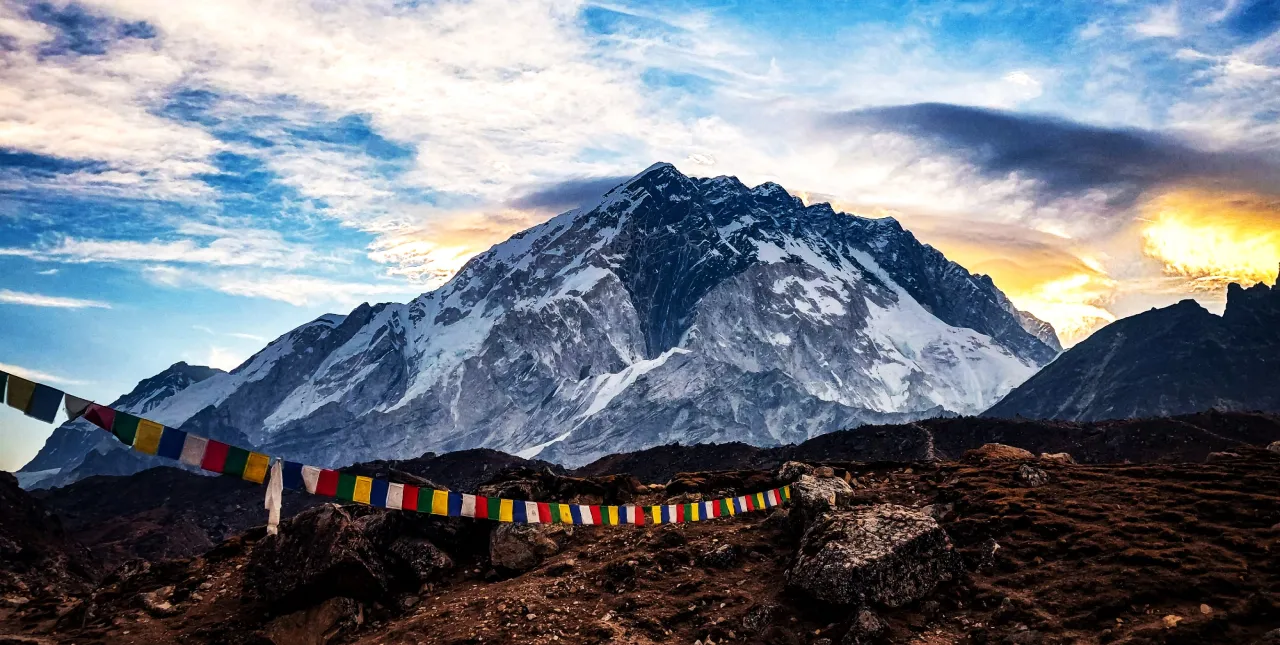
The Everest Three Pass Trek
The Everest Three Passes Trek is the most complete and challenging trekking circuit in the Everest region, combining Everest Base Camp, Gokyo Lakes, and three high-altitude Himalayan passes into a single continuous loop. It is designed for trekkers who want to go beyond the standard Everest Base Camp route and experience a more diverse, physically demanding, and immersive Himalayan journey.
Unlike traditional treks that follow and return the same way, this route forms a full circuit through the Khumbu region, crossing glaciers, high passes, and remote valleys while offering constant views of the world’s highest peaks, like Mount Everest (8,848m). It combines high-altitude adventure, cultural immersion, and technical endurance in one expedition.
Everest Three Passes Trek Route
The Everest Three Passes Trek follows a circular route through the Khumbu region, typically starting with a flight to Lukla and gradually ascending through major Sherpa settlements before entering high-altitude terrain and crossing three major Himalayan passes.
Typical Route Flow
Lukla → Phakding → Namche Bazaar → Dingboche → Chukhung → Kongma La Pass → Lobuche → Everest Base Camp → Kala Patthar → Dzongla → Cho La Pass → Gokyo Valley → Gokyo Ri → Renjo La Pass → Thame → Namche Bazaar → Lukla
Route Progression Explained
The trek begins with gradual acclimatization in Namche Bazaar before ascending toward Dingboche and Chukhung, with significant altitude exposure. From here, trekkers cross Kongma La Pass, the highest and most physically demanding of the three passes, before reaching Everest Base Camp and Kala Pather.
The route then continues toward the Gokyo Valley via Cho La Pass, which involves glacier crossings and more technical terrain. After exploring the Gokyo Lakes and climbing Gokyo Ri for panoramic views, the final challenge is Renjo La Pass, which offers one of the most scenic viewpoints in the entire Everest region.
From Thame, the route descends gradually back toward Namche Bazaar and eventually returns to Lukla, completing the full circuit.
Which Everest Pass Is the Hardest?
Each of the three high passes presents a different type of challenge, and understanding their difficulty helps set realistic expectations for the trek.
Kongma La Pass (5,535m): Physically the Hardest
Kongma La is the highest and most physically demanding pass on the route. It involves steep ascents, remote terrain, and limited facilities, making it a true endurance test at extreme altitude.
Cho La Pass (5,420m): Technically the Most Challenging
Cho La is considered the most technical section of the trek, often requiring crossing glacier sections and icy terrain. Conditions can become especially difficult after snowfall.
Renjo La Pass (5,360m): Long but Most Scenic
Renjo La is generally less technical but involves a long ascent and descent. It rewards trekkers with some of the most spectacular panoramic views of the entire Gokyo and Everest region.
Understanding the difficulty of each pass helps trekkers prepare mentally and physically for the varying challenges of the journey.
Everest Base Camp vs Everest Three Passes Trek
Many trekkers compare the Everest Three Passes Trek with the classic Everest Base Camp Trek when deciding which route to choose. While both share iconic highlights such as Everest Base Camp and Kala Patthar, the overall experience differs significantly in scope, difficulty, and terrain variety.
Comparison Overview
| Feature | Everest Three Passes Trek | Everest Base Camp Trek |
| Route Type | Full circuit loop | Out-and-back route |
| Everest Base Camp | Included | Included |
| Gokyo Lakes | Included | Not included |
| High Passes | 3 (Kongma La, Cho La, Renjo La) | None |
| Difficulty Level | Challenging | Moderate |
| Crowds | Less crowded | More crowded |
| Terrain Variety | Very high | Moderate |
Which One Should You Choose?
Choosing the right Everest trek depends on your experience, fitness level, and sense of adventure. Since most Everest trekking routes reach high elevations, good physical fitness and proper acclimatization are essential.
The Everest Base Camp Trek is the classic choice for trekkers seeking an unforgettable Himalayan experience. While it involves challenges related to altitude and rugged terrain, the route is straightforward and reaches Everest Base Camp and Kala Patthar (5,545m) within approximately 13–14 days.
The Everest Three Passes Trek is a more demanding adventure, crossing three high mountain passes above 5,345m. With longer trekking days and a duration of around 17 days, it is best suited for experienced trekkers looking for a greater challenge. This spectacular circuit combines the highlights of Everest Base Camp and the stunning Gokyo Valley, offering a more comprehensive and rewarding Everest experience.
In short: Choose the Everest Base Camp Trek for a classic Everest journey, or the Everest Three Passes Trek for a more challenging and diverse Himalayan adventure.
Key Trekking Challenges to Consider
- Physical Difficulty: Long trekking days over steep ascents and descents, often on rocky and uneven terrain
- Altitude Difficulty: Multiple crossings above 5,000m, increasing the risk of altitude sickness without proper acclimatization
- Technical Difficulty: Non-technical trekking, but includes glacier crossings and snow-covered passes such as Cho La
- Mental Fatigue: Extended duration and repetitive high-altitude effort can be mentally demanding
- Experience Requirement: Best suited for trekkers with prior multi-day high-altitude trekking experience.
Nepal Bhutan Tibet Tour
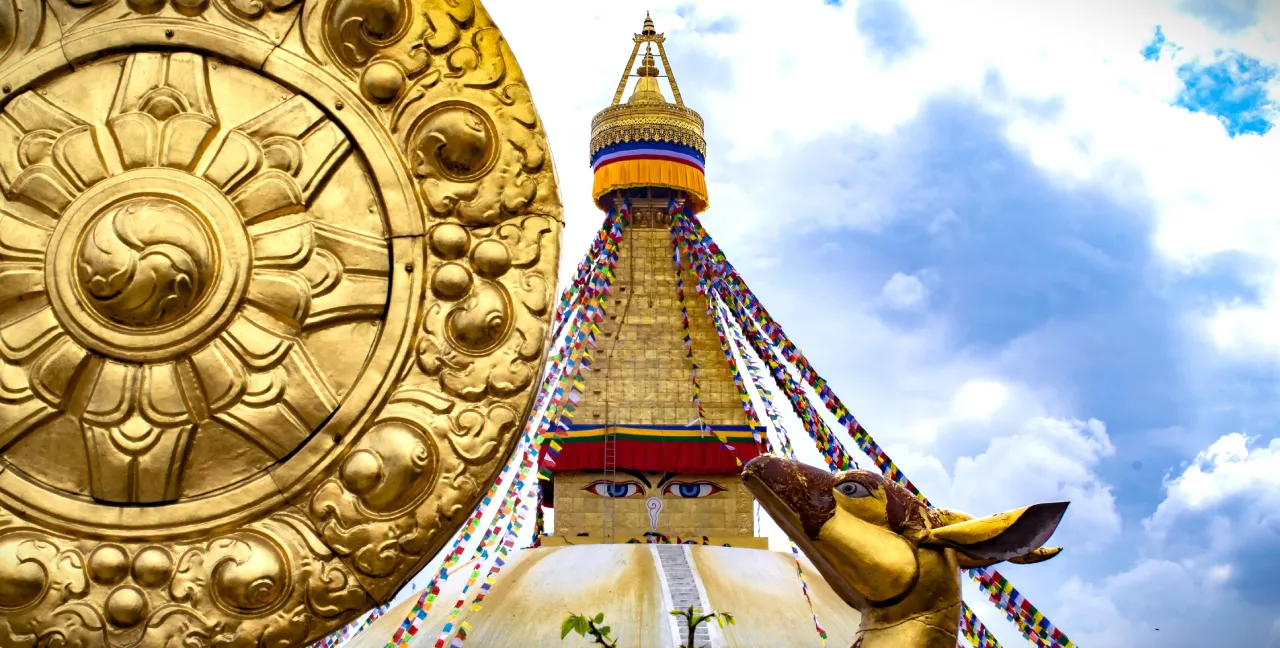
Nepal Bhutan Tibet Tour | Journey Across the Sacred Himalayas
Experience the cultural and spiritual heart of the Himalayas through Nepal, Bhutan, and Tibet on one seamless Himalayan journey through ancient cities, sacred monasteries, dramatic mountain landscapes, and living Buddhist traditions.
Few journeys in the world combine the cultural diversity, spiritual depth, and dramatic landscapes of the Himalayas as seamlessly as our Nepal Tibet Bhutan tour. This tour is designed for travelers seeking more than a standard holiday. It is a carefully paced Himalayan cultural journey connecting three distinct regions shaped by centuries of Buddhism, pilgrimage routes, mountain civilizations, and spiritual heritage.
From the living heritage of Kathmandu to the monastery valleys of Paro and the spiritual atmosphere of Lhasa, this multi-country Himalayan experience combines cultural exploration, breathtaking scenery, spiritual discovery, and meaningful travel experiences into one unforgettable expedition.
Although these destinations share ancient Buddhist traditions and Himalayan geography, each offers a completely different atmosphere and travel experience. Together, these destinations create far more than a multi-country itinerary. They form a connected Himalayan cultural journey shaped by religion, geography, trade routes, monasteries, and centuries of mountain heritage.
Quick Expedition Snapshot
| Category | Details |
| Total Duration | 16 Days |
| Tour Style | Cultural, Spiritual & Himalayan Expedition |
| Highest Elevation | Approx. 4,750 meters |
| Activity Level | Easy to Moderate |
| Accommodation | Standard to Luxury Options Available |
| Transportation | Scenic Himalayan Flights & Private Ground Transport |
| Best Seasons | Spring & Autumn |
| Ideal For | Cultural Travelers, Spiritual Seekers & Himalayan Explorers |
| Permit Requirement | Tibet Travel Permit & Group Visa Required |
Why Combine Nepal, Bhutan & Tibet in One Journey?
A Nepal Bhutan Tibet tour offers a rare opportunity to experience three distinct Himalayan cultures within a single carefully planned expedition.
Nepal: The Cultural Gateway to the Himalayas
Nepal introduces travelers to the spiritual and cultural foundations of the Himalayan world. UNESCO enlisted ancient temples, Buddhist stupas, medieval cities, and vibrant local life make Nepal one of the richest cultural destinations in South Asia. Lonely Planet has listed Nepal as one of the top 10 travel destinations, making it a must-visit. While waiting for your visa for Tibet, travelers can explore:
- UNESCO World Heritage Sites in Kathmandu Valley
- Buddhist pilgrimage sites and monasteries
- Traditional markets and local culture
- Himalayan scenery and mountain flights
- Hindu-Buddhist cultural coexistence
Bhutan: The Last Himalayan Buddhist Kingdom
Bhutan offers a slower and more immersive cultural experience centered around Buddhist philosophy, monastery life, and environmental preservation. Unlike many destinations in Asia, Bhutan carefully manages tourism to preserve its traditions, landscapes, and cultural identity.
Highlights include:
- Traditional dzongs and monasteries
- Peaceful Scenic Himalayan valleys
- Bhutanese Buddhist traditions
- Hiking to Tiger’s Nest Monastery
- Carbon-neutral nation
- Gross National Happiness philosophy
Tibet: The Spiritual Heart of the Tibetan Plateau
Tibet adds a completely different dimension to the journey with its dramatic landscapes, ancient monasteries, and deeply rooted Tibetan Buddhist heritage. Traveling through Tibet provides insight into one of the world’s most unique high-altitude civilizations.
Highlights include:
- Potala Palace and Jokhang Temple
- Barkhor Street, a lively market and pilgrim circuit
- Monk Debates at a famous Gelugpa monastery
- Yamdrok Tso (Turquoise Lake), a sacred lake with a backdrop of snow-capped mountains
- Himalayan plateau landscapes
- Tashilhunpo Monastery at Xigatse, a spiritual and architectural wonder
- Tibetan culture and architecture
- High-altitude Himalayan scenery
Plan Your Nepal Bhutan Tibet Tour With Far Out Nepal
Our Nepal Tibet Bhutan tour offers one of the most rewarding cultural journeys in the Himalayas, combining ancient Buddhist traditions, sacred monasteries, dramatic mountain landscapes, and deeply rooted Himalayan heritage into one unforgettable experience.
Whether you are drawn by spiritual exploration, Buddhist heritage, cultural discovery, photography, history, or immersive travel experiences beyond traditional sightseeing, this journey through Nepal, Bhutan, and Tibet offers a rare opportunity to experience three distinct Himalayan worlds in a single carefully crafted expedition.
Kathmandu Day Tour
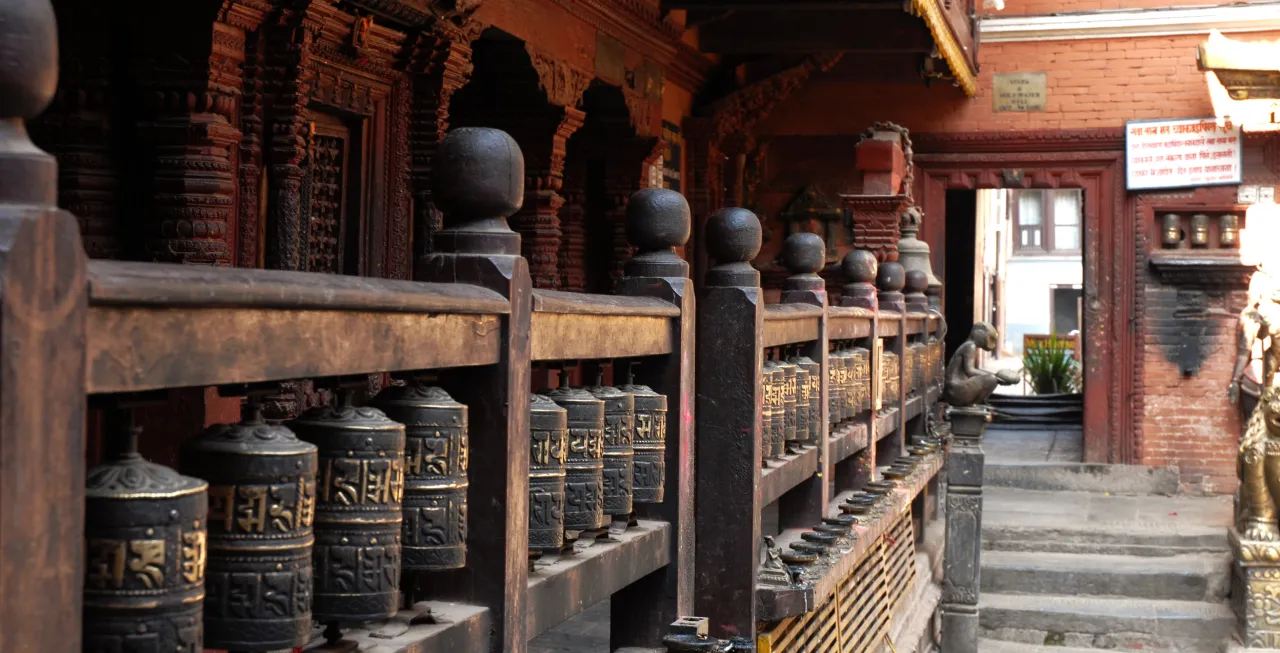
Overview of the Kathmandu Day Tour
Nepal, home to the world’s highest peak, Mount Everest, is a destination where dramatic Himalayan landscapes meet centuries-old spiritual traditions. Deeply influenced by the secularism of religions, the country offers a unique cultural fabric expressed through sacred temples, monasteries, and living heritage sites.
This Kathmandu day tour centers on the historic Kathmandu Valley. It’s the cultural and spiritual heart of Nepal for over 2,000 years. Once considered the entirety of the nation, the valley today stands as a living museum of art, architecture, and tradition. From ancient stupas to royal courtyards, this tour provides a comprehensive introduction to Kathmandu’s most iconic landmarks and cultural experiences, all within a single, efficiently planned day.
Quick Snapshot
- Duration: 6–8 hours
- Tour Type: Private guided tour
- Best For: First-time visitors to Nepal
- Pace: Relaxed & well-paced experience
- Guide: Licensed English-speaking local expert
- Pickup & Drop: Hotel pickup & drop-off included
- Entrance Fees: Included
- Customization: Flexible itinerary based on your interests
- UNESCO Sites: Multiple heritage sites included
- Key Stops: Swayambhunath Stupa, Patan Durbar Square, Pashupatinath Temple
Kathmandu: The Heart of Nepal
Located at an elevation of around 1,300 meters, Kathmandu is more than just Nepal’s capital. It’s also considered the cultural and spiritual core of the nation. According to legend, the entire Kathmandu Valley was once a vast lake, which was drained by the Buddhist saint Manjushree to create fertile land for human settlement. Over centuries, this valley evolved into a thriving center of art, architecture, and devotion.
Today, Kathmandu is a place where ancient traditions and modern life exist side by side. Often referred to as the “Playground of the Gods,” the valley is home to countless temples, shrines, and historic courtyards. Influenced deeply by the culture and traditions representing the nation, the city offers a rare spiritual atmosphere. This is an atmosphere that you don’t just see, but feel as you move through its vibrant streets, sacred sites, and bustling marketplaces.
Why Choose Far Out’s Kathmandu Day Tour
This isn’t just another sightseeing itinerary, but a thoughtfully designed experience that helps you understand Kathmandu beyond its landmarks. In a city filled with history and symbolism, how you explore matters just as much as what you see. This Kathmandu day tour is built to give you a deeper, more meaningful connection to the places you visit, while keeping the journey smooth, flexible, and engaging.
- Perfectly balanced itinerary that covers major highlights without feeling rushed or overwhelming
- More than sightseeing, but cultural storytelling that brings temples, rituals, and history to life
- Explore both Hindu and Buddhist heritage, offering a complete spiritual perspective of the valley.
- Flexible pace and customizable flow, allowing adjustments based on your interests and energy
- Led by a local expert guide, providing insider knowledge, hidden details, and authentic context
Annapurna Base Camp Trek
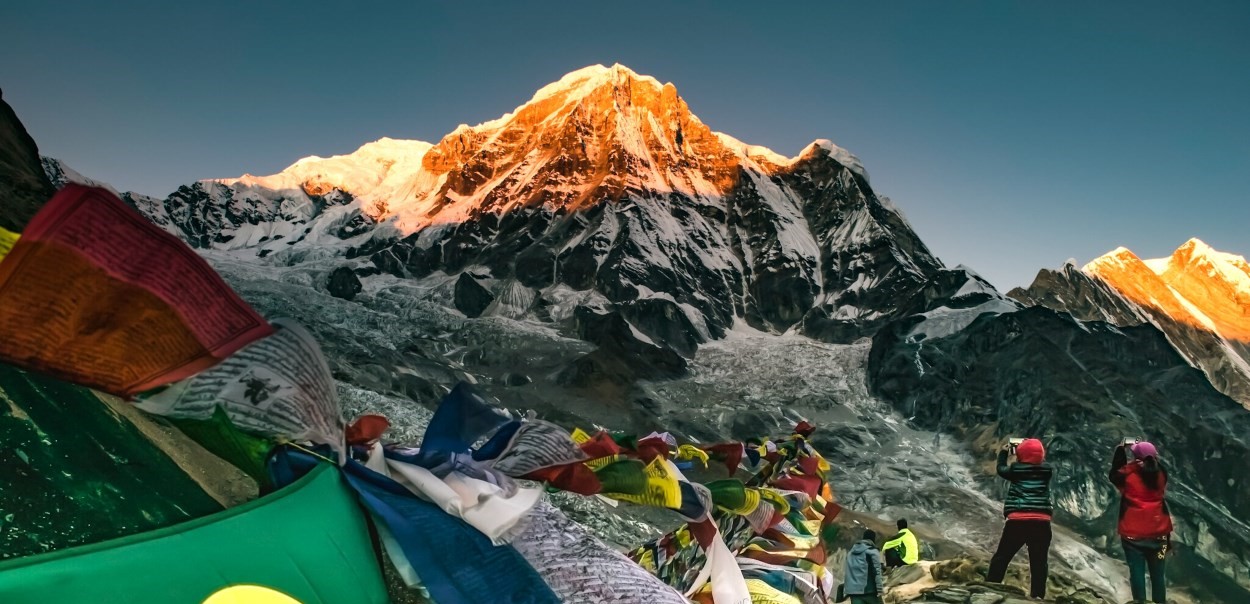
Overview of the Annapurna Base Camp Trek
The Annapurna Base Camp (ABC) Trek is one of Nepal’s most iconic Himalayan journeys, offering a rare combination of accessibility, cultural richness, and dramatic mountain scenery. First opened to trekkers in 1949, it remains a top choice for those seeking a rewarding adventure without the extremes of high-altitude expeditions.
Ideal for beginners with good fitness as well as seasoned trekkers, it delivers breathtaking views without the extremes of high-altitude expeditions. The trek takes you through a spectacular mix of landscapes: from lush terraced farmlands and traditional villages to alpine forests and glacial valleys.
The sense of awe, accomplishment, and connection to both nature and local culture make the ABC trek an experience you’ll never forget. Every step brings a new view, a new village, and a new story, blending adventure, scenery, and culture seamlessly.
Quick Details: Annapurna Base Camp Trek
- Location: Nepal, in the north region of Pokhara
- Distance: ~110 km (round trip, depending on route)
- Difficulty: Moderate. Suitable for beginners with good fitness and experienced trekkers
- Cost: $700–$1,500 (includes guide, permits, and accommodation options; budget to mid-range)
- Best Time to Trek: It can start from March and end around May, then in the fall from mid-October till mid-December
- Trail Type: Well-marked trekking paths with suspension bridges, forests, villages, and alpine terrain
Annapurna Base Camp Trek Itinerary Summary (13 Days)
- Day 1–2: Arrival in Kathmandu + cultural sightseeing tour
- Day 3–4: Fly to Pokhara → trek through Ulleri to Ghorepani
- Day 5: Sunrise hike to Poon Hill → trek to Tadapani
- Day 6–7: Trek through Chhomrong and bamboo forests to Deorali
- Day 8–9: Reach Machhapuchhare Base Camp → Annapurna Base Camp (4,130m)
- Day 10–11: Descend via Sinuwa and Ghandruk → drive to Pokhara
- Day 12–13: Return to Kathmandu → departure
Cost for the Annapurna Base Camp Trek
Knowing the cost upfront helps you budget wisely and pick the experience that fits your style. We will ensure that all expenses, including permits, accommodation, meals, and transportation, are covered. This is also based on the current 2026 trekking packages’ trend from other reputable Nepali operators, average international traveler expectations, and standard inclusions.
Average Cost for International Travelers (USD)
| Package | Accommodation | Meals | Guide | Transport | Permits & Extras | Estimated Cost (USD) |
| Premium | 5-star in Kathmandu, 4-star in Pokhara, attached bathrooms along the trek, where available | Breakfast, lunch, dinner + afternoon tea and light snacks | Senior trekking guide | Private 4WD (4 participants) | Hot water bag from 4,000m, duffel & sleeping bag, ACAP & TIMS permits | $1,400–$1,500+ |
| Standard | 4-star in Kathmandu and Pokhara, with attached bathrooms where available | Breakfast, lunch, dinner | Senior/Junior trekking guide | Private 4WD (4 participants) | ACAP & TIMS permits | $1,000–$1,300 |
| Economic / Budget | Non-star accommodation in Kathmandu, basic lodges along the trek (shared bathrooms) | Set-menu breakfast, lunch, dinner | Junior trekking guide | Shared transport | ACAP & TIMS permits | $700–$900 |
Cost Breakdown
- Permits: $30–$50 (ACAP and TIMS)
- Guide/Porter: $15–$25/day for a guide; $10–$15/day for a porter
- Accommodation: $5–$20/night for budget; $20–$40/night mid-range; premium depends on package
- Food: $5–$15 per meal along the trail; premium packages include full menu + snacks
- Transport: $10–$40 for flights or local transfers; private vehicle included in standard/premium
Things to Consider for Annapurna Base Camp Trek
Before you set out on the Annapurna Base Camp trek, it’s important to be aware of a few key factors that can affect your experience:
- Trail Disruptions: Some sections of the trail are impacted by ongoing road and construction work. While most jeep trails are avoided, a few stretches are unavoidable.
- Seasonal Crowds: The peak trekking months (April, October–December) bring heavy traffic to the trails. Expect busy tea houses and popular viewpoints during these periods.
- Limited Lodging: High-altitude villages within the Annapurna Conservation Area have limited accommodation. During peak season, shared rooms with 3–4 people are common.
- Weather Dependency: Weather in the Himalayas can change rapidly, even during ideal trekking seasons. Be prepared for sudden temperature drops or rain.
- Winter Challenges: Snow, ice, and potential avalanches can make certain trail sections impassable during early spring and winter months. Proper gear and local guidance are essential.
Upper Dolpo Trek
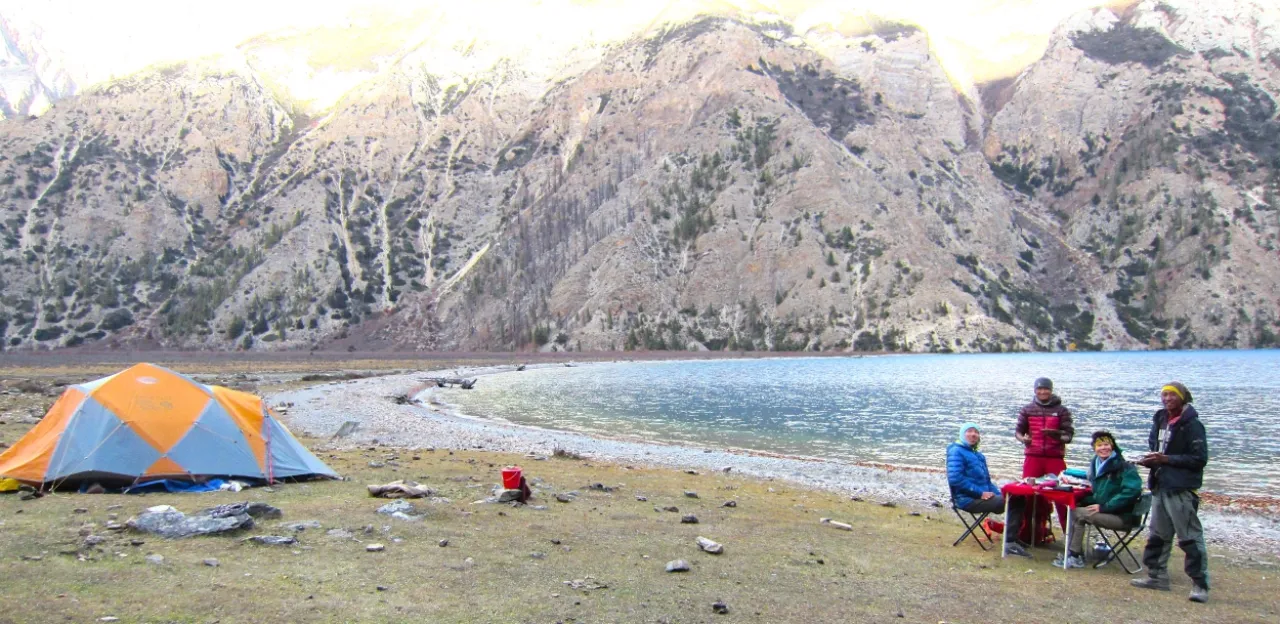
Introducing the Upper Dolpo Trek
The Upper Dolpo Trek is one of Nepal’s most remote and extraordinary trekking adventures. The trek takes you deep into a hidden region where ancient Tibetan culture and untouched landscapes still thrive. Located in the far northwestern corner of Nepal, Dolpo offers a rare opportunity to explore an untouched paradise that remains relatively unexplored by mainstream tourism or development.
This high-altitude trek leads through the dramatic wilderness of Shey Phoksundo National Park. You will be trekking across rugged terrain, deep valleys, and windswept plateaus near the Tibetan border. Along the way, trekkers also encounter traditional villages, centuries-old monasteries, and sacred landmarks such as Shey Phoksundo Lake and Shey Gompa (which hold deep spiritual significance for local communities).
Overview of the Upper Dolpo Trek
The Upper Dolpo Trek is a long-duration, high-altitude camping trek in the remote trans-Himalayan region of western Nepal. Known for its isolation but cultural richness, this journey combines challenging mountain terrain with deep cultural immersion. So, the trek can be considered as one of the most unique trekking experiences in Nepal.
Unlike popular trekking routes, Upper Dolpo requires careful planning, special permits, and a fully supported expedition team. The trek typically spans over three weeks, crossing multiple high passes and remote settlements while offering unparalleled access to pristine Himalayan landscapes.
Quick Facts: Upper Dolpo Trek
| Trek Facts | Details |
| Duration | 22-24 Days |
| Maximum Altitude | ~5,380 meters (Kang La Pass) |
| Trek Difficulty | Strenuous / Challenging |
| Accommodation/Trekking Style | Fully supported camping trek |
| Region | Dolpo (Western Nepal) |
| Best Season | May-June & Sep–Nov |
| Permits Required | Restricted Area Permit + National Park Permit |
| Group Type | Private / Small Group |
Route Overview for Upper Dolpo
The journey begins with a flight from Kathmandu to Nepalgunj, followed by a dramatic mountain flight to Juphal. From here, the trail quickly leaves behind any signs of modern infrastructure, entering an isolated landscape that defines the Dolpo experience.
The route at a glance:
Kathmandu → Nepalgunj → Juphal (Trek Start) → Dunai → Chhepka → Ringmo → Shey Phoksundo Lake → Shey Gompa → Kang La Pass → Saldang → Dho Tarap → Tarap Valley → Juphal → Nepalgunj → Kathmandu
The Upper Dolpo Trek can be understood in distinct phases, each offering a different landscape, cultural experience, and level of difficulty.
- Phase 1: Entering Dolpo (Juphal → Dunai → Chhepka → Ringmo)
This initial section follows river valleys and forests as you gradually enter the Dolpo region. The trail is relatively moderate, allowing your body to adjust as you pass through small settlements and ascend to Shey Phoksundo Lake. - Phase 2: Sacred & High-Altitude Core (Ringmo → Shey Gompa → Kang La Pass)
This is the spiritual and physical heart of the trek. You explore Shey Gompa and cross high passes like Kang La. Expect thinner air, harsher terrain, and some of the most dramatic scenery of the journey. - Phase 3: Remote Upper Dolpo Plateau (Saldang Region)
After crossing into Upper Dolpo, the landscape opens into a vast, dry plateau with strong Tibetan influence. Villages like Saldang showcase traditional lifestyles and deep cultural isolation. - Phase 4: Descent via Tarap Valley (Dho Tarap → Tarap → Juphal)
The final phase gradually descends through wide valleys and culturally rich villages like Dho Tarap. The terrain becomes greener and more forgiving as you return toward Juphal.
Rather than reaching a destination, this trek is about traversing one of Nepal’s last untouched frontiers, where each section of the trail reveals a new layer of landscape, culture, and isolation.
Trekking Experience in Upper Dolpo
The trekking experience in Upper Dolpo is best described as a true wilderness expedition. It is known to offer a rare combination of physical challenge, isolation, and cultural immersion. This journey is not defined by comfort, but by the depth of experience it delivers.
- Physically demanding terrain
The trek involves long walking days (often 6–8 hours), across rugged and sometimes exposed trails at high altitude. Endurance and prior trekking experience are highly recommended. - Complete immersion in nature
With limited settlements along the route, trekkers spend extended periods surrounded by untouched landscapes, enhancing the sense of remoteness and exploration. - Expedition-style support system
A team of guides, cooks, and porters ensures safety and comfort, managing logistics such as meals, camping setup, and navigation. - Trekkers should also know that due to the lack of teahouses, the trek is entirely camping-based, requiring a support crew and careful logistical planning throughout the journey.
For those prepared for the challenge, this trek offers something increasingly rare in modern travel: a genuine sense of exploration, where the journey feels raw, personal, and deeply rewarding.
Culture of Dolpo: A Living Tibetan Heritage
Upper Dolpo is also a cultural stronghold, preserving traditions that have remained largely unchanged for centuries. Its isolation has allowed a unique Himalayan identity to thrive, deeply rooted in Tibetan heritage.
- Preserved Tibetan traditions
The region’s culture closely mirrors that of Tibet, with traditional architecture, clothing, and daily practices still widely maintained. - Deep-rooted spiritual practices
Both Tibetan Buddhism and the ancient Bon religion are practiced here, influencing every aspect of village life, from seasonal festivals and rituals to daily activities. - Unique social systems and lifestyle
In some areas, practices like polyandry still exist, reflecting adaptations to the harsh environment and limited resources. - Historic trans-Himalayan trade
Dolpo has long been part of ancient trade routes, where locals exchanged salt, wool, and grains with Tibet, a tradition that continues in limited forms to this day.
Shey Gompa & Spiritual Significance
Shey Gompa is one of the most spiritually significant landmarks in Upper Dolpo. Its remote location and historical importance make it a place of both cultural and religious reverence.
Founded in 1220 AD, Shey Gompa has served as a center of religious learning and spiritual practice for centuries. It is situated at the base of Shey Rinpoche (Crystal Mountain), and the monastery is part of a revered pilgrimage circuit.
Pilgrims gather periodically to perform a sacred circumambulation (kora) around the mountain, a practice comparable to rituals at Mount Kailash. Within the monastery, ancient thangkas, statues, and manuscripts are housed, reflecting the region’s profound spiritual heritage.
Hidden Beauty of Upper Dolpo: Nature & Wildlife
The Upper Dolpo Trek passes through Shey Phoksundo National Park. This region is a vast and ecologically significant region that showcases some of the least disturbed landscapes of Nepal.
- The largest national park in Nepal
The park encompasses a diverse range of ecosystems, from dense forests to high-altitude desert terrain, all shaped by extreme climatic conditions. - Iconic Shey Phoksundo Lake
The stunning Shey Phoksundo Lake is renowned for its deep turquoise color and tranquil surroundings, making it one of the visual highlights of the trek. - Rare and elusive wildlife
The region supports species such as the snow leopard and Himalayan blue sheep, reflecting its ecological importance and conservation value. - Rich medicinal plant diversity
Local communities rely on a wide range of herbs and plants for traditional medicine, adding another layer of ecological significance.
Challenges of Upper Dolpo Trek
The Upper Dolpo Trek is as demanding logistically as it is physically. So, it requires careful preparation, flexibility, and a realistic understanding of the conditions.
- Weather-dependent flights to Juphal
Flights are often delayed due to unpredictable mountain weather, which can affect travel plans and require buffer days. - Extreme remoteness and limited facilities
The lack of infrastructure results in limited access to medical care, communication, and basic services throughout much of the trek, with the alternative being helicopter access. - High altitude and acclimatization needs
With elevations exceeding 5,000 meters, altitude sickness is a significant risk, making proper acclimatization essential. - Camping-based trekking conditions
The absence of teahouses requires a fully supported camping setup, with all logistics managed by the trekking team.
While these challenges are considerable, they are also what make the journey so rewarding. For well-prepared trekkers, Upper Dolpo offers a level of authenticity and adventure that few destinations in Nepal can match.
Lobuje East Peak

Overview: Lobuje East Peak (6,119 m)
Lobuche (also commonly referred to as Lobuje) East Peak is one of the best trekking peaks in Nepal. It is also an excellent choice for climbers seeking to embark on their Himalayan mountaineering journey. Located in the Khumbu region of northeastern Nepal, the peak rises dramatically above the trekking trails that lead toward Mount Everest within Sagarmatha National Park.
The Lobuche massif consists of two distinct summits: Lobuche East (6,119 m) and Lobuche West (6,145 m). A deep gap and a significant distance across the ridge separate these peaks. According to the Nepal Mountaineering Association (NMA), Lobuje East is categorized as a trekking peak, meaning it is accessible to climbers with basic technical mountaineering skills and high-altitude trekking experience. Lobuche West, on the other hand, is classified as an expedition peak, requiring advanced alpine climbing experience and a more demanding permit process.
Our program focuses on Lobuche East Peak, offering an achievable yet challenging Himalayan summit experience.
Expedition Snapshot
- Duration: 19-21 Days
- Destinations: Kathmandu – Ramechhap – Lukla – Namche – Dingboche – Gorak Shep – Kala Patthar – Lobuche Base Camp – Lobuje East Peak – Pangboche & back the same route from Namche
- Highest Elevation: 6,119 m (Lobuje East Peak)
- Trek Style: Alpine Trekking & Introductory Mountaineering
- Start / End Point: Kathmandu
- Ideal For: First-time Himalayan climbers, trekkers seeking a mix of EBC adventure and summit experience, adventure travelers looking for spectacular high-altitude views
Routes to Lobuje East Peak
There are several possible routes to approach Lobuche East Peak (6,119 m). These approaches depend on the climber’s experience, acclimatization strategy, and expedition objectives. Each route offers various perspectives of the Khumbu region while eventually leading to the alpine slopes above Lobuche. The most commonly used routes include the following:
Direct Approach to Lobuje Base Camp
Experienced climbers who are accustomed to high altitudes often opt for a direct approach to Lobuche Base Camp. This route focuses primarily on the climbing objective and reaches the base camp more quickly, allowing for a quicker start to the summit attempt.
Although efficient, this option provides less time for acclimatization and is generally recommended only for climbers who have already acclimatized to the high altitude of the Himalayas.
Gokyo Valley and Cho La Pass Route
Another approach to Lobuje East comes through the spectacular Gokyo Valley. This route crosses the high alpine Cho La Pass (5,420 m) before descending toward the Lobuche area.
The Gokyo route offers breathtaking landscapes, stunning glacial lakes, and dramatic views of the surrounding Himalayan peaks. It is often chosen by trekkers who want a more varied trekking/photography experience before attempting the climb.
Everest Region Approach (Our Route)
The route followed in our program approaches Lobuche East through the upper Khumbu valley (trekking on the EBC circuit) before moving toward Lobuche Base Camp for the climb. This gradual ascent offers excellent acclimatization, allowing climbers to experience the iconic landscapes of the Everest region along the way.
This approach enables climbers to gradually acclimate to altitude before embarking on the technical portion of the expedition.
The True Summit: Lobuje East Peak
Lobuche East is an impressive Himalayan peak that rewards climbers with both peak climbing challenges and breathtaking alpine scenery. The summit ascent typically involves descending into a narrow pass before tackling a steep snow and ice slope of approximately 45–50 degrees leading to the summit ridge.
The standard climbing route begins at Lobuche Base Camp and follows the Southeast Ridge, which features a mix of terrain comprising rock, snow, and glacier sections. Fixed ropes are often used on steeper sections to ensure safe ascent.
The complete climbing process, starting from the base camp, usually requires three to four days. These days include the establishment of a high camp and the final summit push. An additional contingency day is generally included in case of adverse weather conditions or acclimatization needs.
Many climbers reach the subsidiary summit known as Lobuche Far East, although the true summit lies slightly further along the ridge. Historical records indicate that Sherpa Ang Gyalzen and Laurence Nielson made the first documented ascent of the true summit of Lobuche East on April 25, 1984.
Climbing Stages of Lobuje East Peak
The climbing phase begins after reaching Lobuche village and preparing for the ascent.
Lobuche (Lobuje) East Base Camp (4,950 m)
Lobuche Base Camp acts as the main staging point for the summit climb. Climbers typically spend time here resting, organizing equipment, and receiving basic training on climbing techniques.
The base camp offers excellent views of surrounding peaks, such as:
- Ama Dablam
- Cholatse
- Thamserku
High Camp (5,400 m)
From base camp, climbers ascend steep rocky terraces and snow slopes to reach Lobuche High Camp. This camp is established below the glaciers on the southwest face of the mountain and prepares climbers for the early morning summit push.
Summit Push
The summit day begins early, before dawn. Climbers descend slightly into a deep pass before ascending steep snow and ice slopes toward the summit ridge using fixed ropes and mountaineering equipment.
Reaching the summit of Lobuche East rewards climbers with one of the most spectacular views in the Everest region.
Considerations and Challenges
Climbing Lobuche East presents several challenges that climbers must be prepared for.
- High altitude conditions: At 6,119 meters, altitude is the primary challenge. Proper acclimatization and gradual ascent are essential for a safe climb.
- Technical climbing sections: The summit route features steep snow and ice slopes that require climbers to use crampons, ice axes, and fixed ropes.
- Endurance and stamina: Summit day can involve several hours of climbing in high-altitude conditions, requiring strong physical endurance.
- Mountain weather conditions: The weather in the Everest region can change rapidly. A successful ascent depends heavily on favorable weather windows.
- Logistics and flights to Lukla: Flights to Lukla are weather-dependent. During peak trekking seasons, flights often operate from Manthali Airport in Ramechhap, located about six hours by road from Kathmandu.
Lobuje East vs Island Peak vs Mera Peak
While Lobuche East (6,119 m) is a classic introductory peak for mountaineering, the Everest region offers several other notable peaks for aspiring mountaineers. Comparing them helps climbers choose the best option based on experience, fitness, and acclimatization needs.
| Peak | Height | Difficulty | Typical Duration | Best For | Notes |
| Lobuje East | 6,119 m | Moderate | 12–14 days | First-time Himalayan climbers | Short summit push, excellent acclimatization |
| Island Peak | 6,189 m | Moderate–High | 14–16 days | Beginners–Intermediate | Technical snow/ice climbing on the summit ridge |
| Mera Peak | 6,476 m | Moderate | 14–18 days | Novice with strong fitness | Longer approach, high summit views |
So, why should you choose Lobuche East?
- Ideal for climbers seeking a manageable first Himalayan summit.
- Shorter expedition duration than Mera Peak, making it easier to combine with an Everest Base Camp trek.
- Less crowded than Island Peak, offering a more secluded climbing experience.
- Provides a gradual ascent and good acclimatization, reducing altitude-related risks.
Everest Base Camp Trek Via Gokyo
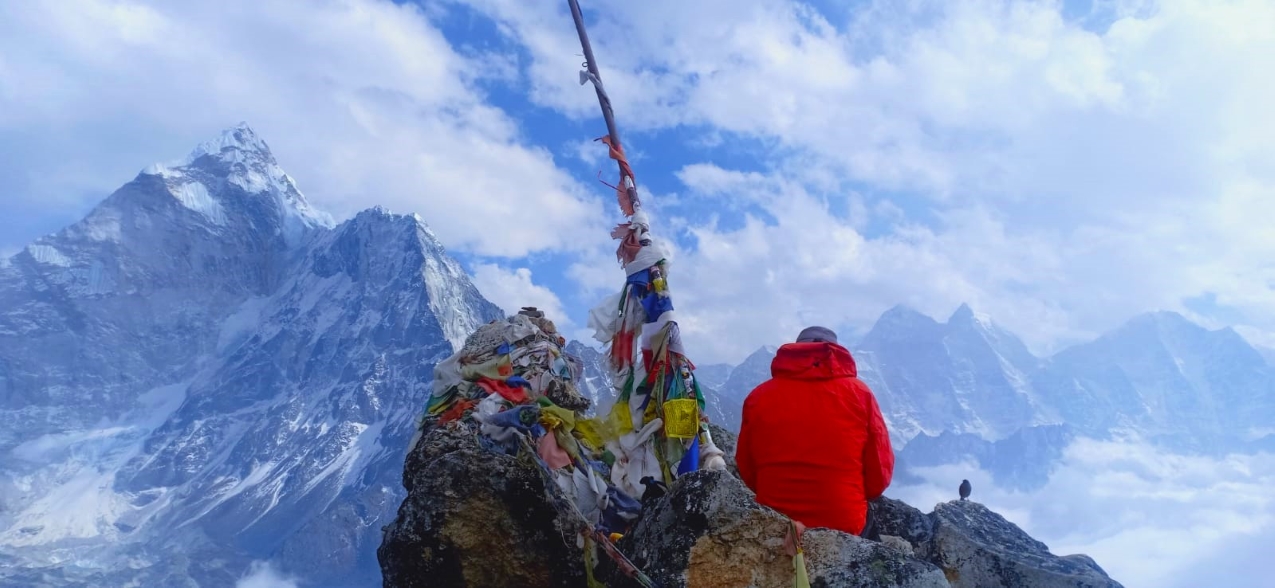
Everest Base Camp Trek via Gokyo Lakes & Cho La Pass
The Everest Base Camp Trek via Gokyo Valley is one of the most breathtaking and adventurous alternatives to the classic EBC trek. It combines the serenity of the Gokyo Valley with the iconic Everest Base Camp, offering trekkers a rare blend of pristine glacial lakes, golden alpine pastures, and towering Himalayan peaks, including Mt. Everest (8,848m), Lhotse, Cho Oyu, and Makalu.
The Gokyo Valley is well-renowned for the Ngozumpa Glacier, the largest glacier in the Himalayas, and its series of emerald lakes born beneath the dramatic Himalayan peaks. Adding to that, Everest Base Camp is the ultimate destination for adventurers. Along the way, trekkers encounter Sherpa villages, ancient monasteries, fluttering prayer flags, and breathtaking panoramic views, offering both adventure and cultural immersion.
Gokyo Lakes & Gokyo Ri
The Gokyo Lakes are among the most stunning glacial lakes in the Himalayas, showing you why this trek is truly unique. Nestled in the high-altitude Gokyo Valley, these lakes offer trekkers a combination of natural beauty, serenity, and cultural significance, forever etched in their minds:
- Six Turquoise Glacial Lakes: The trail passes Gokyo, Thonak, and Ngozumpa Lakes, each shimmering in brilliant shades of turquoise and reflecting the Himalayan towers in the backdrop. These lakes are not only breathtaking but are also considered sacred by local Sherpas and Tibetan Buddhists, with many pilgrims performing rituals during festivals.
- Emerging from the Ngozumpa Glacier: These lakes are fed by the largest glacier in Nepal & the Himalayas, the Ngozumpa Glacier, providing dramatic moraine landscapes and crystal-clear waters. Trekkers walk along glacial moraines and scattered icebergs, offering a sense of thrilling adventure and high-altitude wilderness.
- Unique Ecosystem: The lakes are home to rare Brahminy ducks, Himalayan frogs, and alpine flora, which change with the seasons. In spring, rhododendrons bloom along lower trails, while autumn offers clear skies perfect for photography.
- Photographer’s Paradise: With reflections of Everest, Cho Oyu, Lhotse, and Makalu in the calm waters, the lakes provide one of the most iconic Himalayan photo opportunities, especially during sunrise and sunset.
Gokyo Ri vs Kala Patthar: Which Viewpoint Should You Choose?
Gokyo Ri and Kala Patthar are both breathtaking viewpoints on the Everest Base Camp trek, but each offers a different kind of experience. Choosing between them depends on what you value most: panoramic diversity with opportunities for photography or a close-up view of Everest.
| Feature | Gokyo Ri | Kala Patthar |
| Altitude | 5,360 m | 5,545 m |
| Crowd Levels | Moderate with quieter trails | Higher as it is the Classic EBC route |
| View Scope | 360° panorama of multiple Himalayan peaks | Close-up, dramatic view of the Everest South Face |
| Best Time for Photography | Sunrise with soft lighting, minimal crowds | Sunset with golden-hour highlights on Everest |
| Difficulty of Ascent | Moderate | Moderate to Challenging |
| Unique Appeal | Tranquil and panoramic | Iconic Everest-focused experience |
Ngozumpa Glacier Experience
Walking along the Ngozumpa Glacier is a defining adventure of the Gokyo route:
- Moraine Crossing: Trekkers traverse rocky ridges and moraine fields that extend from the glacier, offering a hands-on experience of glacial terrain rarely seen on standard EBC routes.
- High-Altitude Challenge: The terrain requires steady footing, proper footwear, and careful pacing, giving trekkers a real sense of adventure at extreme elevations.
- Unique Scenic Contrast: The contrast of turquoise lakes against icy moraine and rugged peaks is striking and creates photo opportunities that are unique to this route.
- Photography & Reflection: The glacier offers mirror-like surfaces after snowfall or rain, providing rare reflections of surrounding peaks. Sunrise and sunset light dramatically enhance the icy landscape.
The combination of Gokyo Lakes, Gokyo Ri, and the Ngozumpa Glacier is what makes the Everest Base Camp trek via Gokyo a must-try, exclusive, high-altitude adventure.
Cho La Pass: Difficulty, Terrain & Trekking Insights
The Cho La Pass (5,420 m) is the highest and most challenging point on the EBC via Gokyo trek. It connects the Gokyo Valley with the Khumbu region, offering trekkers an adventurous experience across glaciers, moraines, and high-altitude ridges. Crossing the pass is not only physically demanding but also highly rewarding, with unparalleled Himalayan vistas in all directions.
| Feature | Details |
| Altitude | 5,420 m |
| Difficulty | Moderate to Challenging |
| Terrain | Glacier, moraine, scree, rocky ridges |
| Time Required | 5–7 hours, depending on weather and trekking speed |
| Seasonal Risks | Snow, ice, possible closure in winter/early spring |
| Equipment Needed | Trekking poles, crampons, and layered clothing |
| Acclimatization | Recommended at Gokyo and Tangnag before crossing |
| Physical Requirements | Stamina, balance, and previous trekking experience at high altitudes are recommended |
While challenging, proper preparation, acclimatization, and professional guidance make it achievable for experienced trekkers. Crossing this pass is one of the defining experiences that sets the EBC via Gokyo trek apart from the classic route.
Route Overview: 16-Day Circular Trek from Lukla
Our carefully designed 16-day itinerary balances ample time for both adventure and acclimatization, ensuring trekkers fully experience the region’s scenic and cultural richness.
- Day 1–3: Lukla → Phakding → Namche Bazaar (acclimatization)
- Day 4–6: Namche Bazaar → Gokyo Valley → Gokyo Ri ascent
- Day 7–8: Gokyo → Cho La Pass → Dzongla (glacier crossing)
- Day 9–11: Gorak Shep → Kala Patthar → Everest Base Camp
- Day 12–16: Return via Tengboche Monastery → Lukla → Ramechhap → Kathmandu
Altitude & Trekking Hours Table:
| Segment | Altitude Gain | Trekking Hours | Notes |
| Lukla → Namche | 3,440 m | 5–6 | Steep ascent, suspension bridges |
| Namche → Gokyo | 4,790 m | 6–7 | Gradual acclimatization, lake views |
| Gokyo Ri → Cho La Pass | 5,420 m | 7–8 | Glacier crossing, high pass challenge |
| Gorak Shep → Kala Patthar | 5,545 m | 3–4 | Sunset views over Everest |
| Kala Patthar → EBC | 5,340 m | 2 | Base camp experience |
Challenges of the Everest Base Camp Trek via Gokyo Valley
- High Altitude Demands: The trek reaches 5,545m (Kala Patthar), 5,420m (Cho La Pass), and 5,340m (EBC). At these elevations, altitude sickness symptoms like headaches, nausea, and fatigue are common, making acclimatization critical.
- Cho La Pass Crossing: Cho La Pass (5,420m) involves steep, rocky, and often icy terrain. Snow can increase difficulty, requiring good fitness and trekking experience.
- Glacial Terrain: The route crosses the Ngozumpa Glacier, with uneven moraines, slippery ice, and occasional crevasses. Careful footing is essential.
- Remote Sections: Gokyo Valley and Cho La are quieter and more isolated than the classic EBC route. Facilities are basic, and medical access is limited.
- Unpredictable Weather: The weather can change quickly with snow, wind, and temperature drops. Lukla/Ramechhap flights are also prone to delays.
- Physical Endurance: Expect 5–8 hours of daily trekking with steep ascents. The longer route adds cumulative fatigue.
- Cold Exposure: Nights in Gokyo, Dzongla, and Gorak Shep are freezing, requiring proper gear and preparation.
Everest Base Camp Trek
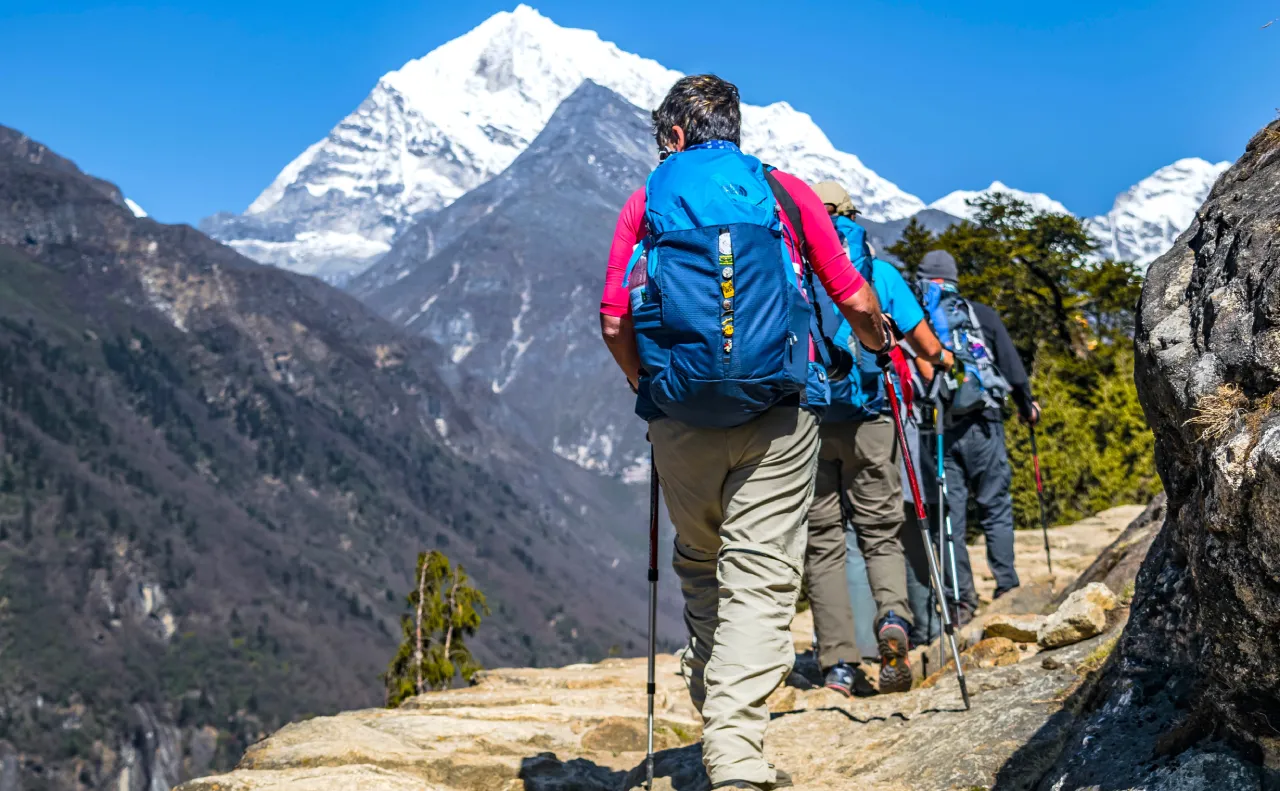
The Everest Base Camp Trek is considered one of the most iconic high-altitude adventures in the world. Since the 1920s, trekkers and thrill-seekers from across the globe have dreamed of standing at the foot of Mt. Everest (8,849 m), the highest peak on Earth, while being surrounded by the awe-inspiring giants of the Himalayan Range.
This journey is more than a trek; it is a unique and profound encounter with nature, culture, and personal endurance.
Uniquely traversing the Khumbu region, you will experience a tapestry of breathtaking landscapes and rich cultural heritage: vibrant Sherpa villages, intricately carved mani walls, ancient chortens, colourful prayer flags, and centuries-old Buddhist monasteries.
Swaying suspension bridges cross the glacial rivers that test your courage, while panoramic views of the snow-clad peaks create monumental moments that are forever etched in your mind and spirit.
Our 17-day classic Everest Base Camp Trek itinerary flies you in and out of Lukla, with carefully planned acclimatisation stops, ensuring safety and comfort while you explore these high altitudes.
Highlighting the EBC Trek: Duration, Distance & Maximum Altitude
- Duration: 17 Days (13 days trekking + Kathmandu & Ramechhap)
- Distance: Approximately 130–140 km round trip for the classic route
- Highest Altitude covered: 5,545 m/18,192 ft at Kala Pathar, with Everest Base Camp at 5,340 m/17,500 ft
- Difficulty: Very demanding / High-altitude trek requiring good fitness and preparation
This trek involves 5–7 hours of walking per day across steep trails, high ridges, and rugged terrain, making proper preparation and acclimatisation essential.
Where is Everest Base Camp Located?
Everest Base Camp is located in Nepal’s Khumbu region, within the boundaries of Sagarmatha National Park. Nestled at the foot of the Khumbu Icefall, it serves as the launching point for climbers attempting to summit the world’s highest point.
Trekkers typically begin their journey with a scenic flight from Ramechhap to Lukla (2,860 m), followed by trekking through the picturesque Sherpa villages, suspension bridges, and high Himalayan landscapes until reaching the base of the world’s tallest mountain.
Classic Everest Base Camp Trek Itinerary
Our 17-day Everest Base Camp Trek itinerary takes you through some of the most iconic landscapes of the Khumbu region & even those places you may have never heard of before:
- Flight to Lukla (2,860 m): Begin with an early morning flight from Ramechhap to Lukla (2,860m), the gateway to the trek. Marvel at the views of Kusum Kanguru Peak (6,367m) as you start your trek.
- Namche Bazaar (3,450 m): Cross the Dudh Koshi River via suspension bridges and ascend to this vibrant Sherpa town, which is a key acclimatisation stop.
- Dingboche (4,360 m): Trek through Phortse village (3,800 m), enjoy sweeping views of Ama Dablam, while spending two nights acclimatising here.
- Kala Patthar (5,545 m): Witness an unforgettable sunset over Mt. Everest, perfect for photography and reflection.
- Pyramid (5,050m): Pass by the famous Pyramid International Laboratory (5,050m), a unique high-altitude scientific research station studying climate change and Himalayan environments in the heart of the Khumbu Valley.
- Everest Base Camp (5,340 m): Arrive at the Khumbu Icefall, the bustling hub for mountaineers during the climbing season.
Our itinerary, while following the classic Everest Base Camp route, thoughtfully incorporates selected alternative sections that offer fewer crowds, better acclimatisation, and deeper cultural immersion.
Challenges of the Everest Base Camp Trek
While this trek is immensely rewarding, it requires careful planning and awareness of potential challenges:
- High-Altitude Risks: Trekking reaches 5,545 m poses the potent risk of altitude sickness. Severe cases may require emergency evacuation.
- Unpredictable Flights: Flights to and from Lukla are heavily weather-dependent, with delays and cancellations for several days being quite common.
- Access to Lukla: Although we try our best to get direct flights to Lukla from Kathmandu (the best option), due to flight congestion in Kathmandu airport, the flights to Lukla nowadays mostly operate from Ramechhap (Manthali Airport).
- Road to Ramechhap: A 6-hour drive, with alternating good and bad road stretches along the route.
- Accommodation Limitations: Lodges in Ramechhap are basic and limited. Weather-related flight delays (sometimes stretching up to two days) can impact the availability of accommodation.
- Trail Retracing: The standard trekking route requires retracing your steps back along the same path, which some trekkers may find repetitive.