
Destination: Nepal
Discover Nepal: A Land of Adventure, Culture, and Serenity
Nestled in the heart of the Himalayas, Nepal is more than just a paradise for trekkers and climbers—it is a land of ancient cultures, breathtaking landscapes, and warm hospitality. From towering snow-capped peaks to serene lakes and lush jungles teeming with wildlife, Nepal offers an unparalleled experience for every traveler.
Steeped in spiritual significance: Nepal is the birthplace of Lord Buddha, the apostle of peace and the Light of Asia. Here, Buddhism and Hinduism have coexisted in harmony for centuries, offering an abundance of sacred sites, from the grand stupas of Kathmandu to the revered Hindu temples along the banks of holy rivers.
A Cultural Gem
Kathmandu, the vibrant capital, is a treasure trove of history, art, and traditions. Wander through medieval palace squares, marvel at UNESCO-listed heritage sites, and immerse yourself in centuries-old rituals. Take part in the sacred kora around ancient stupas, listen to enchanting bhajans (devotional songs), and witness the mesmerizing evening Aarti at a revered Hindu temple.
A Wildlife Haven
Venture to southern Nepal, where the lush jungles of Chitwan National Park offer an unforgettable safari experience. Ride on elephant-back or take a jeep safari deep into the wilderness, where you might spot one-horned rhinoceroses, exotic bird species, and, if you’re lucky, the elusive Royal Bengal tiger.
An Adventurer’s Playground
For thrill-seekers, Nepal is the ultimate playground. Whether it’s hiking through scenic trails, conquering white-water rapids, mountain biking down rugged paths, soaring over Pokhara’s serene lakes while paragliding, or taking the ultimate leap with a bungee jump, the possibilities are endless.
Your Journey Begins Here
Nepal is a country that captivates the soul, where every visit leaves you longing for more. Join the Far Out team and embark on an unforgettable journey—one that blends adventure, culture, and tranquility into the perfect holiday experience.
Come explore, experience, and fall in love with Nepal!
Escape to the Magic of Kathmandu
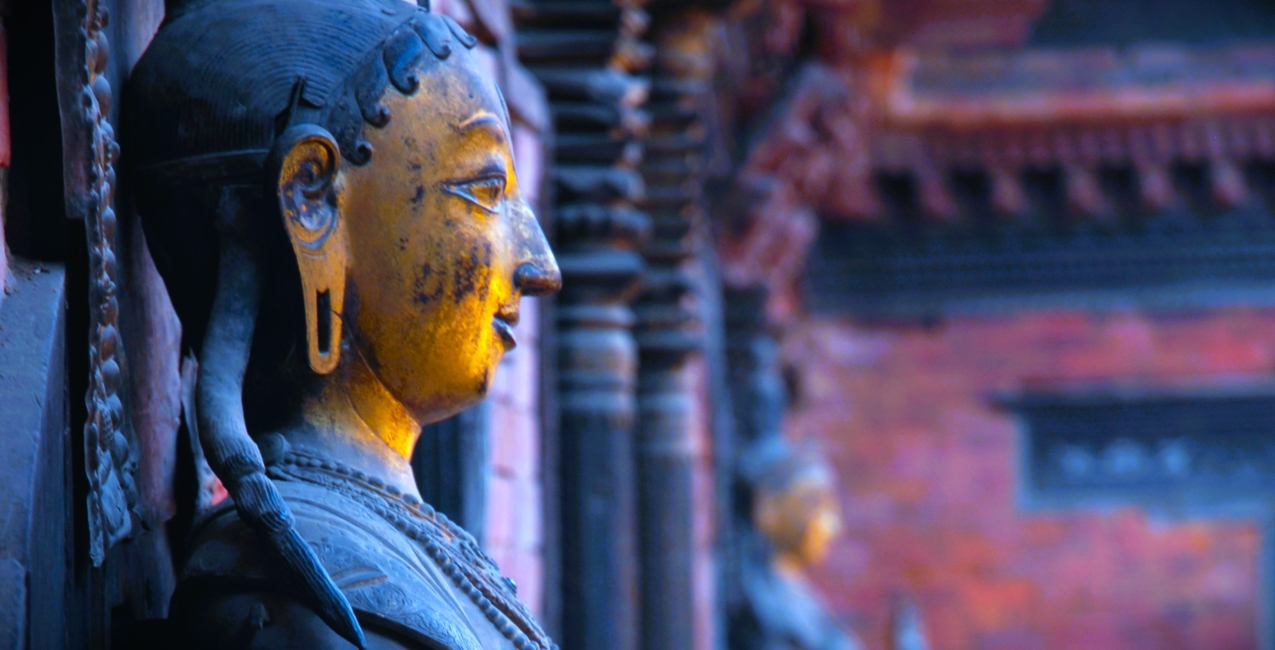
Escape to the Magic of Kathmandu: Nepal
Nepal, the proud home of the mighty Mount Everest, is a land of awe-inspiring landscapes and a rich tapestry of cultural heritage. Known for its spiritual significance, Nepal is deeply influenced by the traditions of Buddhism and Hinduism, which are reflected in its numerous temples, monasteries, and sacred sites. The country’s dramatic topography, crowned by the towering Himalayas, offers breathtaking views that are as diverse as they are beautiful.
Escape to the Magic of Kathmandu: 2000 years old City
Kathmandu stories began 2000 years ago when sage Manjushri drained out the water from a vast lake and turned it into a habitable place. This region became Kathmandu or all of Nepal, a place where history meets modernity, and where the ancient stories of kings, sages, and gods continue to influence the daily lives of the people.
You will be astonished by the hundreds of stunning stupas with prayer flags fluttering, temples teeming with worshippers, historic palaces with amazing architecture, and significant landmarks in Kathmandu.
The city’s spiritual landscape is primarily influenced by Buddhism and Hinduism, creating a unique atmosphere that is palpable in every corner of the valley. Kathmandu is not just a city; it is a vibrant fusion of sacred traditions, bustling markets, and modern development.
Escape to the Magic of Kathmandu: Overview
Escape to the magic of Kathmandu focuses on the Kathmandu Valley, a region that has been the cultural, spiritual, historical, and administrative heart of Nepal for over 2,000 years. Once considered the entirety of Nepal, Kathmandu Valley is a living museum of art, architecture, and history.
Escape to the Magic of Kathmandu: Highlights
- Swayambhunath Stupa (Birth of Nepal): One of Nepal’s most iconic landmarks, Swayambhunath is a stupa perched atop a hill, offering panoramic views of the Kathmandu Valley. It is the monuments which mark the birthplace of the Kathmandu Valley which later developed into the country of Nepal.
- Everest Helicopter Flight: Exhilarating helicopter ride to the world’s highest peak, Mt. Everest (8,848 m) which offers breathtaking aerial views of the majestic Himalayan range.
- Patan Durbar Square & Bhaktapur Durbar Square: Located in the neighboring cities of Patan and Bhaktapur, these ancient squares are masterpieces of architecture and art. Patan is famous for its fine metalwork and Buddhist monuments, while Bhaktapur is renowned for its medieval charm, cobbled streets, and artistic heritage.
- Boudhanath Stupa: A sacred site for Tibetan Buddhists, Boudhanath is one of the largest stupas in Nepal. Pilgrims from across the world visit to circumambulate the stupa while spinning the prayer wheels and chanting mantras. Its massive mandala design and surrounding monasteries create an atmosphere of peace and spirituality.
- Pashupatinath Temple: A major pilgrimage site for Hindus, Pashupatinath is dedicated to Lord Shiva and is located along the banks of the Bagmati River. The temple’s golden roof and intricate wood carvings make it one of the most revered temples in the world. The cremation ghats along the river provide a poignant reminder of life’s impermanence. Evening comes alive with Arati performance.
- The Bustling Streets of Thamel: Kathmandu’s Thamel district is the hub of tourism and the beating heart of the city’s vibrant atmosphere. With its narrow lanes filled with shops, restaurants, and street vendors, the Thamel is a paradise for those looking to experience the city’s colorful and eclectic energy. The area is also home to many of Kathmandu’s best hotels, guesthouses, and restaurants, offering a mix of Nepali and international flavors.
The Kathmandu Everest Fusion
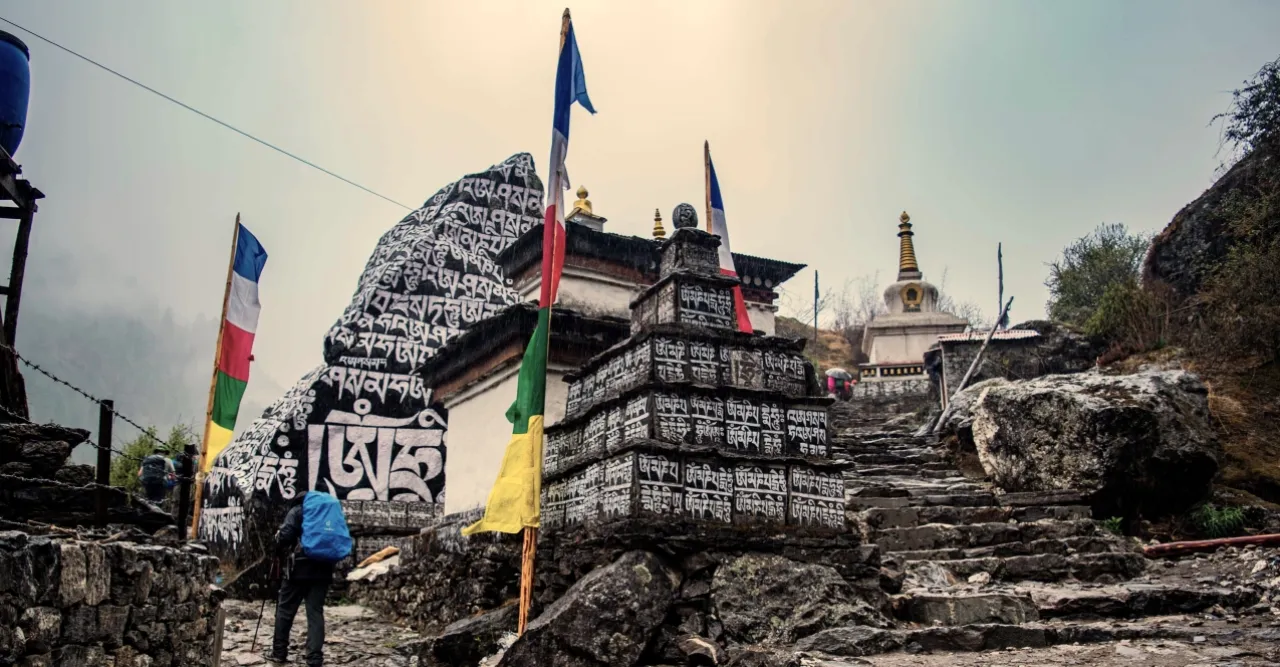
The Kathmandu Everest Fusion: Experience Spiritual, Cultural, Himalayas in a Luxury Way
The Kathmandu Everest Fusion is an eight-day luxury program in Nepal, carefully curated to showcase Nepal’s rich history, vibrant culture, spiritual sites while fusing them with a lovely short trek along the famed Everest area trek path, using luxury lodges with good meals, and comfortable stay. The walk culminates with a breathtaking helicopter ride over the Gokyo Valley and Everest Base Camp, two locations famous for their lakes and several snowy peaks, the largest of which is the enormous Everest (8,848 m). Aerial views of these natural wonders are breathtaking and will stay with you forever.
To give a luxury touch The Kathmandu Everest Fusion tour have crafted the program using the best luxury hotels, reliable helicopters, comfortable ground transportation with experienced staff supporting the tour.
Discover Nepal – The Crown Jewel of the Himalayas
Nepal, the majestic kingdom of the Himalayas, is home to some of the world’s most iconic snowy peaks – including the legendary Mount Everest (8,848m), the tallest mountain on Earth. This stunning natural heritage draws thousands of adventure seekers every year who journey through the breathtaking trails nestled in the shadow of these mighty summits.
From colorful Sherpa villages and prayer-flag-draped trails to ancient monasteries and swinging suspension bridges, trekking in Nepal is a soulful blend of adventure, culture, and spirituality. Among the countless trekking routes, the Syangboche Trek stands out for offering mesmerizing Himalayan views with luxury and ease.
What is a Himalayan Trek?
A Himalayan trek is more than just a hike – it’s an immersive journey into serene alpine landscapes, ancient cultures, and spiritual sanctuaries. The trails meander through lush forests, high-altitude meadows, icy rivers, and glacial valleys, all set against the dramatic backdrop of the world’s highest peaks. Whether you’re an experienced mountaineer or a nature lover new to trekking, the Himalayas have a trail for every level of adventurer.
Why Choose the Syangboche Luxury Trek?
The Syangboche Trek offers a short yet visually stunning alternative to longer Everest treks. Reaching a maximum altitude of 3,820 meters, this moderate trek rewards you with panoramic views of Everest, Ama Dablam, Lhotse, and Thamserku – without the physical challenges of extreme high-altitude hiking.
This experience is perfect for travelers seeking a Himalayan adventure in comfort. Stay in deluxe lodges, enjoy nutritious meals, and wrap up the trip with an unforgettable helicopter flight over Everest Base Camp and the Gokyo Valley.
The Kathmandu Everest Fusion: Highlights
- Kathmandu & Everest Region Fusion: Explore the best of Nepal – ancient temples and palaces in the Kathmandu Valley, and jaw-dropping Himalayan views in the Everest foothills.
- Syangboche Trek: A short, easy-to-moderate trek ideal for beginners and those on a tight schedule.
- Kathmandu Exploration: Discover 2,000 years of rich history, spiritual landmarks, bustling markets, and charming cafés.
- Cultural Immersion: Meet the warm Sherpa people, visit ancient monasteries, and explore the Sherpa Museum in Namche Bazaar.
- Scenic Helicopter Ride: Fly over Everest Base Camp and the Gokyo Lakes – a once-in-a-lifetime aerial experience.
- Unmatched Mountain Views: Marvel at peaks like Mt. Everest (8,848m), Lhotse (8,516m), Cho Oyu (8,188m), Ama Dablam (6,812m), and more.
- Luxury Lodging: Enjoy modern comforts in deluxe mountain lodges and luxury hotels in Kathmandu.
The Kathmandu Everest Fusion: Helicopter Tour & High-Altitude Adventure
Flying to Lukla by private helicopter eliminates the need for a 5-hour drive to Ramechhap and offers greater flight reliability in case of unpredictable mountain weather.
Return in style with a breathtaking helicopter tour over Gokyo Valley and the Everest Base Camp, offering up-close views of the Himalayan giants from the sky.
Helicopter Model: Airbus H125 (AS350B3e) – ideal for high-altitude flights in the Himalayas.
Trek Route Overview:
- Day 1: Arrival in Kathmandu – welcome and relax in a luxury hotel.
- Day 2: Private helicopter to Lukla – trek begins – Monjo 2,800m
- Day 3-4: Trek to Namche Bazaar and Syangboche (3,820m) – enjoy Sherpa hospitality and panoramic mountain views.
- Day 5: Scenic helicopter tour over Everest Base Camp and return to Kathmandu.
- Day 6-7: Explore Kathmandu’s UNESCO World Heritage Sites and spiritual landmarks.
- Day 8: Departure.
Festival Tours in The Himalayas
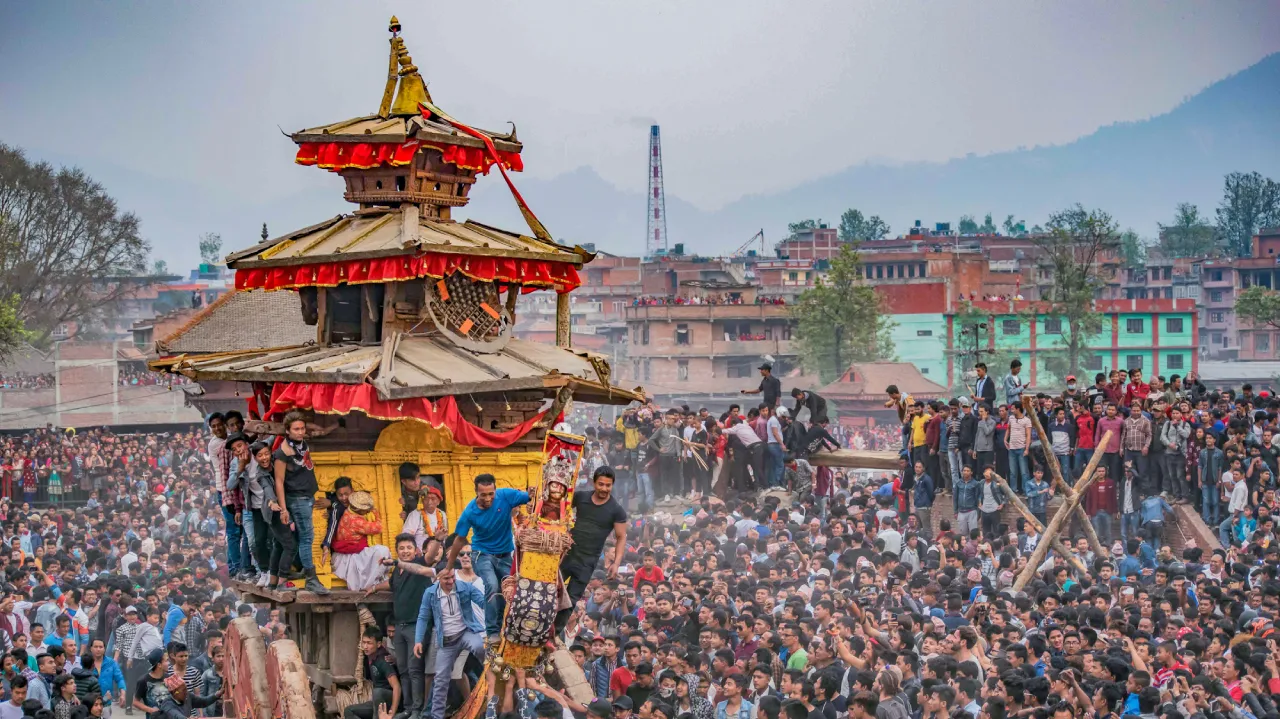
Festival Tours in the Himalayas
The Himalayas are home to some of the world’s most vibrant and culturally rich festivals. Celebrated across Nepal, India, Bhutan, and Tibet, these festivals offer an immersive experience of traditional rituals, colorful costumes, and spiritual practices.
Why Join a Festival Tour?
- Experience centuries-old traditions in the Himalayas.
- Witness colorful dances, elaborate masks, and musical performances.
- Capture once-in-a-lifetime photography momentsin an authentic setting.
Popular festivals include Holi, Dashain, Tihar, Losar (Tibetan New Year), Paro Tsechu in Bhutan, and Hemis Festival in Ladakh.
Interested? Contact Far Out Nepal for a customized festival tour: [email protected]
Dhaulagiri Trek
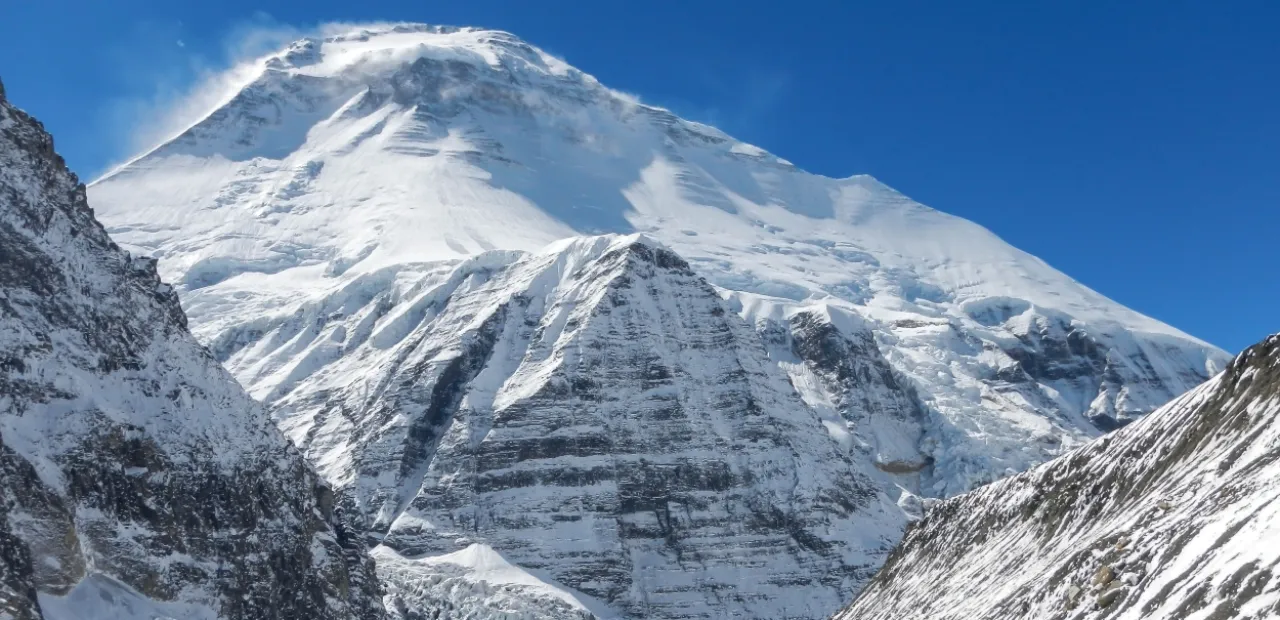
Dhaulagiri Circuit Trek Overview
The Dhaulagiri Circuit Trek is a true high-altitude expedition in western Nepal. This trek is designed for experienced trekkers who are prepared for long, remote, and physically demanding days in alpine terrain. Unlike standard teahouse treks, this route moves deep into isolated valleys surrounding the Dhaulagiri massif, where glacier crossings, high passes, and camping-based logistics define the entire journey.
This trek is widely regarded as one of the most challenging routes in Nepal. This is not only because of its elevation gains but also due to the sustained wilderness exposure and technical nature of certain sections. The experience gradually transitions from forested valleys into glacial landscapes. Trekkers eventually reach extreme high-altitude environments such as French Pass and Hidden Valley, where weather and terrain conditions become significantly more demanding.
- Mount Dhaulagiri I rises to 8,167 meters, making it the seventh-highest mountain in the world and the central feature of this massive Himalayan circuit.
- The surrounding Dhaulagiri range includes fifteen peaks above 7,000 meters, creating a continuous wall of high Himalayan terrain throughout the trek.
What ultimately defines the Dhaulagiri Circuit Trek is not just its difficulty. It’s also the progression into increasingly extreme environments where the landscape becomes more glaciated, the air thinner, and the margin for error significantly smaller. This makes it a true Himalayan expedition rather than a conventional trek.
Quick Facts of the Dhaulagiri Trek
- Duration: 17 Days
- Maximum Altitude: ~5,360m (French Pass)
- Difficulty: Very Strenuous / Expedition Level
- Trek Type: Camping + Glacier Crossing Expedition
- Best Season: Spring (Mar–May) & Autumn (Oct–Nov)
- Starting Point: Beni (accessible from Pokhara by road)
- Ending Point: Marpha / Jomsom region (varies by itinerary)
- Permits Required: ACAP + TIMS (plus guide-led expedition management recommended)
- Key Highlights: Italian Base Camp, Dhaulagiri Base Camp, Hidden Valley, French Pass, Dhampus Pass
- Terrain Type: Forest trails, river valleys, moraine fields, glacier crossings, high alpine passes
- Physical Preparation Level: High fitness required, with prior multi-day trekking experience strongly recommended
So, are you ready to take on the Dhaulagiri trekking challenge? If yes, get in touch with our Dhaulagiri Expedition Experts.
Dhaulagiri Circuit Trek Route Overview
The journey begins near Beni and gradually ascends through rural settlements, forested terrain, and river valleys before reaching the remote base camp zones of the Dhaulagiri range. From here, the route advances into glacial regions leading toward high passes and the Hidden Valley.
The Dhaulagiri Circuit
Beni (830m) → Darbang (~1,180m) → Muri (~1,850m) → Italian Base Camp (~3,660m) → Dhaulagiri Base Camp (~4,750m) → French Pass (5,360m) → Hidden Valley (~5,200m) → Dhampus Pass (~5,240m) → Marpha (~2,670m) (Exit point)
- The route begins in lowland river valleys and gradually ascends into glacier-dominated alpine terrain.
- The most technical sections occur between Dhaulagiri Base Camp → French Pass → Hidden Valley.
- The descent via Dhampus Pass to Marpha reconnects with the Annapurna region.
Dhaulagiri Icefall: What to Expect
The Dhaulagiri Icefall section is one of the most technically sensitive and visually extreme parts of the entire circuit. This is where the route transitions directly across glacial formations and unstable ice structures formed by the movement of the Dhaulagiri glacier system.
This section requires careful navigation under supervision, as conditions can change rapidly depending on temperature and snowfall, making timing and decision-making critical for safety.
- The icefall consists of broken glacier formations, crevasses, and shifting ice structures that require careful route selection and expert guidance.
- Trekking through this zone often involves the use of technical equipment such as crampons, ropes, and helmets, depending on seasonal conditions.
- It is considered one of the highest-risk segments of the entire circuit, requiring strict adherence to guide instructions and group coordination.
- The terrain is physically demanding and mentally intense, as movement is slow, controlled, and highly dependent on weather stability and ice conditions.
This section reinforces the expedition nature of the Dhaulagiri Circuit Trek, where standard trekking transitions into a controlled high-altitude mountaineering environment.
Dhaulagiri Base Camp Explained
The Dhaulagiri Base Camp segment forms an essential part of the overall circuit, offering a direct view into the heart of the massif and serving as a critical acclimatization and progression zone before entering higher and more technical terrain.
About the Dhaulagiri Base Camp
Dhaulagiri Base Camp is a remote high-altitude campsite located at the base of the Dhaulagiri massif, surrounded by glaciers, ice walls, and steep alpine terrain that marks the transition into the expedition phase of the trek.
Italian Base Camp Dhaulagiri
Italian Base Camp serves as an early high-altitude staging point on the route, often used for initial acclimatization and preparation before moving deeper into the Dhaulagiri region.
Base Camp vs Circuit Trek
While the base camp trek focuses primarily on reaching the foothills of the massif, the circuit trek extends far beyond this point, crossing glaciers, high passes, and remote valleys to complete a full loop around the Dhaulagiri range.
Trek Challenges and Considerations: Dhaulagiri Trek
The Dhaulagiri Circuit Trek is not just physically demanding. It also requires careful planning, risk awareness, and the ability to operate in remote, high-altitude environments where external support is extremely limited. Understanding these challenges beforehand is critical for both safety and overall success on the route.
- High altitude exposure and acclimatization risk: Despite planned acclimatization days, trekkers spend extended periods above 4,000 meters, where the risk of Acute Mountain Sickness (AMS) remains significant and can escalate quickly without proper pacing and monitoring.
- Rugged and technically demanding terrain: The route includes steep ascents, loose moraine, glacier crossings, and uneven, rocky trails, requiring strong footing, endurance, and in some sections, the use of technical equipment under guide supervision.
- Unpredictable high-altitude weather conditions: Weather patterns can shift rapidly, especially near French Pass and Dhampus Pass, where snowfall, strong winds, and low visibility can impact both safety and route accessibility.
- Remoteness and lack of infrastructure: Large sections of the trek have no access to medical facilities, communication networks, or modern amenities, meaning evacuation and emergency response can be delayed and highly dependent on logistics.
- Seasonal route closures and pass conditions: Heavy snowfall, particularly during shoulder seasons or unexpected weather shifts, can block key high passes, forcing itinerary changes or, in some cases, early termination of the trek.
Nepal

Nepal: Land Of Himalayas, Birthplace of Lord Buddha an apostle for Peace
Nepal is characterized by world’s highest mountain peaks, birthplace of Lord Buddha an apostle for peace, medieval cities with sacred sites, a touch of modernity and hospitable people.
Eight of the world’s ten highest mountain peaks are all spread out in Nepal thus making the land the ultimate playground for adventurer enthusiasts and mountain friendly travelers. Some of the finest trekking trails in the universe are lined up in the foothills of this majestic Himalaya’s offering incredible mountain vista, amazing landscapes, spiritual ancient Chortens, fluttering prayer flags, beautiful local villages and receiving greetings from friendly people.
Nepal is also the Birthplace of Lord Buddha an apostle for peace and other spiritual wonders. Strong influences of Buddhism and Hinduism can be seen in the multitude of temples and monasteries.
Strolling through the medieval city squares of Kathmandu, Patan and Bhaktapur provides the insight of rich Newari culture and their architecture skill. Down South is known for its rich biodiversity. Its dense forests and grassy plains are home to rare mammals like one-horned rhinos and Bengal tigers. The park shelters numerous bird species, including the giant hornbill. Dugout canoes traverse the northern Rapti River, home to crocodiles.
Besides all these there are also other activities like white water rafting, Mt. Biking, Meditation, Helicopter Tours, Bungy that one can add up to spice up the trip.
Nepal is also the gateway to the land of Gross National Happiness Bhutan having ZERO carbon n mystic Tibet known as ‘the roof of the world’. In case you have a good time combining these places will make your trip just awesome.
So, in case if all these fascinate you shoot us a mail with your field of interest we can draw up a magical program for you, your family and friends. The Himalayan region is truly an experience of a lifetime, let us pull back the curtain to reveal an exotic land full of natural and cultural wonders ready to be experienced and explored.
Join the Far Out team and be part of this experience.
Mera Peak
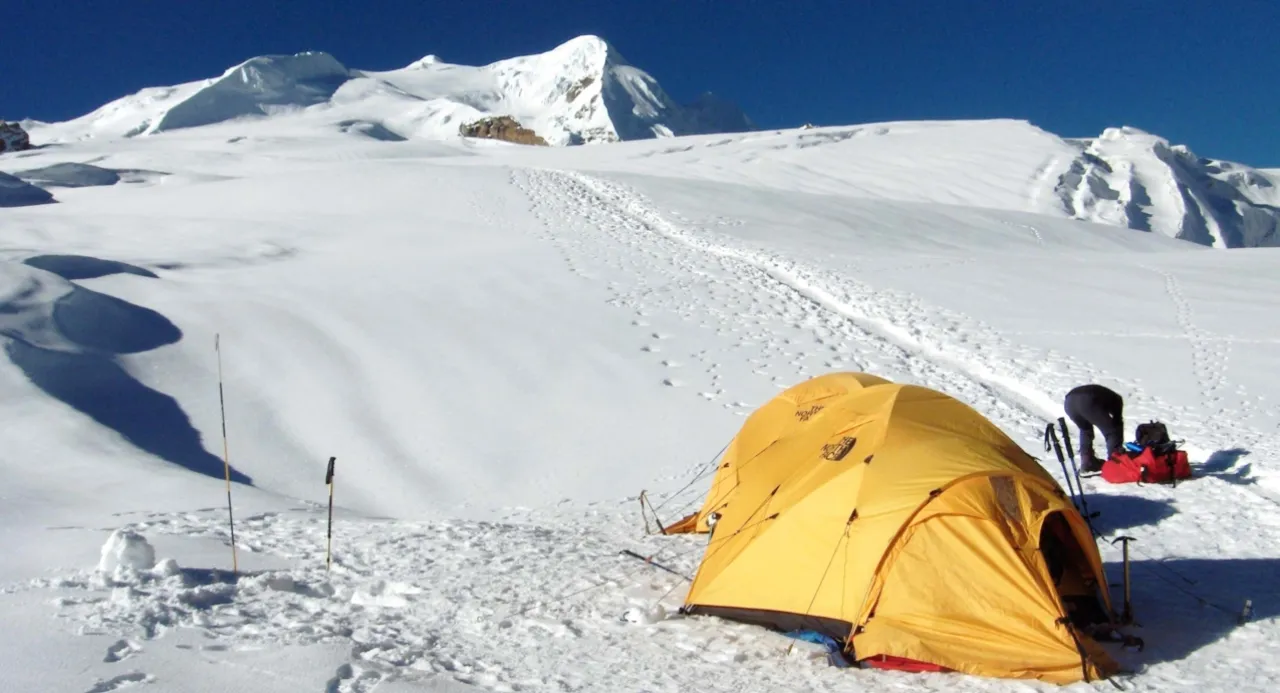
MERA PEAK (6,467m) – The Highest Trekking Peak of Nepal
In case if you are looking to try out one of the Himalayan peaks of Nepal which is a straightforward and non-technical climb situated little bit away from the heavy crowd then you would like to try out Mera Peak (6,467 m) which is one of the highest officially permitted trekking peak in Nepal.
Mera Peak rises to the South of Everest and dominates the watershed between the heavily wooded Valleys of the Hinku and Hongu Drangkas. The area not much frequented by travellers like in the Everest Base Camp trail. The trail to Mera Peak base camp passes through pristine forest, local villages and provides some great views of the Himalayas. From the summit of Mera peak you can have stunning views of Kanchenjunga (8,586 m), Makalu (8,463 m) in the east, Everest (8,848 m) and Lhotse (8,516 m) to the north, and Ama Dablam and Cho Oyu (8,463 m) to the west. Also, the view of sunrise on Everest and Kanchenjunga from the Mera Peak upper slope is mesmerizing.
Overview:
Mera Peak (6,467 m) is one of the highest officially permitted trekking peak in Nepal. Graded alpine PD is physically demanding due to altitude but in terms of climbing it is a non-technically straightforward climb. It offers an exhilarating challenge but are easier to summit than other major mountaineering adventures.
The ascent to Mera Peak from the Mera La (Base Camp) is gradual and sustained, and there is relatively steep section to Mera’s central summit of around 40 degrees. In case of heavy snowfall, the route can be long and challenging. This trip is ideal for those with moderate mountaineering experience, a good level of fitness and a keen sense of adventure.
Trekking Peak:
Nepal Mountaineering Association (NMA) has designated several peaks between 5,000 to 7,000 meters as a trekking peak. These peaks still pose significant challenges with the altitude but requires limited technical climbing experience.
Mera Peak (6,467m): Trip Route
The Mera Peak (6,467m) trip begins with a short and exciting flight to the mountain airstrip at Lukla
Routes Options:
Option 1: Mera Peak Upper Route (Shorter, More Challenging)
This direct route is best suited for experienced high-altitude trekkers. After flying into Lukla, the trek ascends quickly over the Zatrawa La Pass (4,620m) with limited acclimatization time. The return follows the same trail, making it shorter but more intense.
Option 2: Mera Peak Lower Route (Gradual, Better Acclimatization)
This route offers a gradual ascent, giving trekkers more time to adjust to altitude. The trail winds through beautiful villages, rhododendron forests, streams, terraced fields, and Buddhist monasteries. It’s culturally immersive and physically safer due to better acclimatization. The return trip usually takes the faster upper route.
Climbing: A couple of nights at Khare for acclimatization and perfecting your fixed rope and abseiling skills for final push towards the Summit. Then start our climb by establishing our camp at Base Camp (5,300m) on the east side of Mera La on a gravel flat below the ice. Next day is to high camp (5,800m) which is around 4 hours walk on gently slanted snow slopes Then, if the weather permits, it’s a day to summit. Start early morning around 0200 hours with headlights on with continuing up the ridge then ascend steeply to the east of the left-hand ridge before moving to the right to make the summit easier. Our staff will fix safety ropes to the bottom of the last part of the summit climb. During this time, we take a bit of rest at the South Col observing the amazing sunrise over the Himalayas. Then ready for the final push taking the steepest part of the climb of the last section with the help of Jumar. Finally, on the top with a spectacular view of Mt. Everest (8,848m), the highest mountain in the world, Mt. Kanchenjunga (8,586m), the third highest, Mt. Makalu (8,463m) , the fifth highest mountain of the Universe and several other peaks.
Later, we descend slowly and carefully supported by the ropes fixed by our crew. Then we reach Khare where we take a rest after a stressful and exciting trip. From there Mera Peak climb returns to Lukla from the Upper route and then flies to Ramechhap or Kathmandu.
Overnight at the lodge.
Mera Peak Climb (6,467m): Highlights
- Summit the Highest Trekking Peak (6,476m) allowed in Nepal
- Panoramic views of Mt. Everest 8,848m, Kanchenjunga 8586m, Makalu 8485m, Lhotse 8516m, and Cho Oyu 8,150m
- Scenic sunrise over the eastern Himalayas
- Trek through diverse terrains: alpine forests, glaciers, high passes, and local settlements
- Cultural immersion with Sherpa villages and Buddhist heritage
- Ideal for beginners and experienced climbers alike
Island Peak
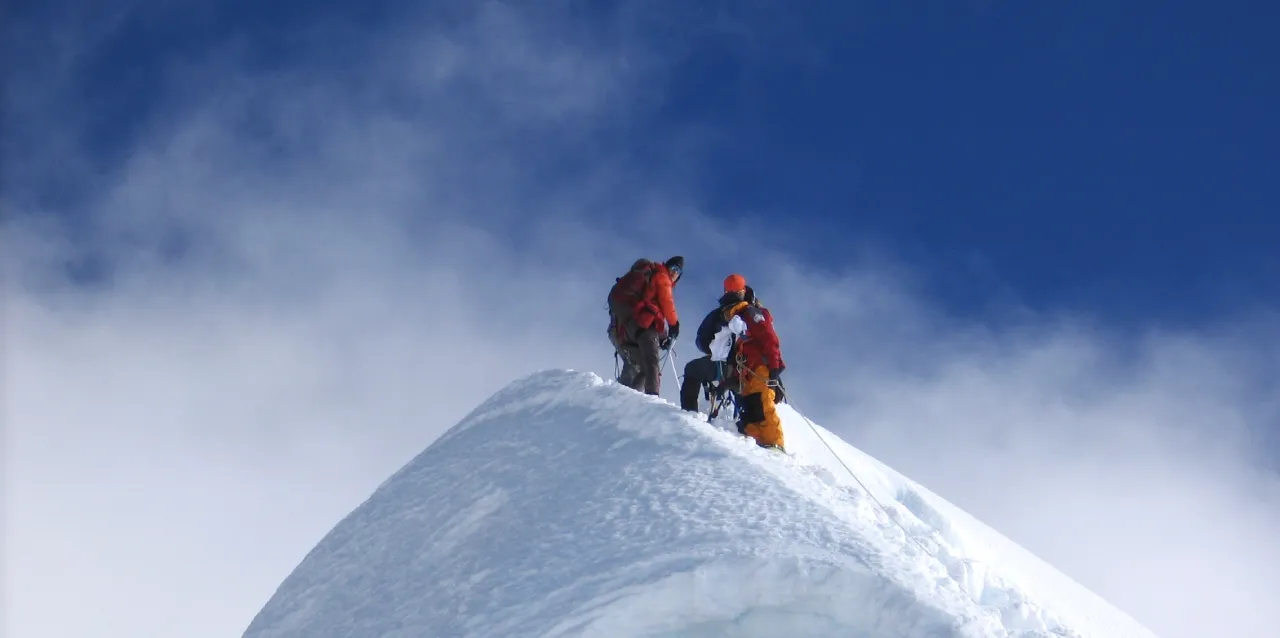
Overview: Island Peak Summit with Everest Base Camp Trek
Island Peak (6,189m) Summit with Everest Base Camp Trek is one of the most iconic and rewarding journeys in the Everest region. This classic expedition offers a perfect mix of high-altitude trekking and non-technical mountaineering, ideal for adventurous travelers dreaming of conquering one of the Himalayan peaks.
The journey to Island Peak begins with a scenic trek to Everest Base Camp (5,364m), passing through traditional Sherpa villages, ancient monasteries, and vibrant chortens, all set against the backdrop of towering Himalayan giants. The trail helps your body gradually acclimatize, while offering breathtaking views of Ama Dablam, Thamserku, Lhotse, and Everest itself.
A magical sunset hike to Kala Pather (5,545m) offers a close-up view of Mount Everest glowing under golden skies highlight for any trekker. After soaking in the majesty of Everest Base Camp, the route leads you across the formidable Kongma La Pass (5,535m) to reach the base of Island Peak (Imja Tse)—a gateway to your ultimate Himalayan summit.
Island Peak Summit: A Gateway to Himalayan Mountaineering
Standing tall at 6,189 meters, Island Peak is a prominent trekking peak located just a few miles from Mt. Everest. It lies nestled among the mighty Lhotse, Imja, and Ama Dablam, offering a thrilling ascent for climbers looking to experience high-altitude alpine climbing.
Although non-technical, the climb does demand basic snow and ice climbing skills. From the base, climbers ascend a rocky ridge, cross a glacier, and tackle a 45° ice slope leading to a narrow summit ridge. The effort is immense, but the panoramic views of Makalu (8,475m), Baruntse (7,720m), and the entire Khumbu range make it all worth it.
Island Peak Summit: Highlights
- Explore 2000 years old Kathmandu City having ancient palaces and spiritual spots
- Trek through Sherpa heartlands, crossing suspension bridges, chortens, and monasteries with fluttering prayer flags
- Experience the raw beauty of the Khumbu Glacier, icefalls, and alpine forests
- Witness stunning sunset views over Everest from Kala Pather
- Brief climbing course by our expert Climbing guide before climbing the peak
- Summit 6,189 m Himalayan peak with professional support
- Incredible views of the several peaks including Mt. Pumori (7,161 m), Mt. Lobuche West (6,145m) Mt. Nuptse (7,861m), Mt. Lhotse (8,516m) and the giant Mt. Everest (8,848m)
- Acclimatization periods in between trek days.
- Support of your expedition by experienced staff.
- Another difficulty you may face on this trip is the weather. The climate should also be favorable to climbers for them to have a successful ascent.
Island Peak Summit: Challenges
- Island summit is a non-technical summit that has some difficulties, such as climbing an ice wall and traversing a glacier.
- Use of jumar/ascenders for 120m vertical ascent on 40–70° ice slopes
- Island Peak may not present much of a challenge to experienced hikers and climbers, but it can be physically and mentally taxing for anyone with little to no mountaineering experience.
- Another challenge you may face on this trip is the weather. The climate should also be favorable to climbers for them to have a successful ascent.
- Weather plays an important role not just for climbing but also for flight to fly to Lukla as the airport is in a mountainous terrain where the weather can change very quickly.
- As this trip reaches above 6000 m the altitude is another challenge
Peak Climbing
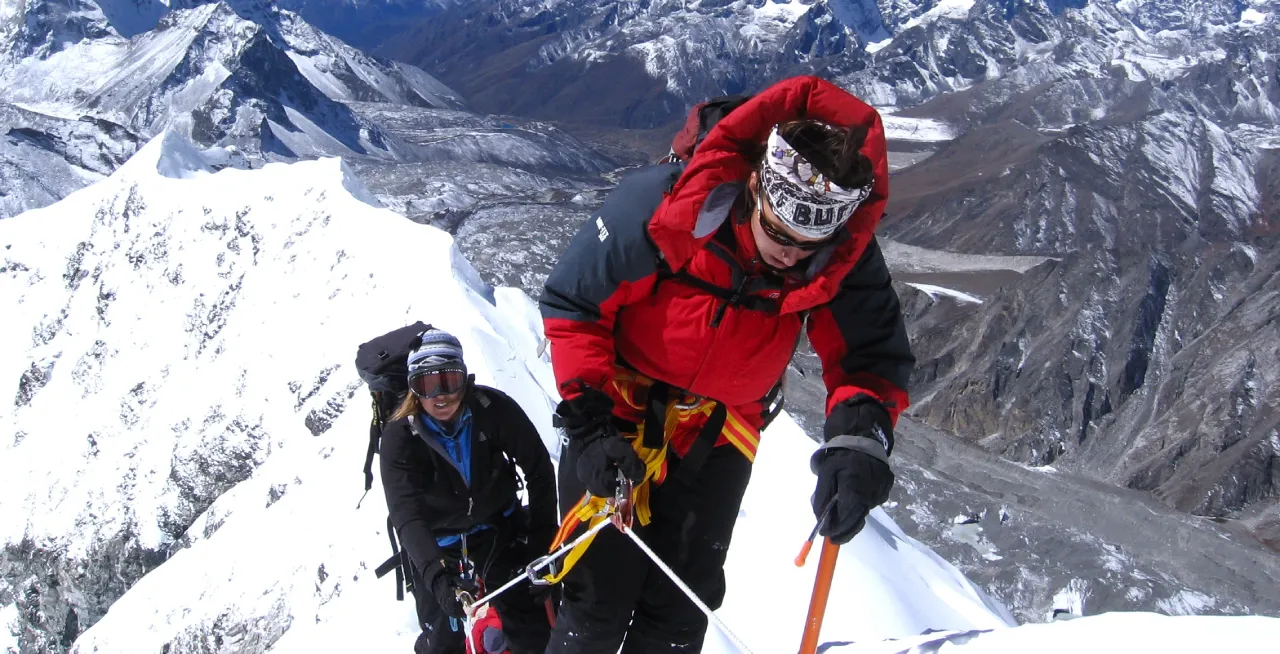
PEAK CLIMBING IN NEPAL:
The vast numbers of snowcapped peaks offer the best choices for Himalaya expedition and climbing in Nepal. Peaks range from excellent introductions to Himalayan mountaineering to some extremely challenging climbs. These peaks are not higher than 6,500 m and situated close to some popular and accessible trekking routes. Some amazing climbs of several days can easily be incorporated into any of the wonderful treks in these areas and so the name Trekking Peaks came about.
The category was created by the Nepal Mountaineering association as an intermediate stage between hiking and all-out mountaineering. They are often close to major peaks, with astounding views from their summits. Climbing them gives you the exhilaration of pitting yourself against Himalayan conditions and altitudes, so don’t underestimate the challenge. It is essential to note that these are still considerable mountains, taller than almost anything in North America or Europe. Don’t be fooled by the name ‘trekking peak’ – most require a little scrambling over snow and ice so make sure you are familiar with the use of crampons and ice axes.
Climbing peaks in Nepal is governed by rules and regulation. The Nepal Mountaineering Association has produced a small booklet containing the regulations governing the ascent of trekking peaks. There are certain requirements governing trekking peaks, such as the need for a registered sirdar and for a recognized agency to get your peak permit.
CLIMBING STYLES:
Although there are straightforward routes on many of these peaks, they certainly should not be underestimated. All peak climbing in the Himalayan Kingdom of Nepal requires the use of rope, axe and crampons; ice screws, snow stakes (pickets) and often a small selection of nuts and pegs (pitons) may be useful. Many of the climbs cross seriously crevassed ground and should not be attempted without a firm grounding in the fundamentals of glacier rope-work and crevasse rescue.
CLIMATE:
Well climbing in Nepal can be done almost all the year round between October and May but the best time will be from October to November, the high season for climbing and trekking, the conditions are usually ideal with clear skies and stable weather, although you might experience the unconsolidated remains of heavy snowfall left over from the monsoon.
CLIMBING GRADE:
This is intended to give an indication of the overall difficulty of a climb – and we have considered a combination of factors such as technical difficulty, the length or duration of the climb, altitude – since this has a significant influence on the grade of the climb, and objective dangers such as the route’s exposure. The difficulty of climbing any Himalayan peak can vary from year to year according to the prevailing conditions, thus the given grades for our climbing trips are only intended as a rough guide.
F: Easy scree or gentle snow or short slopes up to 30 d
PD: Scrambling ground, slopes maybe 40 d
AD: Some pitched climbing on rock, snow/ice 45-50 d
D: Sustained pitched climbing on rock, ice up to 50-60 d
TD: Serious technical climbing, vertical ice
ED1: Expect sustained vertical or overhanging sections
ED2: The ED series is open ended, and gets harder with each generation
CLIMBING EQUIPMENTS:
It is important to have proper climbing equipment for climbing trip in Nepal. There are plenty of shops in Kathmandu where you can purchase good quality climbing gears. In case if you are interested in just hiring the option is always there.
Some of the technical gear you will be requiring is Plastic Boots, Crampoons, Harness, Helmet, Ice Axe, Ascenders, Descenders, Gloves, Gaiters, ropes, snow bar, ice screws
DEALING WITH EMERGENCY:
Climbers should be aware that there is very little in the way of rescue organization for handling trekker’s/climbing emergencies in Nepal. Though our guides are trained in first aid and can deal with most of the basic ailments that occurs during a trek but in case of serious problem one has to be helicopter out to the nearest place where there are adequate medical facilities. One needs to have a proper Insurance coverage i.e. helicopter rescue, medical and accidental policy as the cost of rescuing can go very high. If the landing site is far away, then we will have to use either porters or yak/mule to transport it to a place where you could be rescued. You must be aware that you are traveling in a very remote part of the world where there are difficulties of communication and getting an instant medical attention.
ALTITUDE RELATED PROBLEM:
Trekking/Climbing in the Himalayas can often affect a trekker/climber with altitude related discomfort either physically or mentally if ascending beyond the safer limits of 3000 m above sea level. Complaints of discomfort could either be mild or acute and they vary from person to person. Decreasing supply of oxygen in the atmosphere as one ascent higher, followed by lesser intake of oxygen by one’s body results in such discomfort.
Far Out including its staff are absolutely aware of this problem and hence for us it’s a big deal to allow ample time in between trek days to let your body acclimatize well. If affected, a person may show any/some of the following symptoms and complaints of such symptoms are collectively known as Acute Mountain Sickness (AMS).
- Headache that responds to pain killers but then returns
- Loss of appetite
- Nausea
- Shortness of Breath
- Cough
- Palpitation
- Dizziness/light-headedness
- Unusual Tiredness/Weariness
- Swelling of the limbs & face
- Disturbed Sleep
- Poor Coordination
- Slurring of Speech
If such discomforts worsen a person could often become irrational and difficult to reason with making her/his ability to make sensible decisions increasingly impaired – one compelling reason for never trekking alone at higher altitudes. Therefore, we urge you to communicate with our guide/your group leader at all times should you experience any of these symptoms so that these can be effectively monitored.
INSURANCE:
We strongly recommend that you insured yourself before taking a trekking trip to Nepal. Your insurance policy should cover travel insurance, medical, accidental and helicopter rescue in case of emergency.
PEAK PERMIT FEE:
There are 27 climbing peaks regulated by the Nepal Mountaineering Association (NMA). A total of 33 Peak Permits were managed by NMA until the new regulation came into effect. Hence the NMA regulated peaks are termed as ‘Trekking Peaks’.
GROUP “A” and “B“:
(Mar/Apr/May)= US$ 250 net per person
(Sept/Oct/Nov)= US$ 125 net per person
(Dec/Jan/Feb/Jun/Jul/Aug)= US$ 70 net per person
Singu Chuli (Fluted Peak) and Chulu East:
(Mar/Apr/May)= US$ 400 net per person
(Sept/Oct/Nov)= US$ 200 net per person
(Dec/Jan/Feb/Jun/Jul/Aug)= US$ 100 net per person
GARBAGE DEPOSIT:
The amount of US $ 500.- per peak should be deposited to NMA as garbage deposit fee to obtain the climbing permit for all 33 NMA Peaks. The refund shall be made as per the provisions made by NMA.
Nepal Tibet Tour

Overview: Nepal Tibet Tour
Nepal Tibet tour is an exciting journey through two of the most historic and spiritually significant cities in the world—Kathmandu and Lhasa. This eleven days Nepal Tibet tour connects the vibrant capital of Nepal, rich in cultural heritage and ancient temples, with the heart and soul of Tibet, home to mesmerizing monasteries and breathtaking landscapes. From the bustling streets of Kathmandu to the serene, high-altitude wonders of Lhasa, this adventure is designed for travelers seeking history, spirituality, and awe-inspiring scenery.
Nepal Tibet Tour: Kathmandu Valley: A Cultural & Spiritual Hub
Kathmandu, the capital of Nepal, boasts a history of over two millennia and is home to multiple UNESCO World Heritage Sites. The valley is a treasure trove of ancient palaces, sacred temples, and vibrant markets. Notable highlights include:
- Swayambhunath (Monkey Temple): A revered Buddhist stupa which mark the birthplace of Nepal
- Pashupatinath Temple: A sacred Hindu site where devotees perform rituals along the Bagmati River.
- Boudhanath Stupa: The largest Buddhist stupa in Nepal and a key center of Tibetan Buddhism.
- Patan Durbar Square: A historic royal palace showcasing exquisite Newari architecture.
- Bhaktapur Durbar Square: A well-preserved medieval city featuring ancient courtyards and temples.
- Ason Market & Indra Chowk: Bustling local markets offering a glimpse into daily life and traditional trade.
- Hiking in the Kathmandu Valley: Escape the city’s hustle with scenic treks to Nagarkot and Shivapuri.
- Local Festivals: Experience vibrant celebrations such as Indra Jatra and Dashain, integral to Nepalese culture.
Why Visit Kathmandu?
- Rich History & Architecture: Discover century-old temples, palaces, and UNESCO-listed landmarks.
- Spiritual Diversity: Witness Hindu and Buddhist traditions coexisting harmoniously.
- Cultural Immersion: Explore ancient markets, local cuisine, and traditional art forms.
- Scenic Getaways: Enjoy lush green hills, short treks, and breathtaking sunrise views over the Himalayas.
- Lonely Planet ranking 2019: Kathmandu is the best city in South Asia to visit, the second best in entire Asia and 5th best city in the world.
Nepal Tibet Tour: Lhasa: The Spiritual Heart of Tibet
Situated at an altitude of 3,656 meters, Lhasa is one of the highest cities in the world and the spiritual center of Tibet. Whereas Xigatse is the second largest city in Tibet, it is the seat of Panchen Lama. A journey here unveils Tibet’s deep-rooted Buddhist traditions and spectacular landscapes.
Top Attractions in Lhasa & Beyond
- Potala Palace: A UNESCO-listed architectural masterpiece and former winter residence of the Dalai Lama.
- Jokhang Temple: Tibet’s holiest temple, attracting pilgrims from across the region.
- Barkhor Street: A lively market encircling Jokhang Temple, filled with prayer wheels and religious artifacts.
- Sera Monastery: Famous for its lively debates among Buddhist monks.
- Yamdrok Lake: A sacred turquoise lake surrounded by snow-capped peaks.
- Xigatse (3,800m): Tibet’s second-largest city, home to the renowned Tashilhunpo Monastery.
Why Visit Lhasa & Xigatse?
- Spiritual Significance: Immerse yourself in Tibetan Buddhist culture and sacred sites.
- Architectural Marvels: Explore ancient monasteries, palaces, and traditional Tibetan homes.
- Natural Wonders: Witness breathtaking high-altitude landscapes, including serene lakes and Himalayan vistas.
- Authentic Tibetan Culture: Experience local customs, rituals, and vibrant marketplaces.
Challenges: Nepal Tibet Tour
Nepal Tibet tour is purely focused on the Cultural, Spirituality and a bit of hiking allowing visitors to experience the rural setup and one to be with nature.
The true challenge of this Nepal Tibet tour is Tibet because of the elevation, which reaches 3,650 meters. Some people may find it difficult to adapt to the altitude, which can lead to headaches, breathing difficulties, and difficulty sleeping. Therefore, anyone with long-term medical issues, such as heart/lung problems, should speak with their doctors before going on this tour.
Otherwise, Nepal Tibet tour is a simple, easy grading with lot of beautiful stupas, temples, dzongs, ancient palaces and interacting with friendly people who are very spiritual.
Embark on a once-in-a-lifetime Nepal Tibet tour extravaganza!
Plan Your Journey Today!
From Kathmandu’s rich heritage to Lhasa’s spiritual wonders, this Nepal Tibet tour is a once-in-a-lifetime opportunity to explore two extraordinary destinations. Whether you seek adventure, spirituality, or cultural discovery, Kathmandu and Lhasa promise an experience like no other. Book your journey now and step into the heart of the Himalayas!
Wonders Of Nepal
Overview: Wonders of Nepal
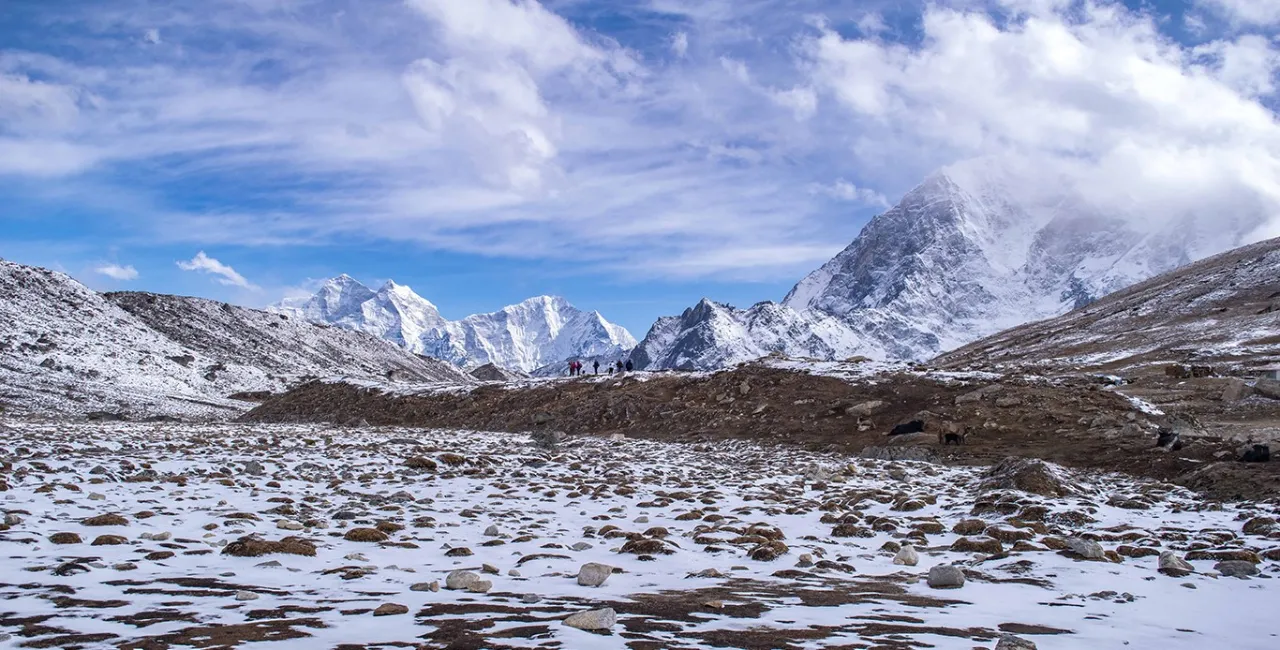
Despite its small size, Nepal is a land of breathtaking wonders, offering an unforgettable experience. From the world’s highest peak to sacred spiritual sites, from stunning landscapes to historic palaces, Nepal is a treasure trove of natural and cultural marvels. If this excites you, try on our 7-Day Wonders of Nepal Tour which incorporates some of the amazing elements that Nepal is famous for.
Experience: Wonders of Nepal
Your journey begins with a stay in a hotel inspired by Kathmandu Valley’s rich cultural heritage. Next, embark on a spectacular helicopter ride to Mount Everest (8,848m), the highest peak on Earth. Enjoy a delightful breakfast at Hotel Everest View, Syangboche (3,800m), offering unparalleled panoramic views of the Himalayas—a truly once-in-a-lifetime experience.
From the highest peak, travel to Lumbini, the birthplace of Lord Buddha and one of the most revered sites in Buddhism. Explore its sacred grounds, dating back to the 3rd century BC, which hold significant historical and spiritual importance.
Then, head south to Chitwan National Park, one of Asia’s finest wildlife reserves. A thrilling jungle safari awaits, where you may encounter exotic birds, rhinoceroses, and, if lucky, the elusive Royal Bengal tiger.
Throughout the tour, explore the vibrant city of Kathmandu, home to UNESCO-listed historical monuments, ancient palaces, and sacred religious sites.
Kathmandu Valley: A Blend of History and Culture
Kathmandu, the capital of Nepal, boasts a history spanning over two millennia. The valley is home to three ancient cities—Kathmandu, Patan, and Bhaktapur—each featuring intricately designed palaces, temples, and courtyards. Major UNESCO World Heritage sites include:
- Swayambhunath Stupa (Monkey Temple) and Boudhanath Stupa, two of the world’s largest Buddhist stupas
- Pashupatinath Temple, a sacred Hindu site attracting thousands of devotees
- Durbar Squares of Kathmandu, Patan, and Bhaktapur, showcasing exquisite Newari architecture
- Ason Market, a bustling hub reflecting the valley’s vibrant daily life
- Heritage Hotel
Everest Helicopter Tour: A Sky-High Adventure
Considered one of the world’s most spectacular aerial tours, the Everest Helicopter ride offers a breathtaking view of the Khumbu region. Enjoy panoramic vistas of:
- Mount Everest (8,848m) and other iconic peaks: Lhotse (8,516m), Cho Oyu (8,201m), Nuptse (7,861m), and Pumori (7,165m)
- Gokyo Lakes, pristine glacial lakes nestled in the Himalayas
- Khumbu Icefall, a mesmerizing sight from above
End your helicopter tour with a delicious breakfast at the world’s highest-altitude hotel, where you can soak in 360-degree views of the Himalayan giants.
Lumbini: The Birthplace of Buddha
Walk in the footsteps of Prince Siddhartha, who later became Buddha, the Apostle of Peace. Lumbini is a sacred pilgrimage site featuring:
- Maya Devi Temple, marking the exact birthplace of Buddha
- Ashoka Pillar, erected by Emperor Ashoka in the 3rd century BC
- Monastic Zone, home to monasteries built by Buddhist communities worldwide
Chitwan National Park: A Wildlife Paradise
A UNESCO World Heritage Site, Chitwan National Park is renowned for its diverse wildlife and lush jungles. Activities include:
- Jeep Safari, offering a chance to spot rare species like the one-horned rhinoceros and Royal Bengal tiger
- Bird Watching, with over 500 species recorded in the park
- Canoeing on the Rapti River, home to crocodiles and unique aquatic wildlife
Highlights: Wonders of Nepal
- Helicopter ride to Everest with breathtaking Himalayan views
- Visit to Lumbini, the spiritual heart of Buddhism
- Exploration of ancient palaces, showcasing Nepal’s rich Newari culture
- Visits to UNESCO-listed Hindu and Buddhist religious sites
- Engage in Buddhist teachings and receive blessings from a Lama
- Jungle safari in Chitwan National Park, one of Asia’s premier wildlife reserves.
Conclusion: Wonders of Nepal
Nepal is a land of breathtaking landscapes, rich cultural heritage, and thrilling adventures. Whether you’re trekking through the Himalayas, exploring ancient temples, or enjoying the diverse wildlife, this enchanting country offers a once-in-a-lifetime experience. Plan your trip at the right time, pack wisely, and embrace the adventure of a lifetime in the heart of the Himalayas!