

Tag: short tour
Why a Short Tour in Nepal Is the Smartest Way to See the Country
Introduction to Short Tours
A short tour (3-6 days) is one of the best travel experiences in Asia and is centered around Nepal’s Golden Triangle, comprising Kathmandu, Pokhara, and Chitwan. There’s a reason more first-time visitors and budget-conscious travelers are choosing it over the classic long trek.
This is also a version of Nepal that most people never see. Not because it is hard to reach, but because the conversation about Nepal almost always starts and ends with trekking. Everest Base Camp. Annapurna Circuit. Weeks of mountain passes, teahouses, and altitude medication.
That version of Nepal is extraordinary. It is also not the only one.
Nepal also has ancient cities that have been ringing temple bells for over 2,000 years. It has a lakeside town set against the sharpest mountain skyline on earth. It has a jungle that is home to one-horned rhinoceroses, Royal Bengal tigers, and crocodiles basking on riverbanks. And none of it requires a single day of serious hiking to reach.
1. You See Three Completely Different Nepals in One Trip
This variation surprises first-time visitors the most. Nepal is not one landscape, but several, stacked on top of each other.
Kathmandu is a medieval city that somehow survived into the 21st century with its temples, courtyards, and ritual life largely intact. Seven UNESCO World Heritage Sites sit within the valley, including
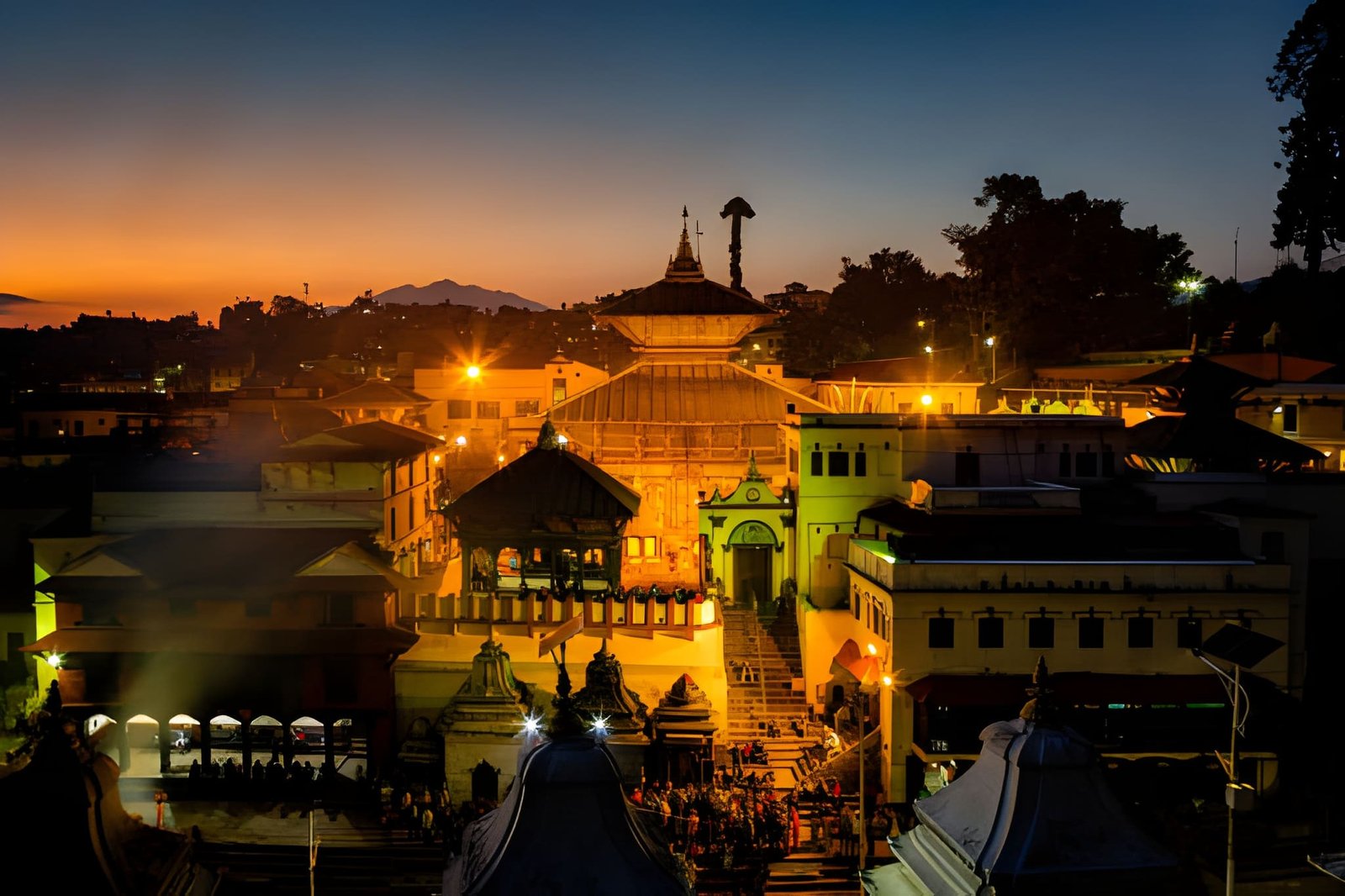
- Pashupatinath Temple, one of Hinduism’s most sacred sites
- Bouddhanath, one of the largest Buddhist stupas in the world.
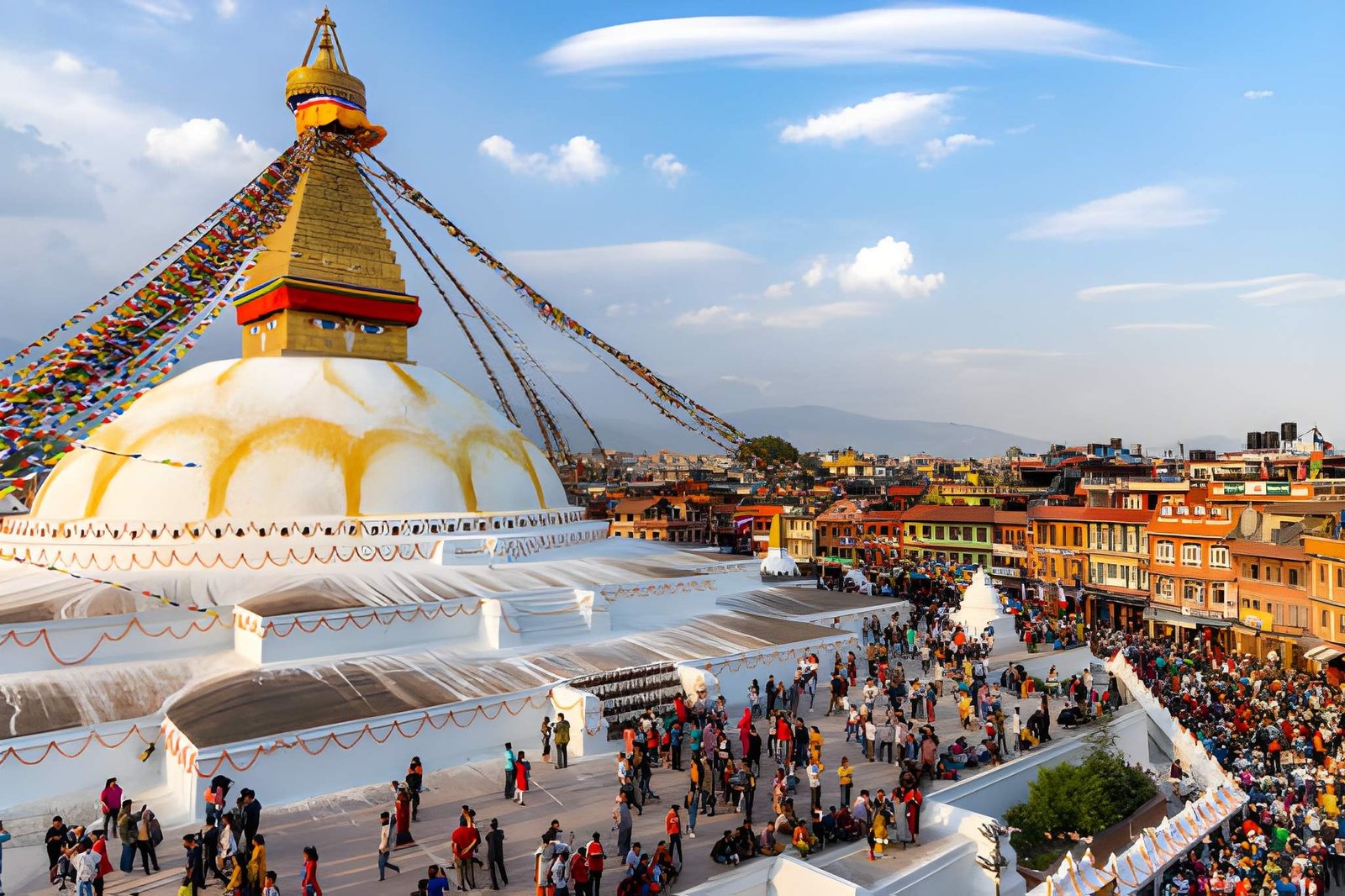
The streets around these monuments smell of incense and marigold garlands, and the devotional life happening in them is not performance. It is simply Tuesday in Kathmandu.
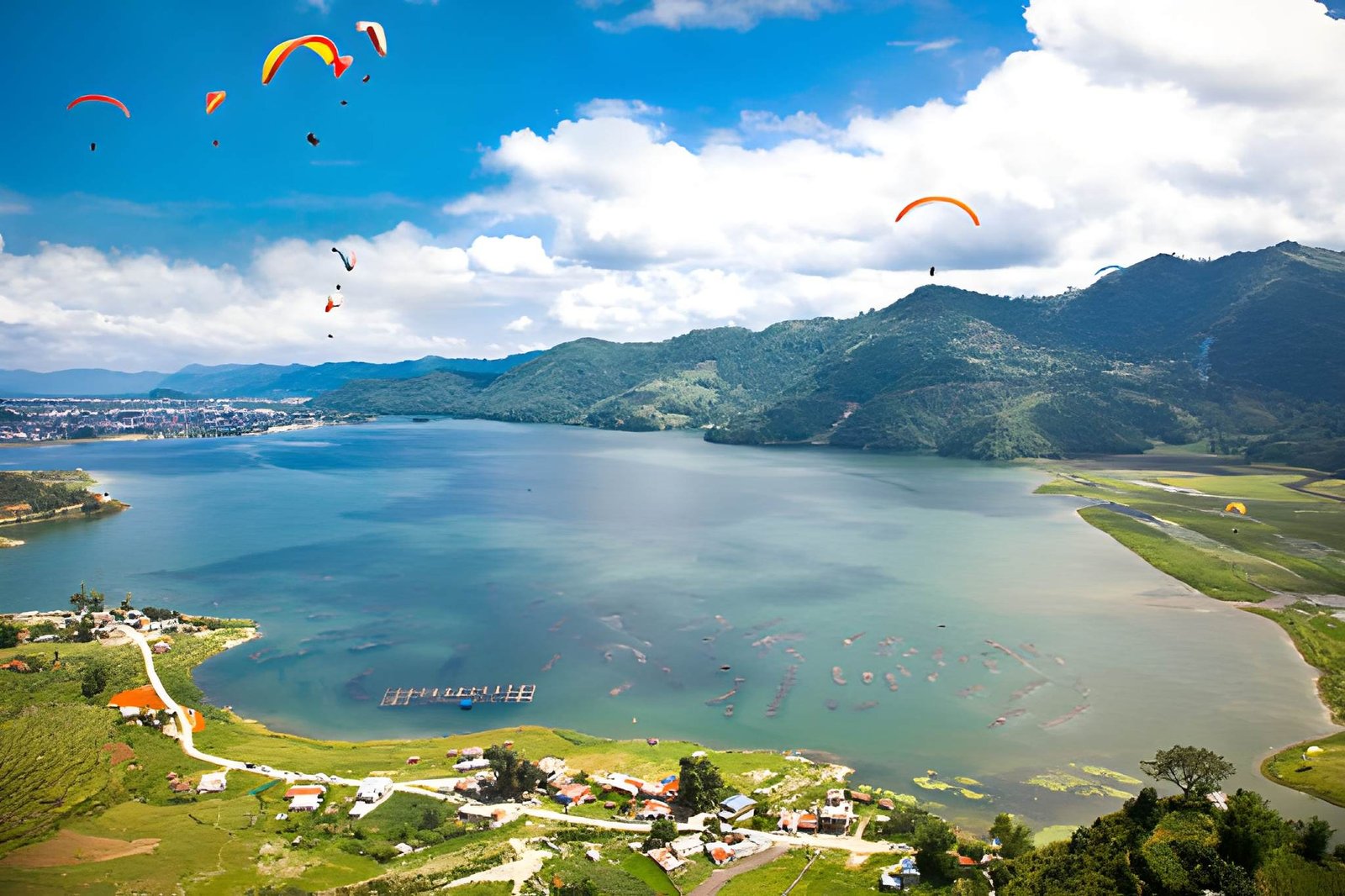
Drive west for six hours or fly for 25 minutes, and you are in Pokhara. This famous lakeside city, where the Annapurna range hangs so close, still stops travellers mid-sentence when they first see it. It is calm, beautiful, and built for lingering.
Drive south from Pokhara for five hours, and the entire geography changes. The Himalayas disappear behind you. The air gets warmer, the vegetation thicker. You have finally reached the Terai region, Nepal’s subtropical lowlands. You can pull up to the edge of Chitwan National Park, where one-horned rhinos graze in the early morning mist fifty meters from the road.
Three days, three worlds. No other country in Asia delivers that kind of variety in such a compact window.
2. No Trekking Experience Required Or Needed
The single biggest misconception about Nepal travel is that you need to be physically prepared for it. That assumption is built around trekking itineraries that involve weeks at altitude. This quietly discourages millions of travelers who would have a memorable time in the country without ever lacing up a hiking boot.
The Golden Triangle short tour is entirely vehicle and flight-based. The most demanding physical activity in Kathmandu is walking between heritage sites at 1,400 metres above sea level. In Pokhara, the optional sunrise hike up to Sarangkot viewpoint takes 45 minutes on a maintained path. In Chitwan, your naturalist guide leads you through the forest on a jungle walk at whatever pace suits the group.
Altitude sickness is simply not a factor anywhere. Kathmandu sits at 1,400 metres, Pokhara at 827 metres, and Chitwan at just 70 metres. No acclimatization days, no Diamox, no turning back at 4,500 metres because your head is splitting.
This matters particularly for families traveling with young children, for senior travelers, and for anyone who loves travel but does not identify as a hiker. Nepal, on a short tour, is as physically accessible as Paris or Kyoto, and more rewarding than either.
3. It Is One of the Best Value Trips in Asia
Nepal consistently ranks among the most affordable travel destinations in the world, and the short tour format amplifies that value considerably. You are getting UNESCO World Heritage Sites, genuine wildlife safaris, Himalayan mountain views, and guided cultural immersion within a week.
At the mid-range level, a well-organized 5–6 day Nepal short tour, including 3-star accommodation, private transport, domestic flights, and guided sightseeing ($500–$650 per person). Budget travelers who opt for tourist buses and guesthouses instead can do the same circuit for $300–$400.
To put that in context: a 3-night safari in Kenya’s Maasai Mara starts at $1,500 per person. A 4-day cultural tour of Kyoto with a licensed guide runs $800–$1,200. Nepal’s short tour delivers comparable quality of experience, and in some ways, considerably more variety, at a third of the price.
The daily on-the-ground costs are equally generous. A full meal at a good local restaurant in Kathmandu or Pokhara costs $5–$10. A rooftop dinner with mountain views runs $15–$20. Entry fees to all of Kathmandu’s major heritage sites combined come to under $40. A tandem paragliding flight over Pokhara, also one of the best paragliding sites in Asia, costs around $80–$100.
For budget travelers specifically, Nepal is the rare destination where stretching your money does not mean compromising the experience. The temples do not charge more for being beautiful.
4. You Get the Sunrise Moments Without Earning Them
There is a particular category of travel experience that most people associate exclusively with long, difficult journeys. These are also the kind of views that feel like they must be earned through days of physical effort. Nepal’s short tours deliver several of these without the week-long approach march.
You can experience the Sarangkot sunrise above Pokhara. The Annapurna range (Machhapuchhre, Annapurna South, Hiunchuli, & Dhaulagiri) catches the first light of morning while Phewa Lake reflects the sky below. You get there by jeep at 5 am, stepping out into the cold dark alongside a few dozen other travelers, and then the mountains appear. It costs nothing except an early alarm.
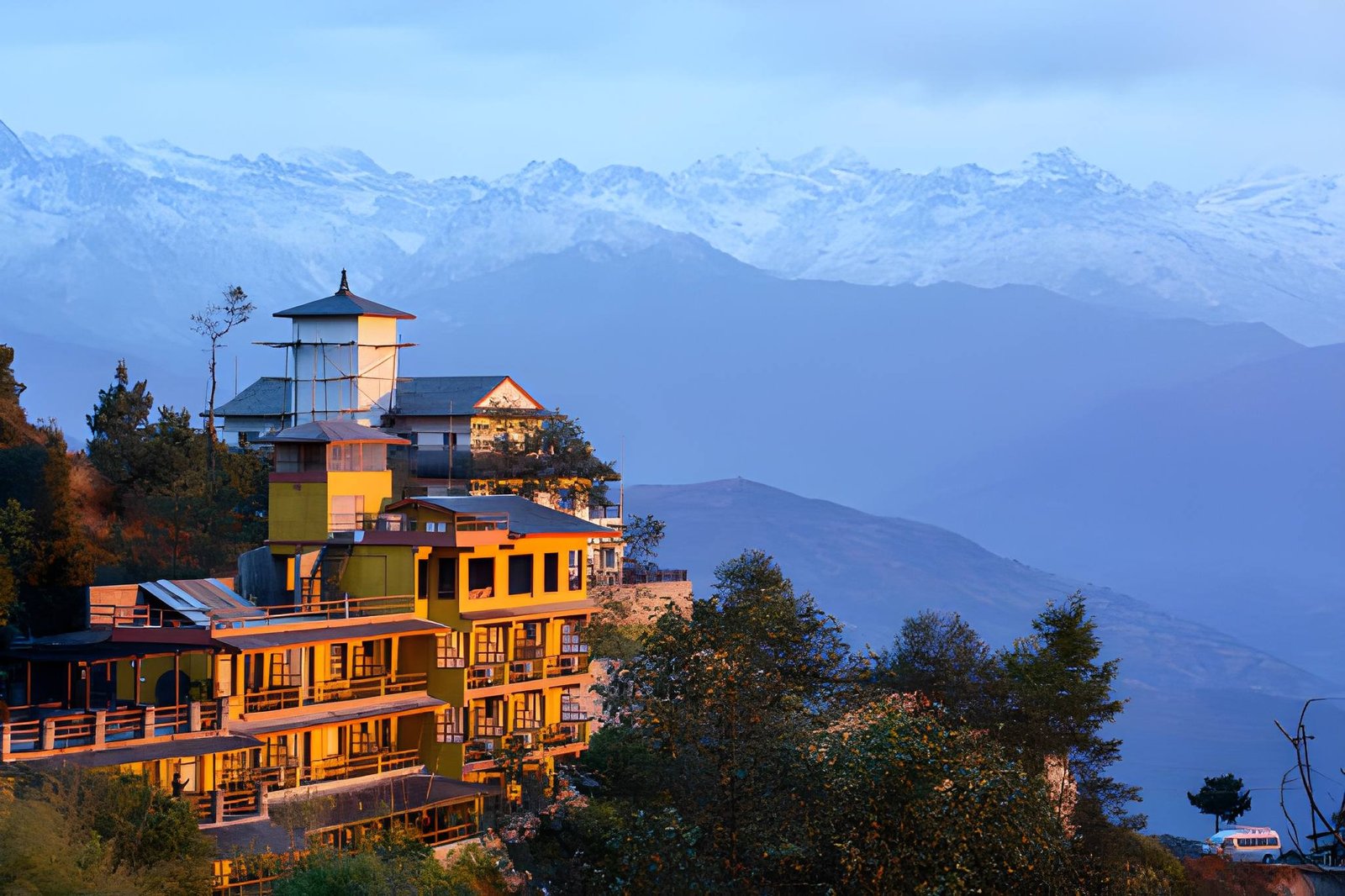
But you should not doubt Kathmandu as well. You can catch the Nagarkot sunrise above the Kathmandu Valley. At 2,100 metres on the valley rim, you can see a 180-degree arc of Himalayan peaks during October and November mornings. From Dhaulagiri in the west to Kanchenjunga in the east, you can even see Everest as a dark triangle of mighty summits. A 3-day Kathmandu itinerary with a Nagarkot overnight delivers this view to any traveler regardless of fitness level.
Meanwhile, Chitwan has its own dawn speciality with the early morning jeep safari. Not a sunrise moment in the same visual sense, but you can consider it more visceral. You’ll be moving through tall grass corridors in the pre-dawn half-light while your Guide Dai reads the forest in silence, and then suddenly a one-horned rhino appears from the mist twenty meters from the jeep. These are the moments that people recount for years, and they happen on 2-night Chitwan stays.
5. Long Treks Demand Time That Most Travelers Simply Do Not Have
The Everest Base Camp trek takes 12–14 days. The Annapurna Circuit takes 15–20 days. Even the Poon Hill circuit, arguably the shortest trek in Nepal, requires 4–5 days of actual hiking plus travel time from Kathmandu on either side.
For the majority of international travelers, this is simply not compatible with the reality of annual leave. Most people working in the US, Europe, or the Gulf have 10–15 days of holiday per year. Factor in travel time to Kathmandu (8 to 14 hours from most major airports), and a 12-day trek, and it consumes the entire time before you have bought a single souvenir.
A 6-day short tour fits inside a normal 10-day holiday with two days of international travel padding on either end. It can be completed over a long weekend, extended with a few days of annual leave for travelers based in South or Southeast Asia. It is realistic in a way that the classic Nepal trekking holidays simply are not for most working travelers.
This is not a compromise. The short tour delivers a genuinely complete Nepal experience. It is a different experience from trekking, but definitely not a lesser one.
6. Nepal Rewards You For Slowing Down in Its Cities
One of the underrated arguments for the short tour format is what it allows you to actually do in Kathmandu and Pokhara. These are the cities that most trekking itineraries treat as mere gateways. Trekkers typically spend one night in Kathmandu before flying to Lukla or Pokhara, acclimatizing briefly, and disappearing into the mountains.
They see the tourist district of Thamel, maybe one stupa, and board their morning flight. They miss Bhaktapur entirely. They miss Patan’s museum, the finest repository of Newari Buddhist art in existence.
They miss the morning ritual at Pashupatinath, which is one of the most quietly affecting things you can experience anywhere in Asia. You witness cremations on the riverbank, sadhus sitting in firelight, priests performing aarti as the Bagmati flows past.
Kathmandu is a city with 2,000 years of active religious and artistic life compressed into a valley ringed by mountains. Bhaktapur is a medieval city that survived largely intact and still functions as a living community rather than a museum. Pokhara is one of the most naturally beautiful cities in the world. A short tour gives these places two to three days each, which is enough time to move from tourist to traveler in them.
The short tour, in this sense, is not a lesser version of the Nepal experience. It is a unique version of a part of Nepal that most trekkers never really see.
7. It Is the Perfect First Chapter of a Longer Nepal Story
Perhaps the most persuasive argument for the short tour is what it does to you afterward.
Nepal is one of those rare destinations that creates repeat visitors almost automatically. Travelers who do a short tour come back for Poon Hill. Poon Hill trekkers come back for Annapurna Base Camp. Annapurna trekkers come back for Everest Base Camp, Upper Mustang, or Langtang. The country operates like a series of doors, each one opening onto something more extraordinary than the last.
The short tour is the first door, with low commitment, but higher reward. It’s structured in a way that answers the question “what is Nepal actually like” before you have invested two weeks and serious physical preparation in the answer. For first-time visitors, that is exactly the right starting point. You come away understanding the country. You experience its culture, its scale, its warmth. In a way, deciding to return feels less like a luxury and more like an inevitability.
Many of the most committed Nepal travelers, i.e., those who come back year after year and those who speak of it the way others speak of home, started with three days in Kathmandu and a Nagarkot sunrise. The short tour is not the whole story. It is just the best place to begin.
Thinking about your first Nepal short tour? Far Out’s Glimpse of Nepal package covers the full Golden Triangle in 6 days, with day-by-day itineraries, cost breakdowns, and everything you need to plan your trip.