
Category: Blogs
Is the Cultural Tour or the Spiritual Tour A Better Way to Explore Bhutan?
Introduction
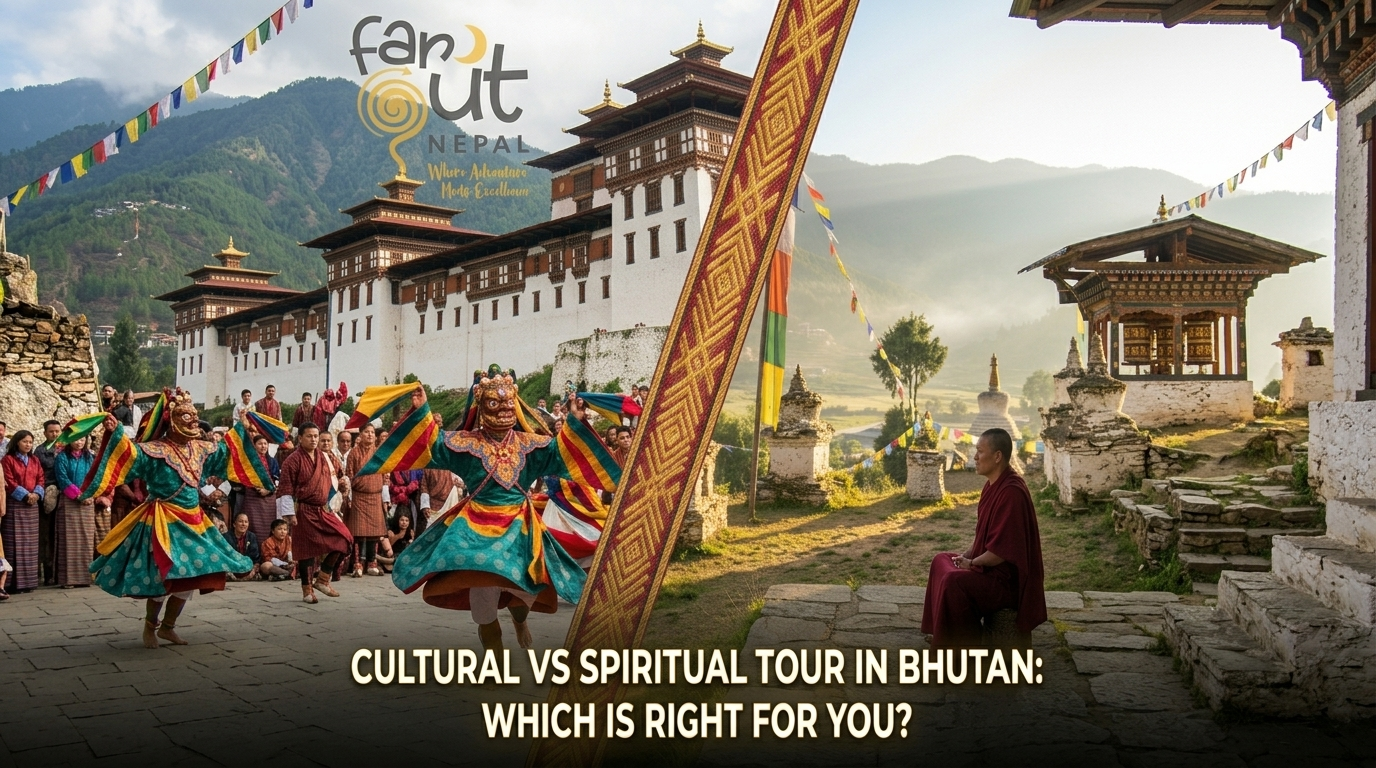
Bhutan’s culture and spirituality are deeply intertwined. A cultural tour and a spiritual tour can include visits to many of the same dzongs, monasteries, and valleys. What changes is the purpose behind the visit, the activities built into each day, and how deeply you engage with what you’re seeing.
This guide compares the two experiences so you can decide which better matches what you want from your time in Bhutan. If you want an expert opinion or to book a tour to Bhutan immediately, contact Far Out Nepal now.
Bhutan Cultural Tour vs Spiritual Tour at a Glance
| Dimension | Cultural Tour | Spiritual Tour |
| Main purpose | Explore Bhutanese heritage and identity | Engage more deeply with Bhutan’s Buddhist traditions |
| Primary interests | History, architecture, festivals, arts, food, local life | Buddhism, sacred sites, meditation, reflection |
| Monasteries & dzongs | Viewed through cultural and historical significance | Experienced through religious and spiritual significance |
| Activities | Sightseeing, museums, festivals, craft experiences, village visits | Monastery visits, meditation, spiritual practice, reflection |
| Pace | Sightseeing-oriented | Tends to be more reflective |
| Best suited to | Culture and history travelers, first-time visitors wanting a broad introduction | Travelers with a particular interest in Buddhism and contemplative experiences |
| Overall experience | Broad exploration of Bhutan | Deeper, more focused spiritual immersion |
| Can they overlap? | Yes | Yes |
The short answer: neither is inherently better.
Choose based on whether you want to explore Bhutan primarily through its culture and heritage, or engage more deeply with its Buddhist and spiritual traditions. A cultural tour is about learning to understand Bhutan. A spiritual tour is about learning to connect with Bhutan.
We won’t go into detail about cost, duration, or visa requirements. Both tour types run on the same Bhutan tourism framework, so those aren’t meaningful differentiators. It’s about what you’ll actually spend your days doing, and why.
What Does a Bhutan Cultural Tour Focus On?
A Bhutan cultural tour is built around understanding the country in broad terms through its history, architecture, festivals, and everyday rhythms. It’s less a checklist of monuments and more an introduction to how Bhutanese life actually works.
Bhutanese History and Heritage
Cultural itineraries lean into Bhutan’s history: how the country was unified under the Zhabdrung Ngawang Namgyal in the 17th century, how its dzongs doubled as forts and seats of regional government, and how that history still shapes Bhutanese identity today.
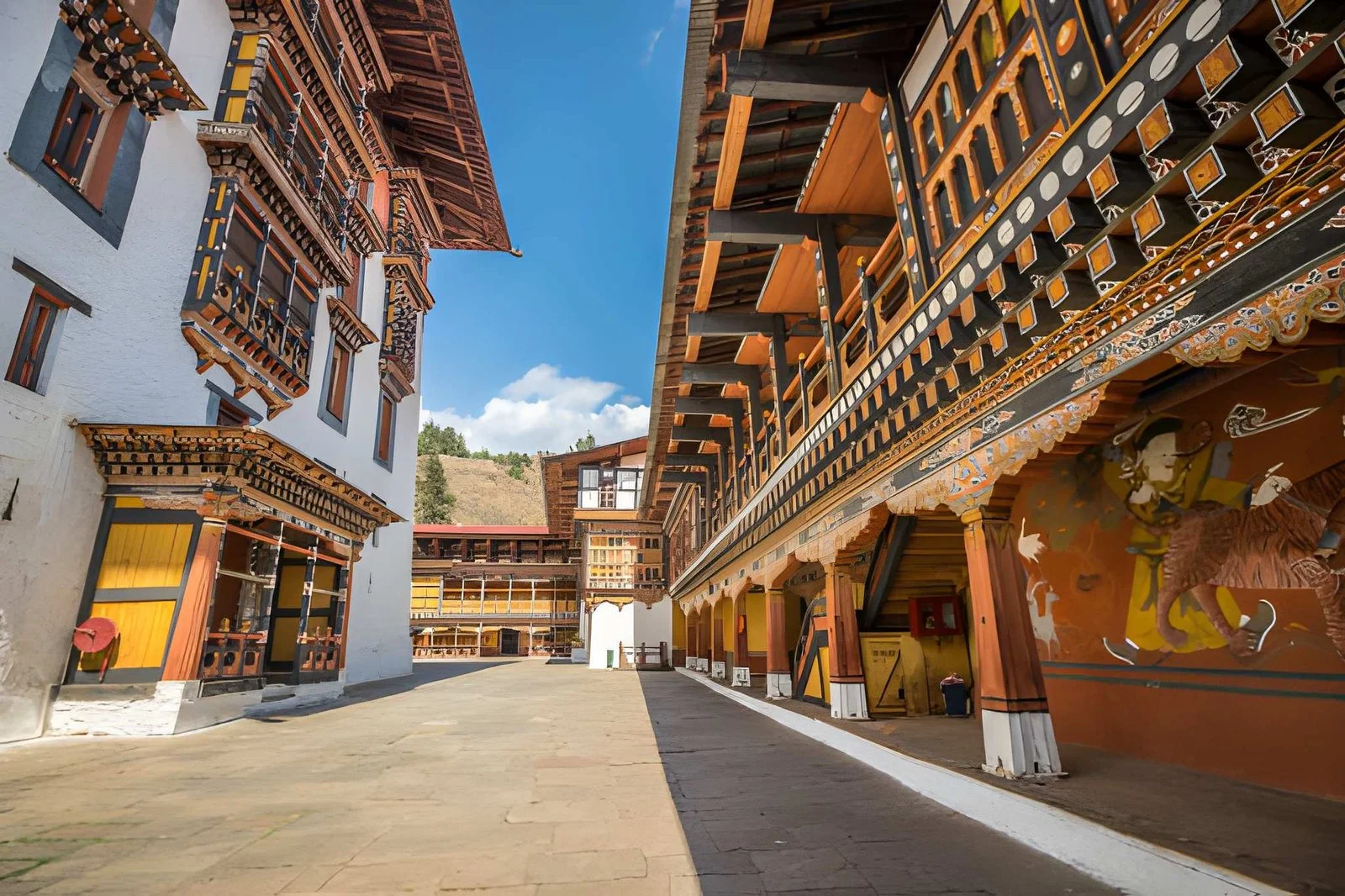
Visits to dzongs and historic sites are framed around what they meant to the nation. Learn about the battles fought, borders defended, and governance established, not only what they mean religiously. Sites like Punakha Dzong or Rinpung Dzong in Paro are as much a lesson in Bhutanese statecraft as they are architectural landmarks.
Architecture, Arts and Traditional Crafts
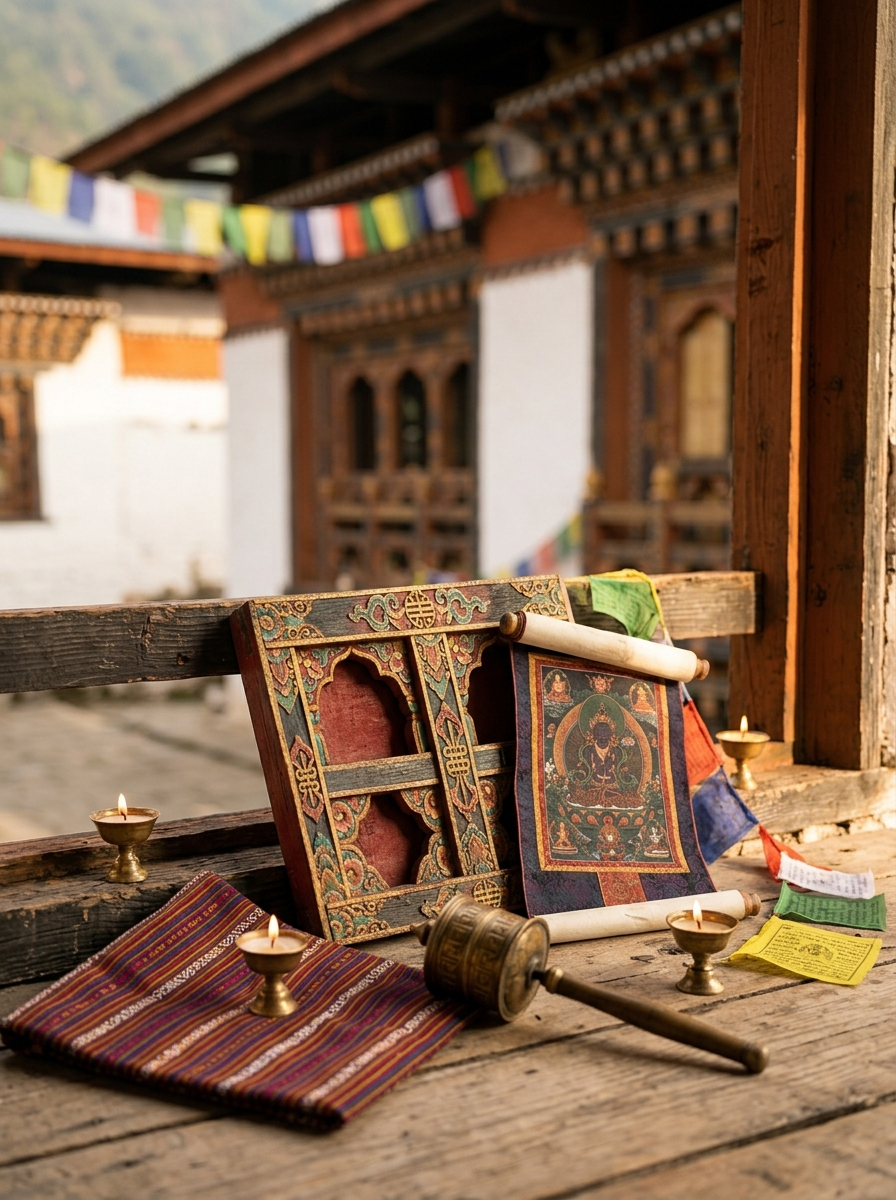
Bhutan’s traditional architecture, like the whitewashed walls, the carved wooden windows, the roofs without a single nail, is a major draw for cultural travelers. You can expect visits built around dzongs and monasteries as architectural and artistic achievements, alongside stops at textile workshops, thangka painting schools, and handicraft markets.
Festivals, Food and Local Traditions
Culture in Bhutan isn’t only what’s carved into a wall or painted on a scroll, but also about what’s happening in the street. Tshechu festivals, with their masked dances and community gatherings, sit at the center of most cultural itineraries. So do dishes like ema datshi (chili and cheese), traditional dress, and the customs of everyday Bhutanese life, which round out the picture of a living culture rather than a museum piece.
What the Experience Feels Like
A cultural tour feels like a broad introduction to a country, not a narrow deep dive into a single theme. You’ll move through valleys, cities, and villages, picking up context on history, art, food, and daily life along the way. It’s the natural starting point if this is your first trip to Bhutan and you want to understand the country as a whole before focusing on any one part of it.
What Does a Bhutan Spiritual Tour Focus On?
A Bhutan spiritual tour narrows the focus toward the country’s Buddhist heritage. Expect more time at sacred sites, more emphasis on meditation and reflection, and itineraries built around Bhutan’s living Buddhist traditions rather than its history in general.
The Experience Is About More Than Visiting Monasteries
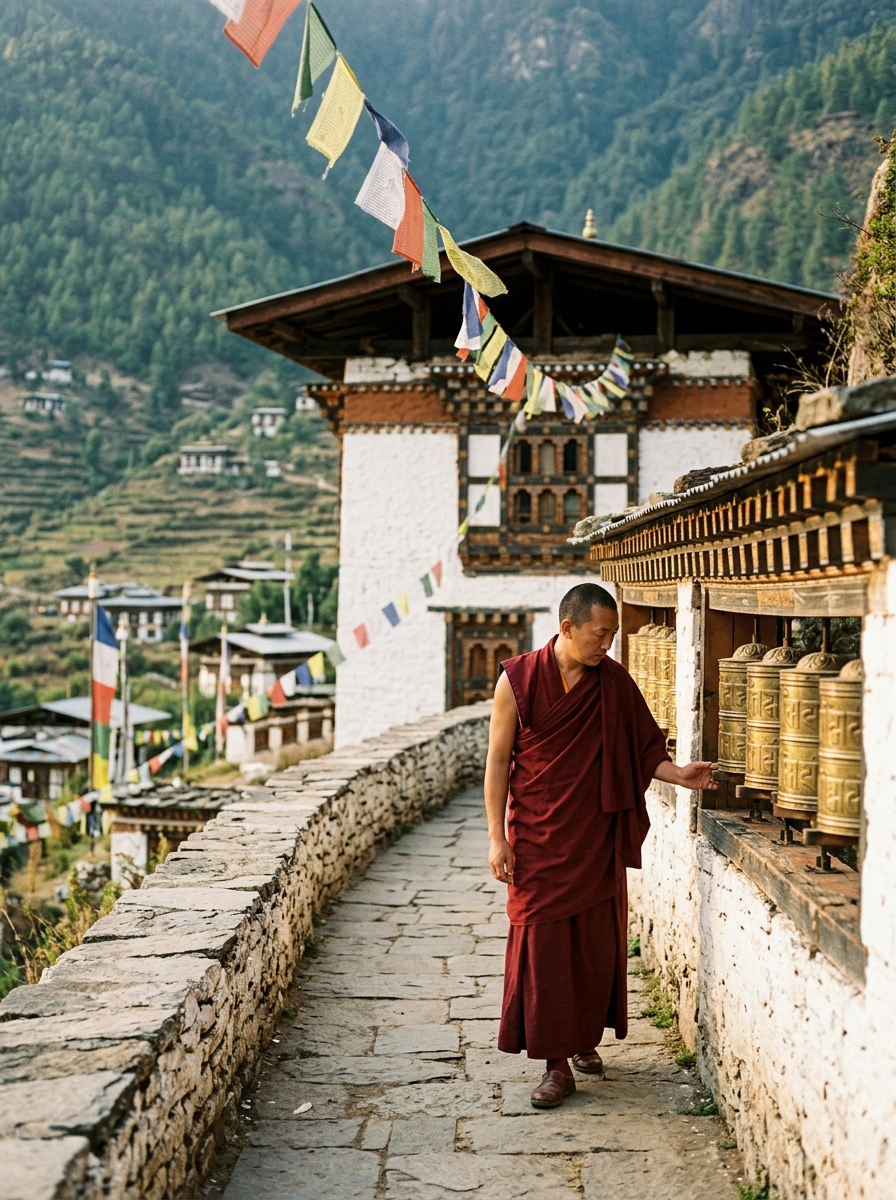
It’s tempting to describe a spiritual tour as simply “more monasteries,” but that undersells it. The difference isn’t really about which buildings you enter, but how you engage with them once you’re there. A spiritual tour builds in time for guided meditation, conversations with monks, and quiet reflection at sites that a cultural itinerary might visit more briefly. It’s a slower, more intentional way of encountering the same Buddhist heritage that runs through Bhutanese life.
If you’re interested specifically in the retreat side of spiritual travel, including extended meditation, structured practice, and deeper immersion, see our deeper guide to why a Bhutan spiritual retreat might be best for you.
Do Cultural and Spiritual Tours Visit the Same Places?
Often, yes. The distinction isn’t necessarily the destination. It’s the way the destination is experienced. Three examples make this clear.
Tiger’s Nest / Paro Taktsang
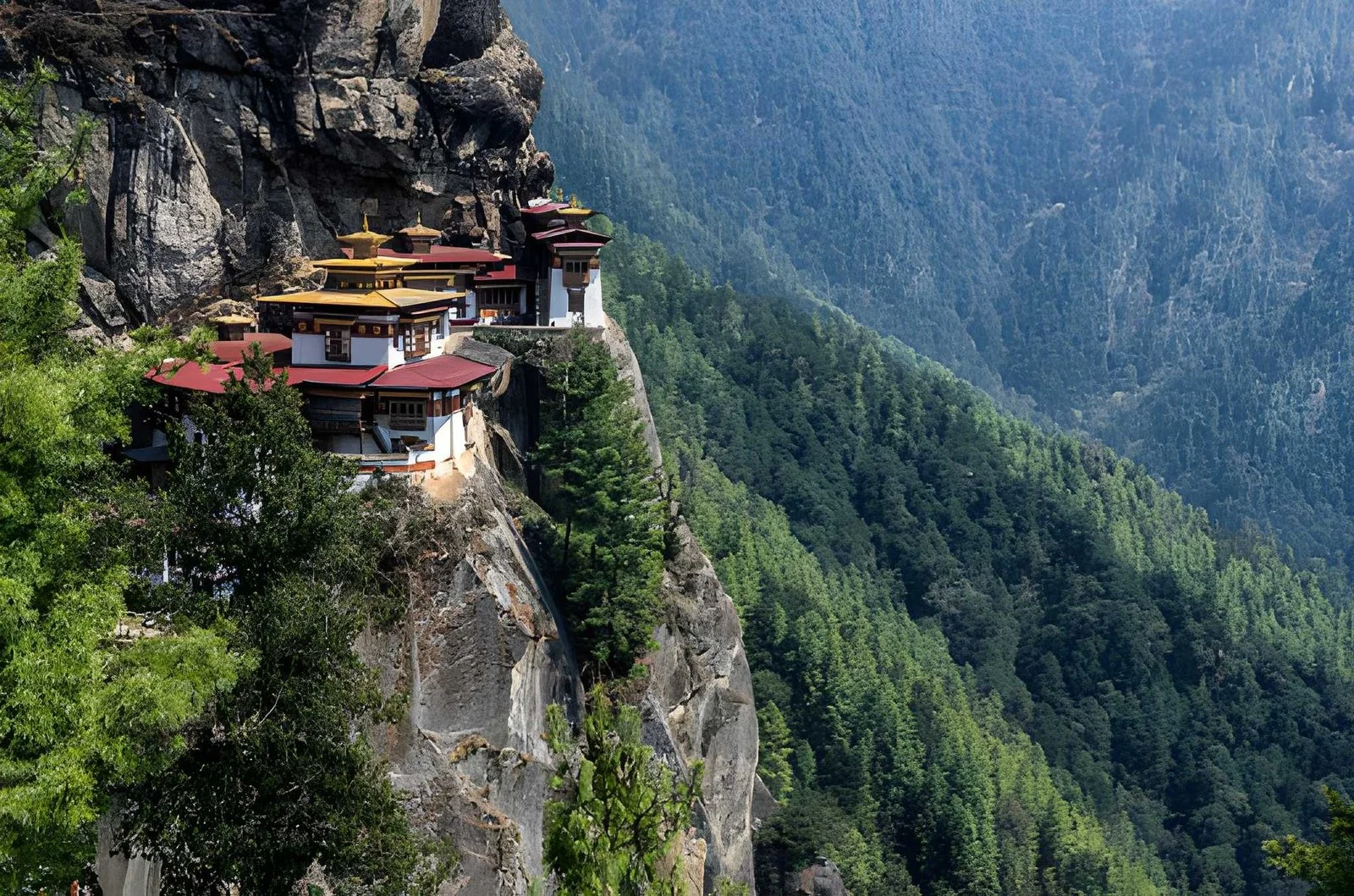
Bhutan’s most iconic landmark works both ways. On a cultural tour, Tiger’s Nest is approached as an architectural marvel. It’s a monastery clinging to a cliff 900 meters above the Paro Valley, and one of the country’s defining images.
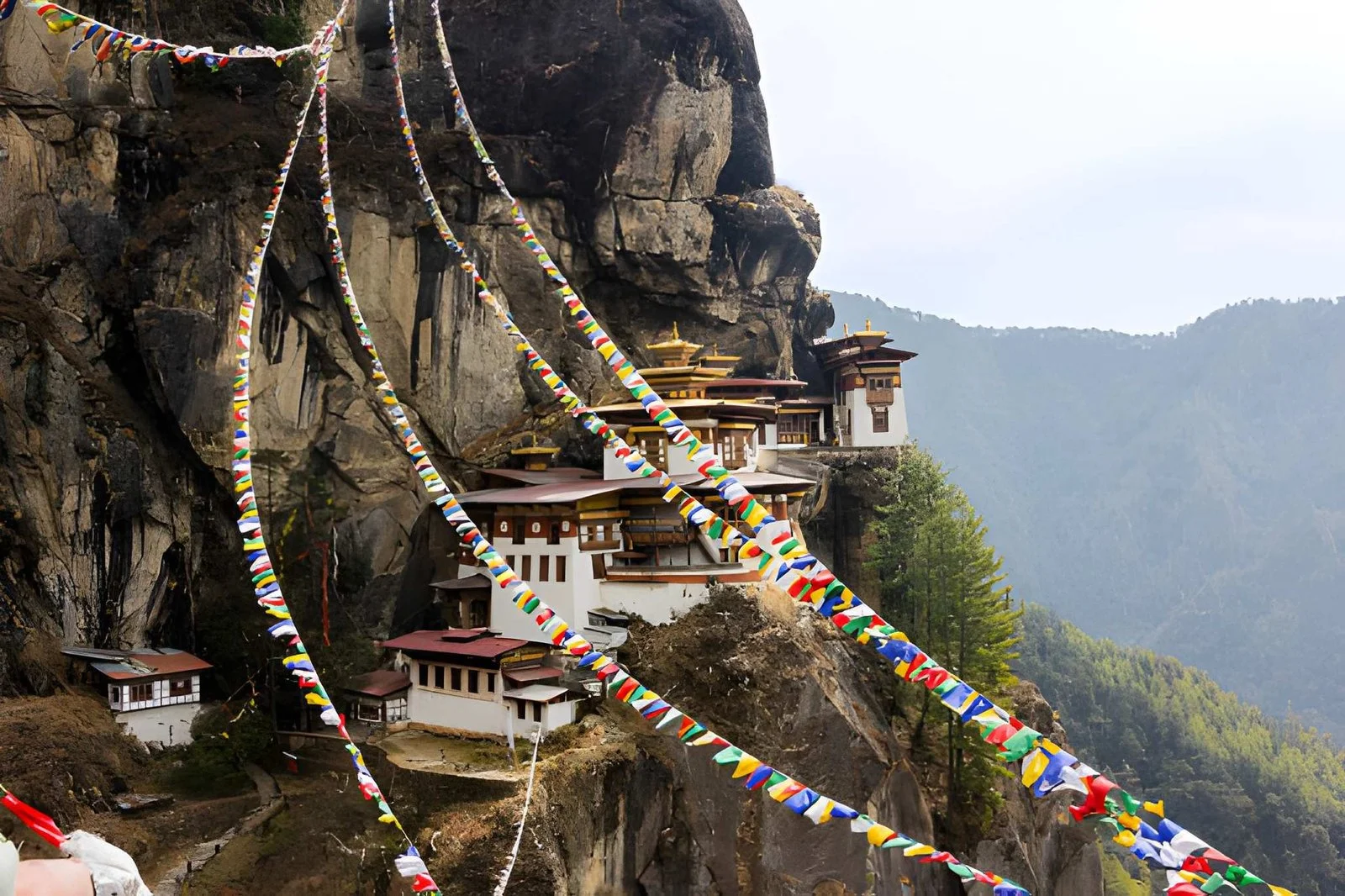
On a spiritual tour, the same hike carries different weight. It’s a pilgrimage to the site where Guru Rinpoche is said to have meditated after arriving on the back of a flying tigress. So, the climb itself becomes part of the spiritual experience rather than just the approach to a viewpoint.
Dzongs and Monasteries
The same pattern holds across Bhutan’s dzongs and monasteries generally. Punakha Dzong, for instance, can be visited as a masterpiece of Bhutanese architecture and a seat of historic political power, or as an active religious center where festivals and monastic traditions still take place today. Neither reading is wrong; they’re just different lenses on the same building.
Festivals
Even Bhutan’s festivals carry this dual nature. A cultural traveler experiences a Tshechu through its costumes, dances, music, and sense of community celebration. A spiritual traveler experiences the same festival through the religious stories the dances depict and the ritual significance behind them. Same event, different layer of meaning.
Bhutan Cultural Tour vs Spiritual Tour: The Key Differences
Purpose of the Journey
A cultural tour is oriented around understanding Bhutan as a whole. A spiritual tour is oriented around engaging more deeply with one part of that whole, the Buddhist traditions.
What You’ll Spend Your Time Doing
Cultural days tend to be full of sightseeing: dzongs, museums, markets, village walks, festival visits, one destination flowing into the next with a guide filling in the historical and architectural context along the way.
Spiritual days build in more stillness: a guided meditation session in the morning, unhurried time at a monastery, a conversation with a monk about Buddhist philosophy, and an afternoon left deliberately open for reflection rather than going for another attraction.
The difference shows up less in where you go each day and more in how much of the day is left unstructured on purpose.
Breadth vs Depth of Experience
This is the clearest way to frame the difference. A cultural tour trades depth for breadth, so you’ll see more facets of Bhutan across a shorter amount of time at each one. A spiritual tour trades breadth for depth, so fewer themes, but more time spent engaging with each.
Sightseeing vs Reflection
Neither itinerary is purely one or the other, and it’s worth avoiding that stereotype. But the general emphasis holds. Cultural tours prioritize seeing and understanding; spiritual tours prioritize slowing down and experiencing.
How You Experience Bhutanese Buddhism
Buddhism sits at the intersection of both tour types, which is exactly why the comparison isn’t a clean binary. A cultural traveler will still encounter Buddhism constantly. It’s woven into Bhutan’s architecture, art, and daily life. The difference is that a spiritual traveler is there specifically to engage with it, rather than encountering it as part of a broader cultural picture.
Which Bhutan Tour Is Right for You?
Choose a Cultural Tour If…
- You want a broad introduction to Bhutan
- History and architecture interest you
- You enjoy festivals, local traditions, and everyday customs
- Food, crafts, and local life matter to your trip
- You want to understand Bhutanese society as a whole
- This is your first trip to Bhutan
Choose a Spiritual Tour If…
- Buddhism is a major interest for you.
- You want deeper engagement with Buddhist traditions, not just a passing look
- Meditation and reflection appeal to you
- Sacred sites interest you beyond their historical value
- You’re looking for a more contemplative pace of travel
Choose a Blend of Both If…
You don’t have to pick a single lane. Because Bhutanese culture and Buddhism are so closely intertwined, a well-designed itinerary can lean into both. You can experience broad cultural exploration alongside dedicated time for reflection and spiritual practice, rather than forcing a strict choice.
Can You Experience Both Culture and Spirituality on One Bhutan Trip?
Yes, and this is worth stating plainly rather than leaving it as an afterthought. A single Bhutan itinerary can include cultural sightseeing, traditional experiences, dzongs, festivals, Buddhist heritage sites, and dedicated spiritual practice, because in Bhutan these things were never really separate to begin with.
The question isn’t whether you’ll encounter both. It’s which one you want to be the central focus of your journey.
That also means you don’t need to be Buddhist to take a spiritual tour. Bhutan’s spiritual tours are generally designed for curious travelers rather than practicing Buddhists. Meditation sessions are typically beginner-friendly, monastery visits are open and explanatory rather than exclusive, and the goal is reflection and understanding rather than religious observance.
So, Which Bhutan Tour Should You Choose?
Choose cultural if you want to understand Bhutan’s history, heritage, traditions, and everyday culture.
Choose spiritual if you want to explore Bhutan’s Buddhist traditions more deeply, drawn toward meditation, sacred places, and reflection.
Choose both if you want a broader Bhutan experience that gives equal weight to cultural discovery and spiritual heritage.
Whichever direction fits, Far Out Nepal’s Bhutan Spiritual Tour is built for travelers seeking the deeper, more reflective side of Bhutan. Our Magical Bhutan Tour and Glimpse of Bhutan itineraries are designed around broader cultural exploration.
Planning best timed around Bhutan’s seasons or festivals? See our guides to the best time to visit Bhutan and Bhutan’s festival calendar. And if Tiger’s Nest is on your list either way, our guide to the Tiger’s Nest hike covers what to expect.
Things to Do & Places to Visit in Paro, Bhutan
Introducing Paro
For most travelers, Paro is the first place in Bhutan they set foot in. It’s also the place from which they leave the kingdom. It’s easy to let it become a blur between the airport and the road east. You spend a night before Thimphu or a night after Punakha, letting it become a place you pass through rather than a place you visit.
But that would be a huge mistake.
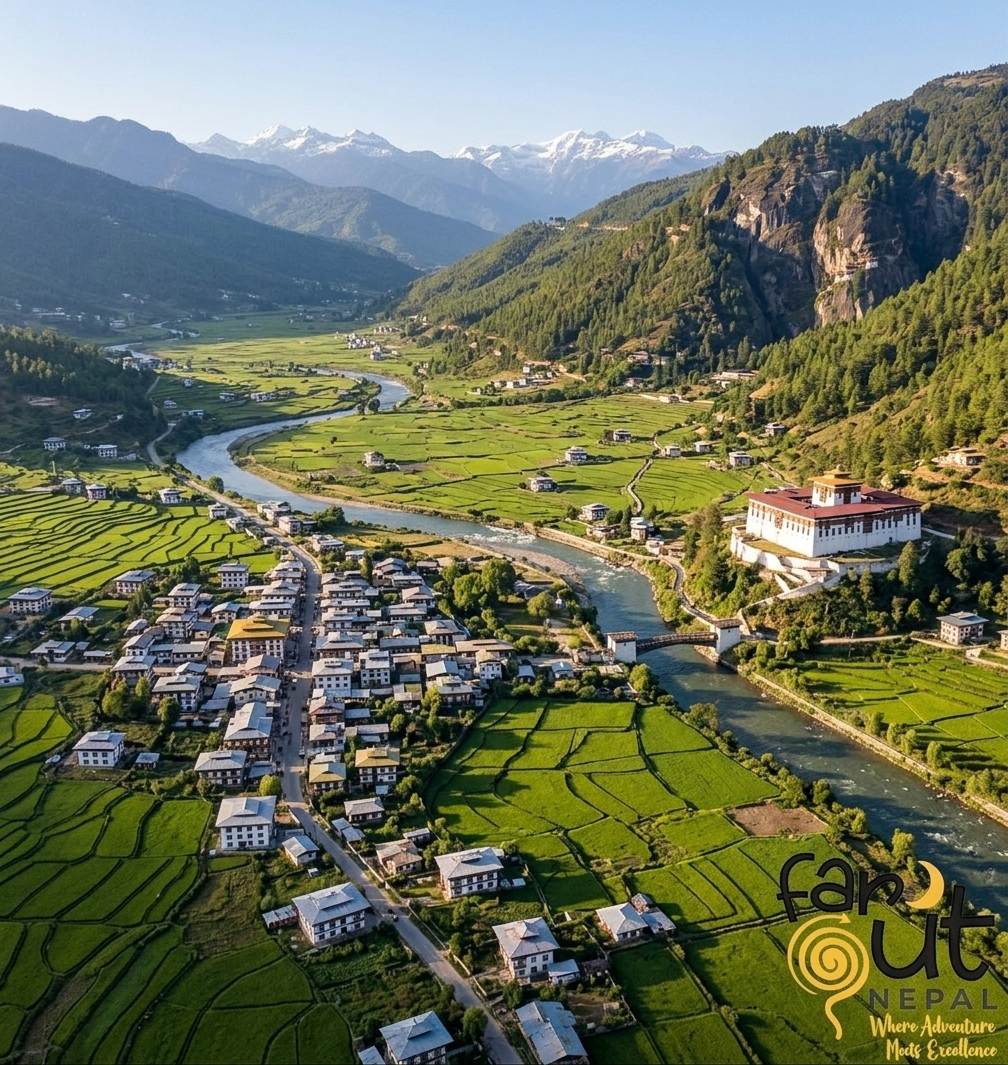
Paro is home to Tiger’s Nest, but it also has a real town in a wide, working valley, with rice terraces, riverside farmhouses, dzongs, and a scattering of temples older than most countries.
Say “Paro” and people usually mean one of three things: the compact town itself, the broader Paro Valley that surrounds it, or the district that contains them both. Knowing the difference matters, because it changes where you should expect to find things and how much time you’ll actually need.
This guide covers what Paro is, how to get there, what’s genuinely worth your time, how to plan your days, and how the destination fits into a wider Bhutan trip.
About Paro, Bhutan
Where Is Paro?
Paro sits in western Bhutan, in a broad valley carved by the Paro Chhu (Paro River). It’s roughly an hour-and-a-half drive from Thimphu, the capital. It’s the kind of landscape that photographs like a cliché and still catches you off guard in person. The terraced rice fields on the valley floor, whitewashed farmhouses with dark timber trim, and forested ridgelines climbing toward the Himalayas on every side give Paro a charm you’ll never forget.
Because Paro is home to the country’s only international airport, it’s also the practical starting point for almost every Bhutan itinerary, which is exactly why so many visitors underrate it. It’s not just where your trip begins. It’s one of the places your trip should include.
Paro Town vs. Paro Valley
It’s worth being precise about this early on, because many travellers are confused by it.
Paro town is small. It consists of a single main street, a cluster of shops, cafés, and guesthouses, and is easy to walk end to end in twenty minutes. It’s the commercial and social center of the district, and a genuinely pleasant place to wander for an hour.
Paro Valley is much bigger and stretches well beyond the town in every direction. Most of Paro’s headline attractions, including the Tiger’s Nest, Drukgyel Dzong, and Kyichu Lhakhang, sit outside the town itself, scattered across the valley floor.
If you only explore the town, you’ll miss almost everything that makes Paro worth the trip. Think of the town as your base, and the valley as the destination.
Paro Elevation & Altitude
Paro sits at roughly 2,250 meters (7,382 feet) above sea level. It is high enough that some visitors notice it, particularly if they’ve flown in directly from somewhere near sea level. It’s a comparable altitude to Thimphu (slightly higher, at around 2,320 meters), so if your itinerary moves between the two, you won’t be dealing with a meaningful altitude shift.
One distinction worth making clearly: Paro’s elevation is not Tiger’s Nest’s elevation. The monastery sits far higher, at around 3,120 meters, and the hike up gains several hundred meters from the valley floor. Don’t assume that the hike will feel easy just because Paro is easy. Give yourself a day in Paro before attempting Tiger’s Nest. You can go for a visit to Rinpung Dzong or walk around the town to acclimatize before the climb.
How to Get to Paro
Flying to Paro International Airport
Paro is home to Bhutan’s only international airport. Surprisingly, it’s also one of the most talked-about airports in the world for reasons unrelated to terminal design.
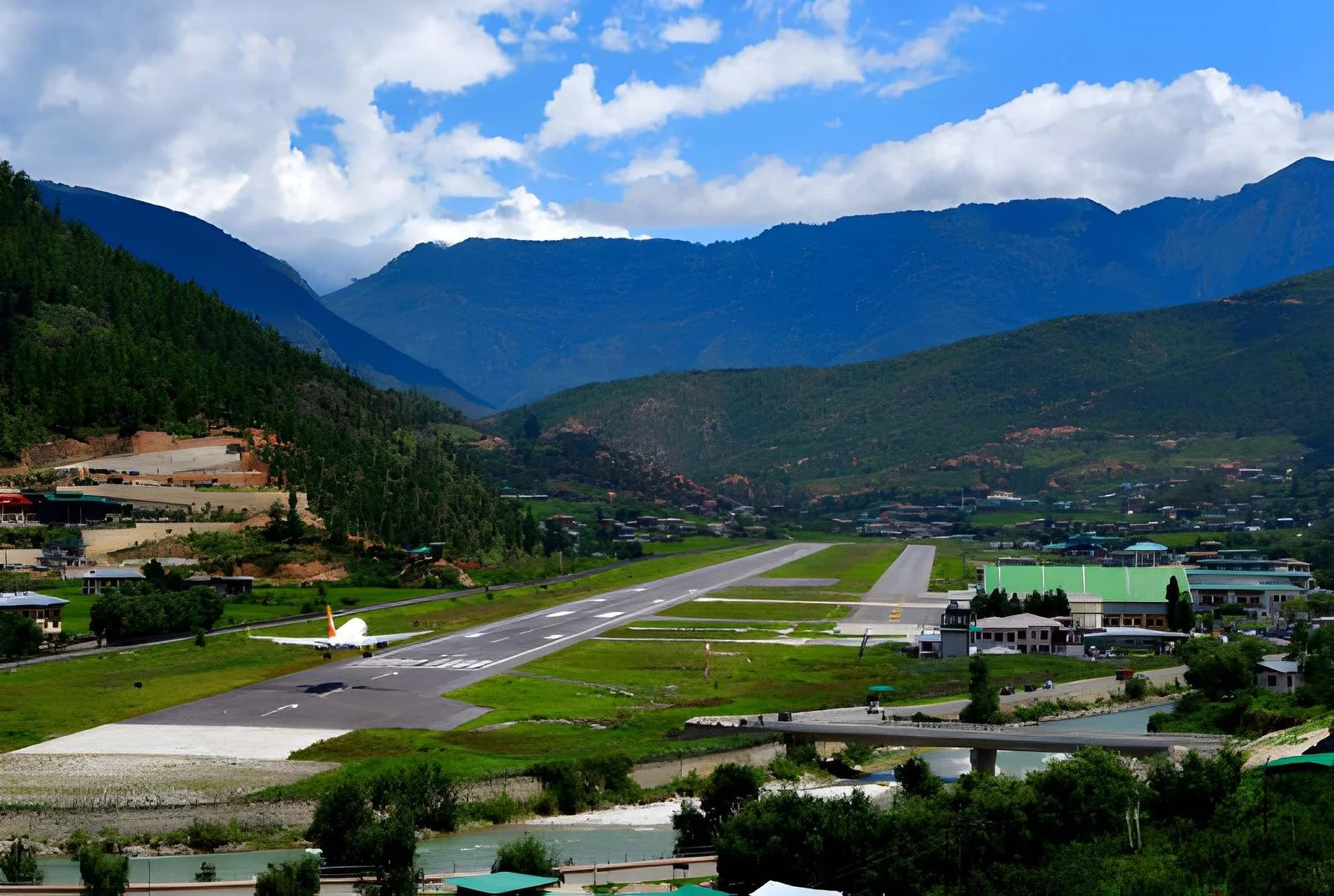
The valley is narrow, and the surrounding peaks are high, so the approach requires visual flying through mountainous terrain. Pilots have to perform a dramatic, low, winding descent, which is genuinely one of the more memorable ways to arrive anywhere.
Flights are operated by Bhutan’s two national carriers, connecting Paro to regional hubs including Kathmandu, Delhi, Kolkata, Bangkok, Dhaka, and Singapore. These flights are also more weather-dependent than at most airports due to the terrain. Clear morning skies are typical, which is why so many Bhutan flights are scheduled early in the day.
International visitors should have their entry documentation arranged before traveling; if you haven’t looked into that yet, our Bhutan visa guide walks through what’s required.
Getting From Paro Airport to Paro Town
The airport sits at a short drive of well under half an hour in most cases. If you’re traveling with a licensed operator (the standard practice for visiting Bhutan), your guide and driver will typically be waiting at arrivals to take you directly to your accommodation. Independent taxis are also available, though most visitors arrive as part of an organized itinerary rather than needing to arrange transport on the spot.
Traveling to Paro by Road
Paro connects by road to the rest of western Bhutan. It’s about 90 minutes to Thimphu, a longer but manageable drive to Haa Valley over Chele La, and onward routes toward Punakha and central Bhutan. Roads are well maintained but winding, so distances on a map tend to take longer than they look.
Best Things to Do in Paro
Not every attraction in Paro deserves equal time. Some are genuinely unmissable; others are worth adding if you have the days; and a few are best saved for travelers who want to go further off the well-trodden route. Here’s how I’d prioritize them.
Don’t Miss
Hike to Tiger’s Nest Monastery
Paro Taktsang (or Tiger’s Nest) is the reason most people put Paro on their itinerary, and it earns the reputation. The monastery clings to a granite cliff several hundred meters above the valley floor, and reaching it means a genuine hike.
It involves a few hours up, through pine forest, past a halfway teahouse with the trail’s first clear view of the monastery, and up again to the entrance itself. It’s demanding enough that you should give it a full day rather than squeezing it in, but it’s well within reach of anyone reasonably fit and willing to go at their own pace.
We won’t repeat the full trail breakdown here. If you’re planning to make the hike yourself, read our complete guide to the Tiger’s Nest hike for route details, difficulty, preparation, and what to expect along the way.
Rinpung Dzong
Also known as Paro Dzong, Rinpung Dzong is a 17th-century fortress-monastery that still functions as both a religious and administrative center today. You’ll find monks and government offices operating side by side within its walls.
It sits on a hill above town, and its whitewashed walls and traditional woodwork are a good introduction to Bhutanese dzong architecture before you see more of it elsewhere in the country. It’s also the site of Paro Tshechu, one of Bhutan’s most important annual festivals, held here each spring. If festival timing matters to your trip, our Bhutan festival calendar has full dates.
National Museum of Bhutan at Ta Dzong
Just above Rinpung Dzong sits Ta Dzong. It’s an unusual round, conch-shell-shaped building originally constructed in 1649 as a watchtower to protect the dzong below. In 1968, it was converted into the National Museum of Bhutan.
You may see it referred to by either name, or simply as “the Paro museum,” but they’re all the same building. Inside, you’ll find centuries of Bhutanese thangkas, ceremonial masks, weapons, and religious artifacts, along with genuinely good views back down over the valley from its upper floors.
Walking Paro Town
Don’t underestimate the value of just wandering. Paro’s main street is lined with traditionally painted shopfronts, small cafés, and family-run guesthouses. It’s an easy, unhurried way to get a sense of everyday Bhutanese life between the bigger sights. It won’t take long, but it’s worth building into your schedule rather than treating it as an afterthought.
Worth Adding
Kyichu Lhakhang
Kyichu Lhakhang is one of Bhutan’s oldest temples, dating to the 7th century. It’s a quieter, more contemplative stop than the dzongs, offering a small, atmospheric complex with courtyard trees and centuries of continuous use as an active place of worship.
Drukgyel Dzong
Further north in the valley, Drukgyel Dzong is a ruined fortress that once guarded Bhutan’s border against Tibetan invasions. Partly restored after decades as a picturesque ruin, it offers clear views of Mount Jomolhari on a good day. It’s a worthwhile stop if you have a bit more time and an interest in Bhutanese history.
For Extra Time and for the More Adventurous
If you have days to spare, or you’re the kind of traveler who wants Bhutan to mean more than temples and photographs, this is where Paro gets more interesting.
Chele La
The highest motorable pass in Bhutan at nearly 4,000 meters, Chele La sits on the road between Paro and Haa Valley. On a clear day, it delivers some of the best mountain views accessible without a multi-day trek. You can see prayer flags strung across a high, cold pass with the Himalayas laid out in every direction.
Beyond the main sights
The wider Paro Valley rewards slower exploration: farmhouses, rice terraces, small village temples that are worth stumbling into anyway. This is also where Paro’s identity as more than a cultural stopover starts to show. The valley isn’t just a base for sightseeing. It’s also a genuine starting and ending point for some of Bhutan’s best-known trekking routes, including the Druk Path and the approach toward Jomolhari.
You don’t need to commit to a multi-day trek to feel that; even a short walk into the valley’s edges gives a sense of why Paro works as well for hikers as it does for temple visits.
How Many Days Do You Need in Paro?
Most travelers spend somewhere between two and four nights in Paro, but how you use that time depends on your priorities. Here’s a realistic breakdown:
One Day in Paro
If you only have a day, focus on the town itself: Rinpung Dzong, the National Museum at Ta Dzong, and a walk down the main street. It’s a satisfying introduction, but you’ll leave knowing you haven’t seen everything.
Two Days in Paro
With two days, split it cleanly: one day for the town and its cultural sights, and a full second day for the Tiger’s Nest hike. Don’t try to combine the hike with anything else. It deserves the whole day, including time to rest afterward.
Three Days or More
With three days or more, you can add the wider valley properly with Kyichu Lhakhang, Drukgyel Dzong, a drive or hike up to Chele La, and slower time in the valley itself. This is also the version of a Paro visit that makes the most of the season, since Chele La and valley walks are far more rewarding in clear conditions than in mist or rain.
Best Time to Visit Paro
Paro Weather by Season
Spring (March–May) is one of Paro’s best seasons, with rhododendrons in bloom, clear pre-monsoon skies, and daytime temperatures generally in the mid-teens to low twenties Celsius. It’s also when Paro Tshechu takes place, so expect the town to be busier than usual.
Summer/Monsoon (June–August) brings the heaviest rain of the year, with clouds that frequently obscure mountain views and trails that can turn muddy. It’s the quietest season for visitors, and while there’s a genuine appeal to seeing the valley lush, pack for rain and expect some flexibility around outdoor plans.
Autumn (September–November) is generally considered Paro’s best season for clarity and trekking, with clear skies after the monsoon, mild temperatures, and the visibility of surrounding peaks at its sharpest. This is peak season, so book accommodation and permits well ahead.
Winter (December–February) is cold, especially at night, but brings some of the clearest mountain views of the year along with far fewer visitors. If you’re prepared for the temperature, it’s a quiet, dramatic time to be in the valley.
When Is the Best Time to Visit Paro?
If you have to choose, aim for spring or autumn. Both offer a strong balance of clear weather, comfortable temperatures, and good hiking conditions. Autumn edges ahead for visibility, while spring edges ahead if you want to time your trip around Paro Tshechu.
Paro’s ideal season also depends on how it fits into the rest of your Bhutan trip. So, for a full month-by-month breakdown across the country, see our guide to the best time to visit Bhutan.
Where to Stay in Paro
Staying in Paro town puts you within walking distance of restaurants, cafés, and the main street. This is a good choice if you’re only in Paro briefly or want convenience over scenery.
Staying in the Paro Valley, further from the town center, generally means more space, quieter surroundings, and often better mountain views.
It can be a good fit if you’re spending several days here and want a slower, more immersive base. Options across the valley range from simple guesthouses to some of Bhutan’s best-known luxury resorts, so there’s flexibility whichever way you lean.
Paro Travel Tips
- Altitude: Paro’s elevation is moderate, but give yourself an easy first day if you’ve flown in directly or before you’ll be attempting Tiger’s Nest.
- Dress code: Cover shoulders and knees when visiting dzongs and temples, and expect to remove shoes at certain thresholds.
- Footwear: Sturdy, broken-in shoes matter more than anything else you pack, particularly for the Tiger’s Nest hike.
- Photography: Photography is often restricted inside temples and dzong interiors. So, always check before shooting, and don’t photograph monks or ceremonies without asking.
- Transport: Most international visitors travel with a licensed guide and driver as part of their itinerary, which covers most day-to-day transport questions.
- Currency: Bhutan’s currency is the ngultrum (BTN), pegged to the Indian rupee, which is also widely accepted.
- Connectivity: Wi-Fi is available in most hotels and cafés in town; a local SIM or eSIM is worth arranging if you want reliable connectivity in the valley.
- Weather: Mountain weather changes quickly. Try to pack layers even in the warmer months.
- Respect local customs: Dzongs and monasteries are active religious sites, not museums. Move quietly, follow your guide’s lead, and don’t touch statues or artifacts.
Paro in a Bhutan Itinerary
Because of the airport, Paro is where nearly every Bhutan trip begins or ends, but it also fits naturally into a wider route through the country. From Paro, most itineraries continue east toward Thimphu, then on to Punakha, and for longer trips further still to Phobjikha Valley and Bumthang.
How that looks in practice depends on how much time you have and what you’re prioritizing:
If you have around a week, our Glimpse of Bhutan tour combines Paro with Thimphu and Punakha, including a full visit to Tiger’s Nest. This is a solid, well-paced introduction to western Bhutan.
For a deeper trip, the Magical Bhutan tour extends the same route further east through Gangtey and Bumthang before returning via Punakha, giving you central Bhutan’s valleys and monasteries alongside Paro’s highlights.
If your interest leans more toward Bhutanese Buddhist culture and spiritual practice specifically, our Bhutan Spiritual tour builds a route around that theme, with Paro as both starting and closing point.
And for travelers looking to combine Bhutan with neighboring Himalayan destinations, our Nepal, Bhutan and Tibet tour is worth a look.
For a broader sense of how Paro sits within Bhutan as a whole, contact Far Out Nepal today and book a tour with us.
Why Paro Is Worth Visiting
By now it should be clear that Paro is a lot more than the place you land.
It’s a working valley with centuries of Buddhist history built into its dzongs and temples. It’s also a town small enough to explore in an afternoon and rich enough to reward it, and a landscape that ranges from rice terraces to a nearly 4,000-meter mountain pass within a single day’s drive.
While Tiger’s Nest is, fairly, the headline, the rest of Paro holds up their end just as well. Paro is an accessible hiking place, offers genuine cultural depth, and is a starting point for anyone who wants their Bhutan trip to include real mountains, not just views of them from a hotel window.
Treat Paro as a destination in its own right, not a stopover, and it more than earns the extra day.
How Much Does a Trip to Tibet Really Cost?
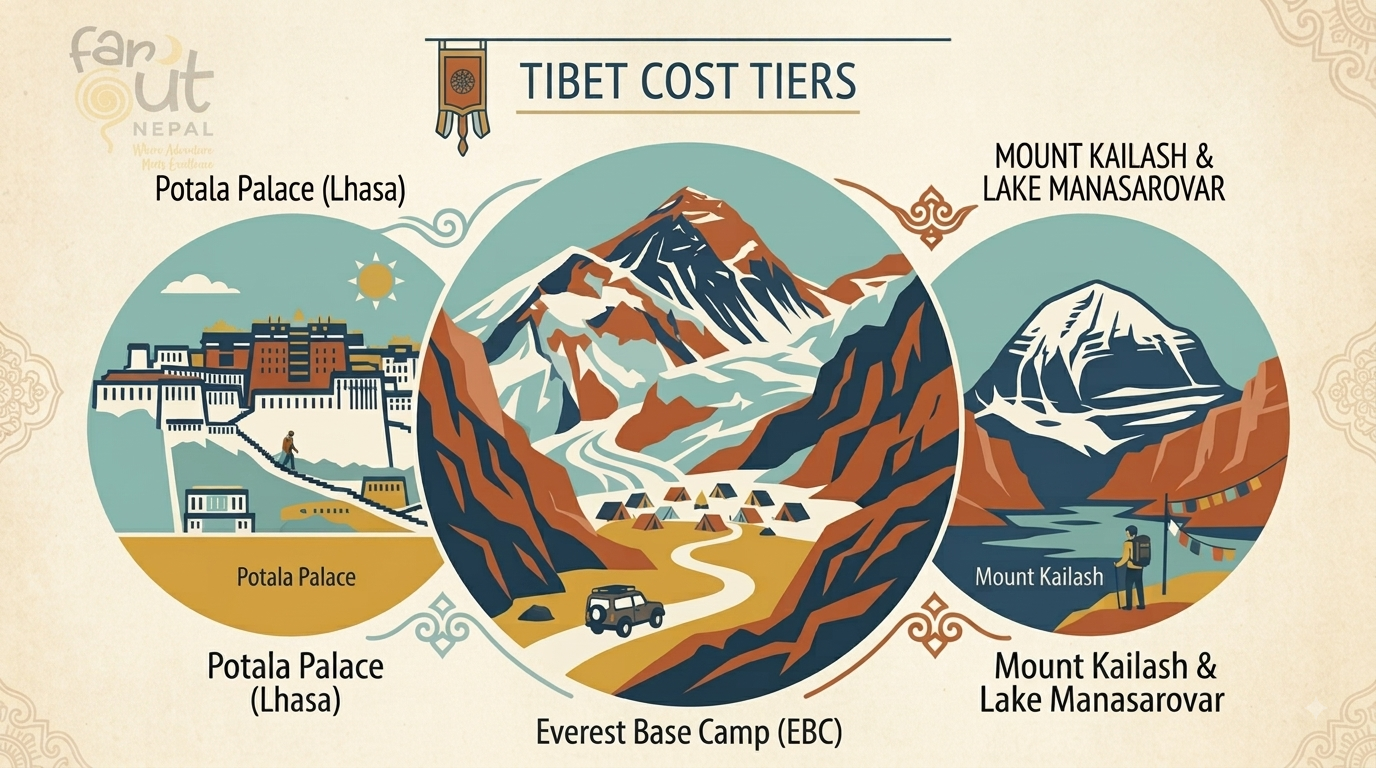
Understand Tibet tour prices, what’s included, permit and visa costs, and the realistic budget for traveling from Kathmandu (Based on the latest 2026 data).
What Makes Tibet Tour So Expensive?
A typical organized Tibet tour costs somewhere between USD 500 and USD 3,500 per person, depending mainly on your route, trip duration, group size, and travel style. A short 4–5 day Lhasa-only tour sits at the low end, while a 12–15 day Mount Kailash pilgrimage sits at the high end, with an 8–10 day Lhasa–Everest Base Camp itinerary (the most popular route) typically falling in the middle.
That figure is your tour package price, and it’s the number most Tibet travel sites lead with. But it isn’t the same as your total trip cost. Depending on where you’re traveling from, you’ll likely need to budget separately for your international flight, visa or Group Visa fees, a few nights of accommodation before entering Tibet, and personal expenses not covered by the package. We’ll break down that distinction in detail below, as it’s the single most important thing to understand before comparing quotes. If you’re traveling from Kathmandu specifically, your cost structure looks a little different again.
Prices also shift with the season. Peak travel months (roughly May–October) see higher tour prices, busier flight routes, and tighter accommodation availability. In contrast, the summer and winter months can bring costs down noticeably on the same itinerary. However, some remote routes, such as Mount Kailash, have a much narrower travel window, regardless of the price.
Tibet Tour Cost at a Glance
| Trip Type | Typical Duration | Tour Package Cost | Estimated Total Budget* |
| Lhasa & Central Tibet | 4–5 days | $500 – $800 | $700 – $1,100 |
| Lhasa + Everest Base Camp | 8–10 days | $900 – $1,800 | $1,200 – $2,300 |
| Kathmandu – Lhasa (overland, with EBC) | 8 days | $990 – $1,300 | $1,400 – $2,000 |
| Mount Kailash & Lake Manasarovar | 12–15 days | $2,000 – $3,500 | $2,500 – $4,200 |
*Total budget includes the tour price plus typical additional costs (visa, flights or overland transport to Tibet, personal spending). These are indicative ranges based on current operator pricing and will vary by nationality, season, and group size. So, always confirm live pricing before booking.
Tour Price vs. Total Trip Cost: The Distinction That Actually Matters
This is the question most Tibet cost guides answer poorly: an advertised tour price and your actual trip cost are not the same number.
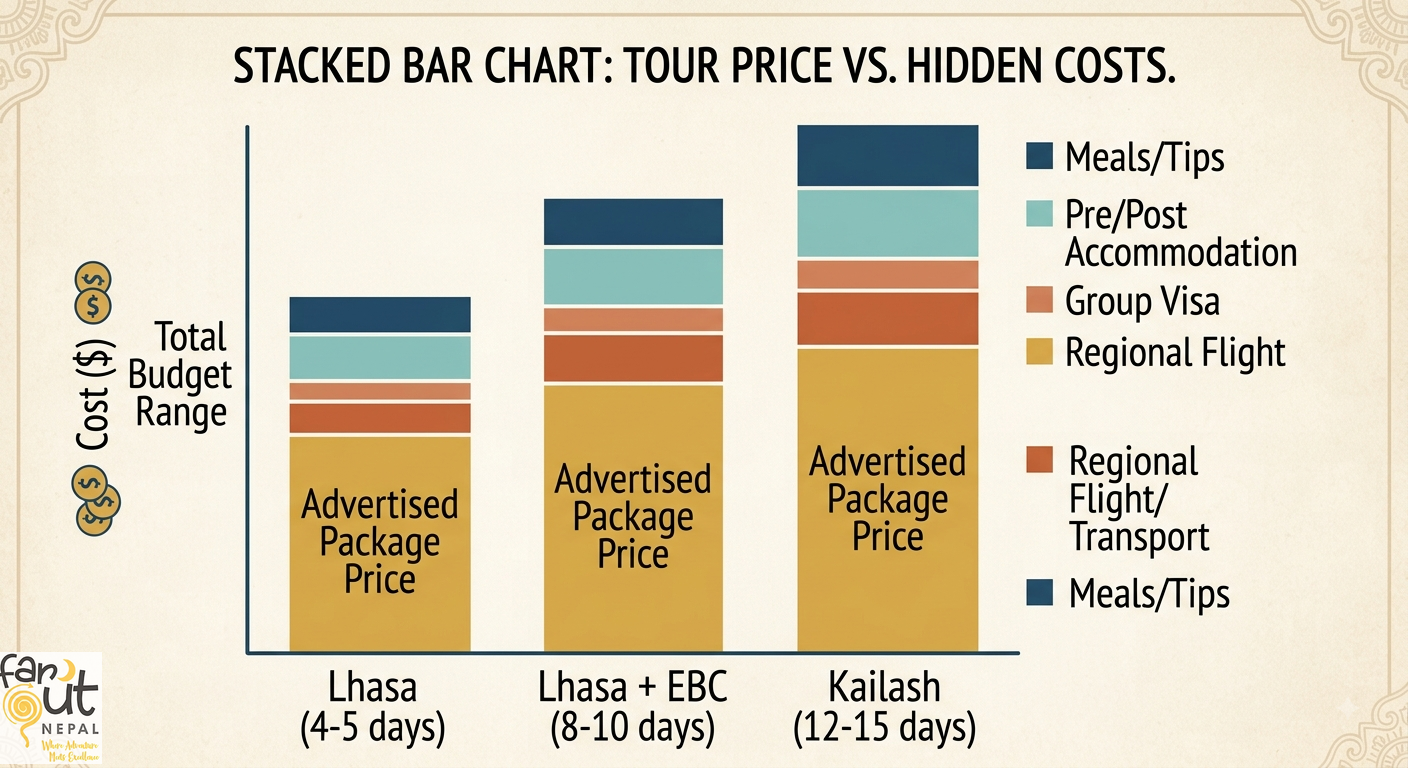
A $1,100 Tibet tour package doesn’t mean your Tibet trip will cost $1,100. It means $1,100 covers what the operator has bundled into that specific itinerary, and packages differ substantially in what they include.
What a Tibet tour package typically covers:
- Transportation within Tibet (private vehicle, driver, fuel)
- Accommodation for the nights specified in the itinerary
- A licensed Tibetan guide
- Entrance fees to major sites on the route
- The Tibet Travel Permit (usually arranged and often bundled as a service fee, not billed as a separate line item)
What you’ll typically still need to budget for, separately:
- International or regional flights to your gateway city (Kathmandu, Chengdu, etc.)
- The China visa or China Group Visa
- Accommodation in Kathmandu (or your gateway city) before and after the Tibet portion
- Meals not specified as included
- Travel insurance
- Tips for your guide and driver
- Drinks, snacks, souvenirs, and other personal spending
As a rough guide, budget an additional 20–40% on top of the quoted tour price to arrive at a realistic total trip cost. It can be more if you’re flying internationally to reach your gateway city, less if you’re already regionally based.
| Expense | Usually in the tour price? | Notes |
| In-Tibet transport & driver | Yes | Major cost driver on longer/remote routes |
| Tibetan guide | Yes | Required for all foreign travelers |
| Accommodation (in-itinerary nights) | Yes | Category varies — ask before comparing prices |
| Tibet Travel Permit | Usually, as a service fee | Rarely itemized separately |
| Entrance fees | Often | Confirm which sites are included |
| Meals | Sometimes | Full board vs. breakfast-only varies widely |
| China visa / Group Visa | Usually separate | Cost depends on nationality |
| Flights or overland transport to Tibet | Usually separate | Can be one of your highest single costs |
| Travel insurance | Usually separate | Don’t assume it’s covered |
| Tips & personal spending | Always separate | Budget this in from the start |
The takeaway: don’t compare Tibet tour prices by the headline number alone. Ask exactly what’s included before assuming two similarly priced packages are comparable.
Here’s what that looks like in practice:
Say you book an 8-day Lhasa–Everest Base Camp tour advertised at $1,100. That figure covers your driver, guide, in-Tibet hotels, and permit handling. On top of it, you might reasonably spend $250–400 on a Kathmandu–Lhasa flight or overland transport, $60–150 on your China visa or Group Visa, $80–120 on a few nights in Kathmandu before and after, and another $150–250 on meals, tips, and personal spending. Your $1,100 tour has just become a $1,650–2,000 trip. It’s not because anyone overcharged you, but because the advertised price was never meant to cover the whole journey.
Tibet Travel Permit and Visa Cost
Tibet requires documentation that a standard China visa alone doesn’t cover. This is where a lot of online pricing information gets confusing, because sources disagree. But what they’re actually doing is describing different things under the same name.
The Tibet Travel Permit itself typically has no direct government fee for the traveler. The cost you’ll often encounter online is really an operator’s processing or service fee for arranging it (commonly in the $50–100 range when unbundled, though most operators fold it into the tour price rather than billing it as its own line item).
Separately, you’ll need a China visa or, if you’re entering Tibet from Nepal, a China Group Visa issued by the Chinese Embassy in Kathmandu. It typically costs from roughly $27 for Nepali citizens up to $50–140 for other nationalities, with a modest agency service fee. Group Visas require a minimum group size and several working days of processing, which matters heavily for trip planning.
For remote routes like Mount Kailash, you may also need an Alien’s Travel Permit and, in restricted areas, a Military Permit. Both are typically arranged by your operator as part of the package rather than something you apply for yourself.
For a full breakdown of permit types, current fees, and the application process, see our complete guide: China Visa and Tibet Travel Permit.
How Much Does a Tibet Tour from Kathmandu Cost?
If you’re traveling to Tibet from Nepal, your cost structure has a few extra moving parts worth planning around. You have two main options: flying directly from Kathmandu to Lhasa, or traveling overland via the Kerung/Gyirong border.
By air: Himalaya Airlines currently operates the only Kathmandu–Lhasa flight route, with one-way fares typically running $200–600 depending on season and how far ahead you book. This is the faster, more convenient option, especially if your schedule is tight.
Overland: Traveling by road from Kathmandu to the Kerung/Gyirong border and on to Lhasa is typically built into 7–8-day overland tour itineraries (often continuing to or from Everest Base Camp). They are usually priced from around $990–1,300 for the package itself. It’s a longer, more scenic route, and transportation costs are generally already folded into the tour price rather than paid separately.
Either way, you’ll also need to factor in:
- The China Group Visa, applied for in Kathmandu (from ~$27–140 depending on nationality, plus a small service fee)
- Several nights of Kathmandu accommodation, since the Group Visa requires you to be in Kathmandu at least 5 working days before departure, and groups must generally consist of a minimum number of travelers.
- Local transport and meals in Kathmandu during that waiting period
| Fly (Kathmandu–Lhasa) | Overland (via Kerung/Gyirong) | |
| Transport cost | $200–600 (one-way flight) | Included in tour price |
| Tour package | $900–1,800 | $990–1,300 |
| Duration | Flexible, faster | Typically 7–8 days |
| Kathmandu costs (visa wait) | 5+ nights accommodation, visa fees | 5+ nights accommodation, visa fees |
| Best for | Time-limited travelers | Travelers who want the scenic overland experience |
For most travelers booking through a Nepal-based operator, the overland route to or from Everest Base Camp offers the strongest value. It combines the border crossing, EBC visit, and Lhasa in a single itinerary rather than requiring separate flight costs on top of a Lhasa-only package.
Tibet Tour Cost by Duration
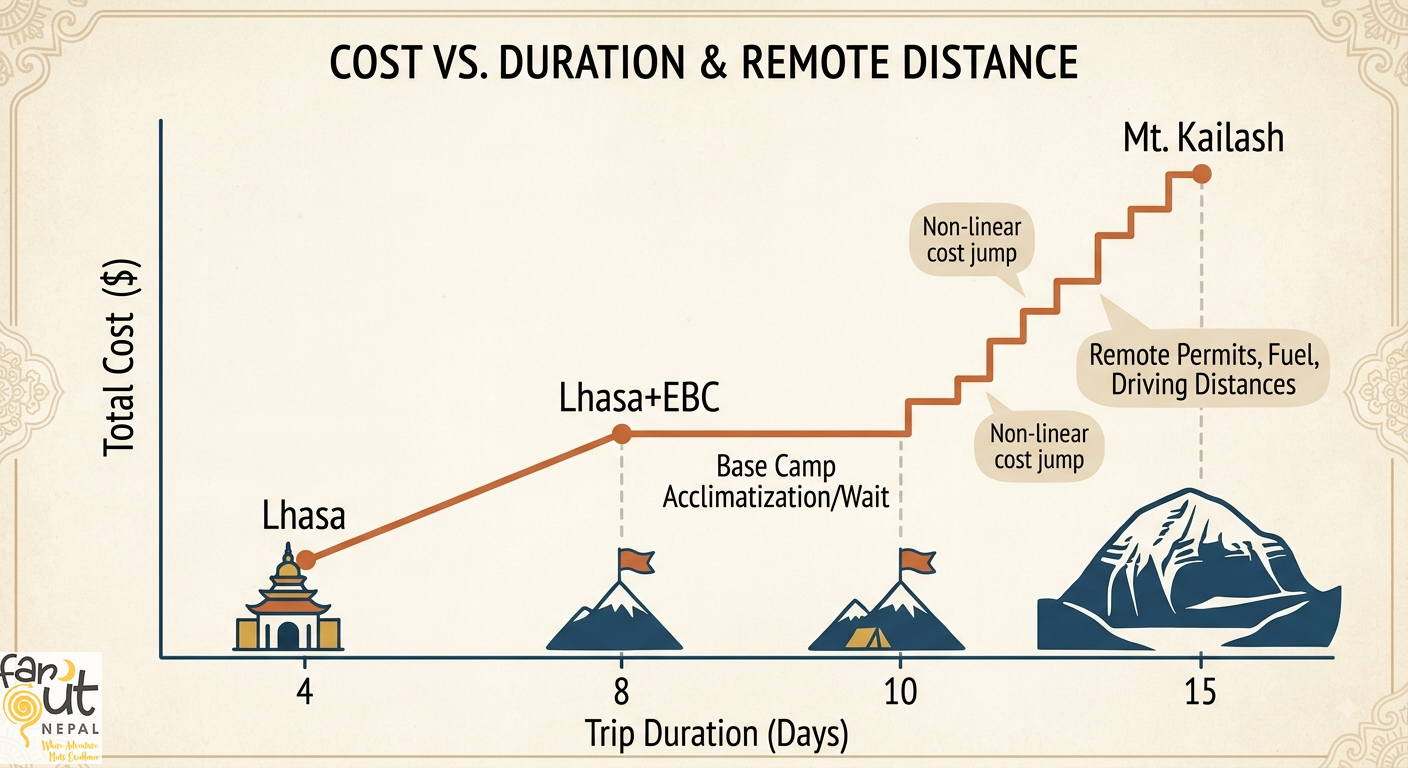
Longer itineraries don’t just add hotel nights. On remote routes, they also add driving distance, fuel, and permit complexity, which is why cost doesn’t scale in a straight line with days.
| Duration | Typical Route | Estimated Tour Cost |
| 4–5 days | Lhasa & Central Tibet | $500 – $800 |
| 7–8 days | Lhasa + Central Tibet | $900 – $1,300 |
| 8–10 days | Lhasa + Everest Base Camp | $1,200 – $1,800 |
| 12–15 days | Mount Kailash & Lake Manasarovar | $2,000 – $3,500 |
Notice that cost doesn’t scale evenly with days. A 12–15 day Kailash itinerary costs roughly four times a 4–5 day Lhasa trip because remote western Tibet also means longer daily driving distances, higher fuel costs, more overnight stops in areas with limited accommodation, and additional permits that shorter, central-Tibet routes don’t require. Two extra days in Lhasa cost far less than two extra days near Kailash.
Solo vs. Group Tibet Tour Cost
Group size has one of the biggest effects on your per-person price, because vehicle and guide costs are shared across the group rather than paid individually.
- Small group tours (5+ travelers) offer the lowest per-person cost, since the vehicle, driver, and guide are shared.
- Private tours (1–2 travelers) cost noticeably more per person, often starting from around $1,300 for itineraries where an equivalent group tour might run half that. This is because you’re covering the full vehicle and guide cost alone.
- Solo travelers face a particular challenge: Tibet’s group tour structure and the China Group Visa’s minimum group-size requirement mean solo travelers are often placed into a formed group or asked to pay a solo supplement to book privately. If budget matters more than flexibility, joining an existing small group is almost always the cheaper route.
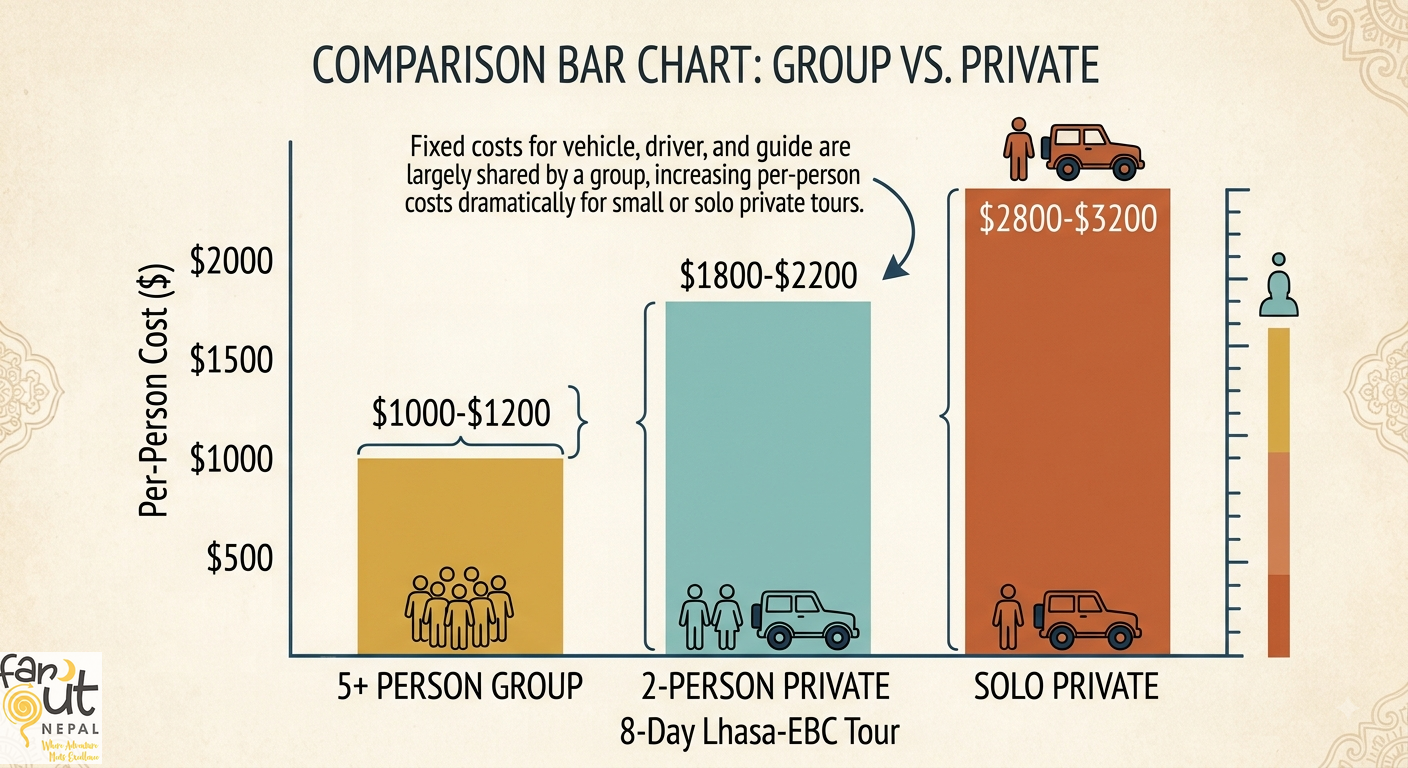
That last point is worth sitting with if you’re planning to travel alone. It isn’t that solo travelers are being charged more arbitrarily, but because of the fixed costs of a vehicle, driver, and guide. These expenses don’t shrink just because there’s one traveler instead of five, so someone has to absorb that difference. Understanding this upfront saves a lot of frustration when quotes come back higher than expected.
How Much Should You Budget for a Tibet Trip?
Bringing everything together, here’s a realistic total-budget picture for three traveler types, based on an 8–10 day Lhasa–EBC style itinerary:
| Traveler Type | Tour Package | Estimated Total Trip Budget |
| Budget / small group | $900 – $1,200 | $1,300 – $1,800 |
| Comfortable / mid-range | $1,300 – $1,800 | $1,900 – $2,500 |
| Private / premium | $2,000+ | $2,800+ |
These figures assume travel to/from Kathmandu, standard mid-range accommodation, and typical personal spending. Kailash itineraries and peak-season travel (May–October) sit meaningfully higher across all three tiers.
If your budget is tight, the biggest single lever isn’t cutting corners on accommodation, but group size. Joining a small group instead of booking privately, and choosing a route without long remote add-ons, will typically save you more than any other adjustment.
Which Tibet Tour Offers the Best Value?
Rather than choosing based on the lowest headline price, compare operators on:
- What’s actually included: Accommodation category, meals, entrance fees, and permit handling
- Group size and departure guarantees: A “group tour” with no confirmed group can end up costing what a private tour does
- Transparency about additional costs: A reliable operator will tell you upfront what isn’t in the package, not leave you to find out later
If you’re planning a Tibet trip from Kathmandu, we can put together a transparent itinerary and cost breakdown based on your preferred route, travel dates, group size, and travel style, with nothing hidden in the fine print. Explore our Tibet tour packages or get in touch to start planning.
Understanding the Risks of Climbing an 8,000er Like the Broad Peak
Introduction
Broad Peak carries a reputation among mountaineers as “K2’s easier neighbor.” It’s a mountain climbed as an acclimatization objective before or after an attempt on its far more famous companion, a few kilometers away in the Karakoram. That reputation isn’t bad, exactly.
Broad Peak is not considered one of the more technically demanding 8,000-meter peaks. However, technical grade and overall danger are two distinct measurements, and conflating them is where most misunderstandings about this mountain originate.
Answering the question: Broad Peak is dangerous because of what mountaineers call objective hazard, rather than being technically difficult to climb. The extreme altitude, avalanche-prone slopes, and volatile Karakoram weather, combined with a long, exposed summit ridge keeps climbers at extreme elevation far longer than most 8,000ers require. Its comparatively moderate technical grade has, historically, led some climbers to underestimate it.
Broad Peak at a Glance
- Elevation: 8,047 m / 26,400 ft (some sources cite 8,051 m; this article follows the figure recognized by the Alpine Club of Pakistan and American Alpine Club)
- Rank: 12th-highest mountain in the world
- Range: Karakoram
- Location: Gilgit-Baltistan, Pakistan, near the Baltoro Glacier and Concordia, adjacent to K2
- Classification: Eight-thousander
- First ascent: June 9, 1957. Hermann Buhl, Kurt Diemberger, Marcus Schmuck, and Fritz Wintersteller, climbing alpine-style without supplemental oxygen or high-altitude porters, were the first team to put every member of an expedition on top of an 8,000-meter peak (Guinness World Records)
How Difficult Is the Broad Peak to Climb?
Is Broad Peak easy to climb? No. But it is genuinely less technical than K2, and that comparison is where the confusion starts.
Technical difficulty describes the physical climbing itself, like how steep the terrain is, how much rock or ice work is required, and how much specialized skill is needed to move through them. By that narrow measure, Broad Peak’s standard route, up the western spur and along the summit ridge, compares favorably to routes on K2 or Nanga Parbat. There’s no equivalent of K2’s Bottleneck, no sustained vertical ice.
But technical difficulty is only one input into overall risk. Overall expedition difficulty and objective hazard are separate variables, and Broad Peak scores much higher on both.
An objective hazard is a danger that exists independent of a climber’s skill or preparation, like avalanche-prone slopes, unstable seracs, or sudden weather. No amount of technical ability removes it. On Broad Peak, the risk comes less from what a climber’s hands and feet have to do, and more from how long they’re exposed to hazards they can’t control, at an altitude that steadily degrades the judgment needed to manage them.
That gap between “less technical” and “less dangerous” is the reason experienced mountaineers still treat Broad Peak with real caution.
Why Is Broad Peak So Dangerous?
Several factors compound to push Broad Peak’s risk well above what its technical grade implies.
- Extreme altitude: Above 8,000 meters, climbers enter the death zone, where atmospheric oxygen sits at roughly a third of sea-level pressure. The physiological chain is well understood: reduced oxygen leads to hypoxia, hypoxia degrades coordination and judgment, and impaired judgment is what turns a manageable situation into an accident, like when decisions have to be made quickly, exhausted, at altitude.
- A long, exposed summit day: Broad Peak’s summit ridge is unusually long for an 8,000-meter peak. It also includes a fore-summit at roughly 8,030 m that climbers must cross before reaching the true summit. The extended time spent above 8,000 meters compounds cold exposure, fatigue, and the odds of a weather shift catching climbers still high on the mountain.
- Avalanche and objective hazard: Broad Peak’s upper slopes, particularly the terrain between Camp 2 and Camp 3, sit in the 30–45 degree range where slab avalanches release most readily. Fresh snowfall repeatedly loads this section with unstable snow. This isn’t an occasional, but an environmental feature of the route, and it accounts for the mountain’s worst accidents.
- Weather volatility and decision pressure: The Karakoram produces fast-moving, sometimes violent weather systems. Climbers typically commit to a summit push during a narrow weather window, often deciding under time pressure with imperfect forecasting. This pressure has historically pushed teams to move on marginal days.
- Remoteness and rescue limitations: Base Camp sits deep in the Karakoram, reachable only via a multi-day trek along the Baltoro Glacier. Rescue helicopters serving the region typically can’t fly above roughly 5,000 meters (close to Base Camp’s own altitude), which means an accident higher on the mountain often has to be met on foot before any air evacuation is possible.
| Hazard | Where it occurs the most | Why it’s dangerous |
| Altitude | Above 8,000 m | Hypoxia impairs judgment, coordination, and endurance |
| Avalanche | Snow-loaded slopes, ~6,600–6,800 m | Objective hazard, unrelated to climbing skill |
| Weather | Upper mountain, summit day | Sudden storms, whiteout, high winds |
| Long summit ridge | Fore-summit to true summit | Prolonged exposure, delayed descent |
| Exhaustion | Summit push and descent | Impairs decision-making when it matters most |
| Remoteness | Above Base Camp | Rescue is slow, altitude-limited, and weather-dependent |
How Have Climbers Died on Broad Peak?
Broad Peak’s accident history doesn’t reduce to a single cause. Deaths have historically resulted from several recurring patterns: avalanches on the loaded slopes near Camp 2 and Camp 3; falls on the exposed summit ridge and during descent; exhaustion and altitude illness following long summit pushes; and, in a smaller number of cases, climbers who went missing in poor visibility.
No one mechanism dominates the record, which is itself the point. It suggests Broad Peak’s danger is cumulative. It can be the product of altitude, terrain, and time spent exposed to both, rather than a single hazard that a climber can simply plan around.
What Is Broad Peak’s Fatality Rate?
Broad Peak’s fatality rate is often quoted as a single percentage, but that figure depends heavily on the dataset behind it. An older, widely cited estimate, which is based on ascent and death records through 2003, put the historical rate at roughly 7% (SummitPost). That number reflects a specific, dated population of climbers and shouldn’t be treated as a current or fixed statistic.
Fatality rates on 8,000-meter peaks shift as expedition volume, equipment, forecasting, and climbing practices change over time. They also depend on what’s counted in the denominator, like total summit attempts, successful ascents, or registered expeditions, all of which yield different numbers from the same underlying data. Any fatality-rate figure is only as useful as the methodology behind it.
Why Is the Descent So Dangerous?
Reaching the summit is usually treated as the climax of an expedition, but a disproportionate share of Broad Peak’s fatalities happen on the way down. The pattern is consistent across high-altitude mountaineering generally, and Broad Peak’s terrain makes it worse.
Climbers are at their most fatigued and dehydrated after a long summit push, judgment is more compromised by hypoxia than it was hours earlier, and Karakoram weather tends to deteriorate through the afternoon. Broad Peak’s long summit ridge extends this exposure as the distance between the true summit and the safety of the upper camps is greater than on many 8,000ers. This means that the climbers descend exhausted terrain at extreme altitude for longer than they would elsewhere.
Broad Peak Avalanches and Recent Accidents
Avalanche risk on Broad Peak is structural, not incidental. The slope between Camp 2 and Camp 3, at roughly 6,600–6,800 meters, is a recurring release zone. Fresh snowfall on this section has triggered accidents in multiple, largely separate climbing seasons.
You can learn about all the Broad Peak accidents here: []
July 2025: After weeks of dry conditions, two days of fresh snowfall triggered a slide on this same stretch of the mountain. Polish climber Waldemar Kowalewski was caught while descending from Camp 3, suffered a broken leg, and was stranded above Camp 2 for several days before a Sherpa-led rescue reached him (ExplorersWeb; Alan Arnette). He survived and was later evacuated by helicopter (TVP World), but the incident was a clear signal of how quickly this section of the mountain turns hazardous after snowfall.
July 2026. On July 30, an avalanche struck a group of ten climbers on the same slope, at roughly 6,600 meters (Wikipedia). Heavy snowfall in the preceding days had loaded the slope, and the group set out on one of the first clear days after the storm. It was the kind of decision every 8,000-meter expedition eventually faces, weighing a narrow weather window against snow that hasn’t yet stabilized (National Geographic). The slide swept all ten climbers down the mountain; by August 1, all ten were confirmed dead (Al Jazeera; ABC News), among them Nirmal Purja, one of the most recognized names in contemporary high-altitude mountaineering. It stands as one of the deadliest single accidents in the mountain’s climbing history.
Why is rescue so difficult here?
An avalanche at 6,600 meters doesn’t end the danger, but starts a second, harder problem. The same unstable slope often remains hazardous to search teams, and continued snowfall can make conditions worse before they improve.
With rescue helicopters typically unable to fly much above 5,000 meters in this region, injured or stranded climbers well above that altitude have historically had to wait for teams of Sherpas or fellow climbers to reach them on foot. This is a slow, physically demanding process in terrain that is itself avalanche-prone. This is also why accidents that would be manageable at lower elevations become drawn-out, multi-day operations on Broad Peak, a dynamic that shaped both the 2025 rescue and the far larger 2026 recovery effort.
How Many Climbers Have Successfully Summited Broad Peak?
The exact number of successful Broad Peak summits varies by source, largely because of a long-standing ambiguity between the mountain’s fore-summit and its true summit. The fore-summit sits at roughly 8,030 meters, about an hour’s climb short of the true 8,047 m summit across a long, exposed traverse. A meaningful number of climbers who reported summiting Broad Peak historically stopped at the fore-summit, whether by choice, exhaustion, or a misjudgment of the terrain still ahead.
This means published “total summits” figures deserve scrutiny: some databases count fore-summit ascents as full summits, others don’t, and the two produce materially different totals for what looks like the same statistic. Since 1957, successful ascents have risen steadily as commercial expeditions have made the mountain more accessible, but any precise current total should come from a transparent, up-to-date dataset rather than an older aggregate.
What Is the Broad Peak Climbing Route Like?
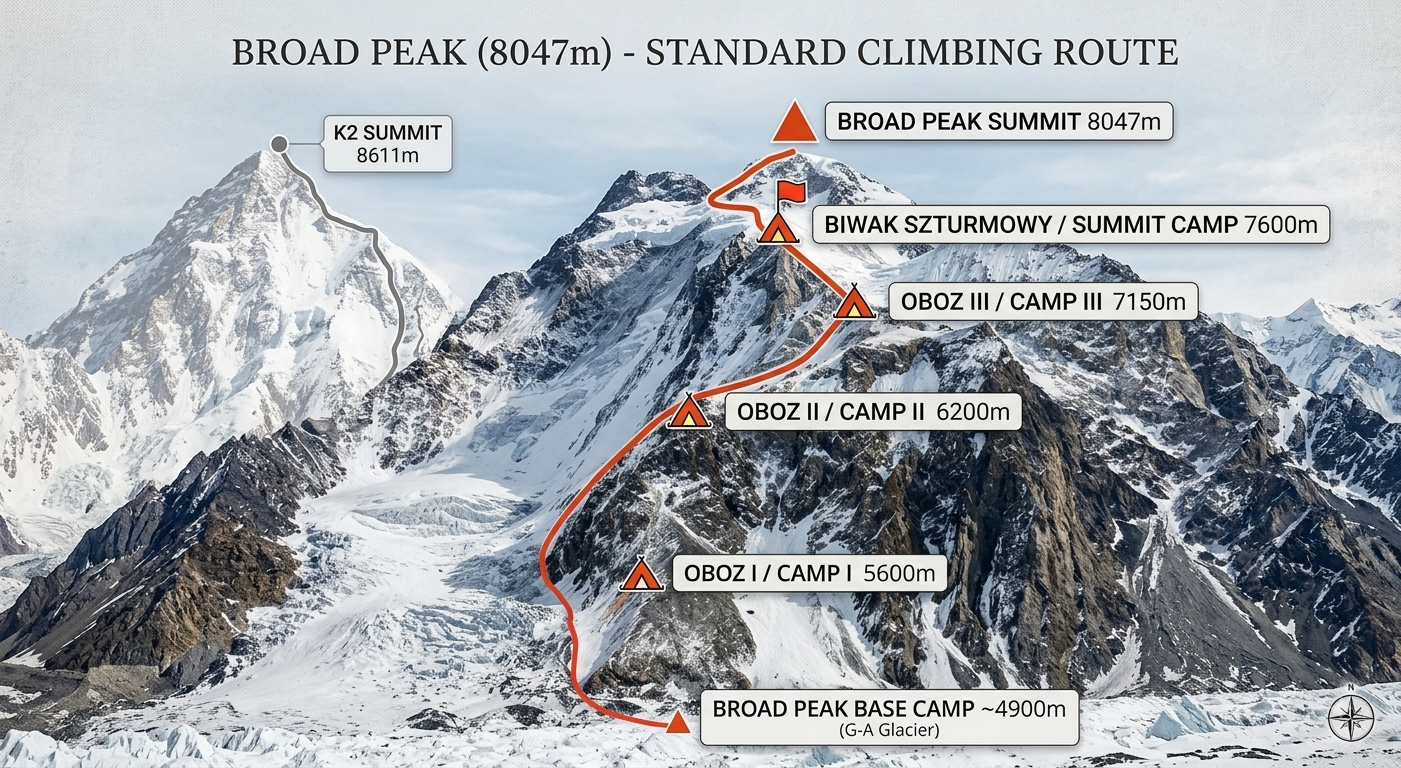
Broad Peak’s standard route follows the mountain’s western spur, climbed via a familiar high-altitude expedition structure:
- Approach: A multi-day trek along the Baltoro Glacier to Concordia and on to Broad Peak Base Camp, which is also shared with the approach to K2
- Base Camp to Camp III: Progressive acclimatization rotations up the western spur, gaining the ridge toward the upper mountain
- Upper mountain and summit ridge: A long, exposed ridge traverse passing the fore-summit before reaching the true summit
- Descent: Retracing the same line, typically the most physically depleted and highest-risk phase of the climb
The route’s technical sections are moderate by 8,000-meter standards. What makes summit day demanding isn’t the climbing, but the length of the upper ridge and the distance between the fore-summit and the true summit, which stretches an already long day well past what most climbers expect.
Can Broad Peak Be Climbed Without Supplemental Oxygen?
Yes. Broad Peak has been climbed without bottled oxygen since its first ascent in 1957, and it remains a common objective for climbers pursuing oxygen-free ascents of multiple 8,000ers. Doing so raises the physiological stakes: acclimatization becomes more critical, and the margin for error in decision-making narrows. (Even at far lower altitudes, proper acclimatization and prevention matter, as our guide to staying safe on high-altitude routes suggests.) What it does not do is change the mountain’s objective hazards. Supplemental oxygen mitigates the physiological effects of extreme altitude, but does nothing to reduce avalanche risk, serac fall, or weather exposure.
Nirmal Purja, one of the climbers who died in the 2026 avalanche, was attempting the climb without bottled oxygen as part of a long-standing pursuit of a no-O2 record across all 14 eight-thousanders (National Geographic; Wikipedia). Tragically, the accident itself was a function of terrain and snow conditions, unrelated to physiological preparedness or climbing style.
Broad Peak vs K2: Which Is More Dangerous?
Broad Peak and K2 sit close together in the Karakoram and are frequently climbed in the same season, which invites direct comparison — though the honest answer resists a simple ranking.
| Factor | Broad Peak | K2 |
| Elevation | 8,047 m | 8,611 m |
| Technical difficulty | Moderate for an 8,000er | Extreme |
| Major hazards | Avalanche, altitude, weather, exposure | Avalanche, serac, falls, altitude |
| Summit challenge | Long upper ridge, fore-summit traverse | Highly technical upper mountain, Bottleneck serac |
| Rescue difficulty | Severe | Severe |
- K2 is widely regarded as more technically demanding, with sustained steep climbing, the notorious Bottleneck traverse, and a narrower margin for error on the route itself.
- Broad Peak’s lower technical grade, though, doesn’t translate into lower overall risk. Its danger comes from a different source: extreme altitude sustained over a long summit day, avalanche-prone terrain, and weather that can shift with little warning.
The two mountains are dangerous in different ways rather than by different degrees. K2 asks more of a climber’s technical skill, Broad Peak asks more of their judgment, endurance, and the conditions they happen to encounter.
The Bottom Line
Broad Peak’s comparatively moderate technical reputation can obscure how serious its real risks are. Extreme altitude, a long and exposed summit ridge, avalanche-prone terrain, volatile weather, and limited rescue options combine to make it a genuinely dangerous 8,000-meter climb, regardless of where it sits on a technical difficulty scale. Understanding that difficulty and danger are not the same thing is the most important step toward understanding this mountain.
Sources & Further Reading
- 2026 Broad Peak Avalanche — Wikipedia
- How Nims Purja’s Broad Peak Climb Ended in Deadly Disaster — National Geographic
- Avalanche Kills Famed Climber Purja and Nine Others in Pakistan — Al Jazeera
- All 10 Climbers Swept Away in Avalanche in Pakistan Are Confirmed Dead — ABC News
- Avalanche on Broad Peak Injures, Strands Climber (2025) — ExplorersWeb
- K2 2025 Coverage: Injured Climber on Broad Peak — Alan Arnette
- Broad Peak — SummitPost
- First Ascent of Broad Peak — Guinness World Records
In Memory
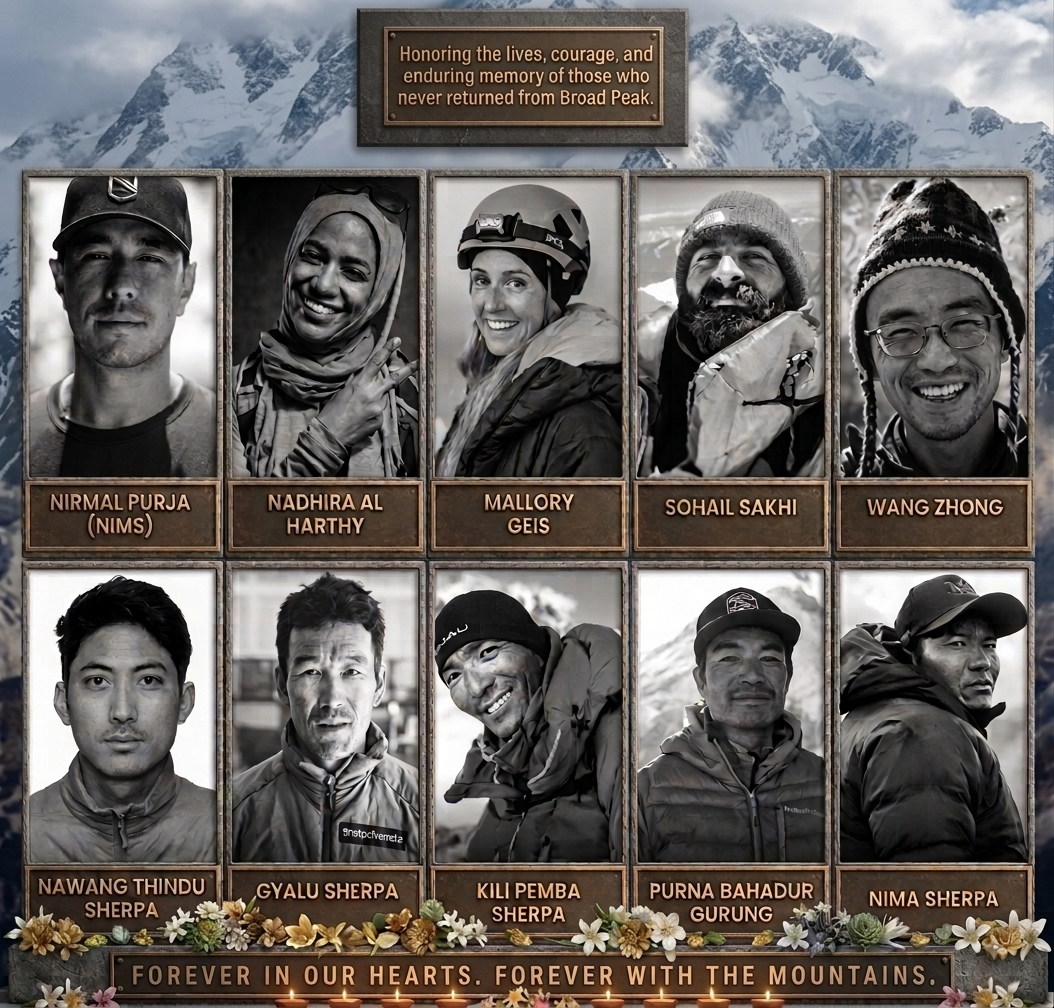
We remember with profound respect and deepest sympathy the ten climbers who lost their lives in the Broad Peak avalanche on July 30, 2026:
Nirmal Purja, Pur Bahadur Gurung, Kili Pemba Sherpa, Nima Sherpa, Nawang Thindu Sherpa, Gyalu Sherpa, Nadhira Ahmed Abdullah Al Harthy, Sohail Sakhi, Wang Zhong, and Mallory Geis.
They came to the mountains with courage, determination, and a deep passion for climbing. Their lives and their journeys touched not only those who knew them personally but also the wider mountaineering community, including us at Far Out Nepal.
Our thoughts are with their families, friends, teammates, and loved ones, who carry their memories beyond the mountain.
May their courage be remembered, their stories never forgotten, and may they rest in peace.
Why A Spiritual Retreat to Bhutan Should Be Next On Your List?
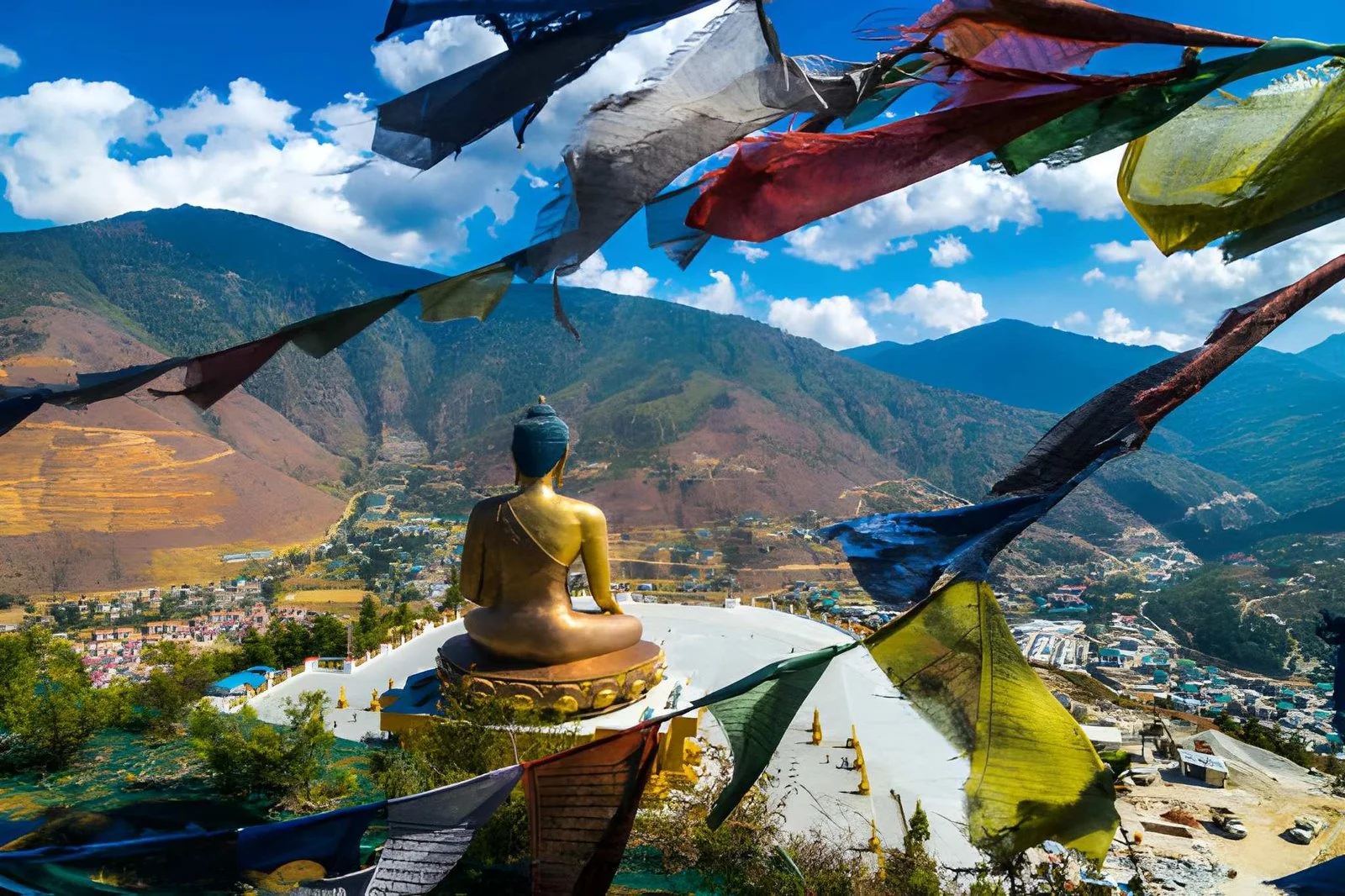
Bhutan as the Spiritual Destination
Many travelers are drawn to Bhutan because of its reputation as one of the world’s most spiritual destinations. But a Bhutan spiritual retreat isn’t always what people imagine. Some experiences focus on meditation and monastery visits, while others emphasize mindful travel, cultural immersion, and quiet reflection. Before choosing a retreat, it helps to understand what Bhutan actually offers and what sets it apart from other spiritual travel destinations.
We’ve watched travelers arrive at this question from very different starting points. Some are dealing with burnout and want a genuine break from routine. Others are at a transitional point in life and are seeking space to reflect. Some are simply curious about Buddhist culture and want more than a surface-level introduction. And some are tired of sightseeing-heavy trips and want a journey that actually means something. If any of that sounds familiar, we believe the Bhutan Spiritual Tour is the right pick for you.
What Is a Bhutan Spiritual Retreat?
A Bhutan spiritual retreat is a style of travel built around reflection, cultural immersion, and connection to Buddhist tradition, rather than sightseeing for its own sake.
It isn’t one fixed product. Depending on the traveler, it might include monastery visits, quiet time in sacred valleys, guided cultural encounters with monks and locals, or simply a slower pace that leaves room for personal reflection.
A Bhutan spiritual retreat suits travelers looking for a slower, more intentional journey shaped by living Buddhist culture, sacred landscapes, and mindful experiences.
This is not a yoga-and-spa wellness break or a formal monastic training program. Most travelers who choose this kind of trip aren’t seeking intensive spiritual training. They’re seeking a deeper, more meaningful alternative to a standard sightseeing itinerary, with space to actually process the experience rather than rush through it.
The core philosophy behind this style of travel is simple: presence over pace. Instead of moving from landmark to landmark on a tight schedule, a spiritual retreat in Bhutan builds in room to sit with a place, a conversation, or a moment of quiet, rather than photographing it and moving on. That doesn’t mean the itinerary is empty.
It means the itinerary is designed around reflection as much as sightseeing. It’s less about seeing Bhutan and more about experiencing it, which can be a meaningful distinction once you’re actually there.
What makes Bhutan distinctive isn’t a single retreat center or program; it’s that spiritual life is woven into the country itself, from its villages to its national policy
What Makes Bhutan Spiritually Distinctive?
Plenty of destinations market themselves as “spiritual.” Bhutan’s case is different, and it’s worth being specific about why, rather than making the claim and moving on.
- Buddhism here is lived, not staged for tourists.
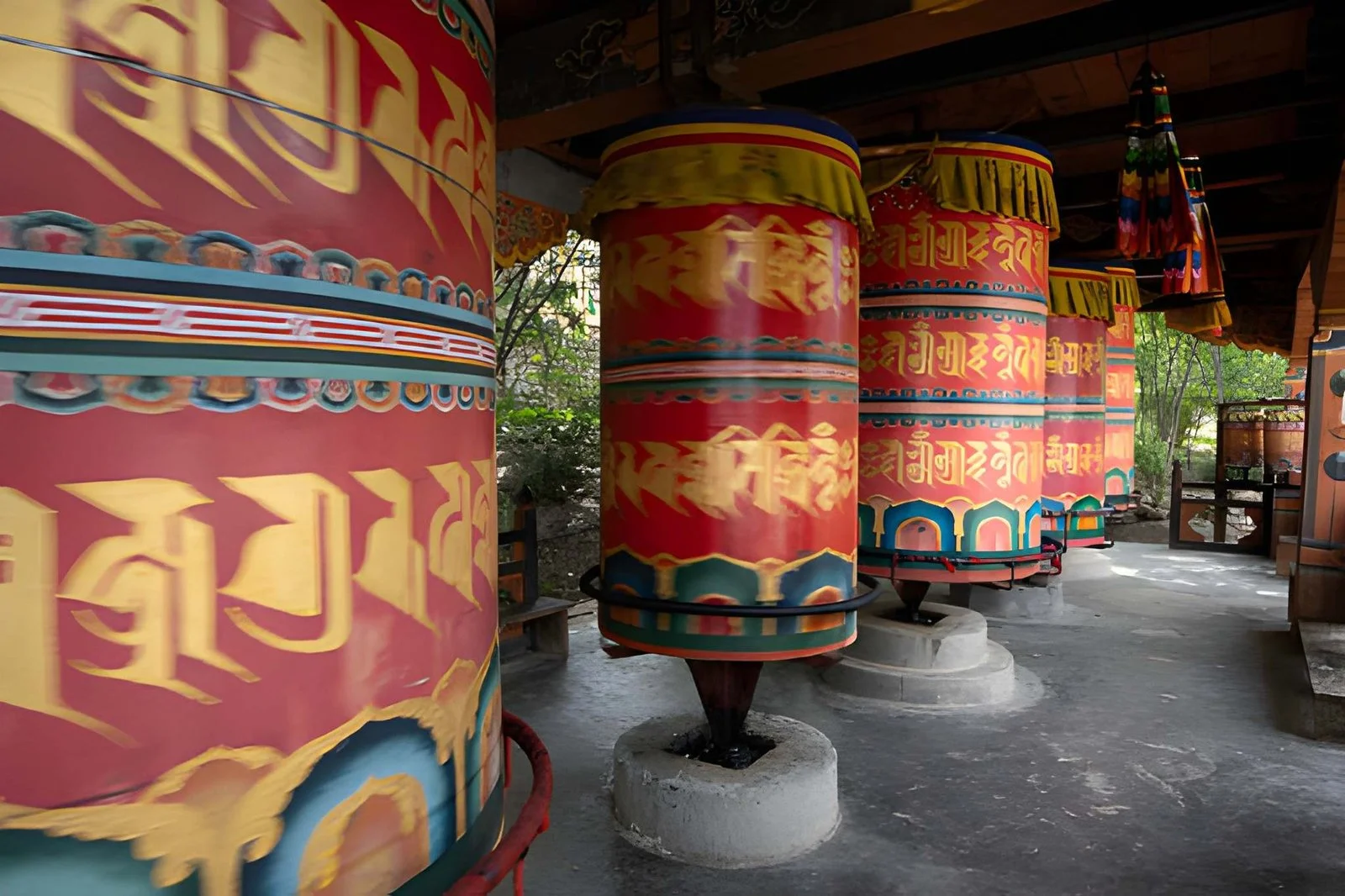
Bhutan follows Vajrayana Buddhism, practiced primarily through the Drukpa Kagyu and Nyingma schools. It shapes daily life here well beyond festivals or retreat centers. Prayer flags mark ridgelines because families put them there, not because a tour operator arranged them. Villagers visit local monasteries as part of ordinary life, not as a special occasion. Guru Rinpoche, the figure credited with bringing Buddhism to Bhutan, is woven into local stories and sacred geography
Spiritual practice in Bhutan isn’t packaged into a program you opt into for a week. It’s the backdrop everyone already lives inside, which is a different thing entirely from a retreat center built to simulate that feeling.
- Gross National Happiness is a policy, not branding.
It’s easy to hear “Gross National Happiness” and assume it’s a tourism slogan, but it isn’t. It’s a governing philosophy that has shaped decisions around growth, education, healthcare, and environmental protection for decades in Bhutan.
It also directly informs how the country approaches tourism itself. That context matters here: a country that has built policy around wellbeing tends to protect the conditions (quiet, unspoiled landscapes, & intact culture) that make spiritual travel meaningful in the first place.
- Low-volume tourism has kept its spiritual sites intact.
Bhutan’s high-value, low-impact tourism policy deliberately limits visitor numbers rather than maximizing them. The practical effect is visible on the ground: monasteries, valleys, and sacred sites haven’t been diluted by mass tourism the way many other spiritual destinations have.
Sites like Tiger’s Nest remain active places of pilgrimage and prayer, with monks and local worshippers still present, not just a backdrop for photos. Trails to remote monasteries stay quiet rather than crowded. That’s the direct outcome of a tourism model designed around preservation rather than volume.
None of this makes Bhutan objectively “more spiritual” than anywhere else. That’s not a claim any destination can honestly make, and we won’t make it here.
What it does mean is that a spiritual retreat in Bhutan draws on something structural rather than marketed. It’s the living tradition practiced daily rather than performed seasonally, the governing philosophy built around wellbeing rather than growth alone, and the tourism model that has actively protected both.
Other destinations may offer meditation programs, retreat centers, or Buddhist heritage sites. Bhutan’s difference is that the spirituality here was never separated from everyday life to begin with.
Who Is a Bhutan Spiritual Retreat Best For?
This kind of trip isn’t the right fit for everyone, and it helps to know that going in.
It tends to suit:
- Travelers recovering from burnout who need a genuine break from a demanding routine, not just a change of scenery.
- People at a personal transition point, like a career change, a loss, or a milestone birthday, who are looking for a space to think without distraction.
- Culturally curious travelers who are interested in Buddhism and Bhutanese life but don’t need or want prior religious knowledge to engage with it.
- Solo travelers who are genuinely comfortable with quiet, unhurried days rather than constant activity.
- Mindfulness-minded travelers who want substance and reflection over a checklist of landmarks.
- First-time spiritual travelers who aren’t sure this style of trip is for them yet, and want to test it without committing to something intensive.
It’s probably not the right fit for:
- Travelers primarily seeking a luxury spa vacation with minimal cultural engagement
- Fast-paced sightseeing itineraries built around covering as many landmarks as possible
- Adventure-focused travelers whose priority is trekking, physical challenge, or activity rather than reflection
If you recognize yourself in the first list more than the second, a spiritual retreat style of travel is worth exploring further.
And if you land somewhere in between, wanting both cultural depth and a fuller travel experience, that’s common too and can be arranged by Far Out Nepal with your own custom Bhutan itinerary.
Different Ways to Experience Spiritual Bhutan
Spiritual travel in Bhutan isn’t one experience. It takes several forms, and most trips blend more than one rather than committing to a single path. Understanding these paths individually makes it easier to figure out which combination is right for your own trip, rather than assuming a “spiritual retreat” automatically means one specific thing.
- Meditation Experiences:
Some travelers build part of their trip around meditation: guided sessions, quiet time in monastery courtyards, or meditative walks through pine forests and sacred valleys. Bhutan isn’t structured around long, formal silent-retreat programs the way some dedicated meditation destinations are. This isn’t a place built around weeklong silent sits.
What it does offer is shorter, guided meditation experiences woven into a broader itinerary, often led by local guides with genuine knowledge of Buddhist practice rather than imported instructors. We’ll cover this path in far more depth in a dedicated guide to meditation retreats in Bhutan.
- Monastery Visits.
Visiting active monasteries like Tango, Cheri, or Kurjey Lhakhang lets travelers witness monastic life, prayer, and ritual firsthand. These aren’t staged demonstrations for visitors; they’re functioning religious sites where monks live, study, and pray daily.
Fully immersive monastery stays, where a traveler lives alongside monks for an extended period, are limited and generally not available as a standard tourist offering. Day visits, by contrast, are widely accessible and often the highlight of a spiritual itinerary.
- Sacred Pilgrimage Sites.
Bhutan’s sacred geography, including the cliffside monasteries, hidden temples, and valleys tied to figures like Guru Rinpoche, gives spiritual travel a physical, place-based dimension that’s hard to replicate elsewhere.
Tiger’s Nest is the best-known example, perched on a cliff face above Paro, but it’s one of dozens of sacred sites scattered across the country, many far less visited.
- Wellness & Mindful Travel.
Some travelers are drawn less to formal Buddhist practice and more to slow travel, nature, and stepping away from daily stress, like digital detox, traditional hot stone baths, unhurried valley walks, and simply having fewer decisions to make each day.
This overlaps with spiritual travel but comes from a different motivation: rest and recalibration rather than religious or cultural depth. Both are valid reasons to visit, and many trips genuinely blend the two.
- Festival-Based Spiritual Experiences.
Bhutan’s tshechus with the masked dances, ritual ceremonies, and community gatherings held at dzongs and monasteries are spiritual practices made public and communal, not performances staged for visitors. Timing a trip around one adds a layer of lived culture that a quiet retreat alone can’t replicate, since it puts you in the middle of an entire community’s spiritual life rather than observing it from the outside.
Our Bhutan Festivals guide covers timing, etiquette, and which festivals suit which kinds of travelers.
Bhutan Spiritual Retreat vs. Bhutan Spiritual Tour
These terms get used interchangeably in casual conversation, but they describe genuinely different experiences. So, picking the wrong framing can lead to a mismatched itinerary and a disappointing trip. A retreat and a tour aren’t better or worse than each other; they’re built for different priorities.
| Spiritual Retreat | Spiritual Tour | |
| Focus | Personal reflection, inward-facing | Guided cultural exploration, outward-facing |
| Pace | Flexible, unhurried | Structured itinerary |
| Core activities | Meditation and mindfulness may be included | A broader mix of heritage, culture, and sightseeing |
| Scope | Smaller, experiential focus | Comprehensive travel experience |
| Best suited to | Travelers prioritizing introspection | First-time visitors wanting a fuller picture of Bhutan |
In practice, most travelers don’t pick one or the other in isolation, but combine both. A well-designed spiritual tour builds in the reflective, unhurried elements of a retreat, while giving structure and cultural breadth that a pure retreat doesn’t attempt to cover.
This is especially useful for first-time visitors to Bhutan, who often want the depth of a retreat experience but also want to see enough of the country to understand it properly, not just one quiet corner of it.
If you’re weighing the two, our Bhutan Spiritual Tour is built around exactly this blend, with the pacing and reflective space of a retreat inside a fuller itinerary.
What Can You Realistically Expect?
Trust matters more here than excitement, so it’s worth being direct about both sides.
You can expect:
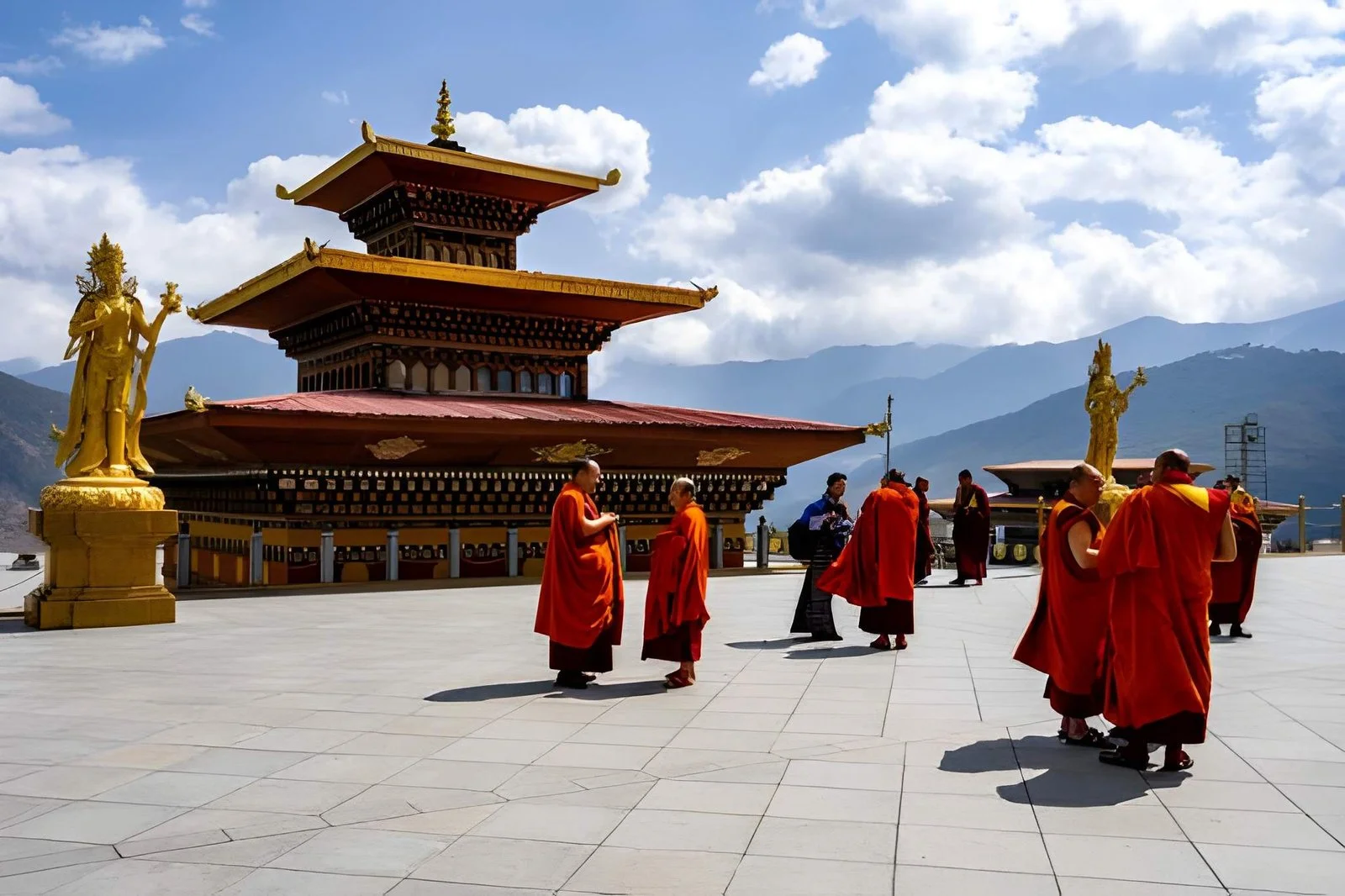
- Active, living monasteries and sacred sites, not recreated or staged versions of them
- Quiet mountain valleys with genuine space for reflection, away from crowds
- Prayer ceremonies and rituals, where it’s appropriate and respectful to observe
- Meaningful cultural immersion built around real community life, not performances arranged for visitors
- Scenic walks through forests, ridgelines, and sacred landscapes are woven into the itinerary, not treated as filler
- Time deliberately built in for personal processing, not just movement from one site to the next
You shouldn’t expect:
- Intensive monastic training or ordination-style programs
- Guaranteed overnight monastery stays, since these are limited and not a standard part of most tourist itineraries
- Silent retreats at every stop. Bhutan isn’t structured around continuous formal silence the way some dedicated meditation destinations are
- Instant personal transformation. Meaningful travel creates the conditions for change; it doesn’t manufacture it on a fixed schedule, and it’s worth going in with realistic expectations on that front
Myth vs. reality, quickly:
| Myth | Reality |
| Every retreat involves living in a monastery | Most experiences combine monastery visits with guided cultural travel |
| You have to be Buddhist to participate | Visitors from any background can take part respectfully |
| Spiritual retreats are only about meditation | Many focus on cultural immersion, sacred places, and mindful travel more broadly |
How to Choose the Right Spiritual Experience in Bhutan
Rather than starting from a package, start from what you’re actually looking for. Ask yourself which of these pulls you most:
- Meditation: You want structured practice, guided sessions, and quiet reflection time built into most days
- Culture: You’re drawn to living Buddhist tradition, community life, and understanding how spirituality shapes everyday Bhutan
- Nature: Sacred landscapes and unhurried walks through forests and valleys matter more to you than formal ritual
- Wellness: You want slow travel, rest, and stress relief more than intensive spiritual or religious practice
- Pilgrimage: Visiting specific sacred sites, following the path of figures like Guru Rinpoche, is the actual point of the trip for you
Most travelers land on a mix rather than a single answer, and that’s normal. It’s exactly why retreat and tour elements so often get combined rather than treated as separate products.
Use this as a starting point for a conversation with a tour operator who can shape an itinerary around your actual priorities, not a rigid category to lock yourself into before you’ve even started planning.
Practical Things to Know Before You Go
A few essentials worth knowing early, without turning this into a full planning guide:
- When to go: Spring and autumn offer the clearest mountain views and align with most major festival dates, making them the strongest windows for a spiritually-focused itinerary.
→ See our Best Time to Visit Bhutan guide for a full seasonal breakdown.
- What to pack: Layering matters more than volume, given Bhutan’s shifting mountain climate, and modest clothing is worth prioritizing for monastery visits.
→ Our Bhutan Packing List covers this in detail, month by month.
- Sustainable Development Fee: Bhutan’s tourism model includes a daily SDF that goes directly toward conservation, healthcare, and education. It’s part of the structural reason the country’s sacred sites and landscapes remain as protected as they are.
- Cultural etiquette and dress code: Modest dress and respectful, quiet conduct are expected at monasteries and other religious sites. It’s simple to follow once you know the basics, and your guide will walk you through specifics on site rather than leaving you to guess.
- Guides: A licensed local guide is required for most travel in Bhutan and is genuinely useful for spiritual travel specifically. Many of the cultural and religious nuances of a monastery visit or ceremony aren’t things you’d pick up on your own.
Ready to Begin Your Spiritual Journey in Bhutan?
If a slower, more intentional trip built around sacred monasteries and cultural immersion sounds like what you’re looking for, explore our Bhutan Spiritual Tour or talk to us about shaping an itinerary around your interests and pace.
Not every traveler arrives ready to book. If you’re still deciding whether this style of trip is right for you, that’s exactly what this guide was for, and it’s worth revisiting the “who this is for” and decision framework sections above before you commit. When you are ready to move forward, we’re happy to talk through what a spiritually-focused itinerary could look like for you specifically, rather than fitting you into a fixed package.
Which is the Best Month and Season to Visit Tibet?
The Best Time to Visit Tibet Is…
There isn’t one universal “best” time to visit Tibet. For most travelers, though, April to May and September to October offer the best combination of mild temperatures, stable weather, and clear mountain views.
Summer brings festivals and green valleys, but also Nepal’s monsoon, which fringes on the overland route. Winter is quiet, inexpensive, and colder than most people expect, though far from unbearable. The right time for you depends less on the calendar and more on what you’re traveling for, whether that’s first-time sightseeing, Everest views, photography, festivals, or a lower-cost trip.
This guide compares Tibet’s seasons, breaks down the weather month by month, and looks at how conditions differ across Lhasa, Everest Base Camp, and Western Tibet, so you can choose the timing that actually fits your trip.
Best Time to Visit Tibet by Travel Goal
| Travel Goal | Best Time |
| First visit | April–May & September–October |
| Photography | Late September–October |
| Everest views | September–October |
| Festivals | June–August |
| Fewer crowds | November |
| Lowest prices | December–February |
| Overland travel (Nepal–Tibet) | April–May & September–October |
| Cultural sightseeing | March–May & September–November |
Book your Tibet Trip with Far Out Nepal now & get your own customized itineraries →
Understanding Tibet’s Climate
You don’t need a full climate breakdown to pick a good travel date. What you need is just a few patterns that actually affect what your trip will feel like. Here’s what matters most when you’re choosing a month.
Why does Tibet stay dry while Nepal floods?
As the South Asian monsoon moves north, the mountains force moist air upward, wringing out most of the rain before it ever reaches the plateau. That’s why central and western Tibet stay comparatively dry through the summer, even while Nepal is deep in monsoon season.
The exception is the Nepal–Tibet border itself: the Kathmandu–Gyirong route sits closer to the windward side of the range. So, it can still see monsoon-related delays and landslide risk from June through August, even when Lhasa, a few hours further north, is dry and sunny.
Day-night swings matter more than the season when you’re picking dates.
Because the air is so thin, it holds very little heat. A sunny autumn afternoon in Lhasa can reach a comfortable 15–18°C, then drop below freezing overnight.
Mornings at high-altitude sites like Everest Base Camp are consistently colder than the daytime forecast suggests, which is why departure timing for early sightseeing matters as much as the month itself. Layering matters more here than in almost any other travel destination.
Shorter winter days mean tighter itineraries.
Summer days stretch well past 8 PM, leaving plenty of time for a full sightseeing schedule with room to spare. Winter days shorten to usable light ending around 6 PM. So, a trip built around a packed multi-stop itinerary is easier to execute from April to October than in December or January. This is worth weighing if you’re trying to fit a lot into a short trip.
Does altitude sickness depend on the season?
Not really. Acclimatization risk is driven mainly by elevation and how fast you ascend, not by the month you travel. Lhasa sits at roughly 3,650 meters, and Everest Base Camp is near 5,150 meters, and the thin air affects visitors year-round.
What season does affect is your comfort. Cold nights in winter can make early symptoms feel worse, and it’s easier to rest and hydrate properly in the milder shoulder seasons. If altitude is a concern, the fix is a properly paced itinerary, not a specific month.
Best Time to Visit Tibet by Season
Tibet in Spring (March–May)
- Weather: Cold and quiet in March, warming quickly through April and May. Crowds: Light in March, building by May.
- Landscape: Peach blossoms in Nyingchi from late March, valleys turning green by May.
- Best for: Overland travel, photography without summer crowds, first-time visitors who want mild weather without the peak-season rush.
Spring’s trade-off against autumn: Roads and passes reopen gradually through March and early April after winter closures, so early spring can still carry some route uncertainty. By late April, conditions are close to autumn’s reliability, with the bonus of flowering landscapes autumn doesn’t have.
Is spring a good time for Everest views?
Yes, especially by May. Skies are generally clear, though slightly less consistent than the post-monsoon clarity of October.
Tibet in Summer (June–August)
- Weather: Warm days (up to 23–25°C in central Tibet), rain concentrated in short afternoon or nighttime bursts rather than all-day downpours.
- Crowds: Peak season. Book trains and permits early.
- Landscape: Green valleys, grasslands in bloom.
- Best for: Festivals, family trips (highest oxygen levels of the year, easier on altitude-sensitive travelers), Mount Kailash treks.
Summer’s trade-off against the shoulder seasons: This is when the Kathmandu–Gyirong overland route is most exposed to monsoon-related road disruption, even though central Tibet itself stays largely dry. If your trip depends on a fixed overland crossing date, build in flexibility.
Does Tibet have a rainy season?
Yes, roughly June through August, but most rain falls at night or in short afternoon showers. It rarely disrupts a full day of sightseeing the way monsoon rain does elsewhere.
Tibet in Autumn (September–November)
- Weather: The most stable window of the year. The monsoon has fully retreated, humidity drops, and skies are clear.
- Crowds: Busy through September and October, easing by November.
- Landscape: Harvest season in farming valleys; barley and wheat are being brought in.
- Best for: Mountain photography, Everest views, first-time visitors who want the most predictable conditions.
Autumn’s trade-off against spring: October in particular is the single most popular month to visit, which means higher prices and more competition for permits and train tickets. November offers nearly the same clear skies with noticeably thinner crowds and the year’s first real cold snap at higher elevations.
Is October the best month to visit Tibet?
For visibility and photography, yes, as it’s the clearest month of the year. For crowds and value, November or late September are close alternatives with fewer people.
Tibet in Winter (December–February)
- Weather: Cold, especially at night, but Lhasa’s daytime sun is strong, and the city is milder than its elevation suggests.
- Crowds: Lowest of the year.
- Landscape: Snow on surrounding peaks, quiet monasteries.
- Best for: Budget travelers, travelers prioritizing a more intimate, less touristy cultural experience, and Losar (Tibetan New Year) travel.
Winter’s trade-off against every other season: Some remote high-altitude routes and passes can close or become difficult to access, and options outside Lhasa are limited. What you gain is lower prices across hotels, flights, and the Tibet train, plus a noticeably different, quieter atmosphere in the monasteries.
Is Tibet worth visiting in winter?
Yes, particularly for Lhasa-focused trips. It’s colder and quieter, but far from closed, and it’s the best-value season of the year.
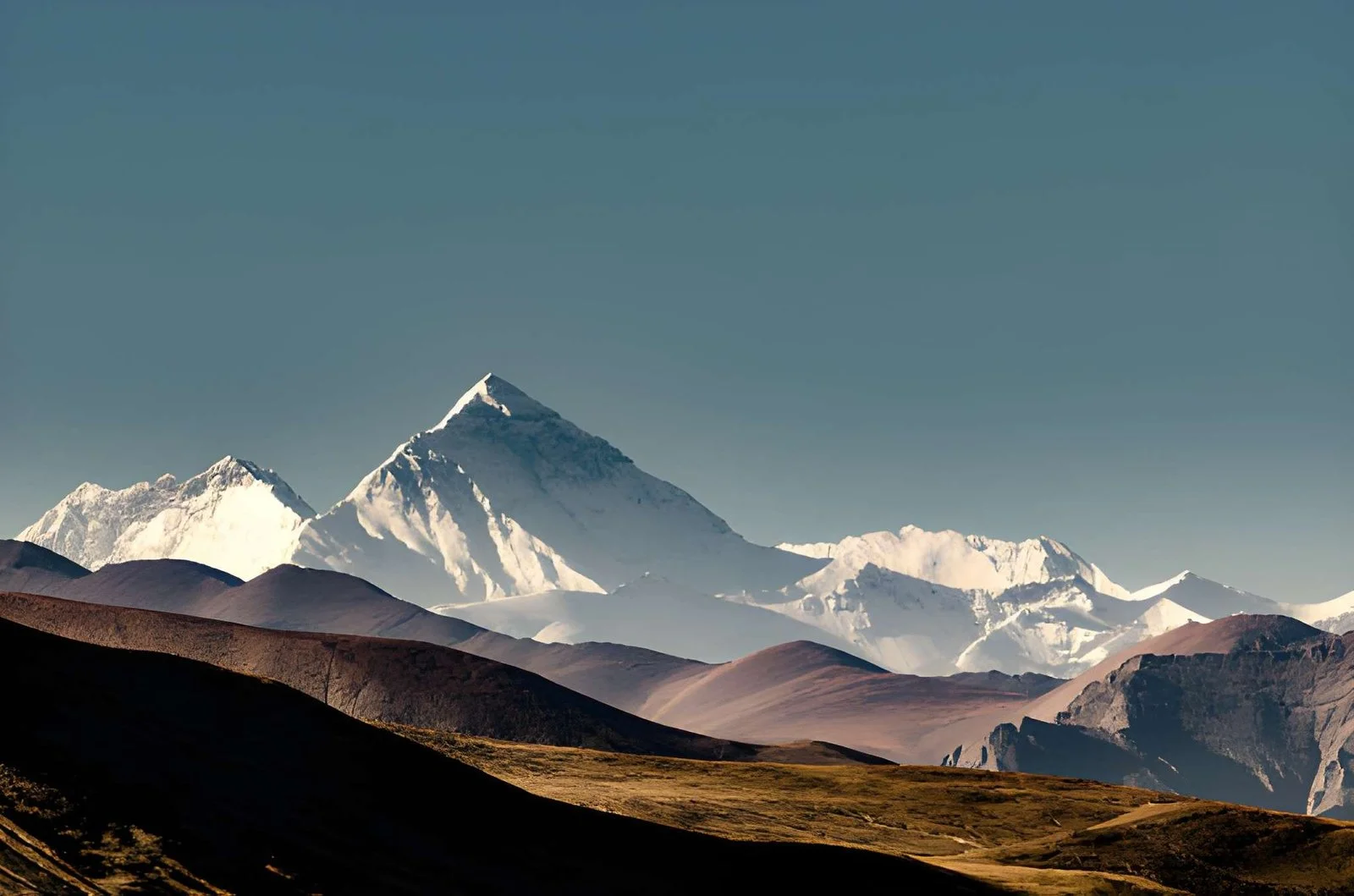
Tibet Weather by Month
| Month | Weather | Crowds | Best For |
| January | Cold, dry, sunny days | Very low | Budget travel, quiet Lhasa |
| February | Cold, Losar festival period | Low (rises around Losar) | Cultural immersion, festival travel |
| March | Cold, gradually warming | Low | Early spring, fewer crowds |
| April | Mild, roads reopening | Moderate | Overland travel, blossoms |
| May | Warm, stable | Moderate–high | Kailash treks begin, Saga Dawa |
| June | Warm, first rains | High | Festivals, greenery |
| July | Warm, wettest month | High | Shoton Festival prep, lush landscapes |
| August | Warm, humid | High | Shoton Festival, Horse Racing Festival |
| September | Mild, clearing skies | High | Transition into peak visibility |
| October | Cool, clearest skies | Very high | Photography, Everest views |
| November | Cool, dry | Moderate | Value + clear skies combo |
| December | Cold, dry, sunny days | Very low | Budget travel, Lhasa focus |
A few months’ worth of calling out individually:
- May sees the Saga Dawa Festival near Mount Kailash. This is one of Tibet’s most significant Buddhist observances, and marks the start of the Kailash trekking season as permits become easier to secure for remote western routes.
- July–August brings the Shoton Festival in Lhasa (the “yogurt banquet”), including the unveiling of a giant thangka at Drepung Monastery, alongside the Nagqu Horse Racing Festival further north.
- November is the best-kept secret. Nearly October’s visibility, a fraction of the crowds, and noticeably better hotel and tour pricing.
- February timing shifts with the Tibetan lunar calendar (Losar usually falls between late January and March), so confirm exact dates for the year you’re traveling. Some monasteries reduce visitor access around the festival itself.
Best Time to Visit Tibet Based on Your Travel Style
- First-time visitors should aim for April–May or September–October. These are the most predictable weather and the easiest logistics for a first trip.
- Photographers get the sharpest mountain visibility in October, when post-monsoon air is at its clearest. Late September is a strong, less crowded alternative.
- Festival travelers should target June–August for Shoton and the Horse Racing Festival. They can also plan around Losar (February) and Saga Dawa (May) if a specific cultural event is the priority.
- Everest enthusiasts get the most reliable views in September through October, when skies over the Himalaya are consistently clear.
- Budget travelers will find December–February offers the lowest hotel, flight, and train prices of the year. The trade-off is colder nights and reduced access to some remote routes.
- Overland travelers entering from Nepal should favor April–May or September–October, when the Kathmandu–Gyirong route is least likely to see monsoon-related delays.
→ Families, senior travelers, and those prioritizing easier acclimatization tend to do well in early summer, when oxygen levels are comparatively higher.
→ Spiritual and pilgrimage-focused travelers often plan specifically around Saga Dawa or Losar, regardless of the weather
→ Luxury travelers get the widest hotel and service availability in the September–October window.
Best Time for Different Regions of Tibet
Tibet isn’t one climate zone. So, conditions vary significantly by region.
- Lhasa.
At roughly 3,650 meters, Lhasa is Tibet’s mildest major destination and genuinely visitable year-round. The Potala Palace and Jokhang Temple see their best light and clearest backdrops in autumn. Lhasa’s strong winter sunshine also makes it one of the few Tibetan destinations worth considering even in January.
- Central Tibet (Shigatse, Gyantse, Yamdrok Lake, Namtso Lake).
Follows a similar pattern to Lhasa but with slightly more exposure at higher-altitude stops like Namtso. Namtso’s high passes can be difficult or closed in deep winter. So, it’s best visited in April–October.
Yamdrok Lake, at a somewhat lower elevation, stays more accessible through the shoulder seasons and rewards visitors with its clearest turquoise color in autumn, once summer runoff has settled.
- Everest Base Camp (Tibet side).
It’s considerably colder than Lhasa year-round due to elevation (around 5,150 meters). September–October offers the best combination of accessible roads and clear Everest views, while late spring is the next-best alternative. Winter access is possible, but conditions are harsh.
- Mount Kailash & Western Tibet (Ngari).
The most remote and weather-sensitive region. May–September is the effective window. Permits for this area also tend to process more predictably in the same months, since travel agencies are actively running tours and can bundle applications efficiently.
- Kathmandu–Lhasa overland route (via Gyirong).
The one part of Tibet still meaningfully touched by Nepal’s monsoon. April–May and September–October are the most reliable windows for this crossing, specifically, even though the rest of central Tibet has a wider comfortable travel season.
What to Pack, by Season
| Season | Key Items |
| Spring | Layers, light jacket, sunscreen, sunglasses |
| Summer | Rain shell, breathable layers, strong sunscreen |
| Autumn | Warm layers, windproof jacket, sunglasses (high UV + glare) |
| Winter | Heavy insulated jacket, thermal layers, lip balm, hand warmers |
Sun protection matters in every season. UV exposure at altitude is significantly stronger than at sea level, even on cool days.
Choosing Your Season for Visiting Tibet
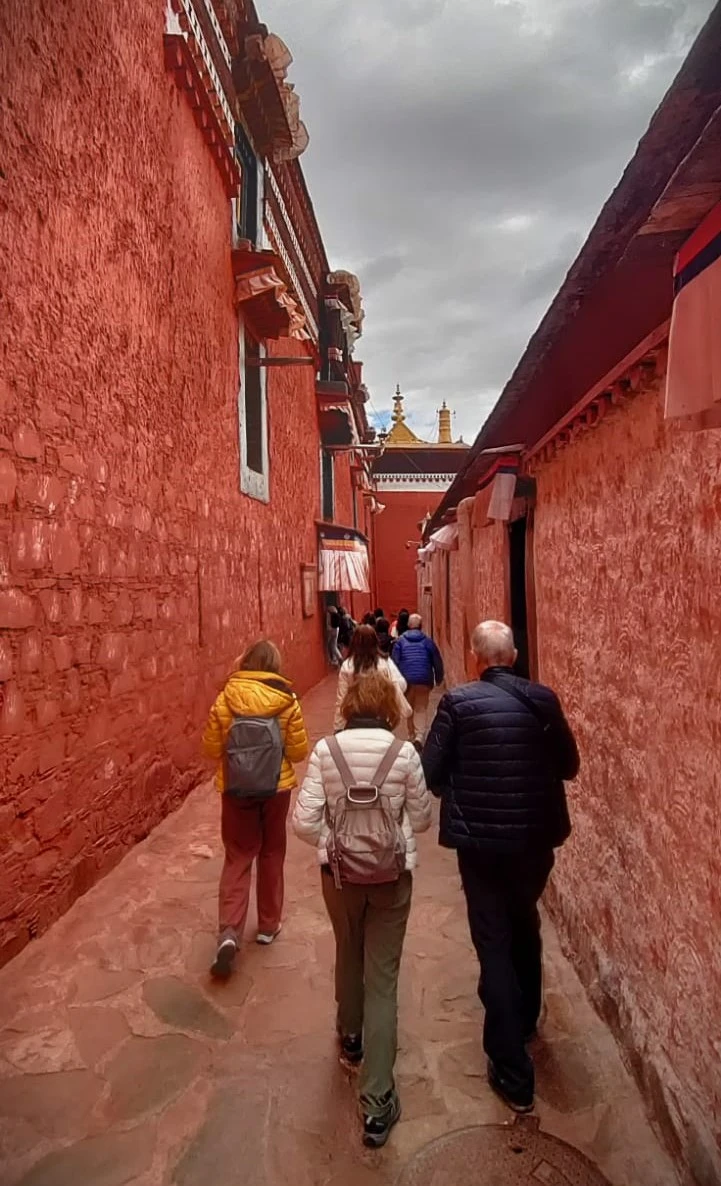
The best time to visit Tibet ultimately depends on the experience you’re looking for. Rather than searching for a single “perfect” month, think about what you want to see, do, and feel during your journey.
- If you’re planning a first trip, aim for April–May or September–October.
- If mountain photography is the priority, October is hard to beat.
- If cultural festivals matter most, June–August puts you at Shoton and the Horse Racing Festival.
- If you want the clearest Everest views, target September–October.
- And if quiet, budget-friendly travel is the goal, December–February offers Tibet at its most affordable and least crowded.
No matter when you travel, Tibet rewards visitors with extraordinary landscapes, centuries-old monasteries, profound Buddhist culture, and one of the world’s most unforgettable high-altitude journeys. Every season offers a different perspective on the Roof of the World—you simply need to choose the one that best matches your travel style and expectations.
Ready to plan your journey? Get in touch with our travel specialists for personalized advice. We’ll help you choose the ideal itinerary, the best travel season, and take care of the permits and logistics, so you can experience Tibet with confidence.
Complete Budget Breakdown for Your Manaslu Circuit Trek
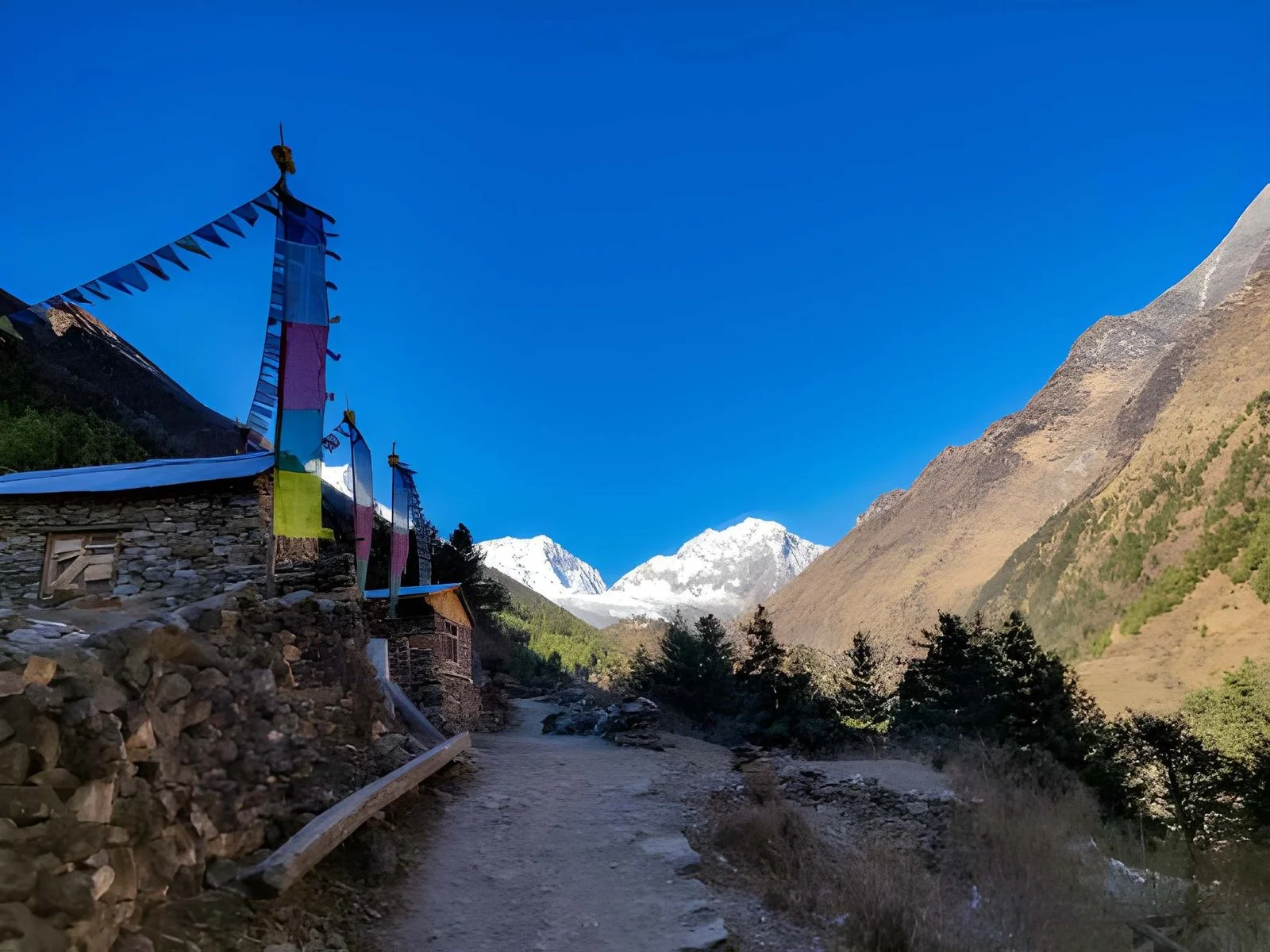
Introduction
If you search for “Manaslu Circuit Trek cost,” you’ll find quotes anywhere from $700 to $4,500 for the same 14-day route. That spread isn’t a pricing error, but reflects real differences in group size, itinerary length, and what’s actually included. This won’t just be another price list. It’s a budget planner: by the end, you’ll know exactly what you’re paying for, what’s still missing from any quote you’ve received, and how much you should realistically set aside.
How Much Does the Manaslu Trek Cost?
Most trekkers should budget $1,200–$2,800 for a standard 14-day guided Manaslu Circuit Trek, including permits, a licensed guide, teahouse accommodation, meals, and transportation. Solo trekkers typically pay somewhat more per person than those joining a group departure.
| Trek style | Typical cost (USD) | Best for |
| Budget group trek | $900–$1,300 | Cost-conscious trekkers joining a fixed departure |
| Standard guided trek | $1,300–$1,900 | Most first-time Manaslu trekkers |
| Private trek | $1,800–$2,800 | Flexible dates, custom pace, couples or families |
| Premium trek | $2,800–$4,500 | Trekkers prioritizing comfort and extra support |
Your total budget depends less on the advertised package price and more on factors such as permits, itinerary length, transportation, group size, and personal expenses.
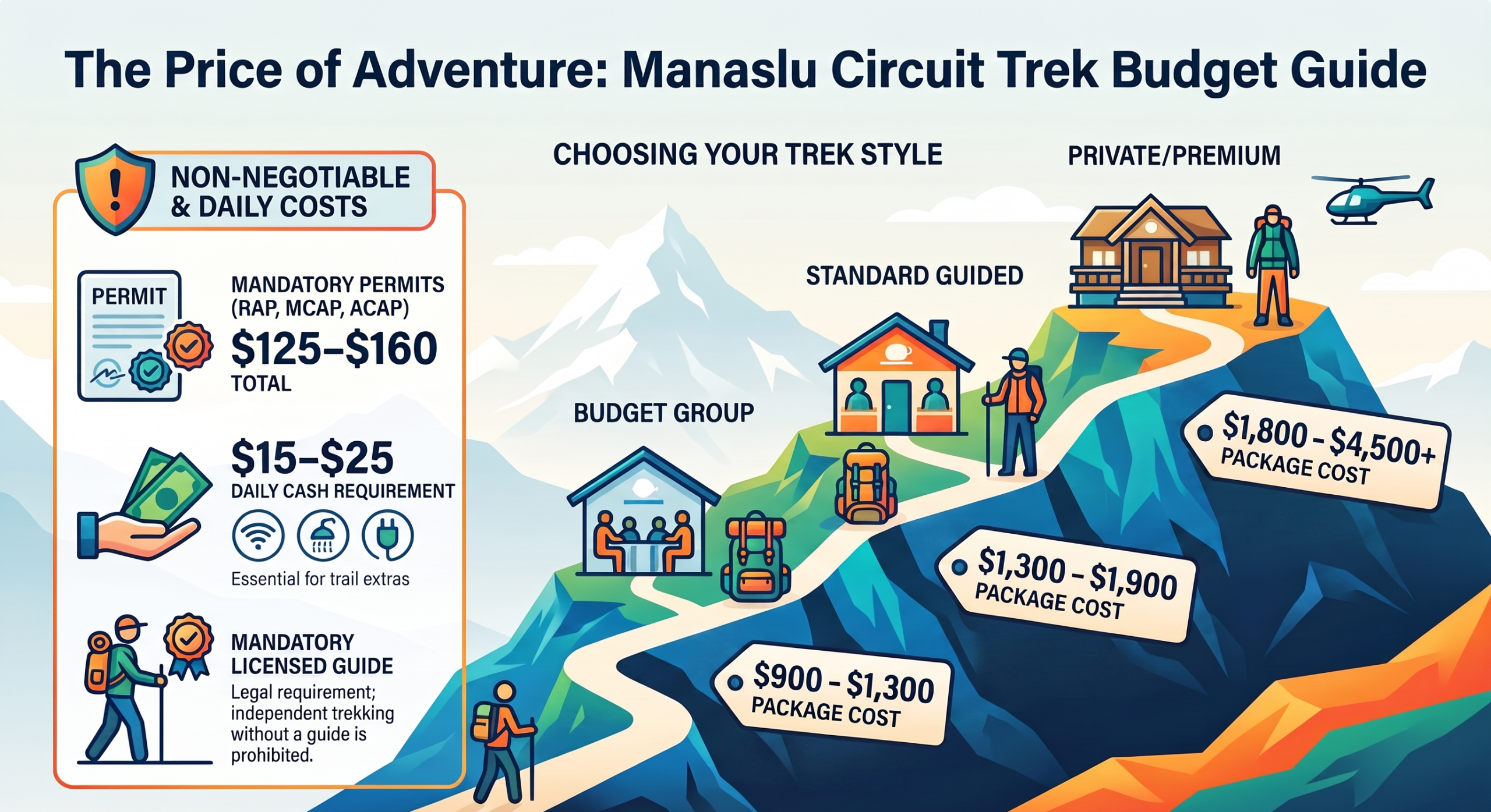
Which Travel Style Fits You?
| If your priority is… | Consider… |
| Lowest overall cost | A fixed group departure |
| Flexible dates and pace | A private trek |
| Traveling with a partner or family | A private or customized itinerary |
| Comfort and extra support | A premium package |
Why Do Prices for the Manaslu Trek Cost Vary So Much?
Two agencies can quote wildly different prices for what looks like the same 14-day trek. The gap usually comes down to a handful of decisions, not markup:
Itinerary length: A 12-day itinerary and an 18-day itinerary cover the same route at different paces, but more days mean more nights of accommodation, meals, and guide/porter wages.
Group size: A licensed guide’s daily rate is largely fixed. On a group departure, that cost is split across everyone. On a private or solo trek, one person absorbs it alone, which is why private treks usually cost noticeably more per person.
Transportation choice: A shared local jeep from Kathmandu to the trailhead costs a fraction of a private vehicle, and this single decision can shift the total by hundreds of dollars.
Accommodation standard: Basic teahouses at $5–$15 a night look very different from upgraded rooms with attached bathrooms, where available.
Season: Permit fees are genuinely higher in peak season (roughly September–November) than in the off-season, and demand-driven package pricing follows the same pattern.
Guide-to-client ratio: Under the current regulatory cap, one licensed guide is responsible for a maximum of seven trekkers. Larger groups may need a second guide, which changes the cost structure.
Fixed Costs You Can’t Avoid for the Manaslu Trek
Three permits are mandatory for anyone trekking the Manaslu Circuit, and none of them are negotiable or skippable.
Restricted Area Permit (RAP): A government permit required for all foreign trekkers entering Manaslu’s restricted zone, issued through Nepal’s Department of Immigration and obtainable only through a registered trekking agency. It cannot be arranged independently. Rates run roughly $75–$100 per week, depending on season, with peak-season weeks priced higher than off-season ones.
Manaslu Conservation Area Permit (MCAP) & Annapurna Conservation Area Permit (ACAP): The ACAP is required once the route crosses into Annapurna Conservation Area territory near Larkya La Pass. Both are issued through the Nepal Tourism Board, not the Department of Immigration, and each typically costs around $25–$30.
A note on solo trekking: until March 2026, the RAP required a minimum of two foreign trekkers per application. On March 22, 2026, Nepal’s Department of Immigration removed that requirement, allowing solo foreign trekkers to obtain the permit individually, as confirmed by the Department and reported by the Kathmandu Post. The licensed-guide requirement was not affected by this change and remains mandatory for all trekkers, whether solo or not.
Package Costs: Guides, Porters, and Group vs. Private
A licensed guide typically costs $25–$35 per day, and a porter costs $18–$25 per day if you choose to hire one. On a group departure, the guide’s cost is divided among all participants on the trip. On a private departure, though, one trekker covers the full daily rate alone. This is one of the reasons why private treks and solo treks generally cost more per person than joining a group.
Since Manaslu is a restricted area, you cannot legally hire a guide independently or trek without one. The guide’s cost is a fixed part of any legitimate package, not an optional upgrade.
Check out our Manaslu Circuit Trek Difficulty guide to learn why a guide is mandatory for the Manaslu Circuit Trek.
What’s Usually Included in the Manaslu Trek Package?
| Item | Usually included? |
| Permits (RAP, MCAP, ACAP) | Yes |
| Licensed guide | Yes |
| Porter | Sometimes |
| Teahouse accommodation | Yes |
| Meals | Depends on the package |
| Transportation to/from the trailhead | Depends on the package |
| Airport transfer in Kathmandu | Depends on the package |
| Travel insurance | No |
Always confirm which of the “depends” items are covered before comparing two quotes, as a lower headline price often just means fewer of these are included.
Personal and Trail Expenses for the Manaslu Trek
Beyond the package price, budget for daily out-of-pocket costs:
- Hot showers ($2–$5)
- Wi-Fi ($2–$4/day). It is less reliable and pricier in higher villages like Samdo.
- Device charging ($2–$4)
- Bottled water or purification ($1–$2/day)
- Snacks
- Tipping (commonly $8–$12 per trekker per day, split between guide and porter, though this varies)
Hidden and Overlooked Costs
The costs most trekkers forget aren’t dramatic. They’re just easy to miss when comparing quotes:
- Travel insurance with helicopter rescue coverage above 4,000m (often required for the permit itself, and typically $30–$80 depending on duration).
- Nepal visa fees; paid on arrival.
- Kathmandu hotel nights before and after the trek, if not included in your package.
- Gear rental or last-minute equipment purchases.
- A contingency buffer for weather delays, like an extra teahouse night or two if Larkya La Pass is closed.
Building a small contingency fund into your total budget avoids the scramble of finding cash-only payment options in a remote village if plans shift.
How Much Cash Should You Carry?
Card payments are effectively nonexistent beyond Kathmandu. Villages past Machha Khola operate on a cash-only basis for teahouses, snacks, Wi-Fi, charging, and tips. ATMs are reliable in Kathmandu but scarce or nonexistent on the trail, so withdraw what you need before departure.
A common recommendation is $15–$25 per day in personal spending cash, plus a separate emergency reserve of $150–$300 that you hope not to touch.
Sample Budgets by Trekker Type
Budget traveller: ~$950 package + $200 personal spending + $150 emergency reserve = ~$1,300 total
Standard trekker: ~$1,600 package + $300 personal spending + $200 emergency reserve = ~$2,100 total
Private trekker: ~$2,200 package + $350 personal spending + $250 emergency reserve = ~$2,800 total
Premium trekker: ~$3,400 package + $400 personal spending + $300 emergency reserve = ~$4,100 total
Is the Cheapest Manaslu Trek Always the Best Value?
Not necessarily. A significantly cheaper quote is worth a second look, not automatic suspicion. Still, it’s fair to ask what’s different. We suggest trekkers consider guide licensing and experience, whether emergency evacuation support is genuinely arranged (not just mentioned), itinerary pacing for acclimatization, and what’s actually excluded versus quietly assumed. The goal isn’t to assume the cheapest option is worse, but to compare like for like before deciding.
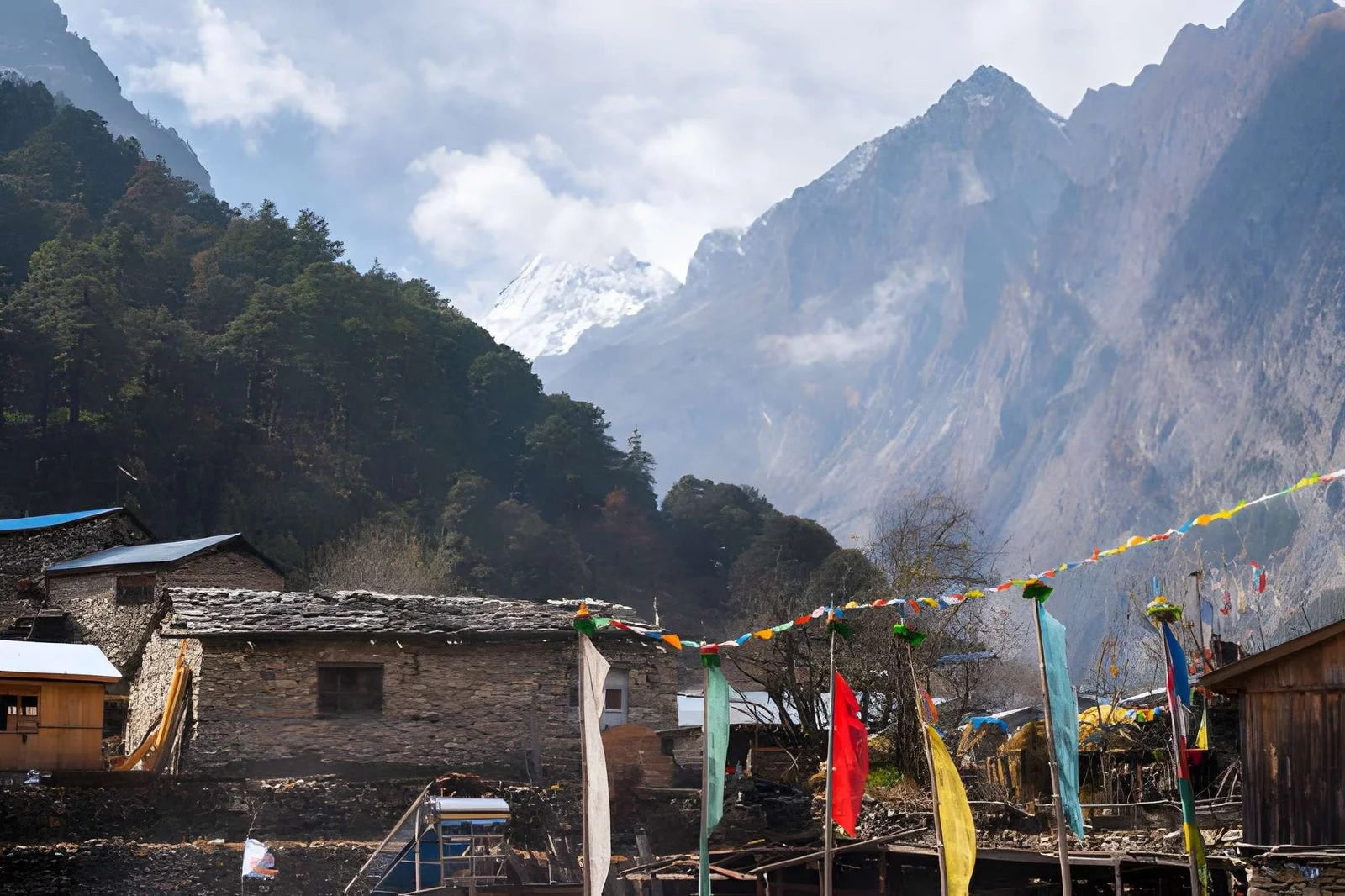
How to Compare Manaslu Trek Prices Before Booking
Before booking, ask any agency to confirm, in writing:
- Which permits are included
- Whether a porter is included or optional
- Transportation mode (shared vs. private vehicle)
- Meal inclusion (full board vs. breakfast only)
- Insurance requirements and whether evacuation support is arranged
- Cancellation and rescheduling terms
- Guide-to-client ratio for your specific departure
A quote that clearly answers all of these questions is usually more trustworthy than one that simply states a single all-inclusive number.
Planning a Realistic Budget for the Manaslu Trek
The advertised package price is only one layer of what you’ll actually spend. Add mandatory permit fees, personal trail expenses, and a genuine emergency reserve, and most trekkers land closer to the higher end of any range they first see quoted. Once you know your total realistic budget, the next step is comparing it against a full itinerary → [Manaslu Circuit Trek — full itinerary and package].
Bhutan Packing List: What to Pack for Every Month & Itinerary
Introduction
Packing for Bhutan is different from packing for most trips. A single day can move you from a warm valley town to a cool mountain pass, and from a busy market to the quiet interior of a monastery. Add in walking-heavy itineraries, including the climb to Tiger’s Nest, and it’s easy to see why generic packing lists fall short here.
The good news is that you don’t need any expedition gear. Most travelers do fine with a few adaptable layers, comfortable walking shoes, and a handful of essentials specific to Bhutan. This guide breaks down exactly what to bring, month by month, region by region, and activity by activity. Also, what to leave at home.
If you’re still deciding when to go, our “Best Time to Visit Bhutan” guide covers that. Once your dates are set, this is where you plan what goes in the bag. And if you’re browsing our Bhutan tour packages, everything below applies directly to the Glimpse of Bhutan, Bhutan Spiritual Tour, and Magical Bhutan Tour itineraries.
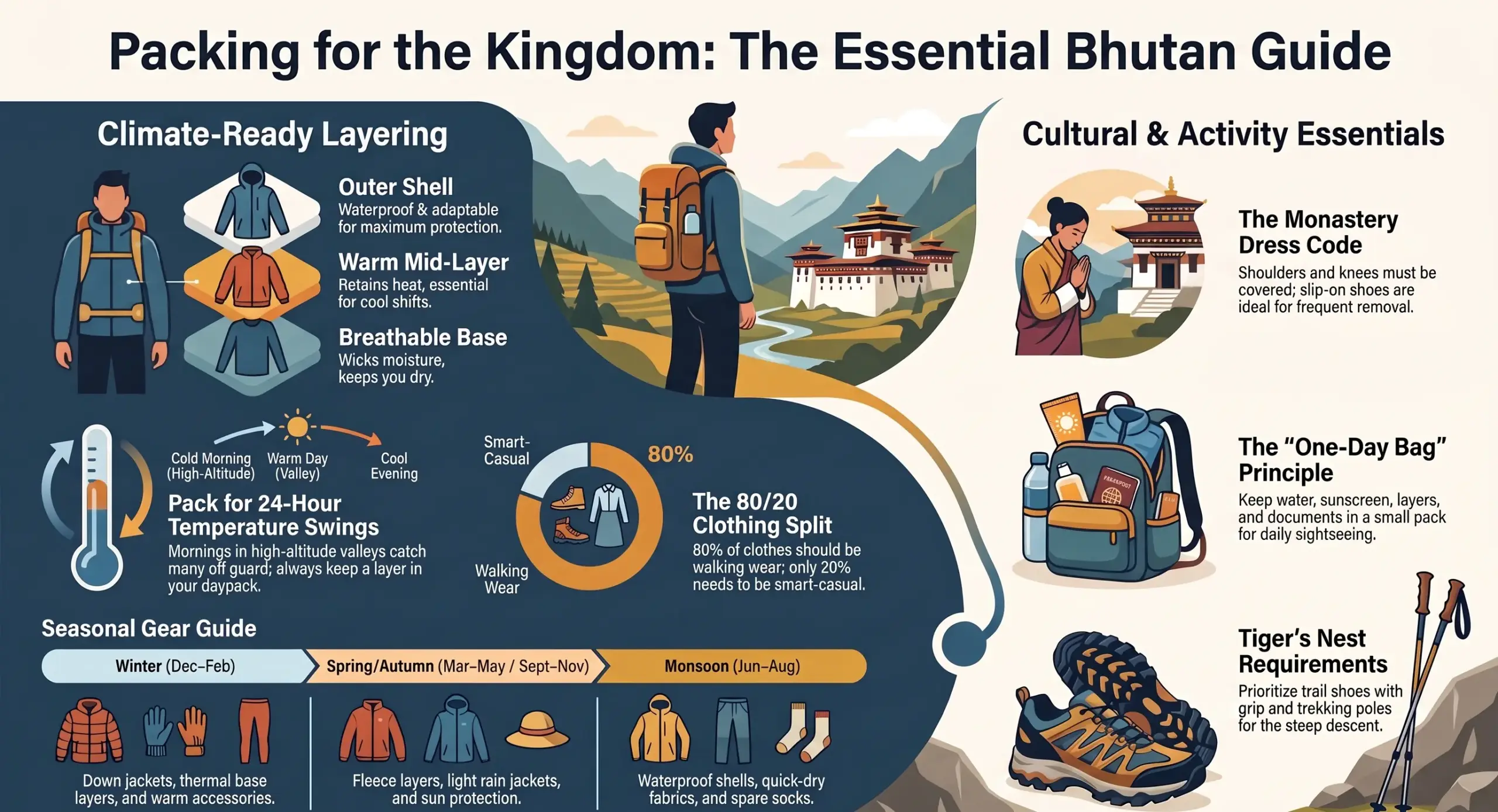
So, What Should You Pack for Bhutan?
Pack breathable layers so you can add or remove through the day. These include a warm mid-layer, a light waterproof shell, comfortable walking shoes, sun protection, and modest clothing for monastery visits. Bring your travel documents, a universal adapter, and any personal medication, since pharmacy options outside Thimphu and Paro are limited. Exact clothing weight depends on your travel month and the regions on your itinerary.
Bhutan Packing Quick Reference
| Month | What to Pack |
| January | Down jacket, thermal base layers, warm hat, gloves |
| February | Insulated jacket, thermals, warm socks |
| March | Fleece, light rain jacket, layering pieces |
| April | Light layers, sun hat, light rain jacket |
| May | Rain jacket, quick-dry clothing, light layers |
| June | Waterproof shell, quick-dry fabrics, dry bag |
| July | Waterproof shell, quick-dry fabrics, spare socks |
| August | Rain jacket, quick-dry clothing, light footwear |
| September | Light fleece, light rain jacket |
| October | Fleece or light down jacket, light layers for daytime |
| November | Insulated jacket, thermals for mornings and evenings |
| December | Down jacket, thermal layers, warm accessories |
This table is just a starting point. The month-by-month section below goes deeper, including region-specific notes.
Before You Start Your Bhutan Packing: Know Your Trip
Before building a packing list, it helps to answer five questions. What you need depends less on “Bhutan” in general and more on your specific trip:
- Which month are you traveling in? This determines your clothing weight more than anything else.
- Which regions are on your itinerary? Paro, Thimphu, Punakha, and Bumthang each call for small adjustments.
- What activities are included? A Tiger’s Nest hike, a festival visit, and a photography-focused trip each shift your gear list slightly.
- How long is your trip? A 6-day tour needs less rotation than a 10-day one.
- What’s your accommodation style? Farmhouse stays and boutique lodges both work with the same core packing list, so this mostly affects comfort extras, not requirements.
The Bhutan Packing Rule
Pack for changing temperatures, respectful temple visits, comfortable walking, and light daily travel. If an item doesn’t serve one of those four purposes, it’s probably safe to leave it at home.
The Layering Rule: Pack three adaptable layers: a breathable base layer, a warm mid-layer, and a lightweight waterproof outer layer. This combination works across most Bhutan itineraries and months, letting you adjust as temperatures shift through the day.
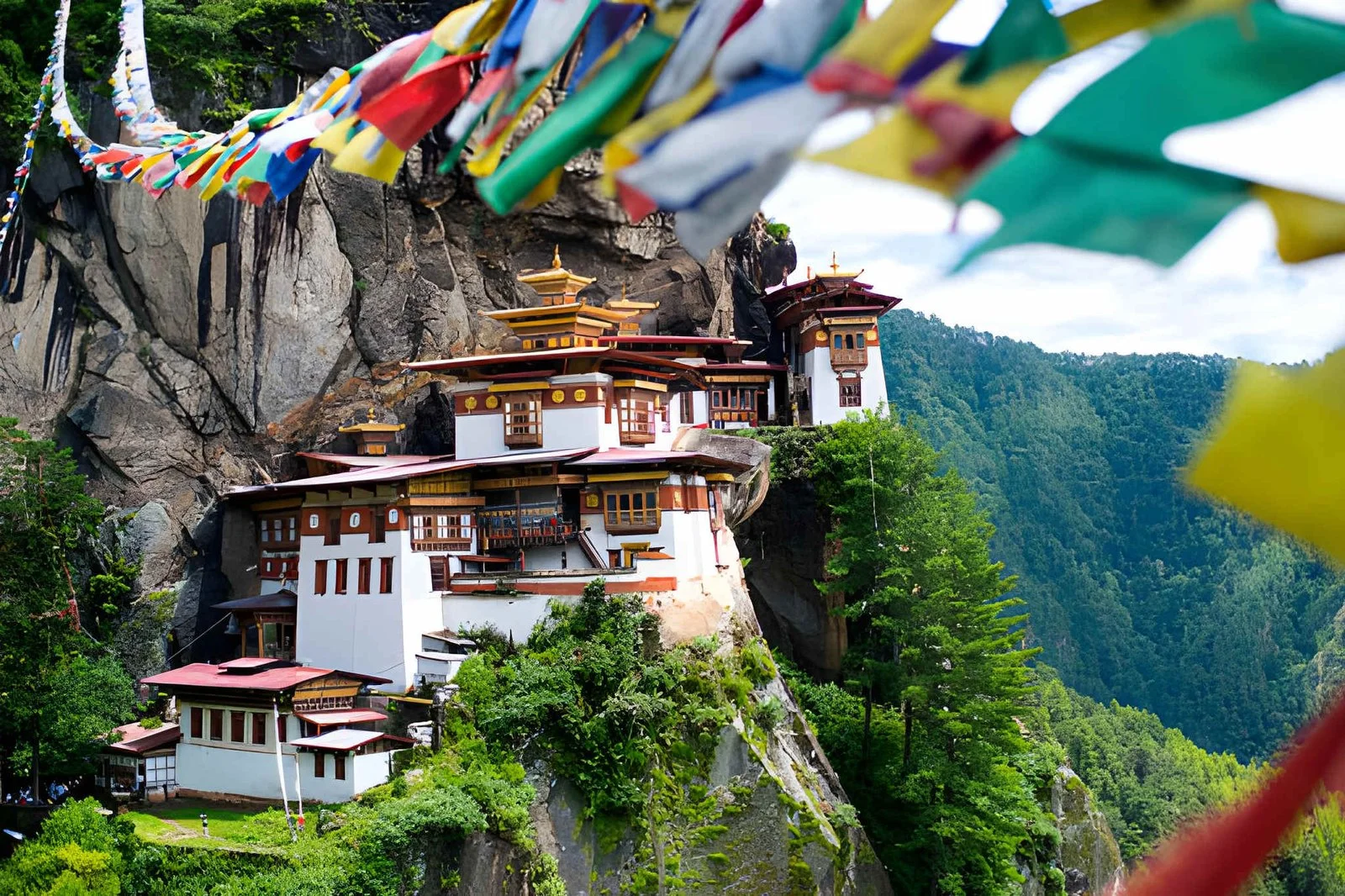
Bhutan Packing List by Month
- January & February:
Bring a down jacket or a heavily insulated coat, thermal base layers, a warm hat, and gloves. Mornings and evenings are cold across most itineraries, including in valley towns, so pack for indoor comfort too. Many guesthouses rely on space heaters rather than central heating.
- March:
A fleece and a light rain jacket cover most days. Layering pieces works well since afternoons warm up while mornings stay cool, so plan for at least one clothing change during the day rather than a single outfit.
- April:
Light layers with a light rain jacket handle most conditions. A sun hat earns its space in your bag as the daytime sun grows stronger, and sunglasses are worth adding at this point in the year, too.
- May:
Pack a rain jacket and quick-dry clothing. Light layers still matter for cooler mornings, though you’ll likely shed them by midday. A compact umbrella is a useful addition for short showers, and quick-dry fabrics mean less time waiting for laundry to dry overnight.
- June, July & August:
A waterproof shell and quick-dry fabrics are essentials for this period. Pack a dry bag for electronics, spare socks, and quick-dry footwear where possible, since regular sneakers can stay damp for a full day of touring.
- September:
A light fleece and a light rain jacket are usually enough. Early autumn mornings are cool, but afternoons are comfortable in most regions, making this one of the easier months to pack light for.
- October:
A fleece or light down jacket handles most mornings, with lighter layers for daytime.
- November:
Pack an insulated jacket and thermal layers for mornings and evenings.
- December:
A down jacket, thermal layers, and warm accessories (hat, gloves, scarf) are recommended across all regions. Pack for indoor warmth here too, since heating varies between hotels and guesthouses.
Bhutan Packing List by Place
- Paro & Thimphu:
These two towns anchor most itineraries, and packing needs stay fairly standard here across the year. So, the layering system above covers most days. Two adjustments are worth making regardless of the month:
- Keep a light layer in your daypack even in warmer months, since mornings here catch many visitors off guard, particularly if you’re heading toward Tiger’s Nest before the sun is fully up.
- Pack a light scarf, which doubles as both a layer and a monastery-visit cover-up, handy given how often both towns appear on cultural itineraries.
- Punakha:
Punakha sits at a lower elevation and runs noticeably warmer than Paro or Thimphu. Pack lighter clothing here than you would elsewhere on the same trip, and in the June–August window, bring extra quick-dry layers, since the lower elevation means higher humidity than in the higher valleys.
- Bumthang:
Bumthang is the coolest of the four regions, especially in the evenings. If it’s on your itinerary, pack an extra insulated layer beyond what the rest of your trip requires. This matters most in the January–February and November–December windows, when temperatures here drop further than in Paro or Thimphu after sunset.
How Much Should You Pack?
Rather than a generic checklist, here’s a practical guide based on trip length, using our most common itinerary lengths as a reference:
| Trip Length | Shirts | Trousers | Layers | Footwear |
| 6 days (e.g., Glimpse of Bhutan) | 4 quick-dry shirts | 2 walking trousers | 1 fleece, 1 waterproof shell | 1 walking shoe, 1 optional evening shoe |
| 10 days (e.g., Bhutan Spiritual Tour, Magical Bhutan Tour) | 6 quick-dry shirts | 3 walking trousers | 1 fleece, 1 waterproof shell | 1 walking shoe, 1 sandal or evening shoe |
The 80/20 Packing Rule: For a typical Bhutan cultural tour, around 80% of your clothing should be comfortable walking wear, while only 20% needs to be slightly smarter attire for dinners or cultural performances.
Laundry is available at most hotels, so you rarely need to pack for every day individually.
Bhutan Packing by Activity
What should you pack for the Tiger’s Nest hike?
- Comfortable walking or trail shoes, a refillable water bottle, sun protection, and a light layer are enough for most visitors.
- Trekking poles are optional but useful on the descent, when knees tend to feel the trail more than on the way up.
- Keep your camera accessible, since the views partway up are a common stopping point, and pack a light rain layer regardless of the month. The trail’s elevation also means the weather can shift faster than in the valley below.
The One-Day Bag Principle: Keep everything you’ll need during the day, like water, sunscreen, a light layer, camera, and travel documents, in a small daypack, since you’ll spend much of each day sightseeing between stops rather than returning to your hotel.
What should you pack for cultural tours?
- Comfortable, modest clothing works best, since most days include dzong and monastery visits.
- Long trousers or skirts and shoulder-covering tops are more practical than shorts or sleeveless tops, which you’d otherwise need to change out of before entering religious sites.
- A pair of shoes that slip on and off easily also helps, since footwear comes off before entering most temple interiors.
What should you pack for a festival visit?
- Comfortable footwear matters most, since festival grounds involve standing and walking for extended periods, often on uneven courtyard stone.
- Bring sun or rain protection, depending on the month, and dress modestly, the same as you would for any monastery visit.
- A light cushion or shawl to sit on is a small but appreciated addition if your itinerary includes extended seated viewing.
- For festival dates and what to expect, see our Bhutan Festivals guide.
What should you pack for photography?
- Bring your camera body, extra batteries, spare memory cards, and a lens cloth for dust.
- A dry bag is worth packing during the monsoon months, and a padded insert or wrap protects gear on bumpier mountain roads.
- A power bank helps on longer touring days when charging isn’t convenient, particularly if you’re shooting video as well as stills.
What should families pack?
- Kids’ medication, snacks, and a small activity or two for longer drives are the main additions.
- Wet wipes are useful throughout the trip, and an extra layer for children is worth packing even in warmer months, since indoor spaces can run cooler than expected.
- A lightweight stroller works in Thimphu and Paro town areas but isn’t practical on uneven monastery paths or the Tiger’s Nest trail.
Bhutan Packing: Cultural Etiquette To Remember
What should you wear when visiting monasteries?
→ Shoulders and knees should be covered, and shoes should be removed before entering. This isn’t just a courtesy guideline. It also reflects genuine local practice, and guides will often remind visitors before entering a dzong or temple. Packing one long-sleeve top and one pair of long trousers that you’re comfortable wearing repeatedly solves this for the whole trip.
Should you carry a scarf?
→ Yes, a light scarf works as a layer during cool mornings and as a quick cover-up if you’re wearing something less modest between temple visits.
Can you take photos inside temples?
→ Photography is often restricted inside temple interiors, though exteriors and courtyards are usually fine. Ask your guide before photographing anything inside a shrine room.
Bhutan Packing: Documents, Electronics, Health & Footwear
- Documents: Passport, visa confirmation, travel insurance details, flight confirmations, and a copy of each are stored separately from the originals. Keeping a digital copy on your phone as a backup is worth the extra minute, in case a physical copy is misplaced mid-trip.
- Electronics: A universal adapter (Bhutan uses Type D/G/F sockets depending on the building), a power bank, and your camera or phone charger. A local SIM or eSIM is easy to arrange in Paro or Thimphu if you need data, so it’s not necessary to buy one before you arrive. Charging outlets are generally available at hotels, though power banks are still worth packing for long touring days between stops.
- Health: Personal medication in original packaging, a small first-aid kit, sunscreen, and lip balm. Altitude affects most visitors mildly at best, but higher UV exposure at elevation catches many people off guard. Also, pack sunscreen even on cool or cloudy days, and reapply more often than you would at sea level. Dry air at higher elevations also means lip balm and a small moisturizer are worth packing, even outside winter months. A reusable water bottle is genuinely useful, since refill stations and boiled water are common at hotels, cutting down on single-use plastic during your trip.
What shoes do you need in Bhutan?
| Activity | Recommended Footwear |
| Cultural touring | Comfortable walking shoes |
| Tiger’s Nest hike | Trail or walking shoes with grip |
| Evenings at hotels | Sandals |
| Multi-day treks (add-on itineraries) | Trekking boots |
Hiking boots aren’t necessary for standard cultural itineraries. Trail or walking shoes with a reasonable grip handle the Tiger’s Nest hike and most sightseeing days comfortably.
What NOT to Pack for Bhutan
- Expedition-grade gear: Unnecessary unless you’ve added a high-altitude trek to your itinerary
- A large hard-shell suitcase: A duffel or soft-sided bag is easier to manage between stops
- Multiple heavy jackets: One good mid-layer and one shell cover nearly every scenario
- Excess formal clothing: Bhutan’s cultural tours require modest dress, not dressing up
- A week’s worth of toiletries: Hotels typically provide basics, and Paro and Thimphu have well-stocked pharmacies and shops
Can You Buy Essentials in Bhutan?
Yes, for most basics. Paro and Thimphu have pharmacies and shops carrying sunscreen, toiletries, and over-the-counter medication. Prescription medication is harder to source reliably, so bring your own supply. Bottled water, snacks, and basic clothing items are also easy to find in these two towns, though options thin out in more rural stops like Bumthang.
Luggage Guide
A soft-sided duffel bag or a mid-size rolling suitcase both work well, since most transfers involve loading and unloading from a vehicle rather than long carries. A soft-sided bag is easier for drivers and hotel staff to fit into smaller vehicle trunks on mountain roads, which is a small but real practical advantage over a rigid hard-shell case.
A small daypack is essential for daily sightseeing and the Tiger’s Nest hike. Packing cubes help keep layers organized, especially if temperatures shift through your trip and you’re adding or removing items daily. Separating clean and worn clothing into different cubes also makes laundry hand-offs at hotels quicker.
If you’re flying domestically within the region before or after your Bhutan leg, it’s worth checking baggage weight limits in advance, since regional carriers often have lower allowances than international ones.
Common Bhutan Packing Mistakes
- Packing only warm clothes and getting caught out by a warm afternoon
- Wearing brand-new shoes on the trip instead of breaking them in beforehand
- Underestimating the sun at altitude, even on cool or overcast days
- Ignoring monastery dress codes, leading to last-minute scrambling for a cover-up
- Overpacking formal wear that never leaves the suitcase
- Bringing a giant trekking backpack for what’s actually a cultural touring itinerary
What Most Travelers Forget
Lip balm, a portable charger, a headlamp for early starts, ziplock bags for damp clothing, a small reusable shopping bag, and a few small cash denominations for local markets and monastery donations.
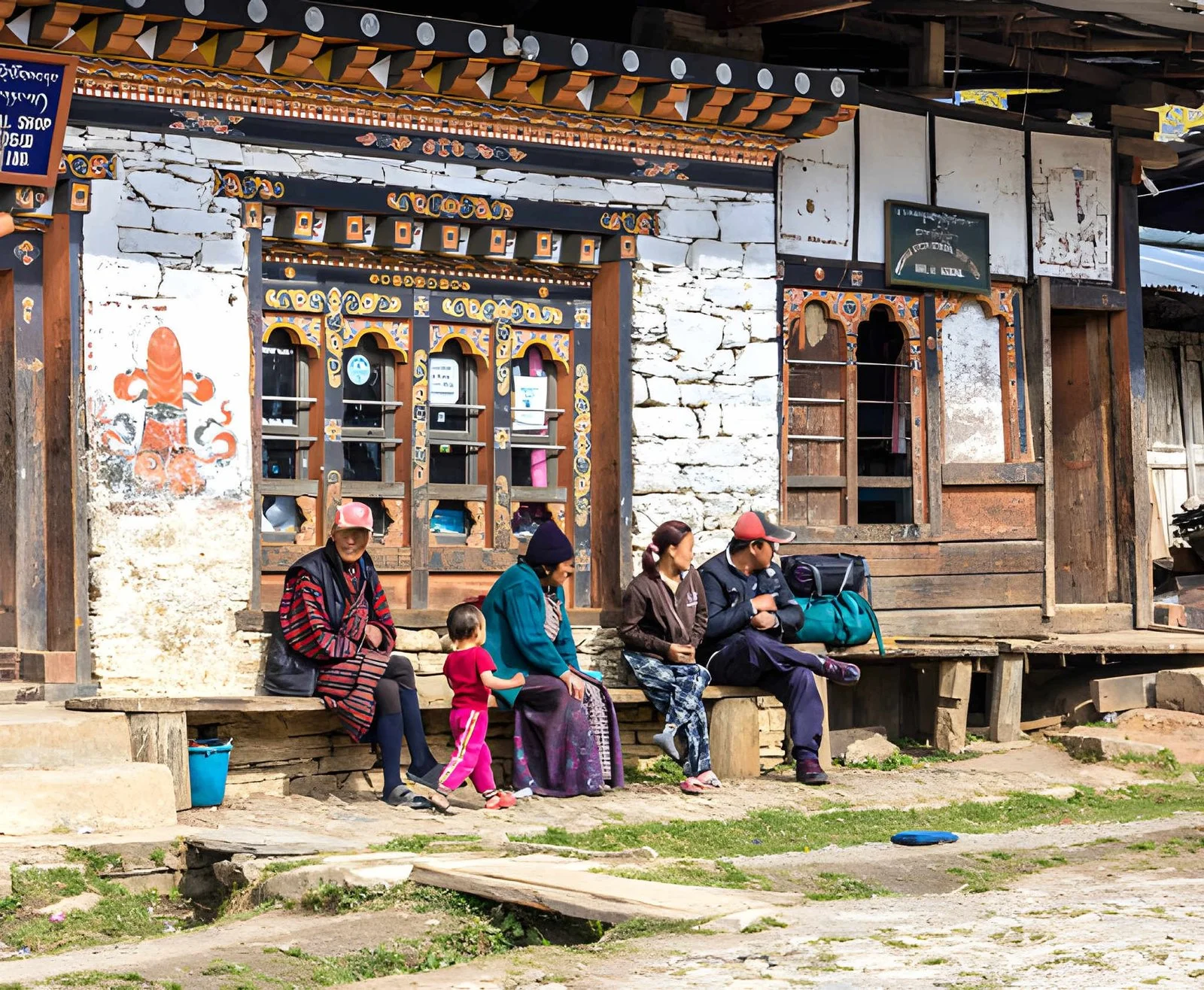
From Our Guides
Our guides consistently notice the same small oversights. Even sunny mornings in Paro can turn cool once you’re higher up near Tiger’s Nest, so a light layer in your daypack saves a return trip to the vehicle. Comfortable walking shoes are more useful than heavy mountaineering boots for most itineraries, including the hike itself. And carrying small denominations of cash makes local markets and temple donations easier to navigate.
Final Checklist
- Clothing: Base layers, fleece or mid-layer, waterproof shell, modest tops and trousers, one smart-casual outfit
- Footwear: Walking shoes, sandals
- Documents: Passport, visa confirmation, travel insurance, flight confirmations, document copies
- Electronics: Universal adapter, power bank, camera, and charger
- Health: Personal medication, sunscreen, lip balm, small first-aid kit
- Accessories: Scarf, hat, sunglasses, and reusable water bottle
- Extras: Ziplock bags, headlamp, small cash denominations
Planning the Rest of Your Trip
Pack light, pack in layers, and pack according to your itinerary, not just the season. Once your bag is sorted, the rest of your Bhutan trip comes together quickly.
Planning your Bhutan journey? Our Glimpse of Bhutan, Bhutan Spiritual Tour, and Magical Bhutan Tour itineraries each come with pre-departure guidance tailored to your travel dates, regions, and activities, so you’ll know exactly what to pack before you leave.
Continue planning:
Manaslu Circuit Trek Difficulty: How Hard Is It Really?
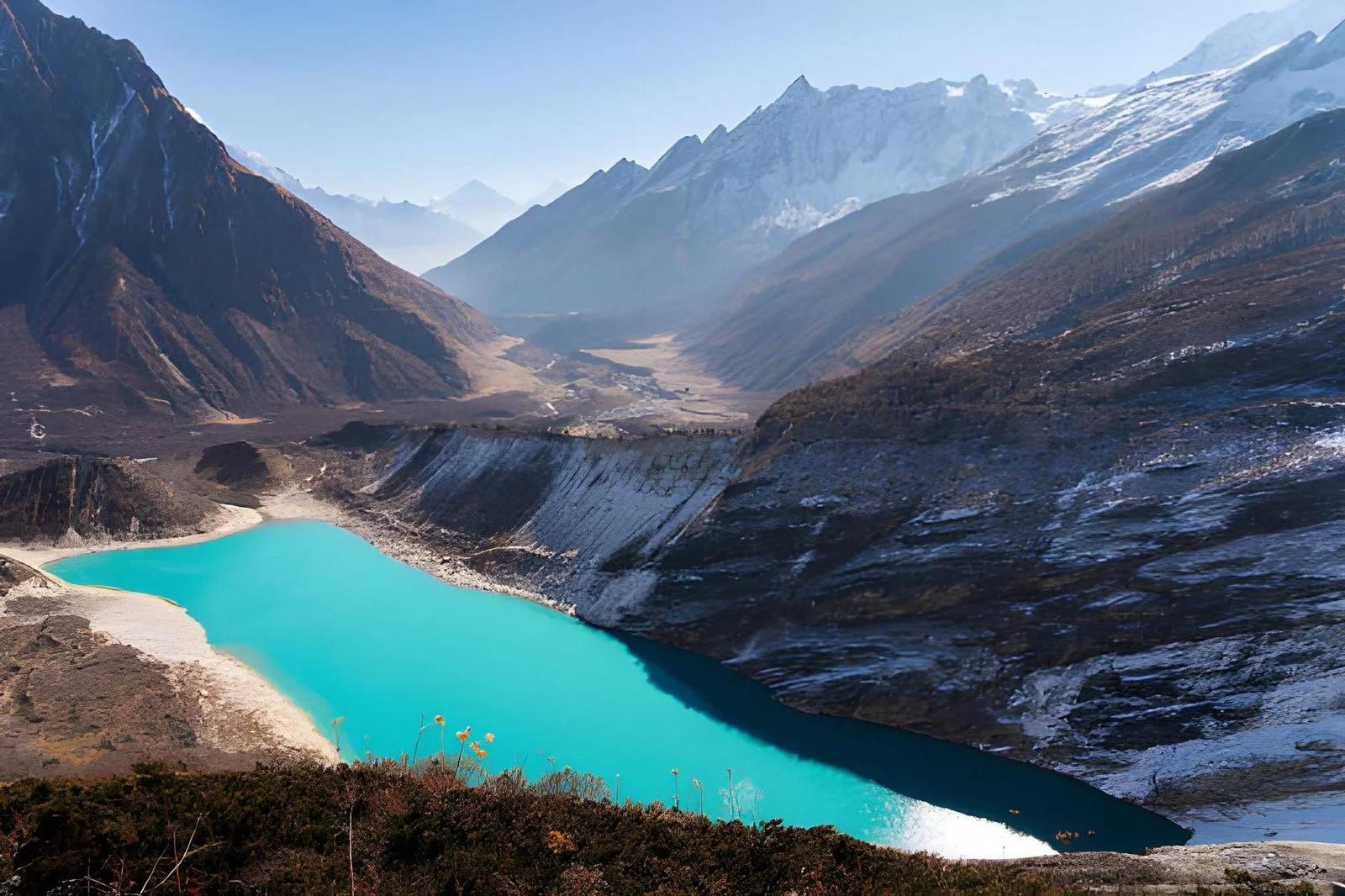
How Difficult Is the Manaslu Circuit Trek?
The Manaslu Circuit Trek is considered a challenging high-altitude trek rather than a technically difficult one. Most trekkers complete it without any climbing experience, but its long duration, remote setting, and the crossing of Larkya La Pass (5,106 m) demand solid physical fitness, proper acclimatization, and mental endurance. It is not a trek for a first-ever multi-day hike, but it is achievable for a well-prepared, moderately fit trekker.
Quick Difficulty Scorecard
| Factor | Difficulty |
| Physical Fitness | ★★★★☆ |
| Altitude | ★★★★★ |
| Technical Skills | ★☆☆☆☆ |
| Terrain | ★★★☆☆ |
| Trek Duration | ★★★★★ |
| Remoteness | ★★★★☆ |
| Mental Endurance | ★★★★☆ |
Altitude and trek duration are the two dominant difficulty drivers. But technical skill-wise, the trek is genuinely easy, since there is no climbing, no rope work, and no glacier travel involved.
What Makes the Manaslu Circuit Trek Challenging?
The difficulty of the Manaslu Circuit comes from several distinct factors stacking on top of each other, rather than any single obstacle.
-
Altitude:
Trekkers spend multiple consecutive days above 3,500 m before crossing the Larkya La Pass at 5,106 m. In this trek, reduced oxygen availability makes every physical effort, like walking, digesting, and even sleeping, harder than it would be at the same exertion level closer to the sea.
-
Long Consecutive Trekking Days:
Daily trekking typically runs 5–7 hours, rising to 7–8 hours as the route gains altitude, with the Larkya La crossing itself often taking 8–10 hours. The difficulty compounds because there are few full rest days between efforts. So, it’s the accumulation that actually wears trekkers down, not a single specific day.
-
Larkya La Pass:
At 5,106 m, this is the trek’s single hardest obstacle: a long, cold, early-morning crossing with no teahouses on the pass itself. This means the trekkers commit to several hours of exposed, high-altitude walking with no option to shelter partway through.
-
Restricted-Area Logistics:
Manaslu is a government-designated restricted area, meaning that every trekker must travel with a licensed guide and in a group of at least two people. Solo trekking isn’t permitted. That adds a logistical layer beyond the physical one. Therefore, itineraries must be arranged in advance through a registered agency, leaving less freedom to improvise on the route or pace mid-trek than on more loosely regulated trails.
-
Trail Conditions:
The path includes rocky sections, uneven and narrow stretches above the treeline, exposed scree near the pass, and multiple suspension-bridge river crossings over the Budhi Gandaki. None of it is technical, but all of it demands sustained attention and sure footing, especially when fatigued.
-
Weather:
Weather shifts the trek’s difficulty more than almost any other single factor. Snow or high wind can close Larkya La Pass outright, monsoon rain turns lower sections slippery and landslide-prone, and even in the more stable autumn and spring windows, temperatures at higher camps swing sharply between warm midday sun and freezing night.
Breaking Down the Difficulty
Rather than a single “moderate to challenging” label, the trek’s difficulty is better understood across five distinct dimensions.
-
Physical Difficulty: High.
Back-to-back days of 5–8 hours with a loaded daypack, over undulating and occasionally steep terrain, demand sustained cardiovascular endurance and leg strength rather than single bursts of exertion.
-
Technical Difficulty: Low.
No ropes, crampons, or climbing technique are required anywhere on the route, including at Larkya La Pass. It’s a high, cold walk, not a climb.
-
Mental Challenge: High.
Remoteness, consecutive demanding days, and the psychological weight of a single committing pass crossing. This trek has no easy turning-back point once you start, and tests your mental resilience as much as your physical stamina.
-
Altitude Challenge: Very high.
This is the trek’s most significant single factor. The extended time above 3,500 m raises AMS risk regardless of fitness, since altitude sickness is driven by the rate of ascent and individual physiology, not conditioning.
-
Logistical Challenge: Moderate.
The mandatory-guide system, limited teahouse infrastructure compared to Everest or Annapurna, and reduced emergency-evacuation options in remote stretches all add planning difficulty on top of the physical trek.
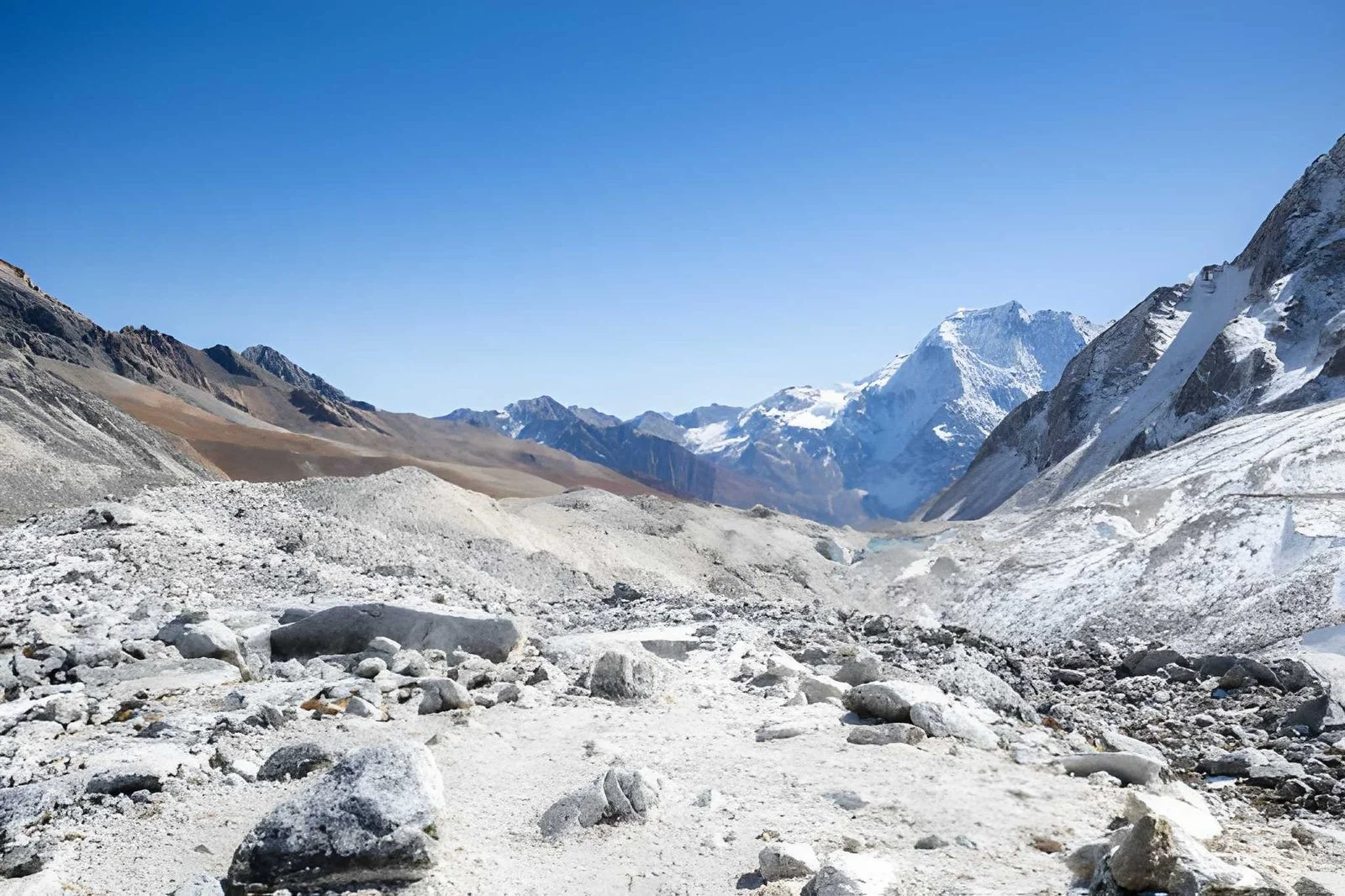
Which Parts of the Manaslu Circuit Are the Most Difficult?
Difficulty is not evenly distributed across the trek, since it builds up across distinct stages.
-
Early Trek (Machha Khola to Jagat / Deng)
Lower-altitude river-valley walking along the Budhi Gandaki, with humid conditions, steep stone staircases, and long suspension-bridge crossings. It can be physically tiring, but it has not yet been affected by altitude.
-
Middle Trek (Namrung to Sama Gaun)
Altitude begins noticeably affecting energy here. Sama Gaun is the main acclimatization village, with an extra rest day built into most itineraries. This is where pacing starts to matter more than raw fitness.
-
Approach to the Pass (Samdo to Dharamsala)
Samdo and Dharamsala (Larkya Phedi) sit at high altitude with sparse facilities. Sleep quality typically declines here, and acclimatization strategy becomes as important as physical conditioning.
-
Larkya La Pass Crossing
The hardest single day. An early, cold start, hours of sustained high-altitude walking with no shelter along the way, and a long final descent to Bimthang combine physical, altitude, and mental difficulty into one day.
-
After the Pass (Bimthang to Dharapani)
A long, steep descent that shifts the physical strain from lungs and cardiovascular effort to knees and quadriceps. Recovery demands are real here. Sustained downhill walking on tired legs is a common source of minor strains and blisters, and this stage is where earlier pacing choices show their consequences most clearly.
Far Out Nepal Guide Insight: Many trekkers assume Larkya La Pass is the hardest part because of its elevation. In practice, our guides often see fatigue accumulate over several consecutive days beforehand. This means that pacing and acclimatization in the days before the pass often matter more than the pass crossing itself.
Who Is This Trek Suitable For?
Suitability depends more on trekking background than age or general fitness alone.
✓ First Himalayan Trek
Possible with strong general fitness and at least one prior multi-day hiking trip, but this shouldn’t be your first overnight trek of any kind.
✓ Regular Weekend Hiker
Generally well-suited, provided training includes longer, consecutive-day hikes rather than only single-day outings, to build tolerance for cumulative fatigue.
✓ Everest Base Camp Finisher
Well-prepared. EBC builds relevant altitude tolerance and multi-day endurance, though Manaslu’s terrain is rougher and its infrastructure is more limited.
✓ Annapurna Circuit Finisher
Very well-suited. Annapurna Circuit shares a similar high-pass structure (Thorong La), making Manaslu a natural next step.
✓ Trail Runner
Cardio fitness helps with daily exertion, but altitude tolerance doesn’t correlate with running fitness. Even strong runners must acclimatize on the same schedule as everyone else.
✓ Older Trekkers
Achievable with realistic pacing and a slightly more conservative itinerary; age alone isn’t disqualifying, but recovery time between demanding days matters more.
How Fit Do You Need to Be for the Manaslu Circuit Trek?
You need good cardiovascular endurance and reasonable leg strength to handle 5–8 hours of walking on multiple consecutive days, though no elite athletic conditioning is required. Training should focus on stamina under sustained load rather than short bursts of intensity.
Trek-specific preparation that matters more than generic advice:
- Stair climbing with a loaded backpack: This closely simulates the steep stone-staircase sections in the lower valley
- Consecutive long hikes (two or more demanding days back-to-back): Helps build tolerance for cumulative fatigue rather than single-day fitness
- Elevation-gain training: Hikes with meaningful vertical gain condition the legs for daily ascent/descent in a way that flat-ground cardio doesn’t
- A multi-week progression building toward your longest expected trekking day, rather than a single peak-fitness weekend before departure
Is Altitude the Biggest Challenge on the Manaslu Circuit?
Yes. Altitude is the single largest difficulty factor on the trek, more significant than terrain or trekking hours. Reduced oxygen availability above 3,500 m increases physical effort for the same exertion, disrupts sleep quality, and raises the risk of Acute Mountain Sickness (AMS) regardless of how fit you are.
Acclimatization, or the process of allowing the body to adapt to lower oxygen levels at higher elevations, is managed through built-in rest days (notably at Sama Gaun), a gradual ascent profile, and close guide monitoring of symptoms in the days leading up to Larkya La Pass.
For symptoms, prevention, and emergency response → [See our Altitude Sickness guide]
Is the Manaslu Circuit Trek Technically Difficult?
No. The Manaslu Circuit involves no climbing, no ropes, no crampons, and no glacier travel anywhere. It’s just a high-altitude walk over rock and snow rather than a technical mountaineering crossing. The difficulty comes entirely from endurance, altitude, and remoteness, not technical skill.
Myth vs. Reality
Myth: You need mountaineering or climbing experience to attempt this trek.
Reality: The challenge comes from sustained endurance and altitude adaptation, not technical climbing ability.
Manaslu Circuit Trek vs Other Popular Treks (Pure Difficulty Comparison)
| Trek | Physical Demand | Altitude | Technical Skill | Remoteness |
| Manaslu Circuit | High | Very High (5,106 m) | Low | High |
| Everest Base Camp | Moderate–High | Very High (5,364–5,545 m) | Low | Moderate |
| Annapurna Circuit | High | Very High (5,416 m) | Low | Moderate |
| Annapurna Base Camp | Moderate | Moderate | Low | Low–Moderate |
| Langtang Valley | Moderate | Moderate | Low | Low |
Manaslu is generally more demanding overall than Everest Base Camp, despite EBC’s slightly higher summit point (Kala Patthar), because it involves more consecutive high-altitude days, sparser teahouse infrastructure, and mandatory guided travel through a restricted area.
Compared to the Annapurna Circuit, Manaslu is broadly comparable in physical and altitude demand but notably more remote, with fewer teahouses and less flexibility to adjust plans mid-route.
How to Make the Manaslu Circuit Trek Easier
| Problem | Solution |
| Altitude | Follow the built-in acclimatization days, ascend gradually, and communicate symptoms to your guide early |
| Fatigue | Train with consecutive long hikes before departure to build tolerance for cumulative, multi-day exertion. |
| Cold | Use proper layering, especially for the pre-dawn Larkya La start, when temperatures are at their lowest |
| Long days | Pace conservatively from the start. Adopt a slower, steadier rhythm in the early days to preserve energy for the pass. |
Common Mistakes on the Manaslu Circuit Trek
- Walking too fast early on. Pushing pace in the lower valley often costs energy reserves higher up.
- Not eating enough. Appetite drops at altitude, but caloric intake needs to stay high to support daily exertion.
- Carrying too much weight. An overloaded daypack adds unnecessary strain to already-demanding terrain.
- Ignoring early altitude symptoms. Mild headaches or nausea are warning signs, not something to push through.
- Underestimating recovery after the pass. The descent to Bimthang is where accumulated fatigue and knee strain most often catch trekkers off guard.
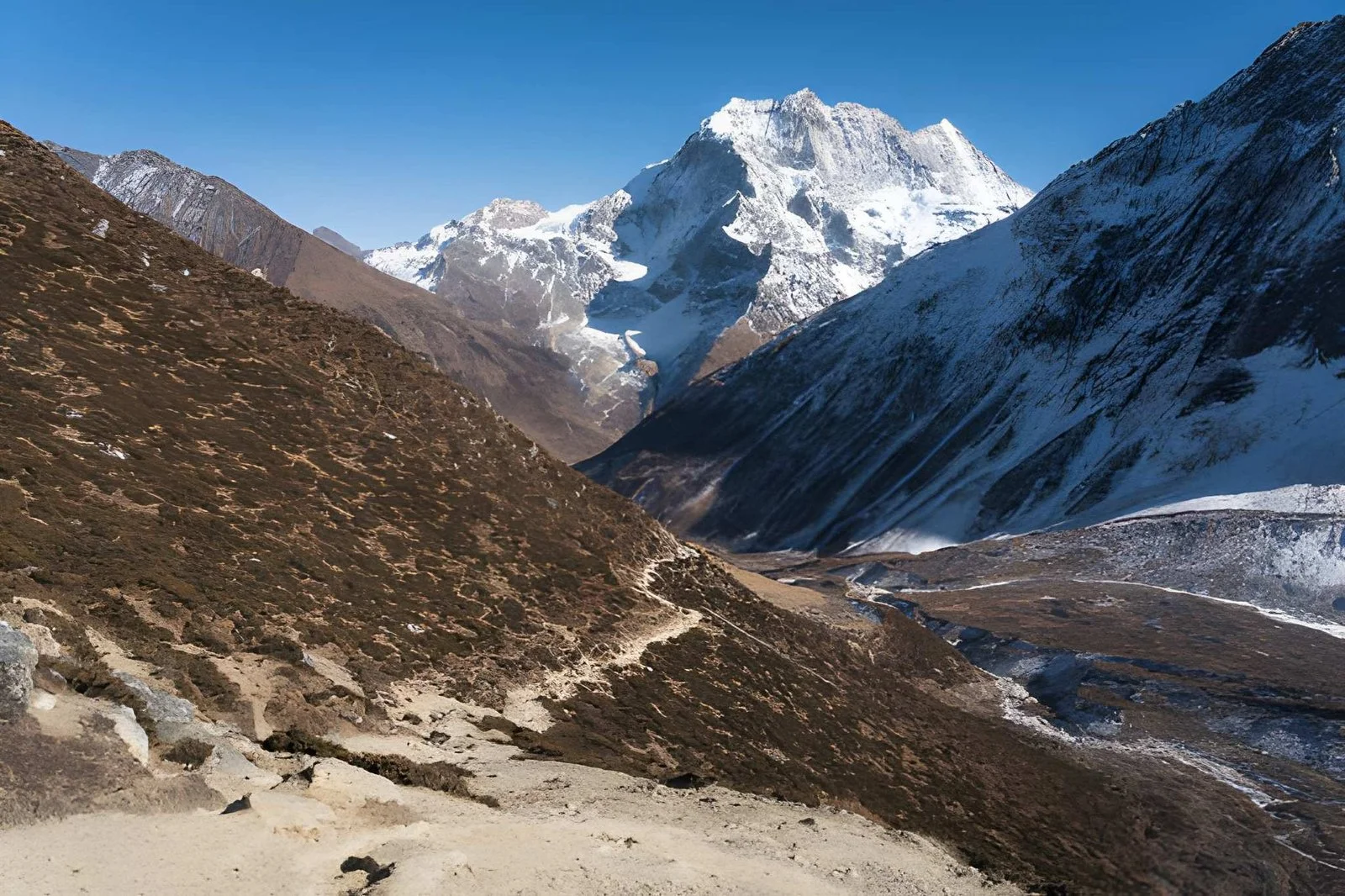
Final Verdict: Is the Manaslu Circuit Trek Right for You?
The Manaslu Circuit rewards trekkers who arrive reasonably fit, mentally prepared for a multi-day commitment, and realistic about what altitude does to effort and sleep. It suits experienced weekend hikers, EBC or Annapurna Circuit graduates, and fit first-timers with at least one prior multi-day trek. It’s less suited to those seeking their very first overnight hike or expecting a technical mountaineering challenge, since the difficulty here is endurance and altitude, not climbing skill.
If this difficulty profile matches what you’re looking for, the next step is logistics: itinerary length, trekking window, and choosing the right support on the ground. → Explore our Manaslu Circuit Trek itineraries and departure dates.
Bhutan Festivals: Your Complete Festival Calendar, Dates & Guide
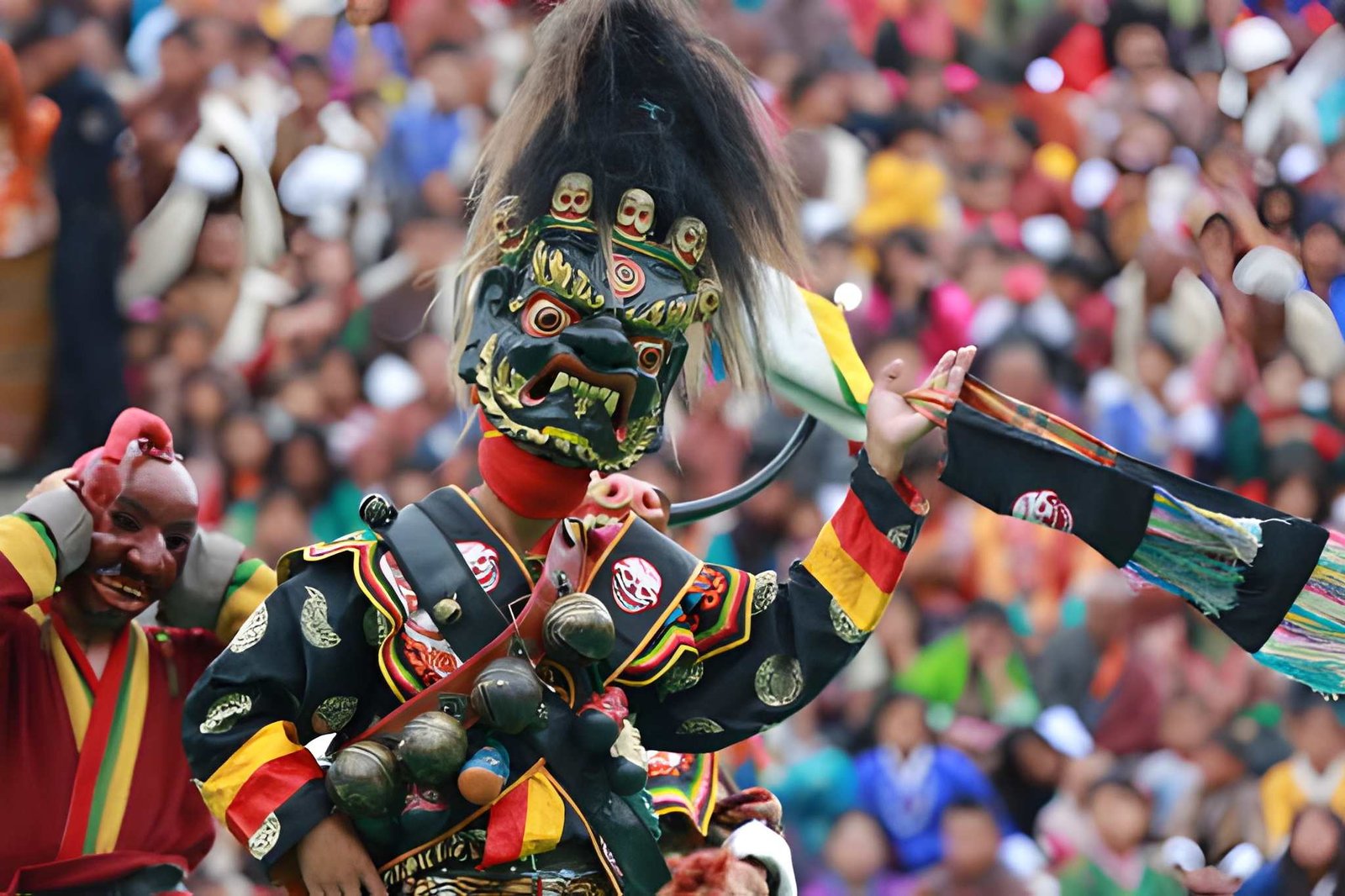
Introducing the Festivals in Bhutan
Bhutan hosts over 150 festivals every year, and in all honesty, most travelers only ever hear about two or three of them. Ask someone about the Bhutanese festivals, and you’ll get “the one with the masks,” which is usually the extent of what they know. What most people don’t realize is that behind that single image lies a living calendar spread across all twenty of Bhutan’s districts, from the packed courtyards of Paro to a quiet valley where an entire village gets out to celebrate the arrival of a migrating bird.
We’ve watched many travelers walk into their first Tshechu unexpectedly and say that it was the single moment that made their trip by the end of it. This guide is built from that experience. It’s just not to hand you dates, but to help you actually choose the right festival, understand what you’re looking at once you’re standing in the crowd, and plan around it properly so nothing catches you off guard.
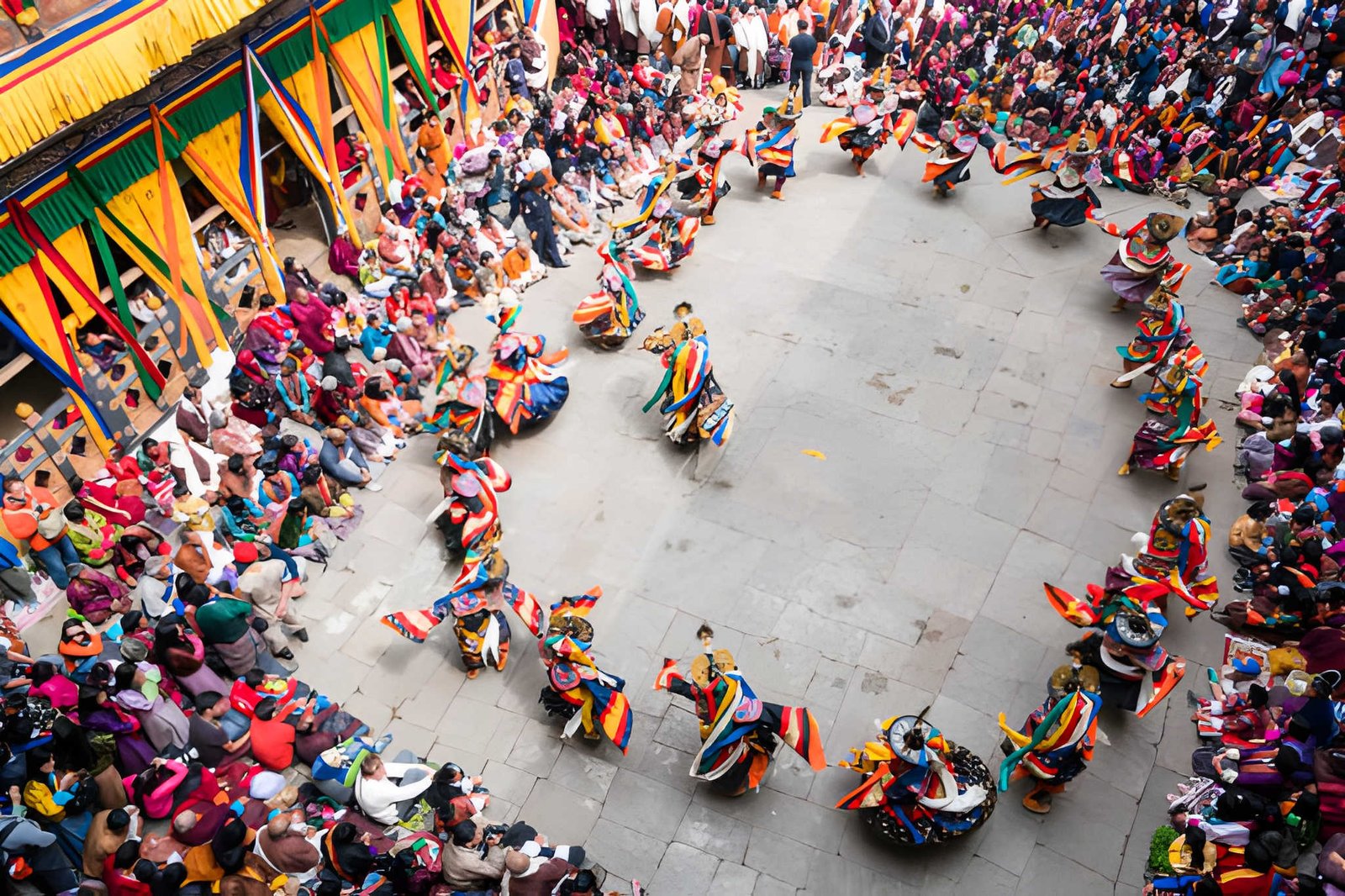
Whether you’re deciding which festival should anchor your entire itinerary or you just want to understand what a Tshechu is before you land in Paro, you’ll find the practical details here: booking timing, real etiquette, and what each festival actually feels like once you’re there.
Want to book a Bhutan Trip now, but a bit confused? Check out our Bhutan page and send us your enquiry now →
Bhutan Festivals at a Glance
| Quick Fact | Answer |
| Total annual festivals | 150+ |
| Largest festival | Thimphu Tshechu |
| Most popular with tourists | Paro Tshechu |
| Wildlife festival | Black-Necked Crane Festival |
| Best season | Spring & Autumn |
| Calendar system | Lunar (Bhutanese calendar) |
| Tourists allowed | Yes, at the vast majority of festivals |
Why Festivals Matter in Bhutan
In most countries, a festival is entertainment first and tradition second. In Bhutan, it runs the other way around.
Nearly every festival, or Tshechu, exists to honor Guru Rinpoche, the 8th-century saint credited with bringing Vajrayana Buddhism into the Himalayas. This isn’t a country where religion sits quietly in the background. It’s woven through daily life, and festivals are where that faith becomes visible, loud, and communal all at once.
For weeks beforehand, monks retreat into prayer and meditation, rehearsing the Cham, which is the masked dances that reenact stories of enlightened beings overcoming evil. Locals genuinely believe that simply witnessing these dances brings blessings. Some even say it moves you a step closer to enlightenment just by watching.
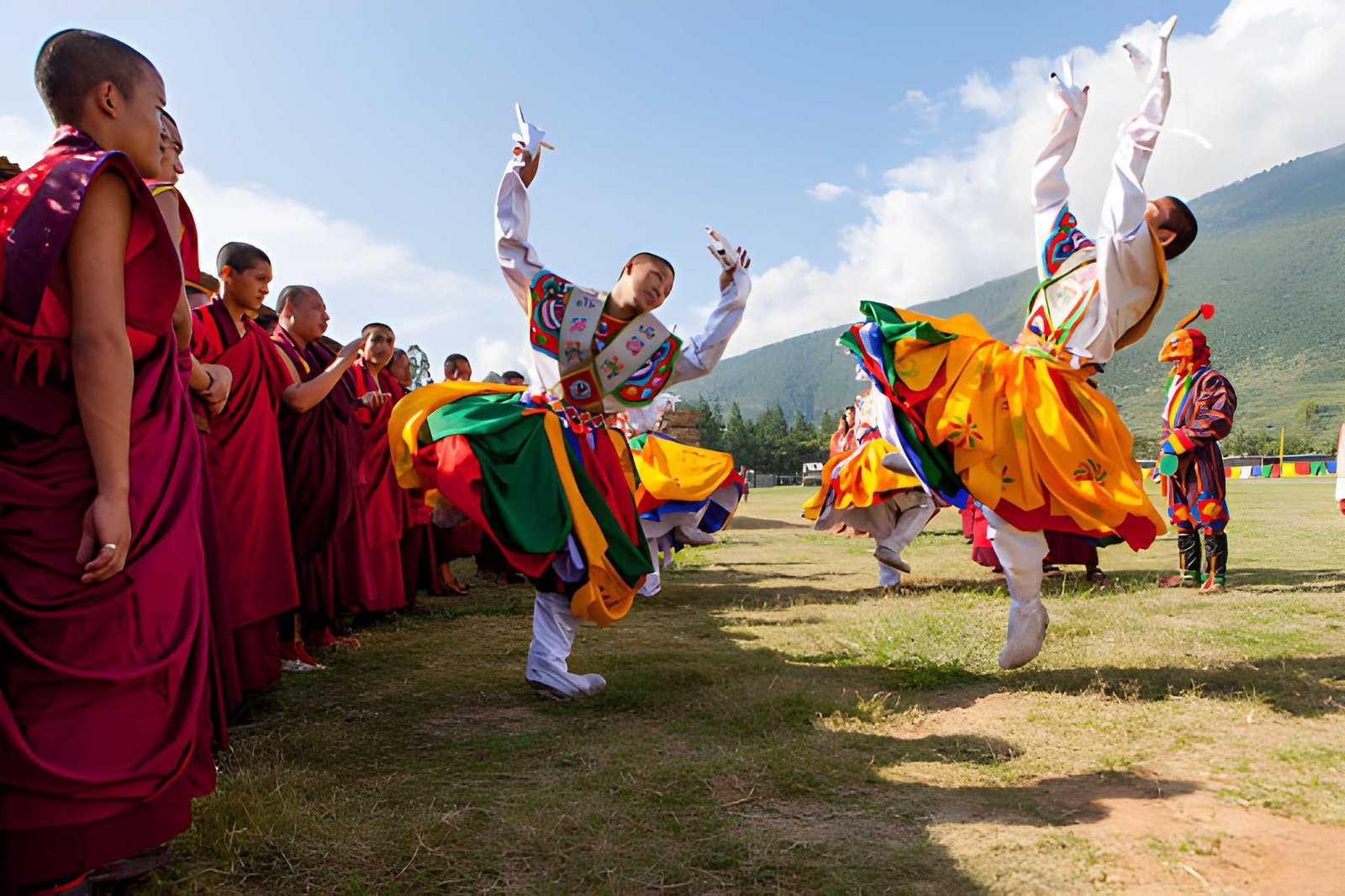
But we’d be doing the festivals a disservice if we made them sound purely solemn, because they’re every bit as social as they are sacred. Entire villages shut down for the day. Families put on their finest gho and kira, pack picnic lunches into traditional bamboo baskets, and spend the whole day at the dzong or monastery courtyard, catching up with relatives they might only see once a year.
In a country that deliberately limits tourism to protect its culture, festivals are one of the few places where you see that culture performed in full, exactly as it’s always been. Not staged for visitors, just happening around you.
That combination of real devotion sitting right alongside genuine community joy is why almost all travelers tell us their festival day was the single most memorable part of the whole trip. More than the mountains. More than the dzongs themselves.
Understanding Bhutanese Festivals
Before we get into dates and logistics, it helps to actually understand what you’re looking at. Because “it’s that one festival with masked dancing” only gets you so far once you’re standing in that courtyard.
What is a Tshechu?
A Tshechu is an annual Buddhist festival held in each of Bhutan’s districts. This always falls on the tenth day of a month in the Bhutanese lunar calendar. The date itself honors Guru Rinpoche, and the festival typically runs three to five days, centered on Cham, performed by the monks and the laypeople who act out Buddhist teachings and legends rather than simply retelling them.
What is a Drubchen?
A Drubchen is a period of intensive group meditation, sometimes lasting seven to ten days, believed to generate powerful spiritual protection for the whole community. Some Drubchens are paired directly with a Tshechu. Punakha is the clearest example of this, where the meditation comes first, and the festival dances follow, in this case reenacting a real historical event from Bhutan’s past.
Why do festival dates change every year?
This catches almost every first-time visitor off guard. Bhutanese festivals follow the lunar calendar, not the Gregorian one, which most of us plan our travel around. Because lunar months don’t map neatly onto fixed solar dates, a festival that falls in early September one year can shift to late September, or even October, the next.
Only two festivals on the entire calendar buck this trend and land on the same Gregorian date every single year: the Black-Necked Crane Festival (November 11) and the Royal Highland Festival (October 23–24). Everything else needs checking for the specific year you’re traveling.
Who can attend Bhutan festivals?
Tourists are genuinely welcomed at the overwhelming majority of Bhutan’s festivals. This isn’t a case of tolerated attendance; locals are generally happy to have visitors there. A small number of specific rituals within certain festivals, or particular moments like a midnight ceremony, are reserved for monks or locals only. The public dances, the unfurling of sacred thongdrels, and the general festival atmosphere can be enjoyed by everyone.
Bhutan Festival Calendar
Rather than working strictly month by month, we find it’s more useful to think in seasons. That’s how most travelers actually plan around festivals in practice, and it makes clearer sense of why certain months cluster together the way they do.
| Festival | Location | Approx. Dates | Duration |
| Punakha Drubchen & Tshechu | Punakha | Late Feb | 5–6 days |
| Paro Tshechu | Paro | March–April | 5 days |
| Ura Yakchoe | Ura, Bumthang | April–May | 5 days |
| Haa Summer Festival | Haa Valley | July | 2 days |
| Matsutake Mushroom Festival | Ura, Bumthang | August | 3 days |
| Thimphu Tshechu | Thimphu | Late September | 3 days |
| Royal Highland Festival | Laya | October 23–24 (fixed) | 2 days |
| Jambay Lhakhang Drup | Bumthang | Late October | 4 days |
| Black-Necked Crane Festival | Phobjikha Valley | November 11 (fixed) | 1 day |
| Druk Wangyel Tshechu | Dochula Pass | December 13 | 1 day |
Most of these shift each year slightly with the lunar calendar. As mentioned earlier, only the Black-Necked Crane Festival and the Royal Highland Festival hold their Gregorian dates every year. Everything else here is an approximate seasonal window rather than a fixed date.
The Bhutan Festivals By Months
Spring (March–May) is festival season in its purest form, and if we’re being honest, it’s our favorite window for traveling. Paro Tshechu draws crowds from across the country during this stretch, and it happens to overlap with rhododendrons blooming across the hillsides. So, you basically get the festival and the scenery working together rather than competing for your attention.
Summer (June–August) is quieter on the festival front, but far from empty. The Haa Summer Festival gives you a genuine look at nomadic herder culture in one of Bhutan’s most scenic and least-visited valleys, and by August, Ura’s Matsutake Mushroom Festival turns a wild mushroom harvest into a proper community celebration, food stalls and all.
Autumn (September–October) is the other major festival window, anchored by Thimphu Tshechu. This is Bhutan’s largest and most attended festival, full stop. The festival is followed not long after by the Royal Highland Festival in Laya and then Jambay Lhakhang Drup, famous for a midnight fire ceremony you won’t see replicated anywhere else in the country.
Winter (November–December) has fewer festivals, but the ones it has are unlike anything else on this list. The Black-Necked Crane Festival in Phobjikha Valley pairs conservation with culture in a way no other festival does, and Druk Wangyel Tshechu at Dochula Pass stands out for being performed by the Royal Bhutan Army rather than monks or villagers.
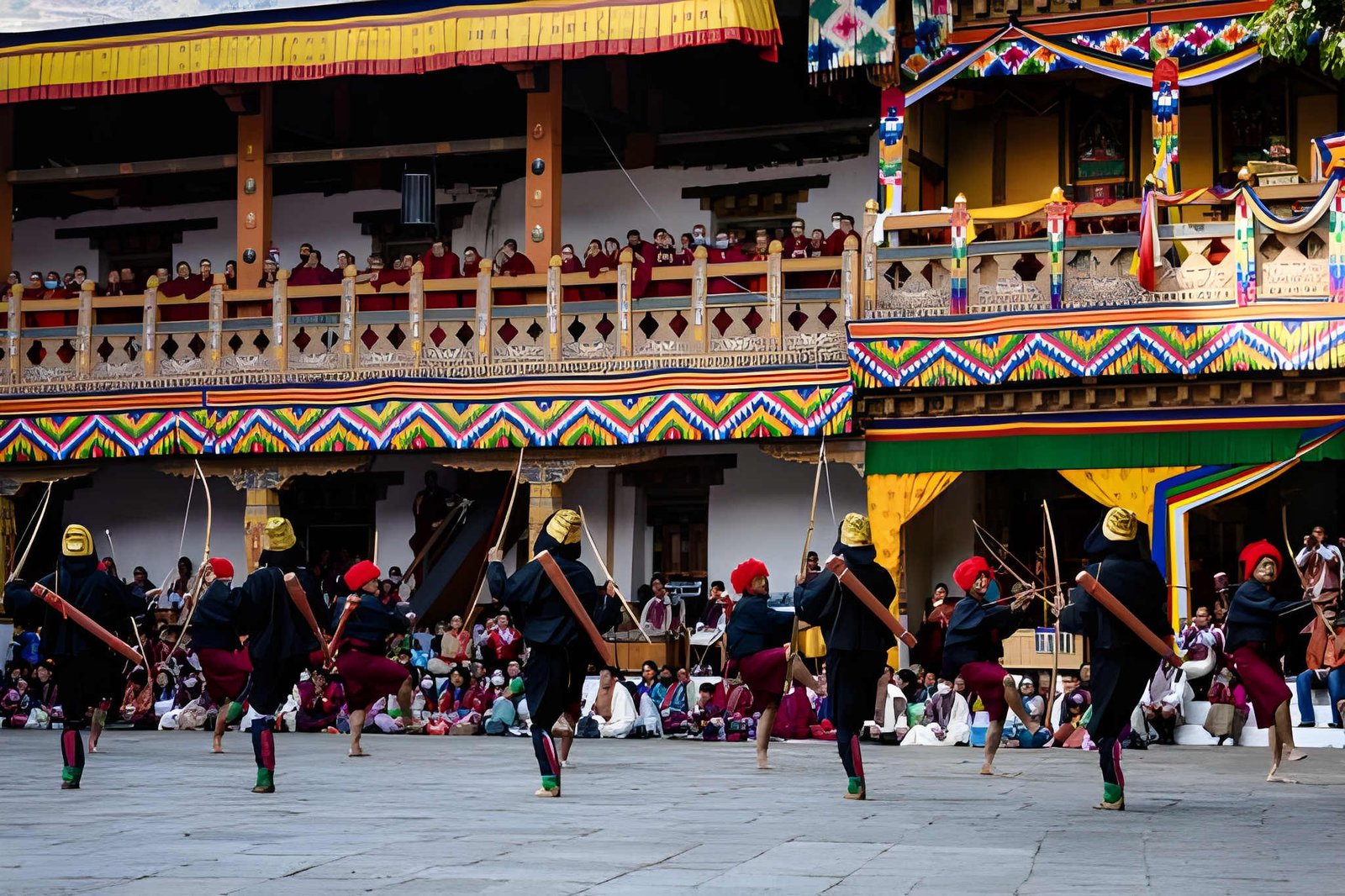
Bhutan Festival Dates 2026–2027
- For 2026, Thimphu Tshechu runs from September 21 to 23
- Punakha Drubchen & Tshechu falls in late February 2026 (roughly the 22nd through the 28th), and Jambay Lhakhang Drup lands around October 26–29, 2026.
- For 2027, Paro Tshechu runs from 18 to 22 Mar and expect Thimphu Tshechu from October 10–12, and Punakha Drubchen from 13th -15th Feb & Tshechu from 16th -18th February.
- Festivals’ dates sometimes can change a bit; it would be worth double-checking directly with your operator or even us at Far Out Nepal.
Major Festivals in Bhutan
Here are the seven festivals that come up most often when travelers ask us where to start, enough to help you picture each one and decide which fits your trip.
Paro Tshechu
Bhutan’s most photographed festival. It’s held in the courtyard of the 17th-century Paro Dzong (Rinpung Dzong) each spring. It’s five days built toward a pre-dawn unveiling of a giant silk thangka depicting Guru Rinpoche, considered so sacred that it’s rolled away again before direct sunlight touches it.
If you’re only attending one festival in your lifetime, this is the one most Bhutanese themselves would point you toward.
Best for: first-time visitors, given how easily it pairs with a short Paro-based itinerary.
Thimphu Tshechu
Bhutan’s largest festival by attendance, held over three days at Tashichho Dzong in the capital. Thousands travel in from every corner of the country to attend, which makes it feel as much like a display of national identity as a religious event.
Best for: photographers, thanks to the sheer scale of costume, color, and crowd energy.
Punakha Drubchen and Tshechu
Combines a meditation retreat with a festival and culminates in a genuinely striking reenactment of a 17th-century military victory that helped unify Bhutan as one nation. The festival is completed with locals dressed in traditional armor performing the warrior dance.
Best for: culture enthusiasts who want real historical weight behind the spectacle.
Jambay Lhakhang Drup
Takes place at one of Bhutan’s oldest temples, tucked in the Bumthang Valley. The festival is best known for its Mewang fire ceremony and a midnight “naked dance” (not open to tourists) believed to bless fertility.
Best for: travelers seeking Bhutan’s more mystical, less touristed side.
Black-Necked Crane Festival
Unlike anything else on this list. This festival consists of a single day in Phobjikha Valley, celebrating the annual arrival of endangered, black-necked cranes, complete with a crane dance performed by local schoolchildren.
Best for: wildlife enthusiasts and conservation-minded travelers who want something genuinely different from a Tshechu.
Royal Highland Festival
Takes place at roughly 4,000 meters above sea level in Laya at one of Bhutan’s highest settlements. The festival was introduced in 2016 to celebrate the culture of Bhutan’s highland communities. Getting there means flying into Paro, driving several hours to Gasa, then trekking for around two days to Laya.
Laya sits in a restricted area, so a licensed operator handles the necessary permit alongside your visa.
Best for: adventurous travelers looking for something far off the beaten track.
Haa Summer Festival
A two-day celebration of nomadic herder life in the Haa Valley, blending traditional sport, craft, and food with far smaller crowds than the western festivals get.
Best for: travelers who seek authenticity rather than a spectacle.
Bhutan Festivals by Interest
We have made a shortcut to advise travelers on how they should approach this part of Bhutan’s culture.
| Traveler Type | Recommended Festival | Why |
| First-time visitor | Paro Tshechu | Easy access, iconic setting, spring scenery |
| Photographer | Thimphu Tshechu | Largest scale, most dramatic crowds and costumes |
| Wildlife enthusiast | Black-Necked Crane Festival | Rare conservation events paired with local culture |
| Spiritual traveler | Punakha Drubchen | Meditation retreats plus historical reenactment |
| Off-the-beaten-path traveler | Haa Summer Festival | Small crowds, authentic community life |
| Culture enthusiast | Jambay Lhakhang Drup | Ancient temple, deep ritual significance |
| Adventure traveler | Royal Highland Festival | High-altitude, remote highland culture |
If you can only build your trip around one festival, let your travel season decide first, then match it against what you’re hoping to feel like spectacle, stillness, wildlife, or something further off the map than most visitors ever get to.
Festival Types in Bhutan
Not every Bhutanese festival serves the same purpose, and knowing the difference helps you set the right expectations before you go. It’s a distinction worth keeping in mind as you plan, since a festival built around wildlife conservation is a genuinely different day out from a five-day religious Tshechu, even though both are referred to as “festivals”.
Religious festivals: Most Tshechus fall here and center on Guru Rinpoche and Vajrayana Buddhist teachings, expressed almost entirely through Cham dances performed by monks.
Cultural festivals: Celebrate regional identity and heritage rather than a specific religious event, with community, costume, and tradition taking center stage instead.
Nature festivals, like the Black-Necked Crane Festival, are relatively recent additions to the calendar, built around conservation and seasonal wildlife events rather than centuries-old religious observance.
Highland festivals, such as the Royal Highland Festival, showcase Bhutan’s nomadic and semi-nomadic communities living at extreme altitude. These festivals show a distinct world from the valley-based Tshechu tradition most travelers picture.
Knowing which category a festival falls into is a quick way to set your own expectations before you arrive. Imagine if you walk into a nature festival expecting the density of a Tshechu, and you might be surprised by how different the pace and crowd feel.
Planning Around Festivals
Festivals reward planning far more than most of Bhutan’s other attractions. Everything from hotel rooms to guide availability tightens up the closer you get to a major Tshechu, and we’ve seen travelers get caught out by leaving it too late.
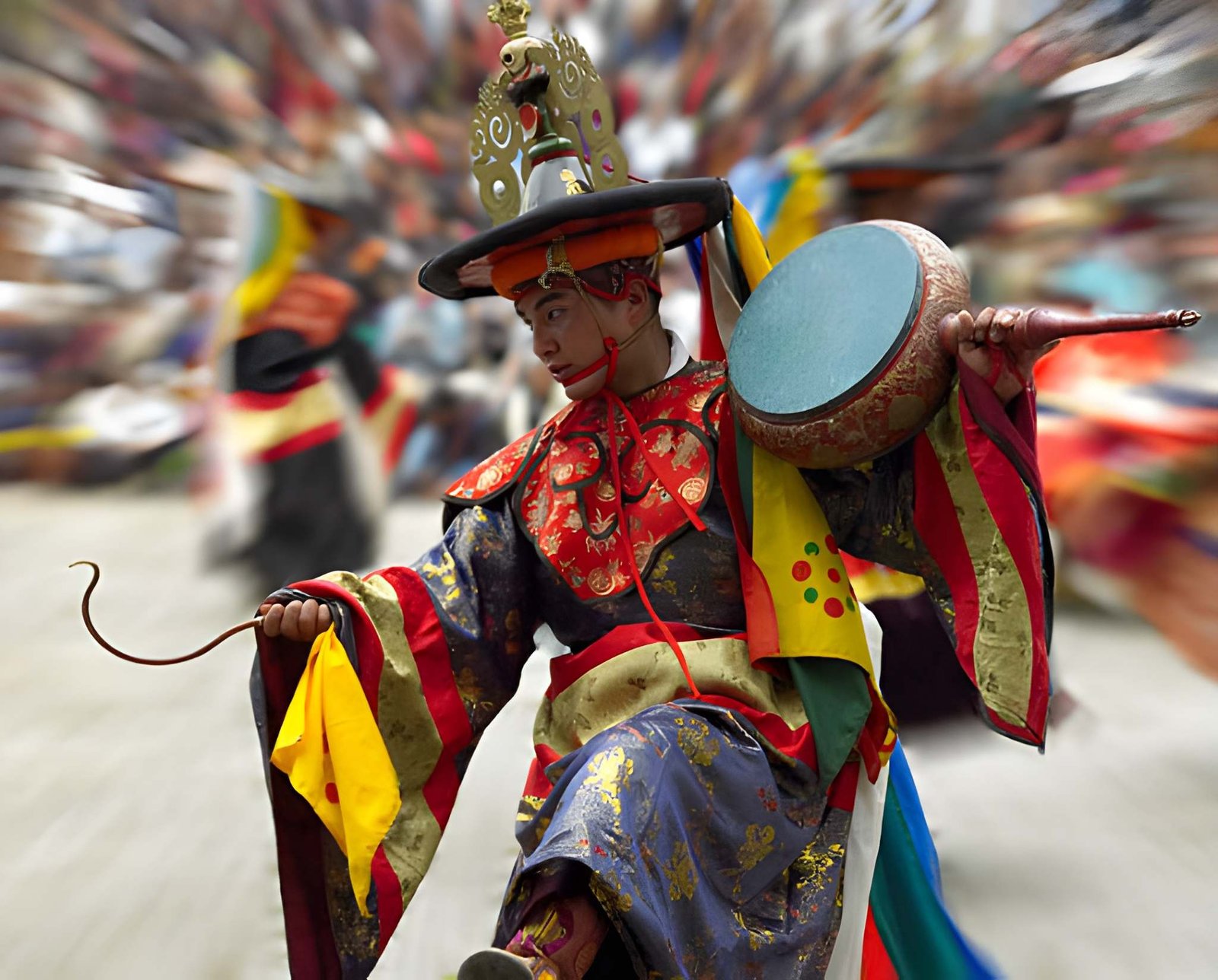
Book early, especially for the big two.
For Paro and Thimphu Tshechu specifically, we recommend locking in flights, guides, and hotels at least six months ahead. Bhutan’s tourism model requires travel through a licensed operator, and experienced guides genuinely do get booked up during festival weeks.
Expect crowds at Paro and Thimphu.
These two draw the largest numbers, partly because both sit close to Paro International Airport, letting travelers attend on a shorter trip than festivals further east. If you’d rather trade crowd size for intimacy, the smaller regional festivals in Bumthang, Haa, or Laya offer the same spiritual weight with a fraction of the visitors.
Build in flex time for the further-flung festivals.
Festivals in eastern Bhutan can require ten days or more just to reach comfortably, while western festivals like Paro are workable in four. If a festival is the centerpiece of your trip, we often suggest adding four to five extra days to combine it with nearby sights like Tiger’s Nest Monastery or Punakha Dzong, rather than treating the festival as a standalone visit.
Accommodation gets tight fast.
Hotels in Paro and Thimphu fill up well ahead of their respective Tshechus, and while Bhutan’s growing hotel capacity means last-minute travel is more workable than it used to be, your choice of hotel narrows considerably the closer you book to the date. If you have a specific hotel or lodge in mind, it’s worth locking that in early rather than leaving it until closer to travel.
Some remote festivals require a permit, not just a booking.
The Royal Highland Festival is the clearest example. Laya sits in a restricted area of Gasa district, so foreign travelers can only visit as part of a licensed operator’s arrangements, who handle the trekking permit alongside your standard visa.
If a festival on your shortlist sits outside the well-trodden Paro–Thimphu–Punakha circuit, it’s worth asking directly whether a permit applies before building your dates around it.
Pack for the season, not just the festival.
Spring festivals mean cool mornings that warm up fast, so layers work better than heavy jackets. Autumn festivals can turn chilly once the sun dips behind the valley walls, so keep something warm on hand even during an otherwise mild day. If your festival sits at altitude, like the Royal Highland Festival in Laya, treat it the same way you’d treat a proper trek and make sure to properly acclimatize.
Festival Etiquette
This is the part most guides skim past, and it’s exactly where we’ve seen genuinely well-meaning travelers accidentally cause a moment of discomfort, not out of disrespect, of course, but not knowing the unwritten rules.
- Dress modestly: You don’t need to wear a gho or kira yourself, though some travelers do, and locals generally appreciate the gesture. What matters more is avoiding anything overly casual, sleeveless, or revealing. Think of it the way you’d dress for a significant religious ceremony back home, because that’s exactly what this is to the people around you.
- Photography has real limits: Public Cham dances are usually fine to photograph, and festival organizers expect it. But certain sacred moments, like the pre-dawn unveiling of a thongdrel at some festivals, or specific rituals inside a temple, are off-limits, sometimes for tourists entirely, sometimes just for cameras. When in doubt, watch what your guide does before raising your camera, or you know, just ask.
- Never enter a temple interior with shoes on, or without checking first: Many temple interiors are closed to photography altogether, and some restrict entry to certain areas for non-Buddhists. Your guide will know exactly where the line sits at each specific site. So, lean on them rather than guessing.
- Keep noise and movement to a minimum during prayer moments: Festivals have a carnival energy overall, and that’s genuinely part of the experience, but there are quieter moments of prayer or ritual where locals expect stillness. Take your cues from the people around you rather than the loudest part of the crowd.
- If invited to participate, a small offering of ngultrum is customary: You’ll sometimes see locals make small offerings during specific rituals. If a guide or local invites you to do the same, it’s a genuine gesture of respect to join in, not an expectation to spend more than a token amount.
- Let monks lead any interaction: If a monk or ritual performer approaches you or makes a dance move near where you’re standing, follow their lead rather than stepping forward or interacting first. This is their ceremony before it’s your spectacle.
- Children and families are welcome, and the etiquette is the same: Bhutanese families bring children of all ages to festivals, so there’s no special restriction here. But the same expectations around noise, dress, and photography that apply to adult visitors also apply to them.
None of this is complicated, and it isn’t meant to make you anxious about getting something wrong. Most of it comes down to simple observation. So, watch the family beside you, and you’ll usually know exactly what to do.
So, When Do I Visit Bhutan for the Festivals?
Spring and autumn aren’t just the best festival seasons, but the best overall seasons to visit Bhutan with clear skies, comfortable temperatures, and, in spring’s case, rhododendrons blooming across the trekking routes at the same time.
If festivals aren’t your focus, our full “Best Time to Visit Bhutan guide” breaks down weather, trekking conditions, and crowd levels month by month in more depth than we can cover here. It’s worth reading if you’re still deciding when to go before you’ve picked a festival at all.