
Destination: Tibet
Tibet: The Land of Spirituality and Majestic Peaks
Tibet, the mystical land of Buddhism, sits high on the world’s tallest plateau at an average altitude of 4,000 meters above sea level. Known as the “Roof of the World,” Tibet is a land where spirituality and natural beauty merge seamlessly. The vast landscape is adorned with ancient monasteries, sacred palaces, and awe-inspiring mountain shrines, making it a dream destination for seekers of adventure and enlightenment alike.
A Land of Spiritual Significance
Tibet is home to some of the most revered Buddhist sites in the world. The region is dotted with exquisite monasteries such as the Potala Palace in Lhasa, Jokhang Temple, and Tashilhunpo Monastery, each holding centuries of spiritual and cultural heritage. The air is thick with the sound of prayer wheels spinning and monks chanting, creating an atmosphere of deep serenity.
For Hindus, Buddhists, Jains, and Bon followers, Tibet is also home to the sacred Mount Kailash, a pilgrimage site that has drawn devotees for thousands of years. Further west, the ancient Kingdom of Guge reveals the ruins of a once-flourishing civilization, where temples and murals, over 10,000 years old, still preserve the rich history and artistry of Tibetan culture.
Breathtaking Natural Wonders
Tibet’s dramatic landscapes are a paradise for nature lovers and adventure seekers. Eleven of the world’s highest peaks, including the mighty Mount Everest, lie within or near Tibet’s borders. Majestic turquoise lakes such as Yamdrok Lake and Namtso Lake not only captivate visitors with their stunning beauty but also hold deep spiritual significance for the Tibetan people. These lakes, reflecting the vast sky above, create an ethereal experience for those who visit.
The rugged terrain, dotted with high-altitude passes and winding roads, offers travelers a challenging yet rewarding journey. The journey across Tibet is both physically demanding and emotionally uplifting, with endless views of snow-capped mountains, vast plains, and nomadic herders tending their yaks in the distance.
An Unforgettable Travel Experience
Tibet’s remote and untouched beauty offers a transformative travel experience unlike any other. While the high altitudes and rough terrains pose challenges, the breathtaking scenery and spiritual encounters make every hardship worthwhile. Travelers can immerse themselves in the daily lives of Tibetan monks, witness traditional festivals, and explore ancient meditation caves where spiritual masters once sought enlightenment.
Despite its isolation for centuries, Tibet has retained its authenticity while embracing the modern world. Here, you will find a unique blend of tradition and contemporary life—pilgrims circumambulating sacred sites while monks check their mobile phones, and prayer flags fluttering alongside bustling markets filled with Tibetan handicrafts.
Travel to Tibet with Far Out Nepal
At Far Out Nepal, we specialize in organizing immersive tours and treks to Tibet, drawing from years of experience and deep local knowledge. Whether you seek a spiritual journey to Mount Kailash, a trek through Tibet’s rugged landscapes, or an exploration of its ancient monasteries, we can tailor a travel package that suits your needs and budget.
Experience the magic of Tibet with us—where adventure meets spirituality, and every journey is a step closer to discovering something truly extraordinary. Contact us today to plan your unforgettable Tibetan adventure!
Nepal Bhutan Tibet Tour
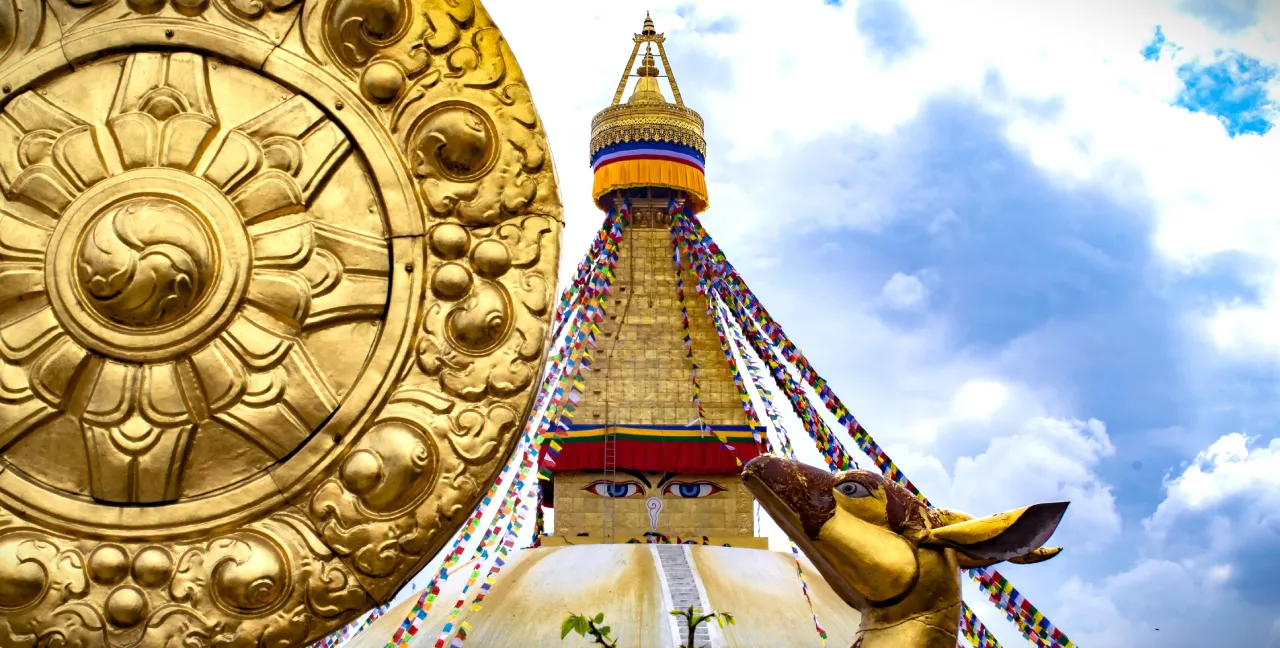
Nepal Bhutan Tibet Tour | Journey Across the Sacred Himalayas
Experience the cultural and spiritual heart of the Himalayas through Nepal, Bhutan, and Tibet on one seamless Himalayan journey through ancient cities, sacred monasteries, dramatic mountain landscapes, and living Buddhist traditions.
Few journeys in the world combine the cultural diversity, spiritual depth, and dramatic landscapes of the Himalayas as seamlessly as our Nepal Tibet Bhutan tour. This tour is designed for travelers seeking more than a standard holiday. It is a carefully paced Himalayan cultural journey connecting three distinct regions shaped by centuries of Buddhism, pilgrimage routes, mountain civilizations, and spiritual heritage.
From the living heritage of Kathmandu to the monastery valleys of Paro and the spiritual atmosphere of Lhasa, this multi-country Himalayan experience combines cultural exploration, breathtaking scenery, spiritual discovery, and meaningful travel experiences into one unforgettable expedition.
Although these destinations share ancient Buddhist traditions and Himalayan geography, each offers a completely different atmosphere and travel experience. Together, these destinations create far more than a multi-country itinerary. They form a connected Himalayan cultural journey shaped by religion, geography, trade routes, monasteries, and centuries of mountain heritage.
Quick Expedition Snapshot
| Category | Details |
| Total Duration | 16 Days |
| Tour Style | Cultural, Spiritual & Himalayan Expedition |
| Highest Elevation | Approx. 4,750 meters |
| Activity Level | Easy to Moderate |
| Accommodation | Standard to Luxury Options Available |
| Transportation | Scenic Himalayan Flights & Private Ground Transport |
| Best Seasons | Spring & Autumn |
| Ideal For | Cultural Travelers, Spiritual Seekers & Himalayan Explorers |
| Permit Requirement | Tibet Travel Permit & Group Visa Required |
Why Combine Nepal, Bhutan & Tibet in One Journey?
A Nepal Bhutan Tibet tour offers a rare opportunity to experience three distinct Himalayan cultures within a single carefully planned expedition.
Nepal: The Cultural Gateway to the Himalayas
Nepal introduces travelers to the spiritual and cultural foundations of the Himalayan world. UNESCO enlisted ancient temples, Buddhist stupas, medieval cities, and vibrant local life make Nepal one of the richest cultural destinations in South Asia. Lonely Planet has listed Nepal as one of the top 10 travel destinations, making it a must-visit. While waiting for your visa for Tibet, travelers can explore:
- UNESCO World Heritage Sites in Kathmandu Valley
- Buddhist pilgrimage sites and monasteries
- Traditional markets and local culture
- Himalayan scenery and mountain flights
- Hindu-Buddhist cultural coexistence
Bhutan: The Last Himalayan Buddhist Kingdom
Bhutan offers a slower and more immersive cultural experience centered around Buddhist philosophy, monastery life, and environmental preservation. Unlike many destinations in Asia, Bhutan carefully manages tourism to preserve its traditions, landscapes, and cultural identity.
Highlights include:
- Traditional dzongs and monasteries
- Peaceful Scenic Himalayan valleys
- Bhutanese Buddhist traditions
- Hiking to Tiger’s Nest Monastery
- Carbon-neutral nation
- Gross National Happiness philosophy
Tibet: The Spiritual Heart of the Tibetan Plateau
Tibet adds a completely different dimension to the journey with its dramatic landscapes, ancient monasteries, and deeply rooted Tibetan Buddhist heritage. Traveling through Tibet provides insight into one of the world’s most unique high-altitude civilizations.
Highlights include:
- Potala Palace and Jokhang Temple
- Barkhor Street, a lively market and pilgrim circuit
- Monk Debates at a famous Gelugpa monastery
- Yamdrok Tso (Turquoise Lake), a sacred lake with a backdrop of snow-capped mountains
- Himalayan plateau landscapes
- Tashilhunpo Monastery at Xigatse, a spiritual and architectural wonder
- Tibetan culture and architecture
- High-altitude Himalayan scenery
Plan Your Nepal Bhutan Tibet Tour With Far Out Nepal
Our Nepal Tibet Bhutan tour offers one of the most rewarding cultural journeys in the Himalayas, combining ancient Buddhist traditions, sacred monasteries, dramatic mountain landscapes, and deeply rooted Himalayan heritage into one unforgettable experience.
Whether you are drawn by spiritual exploration, Buddhist heritage, cultural discovery, photography, history, or immersive travel experiences beyond traditional sightseeing, this journey through Nepal, Bhutan, and Tibet offers a rare opportunity to experience three distinct Himalayan worlds in a single carefully crafted expedition.
Tibet 08 Days Overland Tour
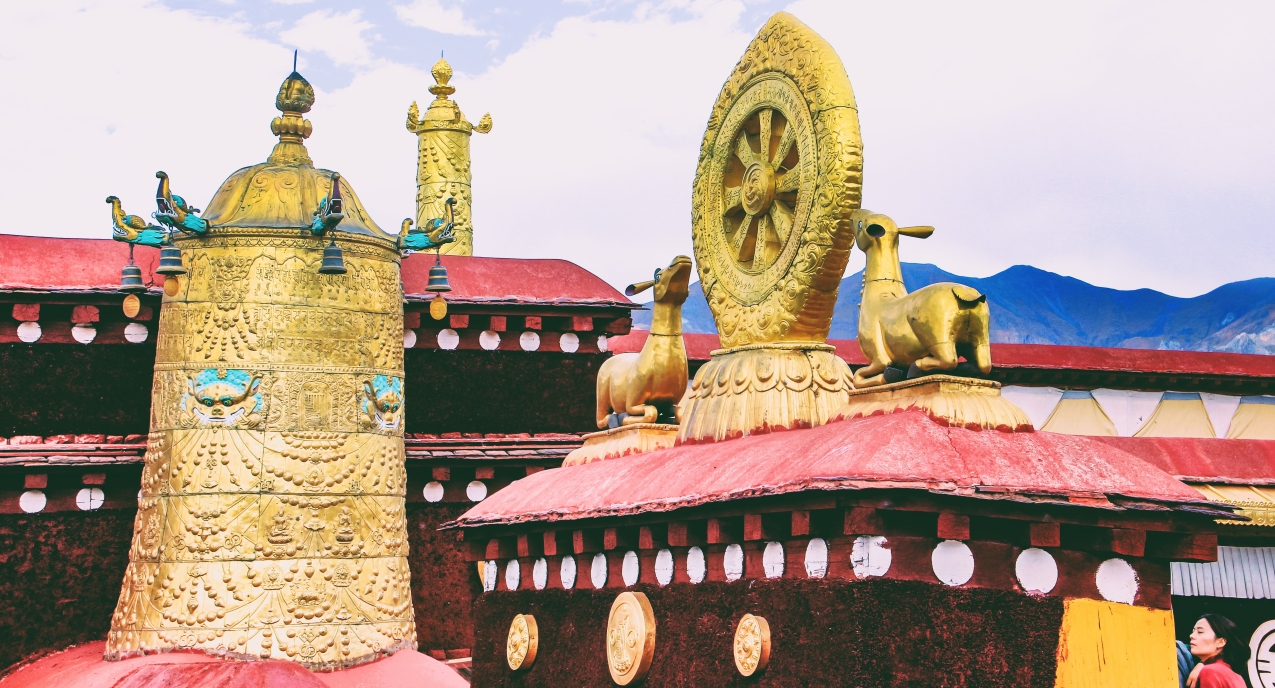
Tibet: The Land of Unparalleled Spirituality & Beauty
Tibet, famously called the “Roof of the World,” is a land of deep spirituality, rich culture, and awe-inspiring landscapes. Boasting a legacy that spans over 4,000 years, Tibet is the birthplace of the Tibetan language (Zang), the ancient Bon religion, and Tibetan Buddhism. Here, time-honored rituals, including the sky burials, pilgrimage prostrations, and kora (orbiting of sacred sites), remain an integral part of daily life. These rituals offer travellers a glimpse into the living spiritual traditions of the region.
Beyond its spiritual & religious charm, Tibet is also a natural wonderland. Large high-altitude plateaus, valleys with mystique, crystal-clear alpine lakes, and towering snow-capped peaks create a never-ending Himalayan canvas. Whether you are a cultural explorer, spiritual seeker, or adventure traveler, Tibet offers truly once-in-a-lifetime experiences.
Overview of the 08 Days Overland Tibet Tour
Our Tibet 08 Days Overland Tour takes you from the sacred city of Lhasa to the Nepal border via the Friendship Highway, blending culture, adventure, and nature in one smooth adventure. Along the way, you’ll explore:
- Ancient Monasteries & Temples: Discover centuries-old centers of learning and devotion.
- Rural Tibetan Villages: Interact with locals to experience authentic Tibetan life.
- Sacred Lakes & Stunning Landscapes: Marvel at turquoise waters and panoramic mountain views.
- High Himalayan Plateaus & Scenic Roads: Drive across some of the world’s highest passes with unmatched vistas.
Our Tibet overland expedition is designed for the refined travellers who seek both cultural depth and high-altitude Himalayan drama, without compromising their comfort. The itinerary makes sure to offer the perfect fusion of spirituality, culture, nature, and adventure of Tibet in just 8 days.
We have intricately paced this tour over a span of eight days. You initiate your journey from Nepal into the heart of Tibet, crossing legendary mountain lakes and passes, exploring sacred monasteries, and witnessing Everest from the Tibetan plateau.
Tour Snapshot
- Duration: 8 Days / 7 Nights
- Route: Kathmandu → Lhasa → Gyantse → Xigatse → Xegar → Nyelam → Kathmandu
- Maximum Elevation: 5,200 m (Gyatso La Pass)
- Highest Overnight: 4,200 m (Xegar)
- Best Seasons: April–June & September–October
- Travel Style: Cultural Exploration and Overland Expedition
Tibet 08 Days Overland Tour: Routes at a Glance
Experience Tibet’s spiritual heart, majestic landscapes, and Himalayan adventure in just 8 days. This itinerary balances cultural exploration, scenic drives, and gradual acclimatization, ensuring a safe and unforgettable journey.
| Day | Route | Highlights | Altitude / Notes |
| Day 1 | Kathmandu → Lhasa (Flight) | Scenic trans-Himalayan flight with panoramic views of Everest and surrounding Himalayan peaks; arrive in Lhasa and settle in | 3,656 m; light acclimatization; optional stroll in Lhasa streets |
| Day 2 | Lhasa Sightseeing | Drepung Monastery (once the world’s largest monastery), Sera Monastery, and Bharkhor Market | 3,656 m; cultural immersion; moderate walking; watching the monks’ philosophical debate at Sera |
| Day 3 | Lhasa Sightseeing | Explore Potala Palace, Jokhang Temple, and nearby markets | 3,656 m; spiritual and historical focus |
| Day 4 | Lhasa → Gyantse | Drive across the Tibetan plateau, visit Yamdrok Lake, Kumbum Stupa, and Phalkor Chorten | 3,950 m; scenic photography opportunities; moderate driving |
| Day 5 | Gyantse → Xigatse | Visit Tashilhunpo Monastery (seat of Panchen Lama), explore traditional Tibetan villages | 3,850 m; cultural exploration and local interaction |
| Day 6 | Xigatse → Xegar | Drive along high-altitude roads with spectacular views of Mount Everest and surrounding Himalayan peaks | 4,500 m; high-altitude scenic route; photography stops |
| Day 7 | Xegar → Nyalam | Pass through remote valleys and Tibetan villages, visit small monasteries, and enjoy panoramic Himalayan vistas | 3,900 m; light trekking and cultural immersion |
| Day 8 | Nyalam → Kathmandu (Drive & Border Crossing) | Descend along Friendship Highway, cross stunning landscapes, waterfalls, and rock formations, and arrive in Kathmandu | Gradual descent; conclude the tour with unforgettable Himalayan memories |
Optional Reverse Itinerary: Nepal Border to Lhasa
For experienced high-altitude travelers, the Tibet 08 Days Overland Tour can also begin at the Nepal–Tibet border (Gyirong Port) and conclude in Lhasa (with a scenic flight back to Kathmandu). This reverse route is ideal for explorers seeking a more road trip expedition through the Himalayas.
You will travel from Gyirong to Lhasa and cross remote Tibetan valleys, historic towns like Shigatse and Gyantse, and high mountain passes above 5,000 m, before arriving in the cultural heart of Tibet. This Lhasa ending allows travelers more time to enjoy luxury hotels, explore Potala Palace and Jokhang Temple, and relax before returning to Nepal.
Who Should Consider This Reverse Route
This route is ONLY RECOMMENDED for:
- Travelers already acclimatized to high altitudes (e.g., after trekking in Nepal)
- Adventure-focused travelers who are comfortable with remote roads and rugged terrain
- Guests seeking a private overland departure for personalized pacing and comfort
First-time Tibet visitors should follow the standard Lhasa-first itinerary to minimize altitude risks.
For detailed advice on high-altitude travel:
→ Acclimatization & Safety Guide for the Himalayas
Why the Reverse Itinerary is Challenging but Rewarding
Because of altitude pacing and road variability near the border region, the reverse route is different from our usual route. It is also recommended to be experienced as a private departure.
This itinerary allows:
- Flexible driving pace
- Personalized acclimatization monitoring
- Scenic land entry into Tibet
- Progressive cultural buildup toward Lhasa
- A strong finale in Tibet’s most iconic city
- Suitable for travelers already adjusted to elevation
This creates a refined expedition atmosphere, as it combines Himalayan ruggedness with tailored support.
If you are considering this variation, consult with our experts to determine whether your acclimatization level and travel background make this route suitable.
Tibet 08 Days Overland Tour: Challenges & Considerations
While the Tibet 08 Days Overland Tour offers a once-in-a-lifetime experience, travelers should be aware of some unique challenges to ensure a safe and enjoyable journey:
1. High-Altitude Risks: Starting at 3,656 m in Lhasa and ascending over 5,000 m at mountain passes, altitude sickness is very frequent. Our itinerary includes gradual acclimatization, but proper preparation and hydration are essential.
2. Health & Fitness Considerations: Tibet tours are not recommended for travelers with serious heart or respiratory conditions. Consult your doctor before travel and carry a personal medical kit. Light activity and acclimatization breaks are heavily suggested.
3. Limited Medical Facilities: Major hospitals with modern facilities are available only in Lhasa and Xigatse. Outside these cities, medical services are basic. Bring essential medications and know how to use them.
4. Travel Regulations & Permits: Tibet’s travel rules and regulations change frequently. Always check for updated information on permits and visas before your trip.
5. Flight Availability & Options: Direct flights from Kathmandu to Lhasa are limited and can fill up during peak season. Alternatively, flights via Chengdu are available with a stopover. You should also book early.
6. Language & Guides: Most guides speak English, with limited availability for other languages such as Spanish, German, or French. Book early to secure a guide in your preferred language.
7. Developing Tourism Infrastructure: Tibet’s tourism infrastructure (hotels, roads, and guided services) is still evolving, especially in towns beyond Lhasa. Expect basic facilities in such areas.
Remember: Early preparation, proper acclimatization, and up-to-date travel information are the keys to a safe, rewarding journey.
Central Tibet Tour
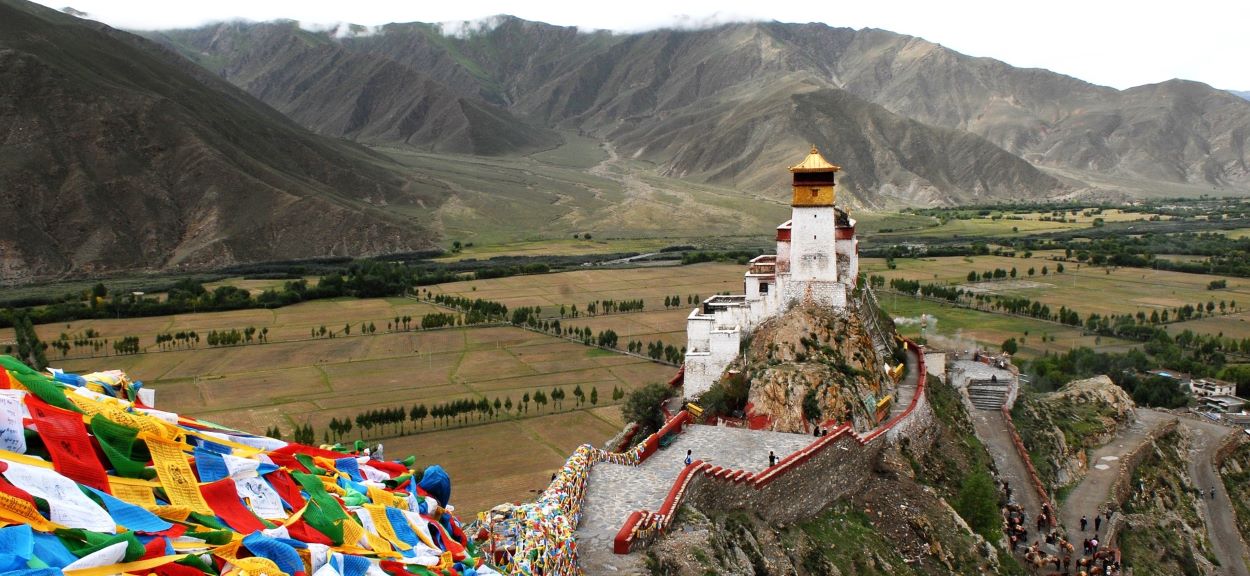
Central Tibet Tour: Exploring the Heart and Soul of Tibet
Tibet, often referred to as the “Roof of the World,” boasts a rich cultural legacy spanning over 4,000 years. It is the birthplace of the Zang language, the ancient Bon religion, and Tibetan Buddhism. This high-altitude land is revered for its deeply spiritual traditions, where time-honored rituals such as sky burials, pilgrimage prostrations, and kora (circumambulation of sacred sites) remain an active part of everyday life.
With a unique blend of ancient Bon and Buddhist practices, Tibet is home to sacred monasteries, temples, and holy lakes—each echoing stories of faith, devotion, and enlightenment. Alongside its spiritual charm, Tibet offers an awe-inspiring natural canvas: from vast plateaus and mystical valleys to crystal-clear alpine lakes and towering snow-capped peaks.
Overview: Central Tibet Tour
The Central Tibet Tour is a curated 8-day itinerary focused on exploring the cultural and spiritual nucleus of Tibet. This central region, often regarded as the cradle of Tibetan civilization, is home to the most revered monasteries, vibrant towns, breathtaking landscapes, and legendary lakes.
Here, you’ll witness fluttering prayer flags atop high mountain passes, emerald, blue lakes that shimmer with divine energy, and humble villages where Tibetan hospitality meets centuries-old traditions. From ancient temples to panoramic Himalayan vistas, this journey offers a once-in-a-lifetime experience into Tibet’s sacred soul.
Whether you start your journey from Kathmandu or the Chinese mainland, we ensure all travel logistics—from Tibet Travel Permits to comfortable accommodation and expert local guides—are handled smoothly.
Tip: Central Tibet tour starting from Kathmandu offers a unique advantage. While waiting for your China visa and Tibet travel permit (which takes approximately 4 working days), you can explore Nepal’s spiritual sites, ancient palaces, and UNESCO heritage temples.
Highlights: Central Tibet Tour
Yarlung Valley – Birthplace of Tibetan Civilization
The Yarlung valley nestled in the fertile basin of southern Tibet is the birthplace of Tibetan civilization. Exploring Yarlung offers insight of Tibet’s earliest roots. It’s a region with history, myth, spirituality and breath-taking landscapes. Central Tibet tour will start by unfolding the birthplace of Tibetan civilization.
Key Attractions:
- Yumbulakhang Palace: The first Tibetan palace built by King Nyatri Tsenpo, said to have been constructed on the spot where the earliest Buddhist scriptures descended from the sky.
- Tradruk Monastery: Among Tibet’s oldest monasteries, dating back to the 7th century under King Songtsen Gampo. Famous for its pearl Thangka depicting Avalokiteshvara (Chenrezig), this sacred relic is a symbol of compassion. It is also among the twelve geomantic temples, Tradruk is the oldest significant one after the Jokhang.
- Chongye Valley & Burial Mounds: Final resting place of ancient Tibetan kings, this site preserves evidence of pre-Buddhist Bon culture, including unique burial traditions and sacrificial rites once performed by Bon priests.
- Samye Monastery:Built in the 8th century, Samye was the first Buddhist monastery in Tibet, designed as a mandala representing the universe. Influenced by the Indian University of Odantapuri, it blends Indian, Tibetan, and Chinese architectural elements and is a cornerstone of Tibetan Buddhist education and practice.
Lhasa – The Spiritual & Cultural Heart of Tibet
Lhasa the holy city of Tibet at an altitude of 3,656m has a history of over 13 centuries, it is regarded as the highest city in the world. It is the political, economic and spiritual center of Tibet. Central Tibet tour will take you to explore this beautiful city.
- Explore the world-famous Potala Palace, a UNESCO World Heritage Site and former residence of the Dalai Lama.
- Stroll through the bustling Barkhor Street, a lively marketplace where locals perform the sacred kora.
- Visit the revered Jokhang Temple, Tibet’s most sacred Buddhist site.
- Witness the famous monk debates at Sera Monastery and experience the monastic life at Drepung Monastery.
- Admire the breathtaking views of Karo La Glacier and the turquoise waters of Yamdrok Lake with snowy peaks at the backdrop.
- Enjoy an authentic Tibetan lunch with a local family.
Gyantse – Tibet’s Third Largest City and an Ancient Trading Center
Gyantse was once the third largest city of Tibet. It’s a historical, cultural city and ancient trade city of Tibet. It is located in the Nyang Chu valley, 260 km to the southwest of Lhasa and 90 km to the southeast of Shigatse.
- Ancient trade center
- Heroic City who baffled the British Troops
- Renowned monasteries Phalkor Chode, known for its architectural grandeur
- Ancient forts
- Famous for horse racing festivals.
- Beautiful villages enroute
Xigatse – Tibet’s Second-Largest City
Second largest city in Tibet and the capital of the Tsang province, Shigatse stands as a gateway to ancient traditions and modern connectivity. It is the traditional seat of Panchen Lama, one of the spiritual leaders in Tibet.
- Visit the Tashilhunpo Monastery, the seat of the Panchen Lama, Tibet’s second-highest spiritual figure.
- Discover local markets filled with Tibetan handicrafts, traditional art, and souvenirs.
Important Considerations: Central Tibet Tour
- While the Central Tibet Tour is an unforgettable journey, travelers must be prepared for the high-altitude environment. Much of the region lies above 3,100 meters, with some passes reaching up to 5,045 meters.
- Altitude sickness can affect even healthy individuals and typically occurs above 2,500 meters. Symptoms include headaches, nausea, and dizziness. Travelers with heart or lung conditions, or other long-term health concerns, should consult a physician before booking.
- Visa Note: Group travel is required to obtain the Tibet travel permit. A minimum of 4 participants is necessary for processing the group visa.
Conclusion: Central Tibet Tour Journey
Your 8-day journey through Central Tibet Tour has been a profound spiritual and cultural experience, marked by:
- Historic Monasteries: From Samye to Tashilhunpo, each monastery revealed layers of Tibetan Buddhist history, architecture, and monastic life.
- Iconic Landmarks: The Potala Palace and Jokhang Temple stand as timeless symbols of Tibetan identity and devotion.
- Natural Wonders: Scenic high passes, holy lakes like Yamdrok-tso, and glacier views added awe to the road journeys.
- Cultural Immersion: Wandering through old market streets of Gyantse and Lhasa offered authentic glimpses into Tibetan life.
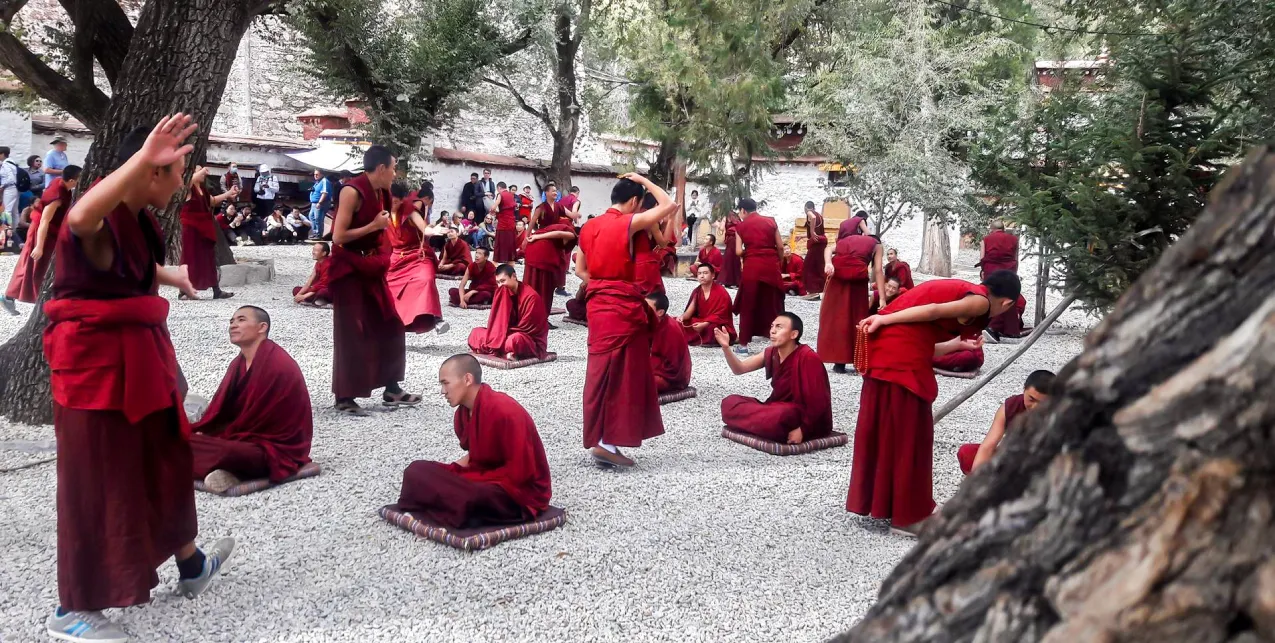
- Philosophical Depth: The monastic debates at Sera Monastery provided a fascinating window into the intellectual traditions of Tibetan Buddhism.
Central Tibet tour not only connects you with sacred spaces and legendary sites but also left you with a deeper appreciation of Tibet’s resilient culture, timeless spirituality, and stunning natural beauty.
Let these memories stay with you long after you leave the “Roof of the World.”
Mt Kailash Spiritual Tour
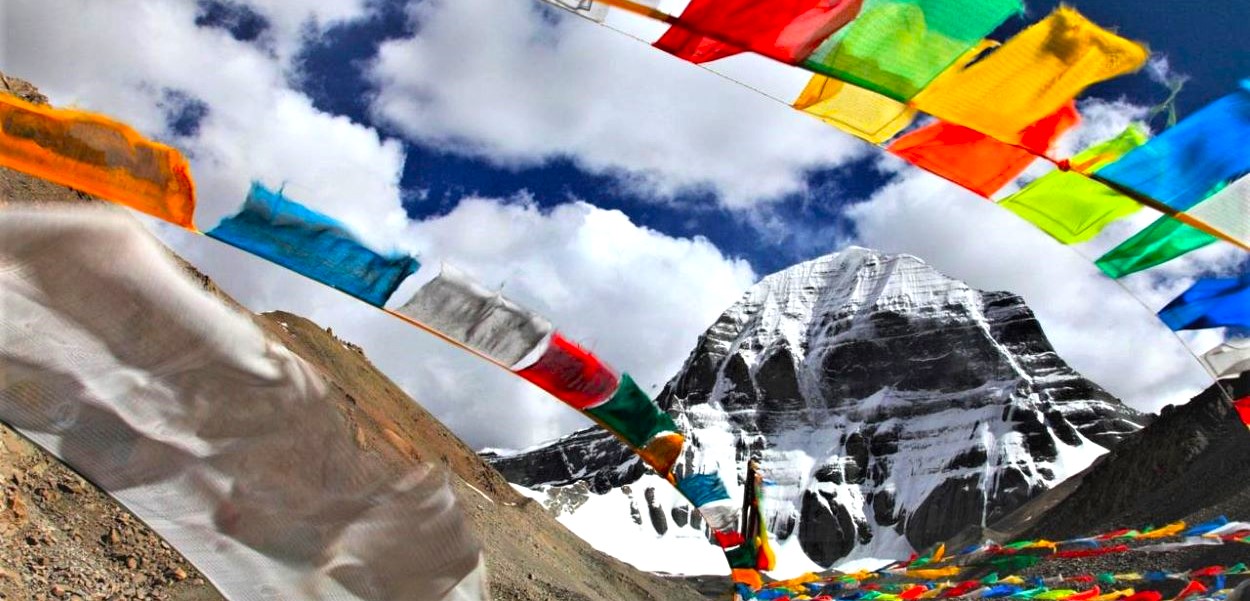
A Journey Through Tibet towards Mount Kailash
The Lhasa to Mt Kailash Spiritual Tour is more than a visit to Tibet’s most famous landmarks. It’s also a journey through the cultural, spiritual, and natural heart of the Tibetan Plateau.
Beginning in Kathmandu and continuing into Tibet’s historic capital of Lhasa, this expedition gradually unfolds across ancient cities, sacred monasteries, dramatic Himalayan landscapes, and remote high-altitude wilderness before reaching the revered Mount Kailash and Lake Manasarovar.
The journey is carefully designed to balance cultural discovery with altitude acclimatization. In Lhasa, you’ll explore centuries of Tibetan history and spirituality while giving your body time to adapt to the plateau’s elevation. From there, the route follows the historic overland trail to Gyantse, Xigatze, and Xegar, passing en route turquoise lakes, traditional farming villages, high mountain passes with prayer flags fluttering, and a view of some of Tibet’s most spectacular scenery
As the journey continues westward, the landscape becomes increasingly remote and dramatic. You’ll visit Rongbuk Monastery, the highest monastery in the world, and enjoy unforgettable views of Mount Everest from the Tibetan side. Beyond Everest lies the vast Ngari region, a land of open horizons, sacred lakes, nomadic settlements, and one of the most spiritually significant sites in Asia, Mt. Kailash.
Quick Facts
| Category | Details |
| Duration | 20 Days |
| Highest Point | Dolma La Pass (5,630m) |
| Trek Duration | Approx. 3 Days (Mount Kailash Kora) |
| Accommodation | Hotels, Guesthouses & Basic Lodges |
| Meals | Included as per the itinerary |
| Group Type | Fixed Departure & Private Groups Available |
Mount Kailash: The Sacred Center of Tibet
Rising to 6,714 meters above sea level, Mount Kailash stands apart from every other mountain in the Himalayas. Revered by Hindus, Buddhists, Jains, and followers of the Bon tradition, it has been a destination for pilgrims for thousands of years.
For Hindus, Mount Kailash is believed to be the abode of Lord Shiva. Tibetan Buddhists know it as Kang Rinpoche, the “Precious Jewel of Snow,” while Jains associate it with the spiritual liberation of Rishabhanatha, the first Tirthankara. Followers of the ancient Bon religion regard the mountain as the spiritual center of their faith and the soul of Tibet itself.
Unlike many famous peaks, Mount Kailash is not climbed. Instead, pilgrims undertake the sacred kora, which is a 53-kilometer circuit around the mountain. Completing the kora is considered one of the world’s most significant pilgrimage experiences and remains a deeply meaningful spiritual journey for people from diverse faiths and backgrounds.
At the foot of the mountain lies Lake Manasarovar, one of the highest freshwater lakes in the world. Surrounded by snow-capped peaks and vast open landscapes, the lake is regarded as a place of purification, reflection, and spiritual renewal.
A Rewarding High-Altitude Adventure From Tibet to Kailash
This journey takes place entirely within the Tibetan Plateau, where elevations remain above 3,600 meters for much of the route. The highest point of the expedition is reached during the Kailash Kora, where travelers cross the Dolma La Pass at approximately 5,630 meters.
While the itinerary has been carefully planned to support gradual acclimatization, travelers should be prepared for the physical demands of high-altitude travel. Long driving days, remote terrain, and the challenging conditions of the kora require a reasonable level of fitness and a spirit of adventure.
The reward is an experience unlike any other, as you’ll be crossing one of the world’s most extraordinary landscapes, encountering centuries-old spiritual traditions, and reaching destinations that few travelers ever have the opportunity to experience.
Why Travel to Mt. Kailash with Far Out Nepal?
A journey to Mount Kailash deserves more than transportation between destinations. It deserves thoughtful pacing, meaningful experiences, and reliable support throughout the journey.
At Far Out Nepal, we design this itinerary to go beyond simply reaching Kailash. By combining time in Kathmandu, cultural & spiritual immersion in Lhasa, views of Mount Everest, and the complete Mount Kailash Kora, the route creates a more rewarding and balanced experience across Tibet.
From documentation support and travel coordination to experienced local operations and carefully planned progression through high-altitude regions, our focus is to make this extraordinary journey feel smoother, more comfortable, and more meaningful from beginning to end.
What makes this journey different:
- A more complete Tibet experience combining Lhasa, Everest & Mount Kailash
- Gradual progression that is designed for a better overall travel rhythm
- End-to-end coordination for permits, logistics, and preparation
- A balance of cultural discovery, scenic landscapes, and pilgrimage experience
- Support from planning to the final return to Kathmandu
If you’re ready to explore Tibet’s most sacred destinations, our team is here to help you plan every detail: from permits and logistics to choosing the best departure for your travel goals.
Contact Far Out Nepal today to discuss departures, permits, availability, and trip customization options → [Inquire About This Tour]
Tibet
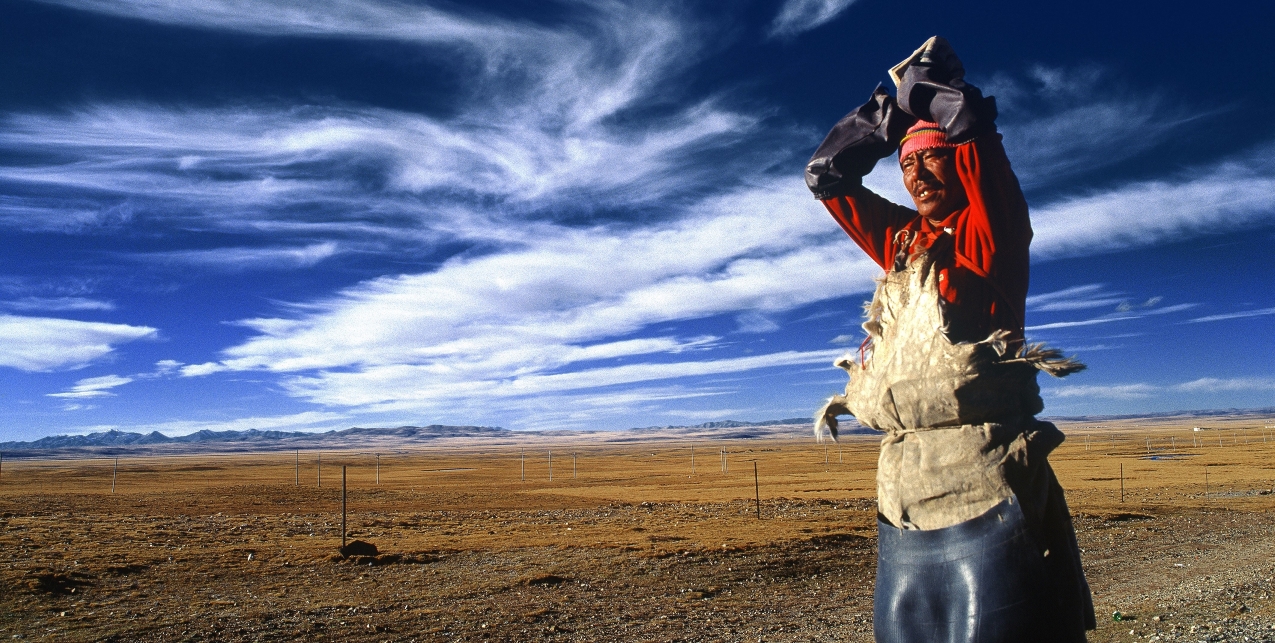
Tibet: The Land of Spirituality and Majestic Himalayan Peaks
Tibet, the mystical land of Buddhism, sits high on the world’s tallest plateau at an average altitude of 4,000 meters above sea level. Known as the “Roof of the World,” Tibet is a land where spirituality and natural beauty merge seamlessly. The vast landscape is adorned with ancient monasteries, sacred palaces, and awe-inspiring mountain shrines, making it a dream destination for seekers of adventure and enlightenment alike.
A Land of Spiritual Significance
Tibet is home to some of the most revered Buddhist sites in the world. The region is dotted with exquisite monasteries such as the Potala Palace in Lhasa, Jokhang Temple, and Tashilhunpo Monastery, each holding centuries of spiritual and cultural heritage. The air is thick with the sound of prayer wheels spinning and monks chanting, creating an atmosphere of deep serenity.
For Hindus, Buddhists, Jains, and Bon followers, Tibet is also home to the sacred Mount Kailash, a pilgrimage site that has drawn devotees for thousands of years. Further west, the ancient Kingdom of Guge reveals the ruins of a once-flourishing civilization, where temples and murals, over 10,000 years old, still preserve the rich history and artistry of Tibetan culture.
Breathtaking Natural Wonders
Tibet’s dramatic landscapes are a paradise for nature lovers and adventure seekers. Eleven of the world’s highest peaks, including the mighty Mount Everest, lie within or near Tibet’s borders. Majestic turquoise lakes such as Yamdrok Lake and Namtso Lake not only captivate visitors with their stunning beauty but also hold deep spiritual significance for the Tibetan people. These lakes, reflecting the vast sky above, create an ethereal experience for those who visit.
The rugged terrain, dotted with high-altitude passes and winding roads, offers travelers a challenging yet rewarding journey. The journey across Tibet is both physically demanding and emotionally uplifting, with endless views of snow-capped mountains, vast plains, and nomadic herders tending their yaks in the distance.
An Unforgettable Travel Experience
Tibet’s remote and untouched beauty offers a transformative travel experience unlike any other. While the high altitudes and rough terrains pose challenges, the breathtaking scenery and spiritual encounters make every hardship worthwhile. Travelers can immerse themselves in the daily lives of Tibetan monks, witness traditional festivals, and explore ancient meditation caves where spiritual masters once sought enlightenment.
Despite its isolation for centuries, Tibet has retained its authenticity while embracing the modern world. Here, you will find a unique blend of tradition and contemporary life—pilgrims circumambulating sacred sites while monks check their mobile phones, and prayer flags fluttering alongside bustling markets filled with Tibetan handicrafts.
Travel to Tibet with Far Out Nepal
At Far Out Nepal, we specialize in organizing immersive tours and treks to Tibet, drawing from years of experience and deep local knowledge. Whether you seek a spiritual journey to Mount Kailash, a trek through Tibet’s rugged landscapes, or an exploration of its ancient monasteries, we can tailor a travel package that suits your needs and budget.
Experience the magic of Tibet with us—where adventure meets spirituality, and every journey is a step closer to discovering something truly extraordinary. Contact us today to plan your unforgettable Tibetan adventure!
Tibet Three Cities Tour
Tibet Three Cities Tour: Discover the Cultural Heart of Tibet
The Tibet Three Cities Tour is a 6-day cultural journey through Lhasa, Gyantse, and Xigatse, which are three of Tibet’s most historically and spiritually significant cities. This itinerary combines world-renowned monasteries, UNESCO World Heritage Sites, breathtaking Himalayan landscapes, and authentic Tibetan traditions into a well-paced, comprehensive experience.
Beginning with a flight to Lhasa, you’ll have time to acclimatize while exploring landmarks such as the magnificent Potala Palace, the sacred Jokhang Temple, and the lively Barkhor Street. From there, the journey continues across the spectacular Tibetan Plateau, passing the turquoise waters of Yamdrok Lake, the dramatic Karo La Glacier, and high mountain passes before reaching the historic towns of Gyantse and Shigatse.
More than simply visiting three cities, this tour offers a deeper understanding of Tibet’s religious heritage, centuries-old trade history, and everyday life. With comfortable accommodation, experienced local guides, private transportation, and assistance with Tibet travel permits, it provides a seamless introduction to one of the world’s most fascinating destinations.
Why Visit Lhasa, Gyantse & Shigatse Together?
Many first-time visitors assume that exploring Lhasa alone is enough to experience Tibet. While the capital is home to some of the region’s most celebrated landmarks, travelling beyond the city reveals a much deeper understanding of Tibet’s history and cultural identity. By combining Lhasa, Gyantse, and Shigatse in one journey, you’ll experience three distinct chapters of Tibetan civilization, connected by breathtaking landscapes across the Tibetan Plateau.
Lhasa – The Spiritual Heart of Tibet
Your journey begins in Lhasa, the historic capital of the Tibet Autonomous Region and the centre of Tibetan Buddhism for centuries. Here, you’ll explore the magnificent Potala Palace, the former winter residence of the Dalai Lamas and one of Tibet’s most recognisable landmarks. Wander through the sacred Jokhang Temple, where pilgrims from across Tibet gather to pray, and experience the lively atmosphere. Walk along the Barkhor Street, a centuries-old pilgrimage circuit lined with traditional shops, prayer wheels, and Tibetan artisans.
Lhasa also offers insight into the Tibetan monastic life. You can experience that with visits to Sera Monastery, famous for its lively monk debates, and Drepung Monastery, once the largest monastery in the world. Together, these landmarks reveal why Lhasa remains the spiritual and cultural heart of Tibet.
Gyantse – A Historic Crossroads of Trade and Culture
Leaving Lhasa, the journey becomes just as memorable as the destinations themselves. Crossing Khamba La Pass, you’ll enjoy spectacular views of the turquoise Yamdrok Lake, one of Tibet’s most sacred lakes. You will then continue past the impressive Karo La Glacier, where ice flows descend almost to the roadside.
The historic town of Gyantse was once a thriving trading centre linking Tibet with Nepal, Bhutan, and India. Today, it preserves much of its medieval character.
Explore the remarkable Pelkor Chode Monastery, admired for bringing together different schools of Tibetan Buddhism. You can also visit the extraordinary Gyantse Kumbum, a multi-storey stupa filled with intricate chapels, murals, and Buddhist artwork found nowhere else in Tibet. The ancient Gyantse Dzong overlooks the town, standing as a reminder of the city’s strategic importance and its resistance during the early 20th century.
Xigatse – The Seat of the Panchen Lama
The journey continues to Xigatse, Tibet’s second-largest city and an important centre of religion, commerce, and local life. Its most famous landmark is Tashilhunpo Monastery, founded in the 15th century and the traditional seat of the Panchen Lama, the second-highest spiritual figure in Tibetan Buddhism.
Unlike the bustling capital, Shigatse offers a more relaxed atmosphere. Visitors can explore local markets, observe everyday Tibetan life, and appreciate the blend of historic monasteries and modern Tibetan communities. Walking through the monastery’s grand assembly halls, towering Buddhist statues, and peaceful courtyards provides a deeper appreciation of the enduring spiritual traditions that continue to shape Tibetan culture.
One Journey, Three Perspectives of Tibet
Together, Lhasa, Gyantse, and Shigatse offer a complete introduction to Central Tibet that no single city can provide. Lhasa reveals Tibet’s spiritual heritage, Gyantse preserves its architectural history and treasures, while Shigatse showcases the living traditions of Tibetan Buddhism beyond the capital. Connecting these destinations is one of the most scenic drives on the Tibetan Plateau, where mountain passes, sacred glacial lakes, traditional villages, and expansive Himalayan landscapes transform the journey itself into an unforgettable part of the experience.
Ready to Experience Tibet?
Whether you’re visiting Tibet for the first time or seeking a deeper understanding of its history, culture, and landscapes, the Tibet Three Cities Tour offers a rewarding introduction to the heart of the Tibetan Plateau. With experienced local guides, comfortable accommodation, private transportation, and comprehensive assistance with Tibet travel permits, Far Out Nepal ensures your journey is as seamless as it is memorable.
Explore Tibet’s three cultural capitals with confidence and discover why this classic route remains one of the most enriching ways to experience the Roof of the World before continuing to the detailed day-by-day itinerary below.
The Lhasa Mt. Kailash Tour

Overview: A Spiritual Journey Across Tibet
The Lhasa Mt. Kailash Tour combines sacred destinations, breathtaking landscapes, and a deep dive into Tibetan culture. This extraordinary journey takes you from the ancient monasteries of Lhasa, Gyantse, Shigatse and to the highest monastery in the world, Rongbuk Monastery (5,050m), getting the perfect view of mighty Mt. Everest (8,848m) then continues to awe-inspiring Mt. Kailash, revered as one of the holiest mountains in the world. Along the way, you’ll experience the beauty of Ngari prefecture. It travels through farmland, lakes, and snowy mountains.
Tour Overview:
The Lhasa Mt. Kailash Tour is a comprehensive package designed not only travelling to Tibet but also spent few days exploring 2000 years old Kathmandu valley while waiting for Chinese Visa.
The tour kicks off in Kathmandu, where you’ll secure your visa, and then heads toward Lhasa, the mystical capital of Tibet. After exploring the heart and soul of Tibet, the adventure continues southwest across the Tibetan Plateau, offering you a chance to explore cliff-top monasteries, meet hospitable Tibetans, and witness mesmerizing landscapes with yak caravans, snowy passes, and the towering Himalayas in the background.
Holy Mt. Kailash: The Sacred Mountain
Mt. Kailash (6,714m) is the spiritual center for four major religions:
- Hinduism: It is believed to be the abode of Lord Shiva, with Lake Manasarovar symbolizing the soul of Brahma.
- Tibetan Buddhism: The mountain is known as Kang Rimpoche or the “Precious Jewel of Snow.”
- Jainism: Known as Mt. Ashtapath, it is where the religion’s founder, Rishabhanatha, attained spiritual liberation.
- Bon-Po: The Bon religion reveres Kailash as the soul of Tibet.
The Mt. Kailash Kora, a 53 km trek around the mountain, is one of the most sacred pilgrimages, believed to erase the sins of a lifetime. Pilgrims who complete 108 circumambulations achieve salvation.
Below the mountain lies Lake Manasarovar (4,510m), where pilgrims believe that a single dip in the holy lake will cleanse the sins of multiple lifetimes, leading to salvation in Brahma’s paradise.
Challenges of the Lhasa Mt. Kailash Trek
The Lhasa Mt. Kailash tour presents certain physical challenges due to its high-altitude environment. The entire tour takes place above 3,650m, with the highest elevation reaching 5,630m during the Mt. Kailash Kora trek, which is a demanding 8-hour journey across rough terrain, including crossing a high pass at 5,650m. It’s important to be prepared for the challenges of both the altitude and the rugged terrain. The trek around Mt. Kailash is a strenuous one, and travelers should ensure they are physically fit and prepared for this demanding pilgrimage.
Conclusion: A Journey of a Lifetime
The Lhasa Mt. Kailash Tour is not just a trek; it’s a profound spiritual journey through one of the world’s most remote and sacred destinations. From the towering Potala Palace to the holy waters of Lake Manasarovar, this tour offers a unique opportunity to experience the grandeur of Tibetan culture, history, and religion. Prepare for a transformative experience that will stay with you for a lifetime.