

Region: Langtang Region
Langtang Ganja La Trek
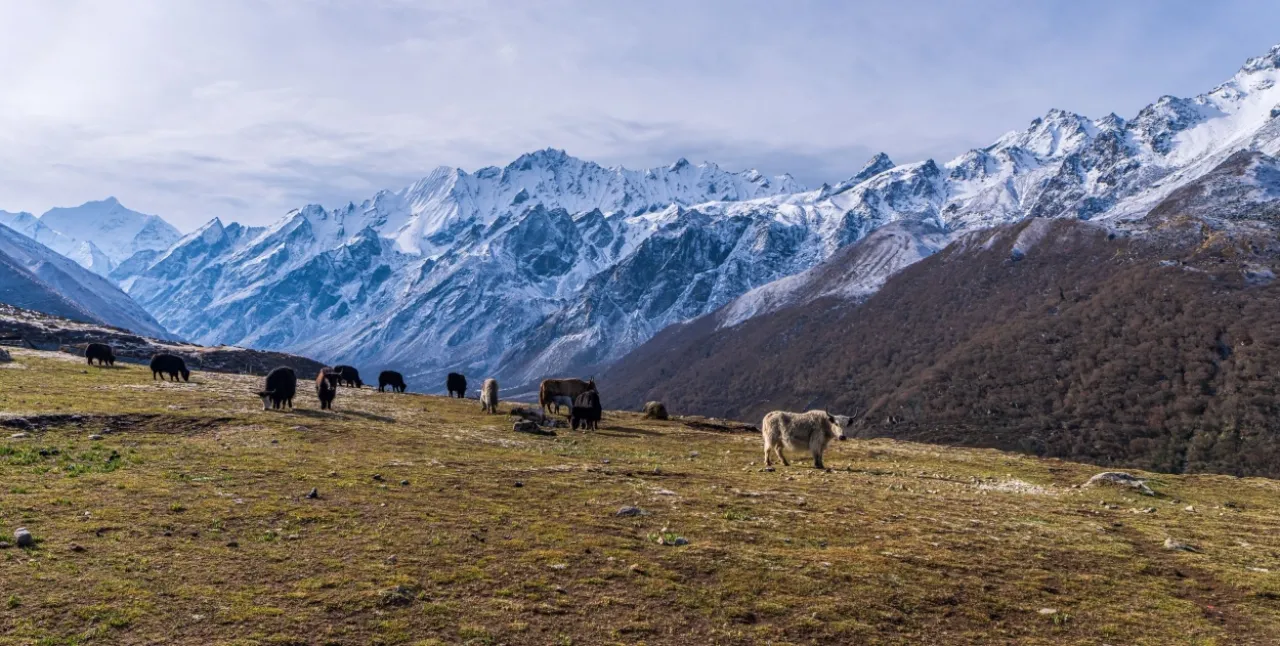
Go Beyond the Classic Langtang Valley Into Ganja La
The Langtang Ganja La Trek reimagines the classic Langtang experience by turning it into a complete Himalayan journey rather than an out-and-back valley trek. Instead of returning the same way after reaching Kyanjin Gompa, the route continues across Ganja La Pass and descends into the culturally rich Helambu region. This creates a more varied, immersive, and unique experience of the Langtang landscape.
The journey begins with a scenic drive to Syabrubesi and gradually climbs through forest trails, rivers, waterfalls, and traditional mountain settlements. As the trail enters Langtang Valley, the scenery opens dramatically into glacier-carved landscapes surrounded by snow-covered peaks and wide alpine terrain.
A key part of the experience is spending time at Kyanjin Gompa, one of the most important cultural and acclimatization points of the trek. Side hikes to viewpoints such as Tserko Ri (4,950m) help prepare for higher elevations while offering panoramic mountain views across the Langtang region.
Crossing Ganja La Pass (5,106m) is what sets this route apart. The transition from established teahouse trails into more remote mountain terrain creates a stronger sense of progression and adventure. After the crossing, the landscape gradually changes again as the route descends into Helambu, known for its monasteries, traditional villages, and mountain culture.
Ideal for trekkers who want to explore beyond the standard Langtang Valley route, the itinerary combines mountain villages, remote alpine terrain, high-altitude adventure, and changing cultural landscapes in one continuous journey.
Quick Planning Information
| Item | Details |
| Duration | 10–12 Days (depending on itinerary and acclimatization schedule) |
| Destination | Langtang Valley → Ganja La Pass → Helambu |
| Maximum Altitude | Ganja La Pass: 5,106 m (16,752 ft) |
| Highest Overnight Stay | Kyanjin Gompa: approx. 3,870 m (12,697 ft) |
| Difficulty | Moderate to Challenging |
| Trek Style | Teahouse Trek + Remote Camping Section |
| Starting Point | Syabrubesi |
| Ending Point | Tarkeghyang, Helambu |
| Transportation | Private Jeep / Tourist Vehicle from and to Kathmandu |
| Permit Required | Langtang National Park Entry Permit + TIMS (if applicable) |
| Group Type | Private Trips / Small Groups |
| Recommended Experience | Suitable for trekkers with good fitness and some multi-day trekking experience |
| Major Highlights | Kyanjin Gompa, Tserko Ri, Ganja La Pass, Langtang Valley, Helambu villages |
This trek is ideal for travelers looking for more than a standard valley trek. It combines classic Langtang scenery with a remote high-pass crossing and a quieter expedition-style experience through two distinct Himalayan regions.
How the Langtang Ganja La Trek Route Unfolds
The Langtang Ganja La Trek follows a point-to-point route that connects the classic Langtang Valley with the culturally rich Helambu region. The journey begins with a drive from Kathmandu to Syabrubesi, then gradually climbs through forests, rivers, and mountain villages before entering higher alpine terrain and crossing Ganja La Pass.
Typical Route Flow
Kathmandu → Syabrubesi → Lama Hotel → Langtang Village → Kyanjin Gompa → Tserko Ri (Acclimatization) → Ngegang → Ganja La Pass → Keldang → Tarkeghyang → Kathmandu
Route Progression Explained
The trek begins with a gradual ascent through forested trails and traditional settlements before opening into the wider landscapes of Langtang Valley. After reaching Kyanjin Gompa, trekkers spend time acclimatizing and exploring viewpoints such as Tserko Ri in preparation for the higher sections ahead.
Beyond Kyanjin, the route leaves the established teahouse trail and enters more remote mountain terrain toward Ngegang. Crossing Ganja La Pass marks the most demanding and rewarding stage of the journey, offering a dramatic transition from the alpine landscapes of Langtang into the quieter valleys of Helambu.
From here, the trail descends through mountain villages and Buddhist cultural landscapes before reaching Tarkeghyang and returning to Kathmandu, completing a route that links two distinct Himalayan regions in one trek.
| Langtang Valley | Langtang Ganja La | |
| Route Style | Out-and-back | Crossing Route |
| Highest Point | Tserko Ri | Ganja La Pass |
| Accommodation | Teahouse | Teahouse + Camping |
| Difficulty | Moderate | Moderate–Demanding |
| Experience | Valley-focused | Multi-region journey |
Crossing Ganja La Pass: What to Expect
Crossing Ganja La Pass is the defining experience of this trek and what separates it from the standard Langtang Valley route. Beyond Kyanjin Gompa, the trail leaves established teahouse sections behind and enters a quieter, more remote alpine environment before descending into Helambu.
From Kyanjin Gompa to Ngegang
After acclimatization around Kyanjin Gompa and side hikes such as Tserko Ri (4,950m), the route gradually climbs toward Ngegang, the final staging point before the pass. The landscape becomes more exposed, vegetation thins out, and overnight accommodation shifts from teahouses to tented camps.
Crossing Ganja La Pass
Pass day typically starts early to make use of more stable morning conditions. The climb involves sustained uphill walking across rocky and occasionally snow-covered terrain, depending on the season.
At 5,106 meters, the pass offers expansive views across the Langtang Himal, surrounding snow peaks, and the transition toward the Helambu side of the route. This is often the most physically demanding but also the most rewarding day of the trek.
Descending Into Helambu
After crossing the pass, the trail gradually descends into greener landscapes and eventually reconnects with villages in the Helambu region. The atmosphere shifts noticeably: from high alpine wilderness to traditional mountain settlements and Buddhist cultural landscapes.
Conditions and Guide Decisions
Conditions around Ganja La can vary depending on weather, visibility, and seasonal snow. Acclimatization days, flexible pacing, and guided decisions play an important role in making the crossing safe and enjoyable.
For many trekkers, crossing Ganja La Pass becomes the highlight of the journey. This is not simply because of the altitude, but also due to the sense of progression, remoteness, and transition it adds to the entire trek.