

Author: Sonam Lama_FON
Why a Short Tour in Nepal Is the Smartest Way to See the Country
Introduction to Short Tours
A short tour (3-6 days) is one of the best travel experiences in Asia and is centered around Nepal’s Golden Triangle, comprising Kathmandu, Pokhara, and Chitwan. There’s a reason more first-time visitors and budget-conscious travelers are choosing it over the classic long trek.
This is also a version of Nepal that most people never see. Not because it is hard to reach, but because the conversation about Nepal almost always starts and ends with trekking. Everest Base Camp. Annapurna Circuit. Weeks of mountain passes, teahouses, and altitude medication.
That version of Nepal is extraordinary. It is also not the only one.
Nepal also has ancient cities that have been ringing temple bells for over 2,000 years. It has a lakeside town set against the sharpest mountain skyline on earth. It has a jungle that is home to one-horned rhinoceroses, Royal Bengal tigers, and crocodiles basking on riverbanks. And none of it requires a single day of serious hiking to reach.
1. You See Three Completely Different Nepals in One Trip
This variation surprises first-time visitors the most. Nepal is not one landscape, but several, stacked on top of each other.
Kathmandu is a medieval city that somehow survived into the 21st century with its temples, courtyards, and ritual life largely intact. Seven UNESCO World Heritage Sites sit within the valley, including
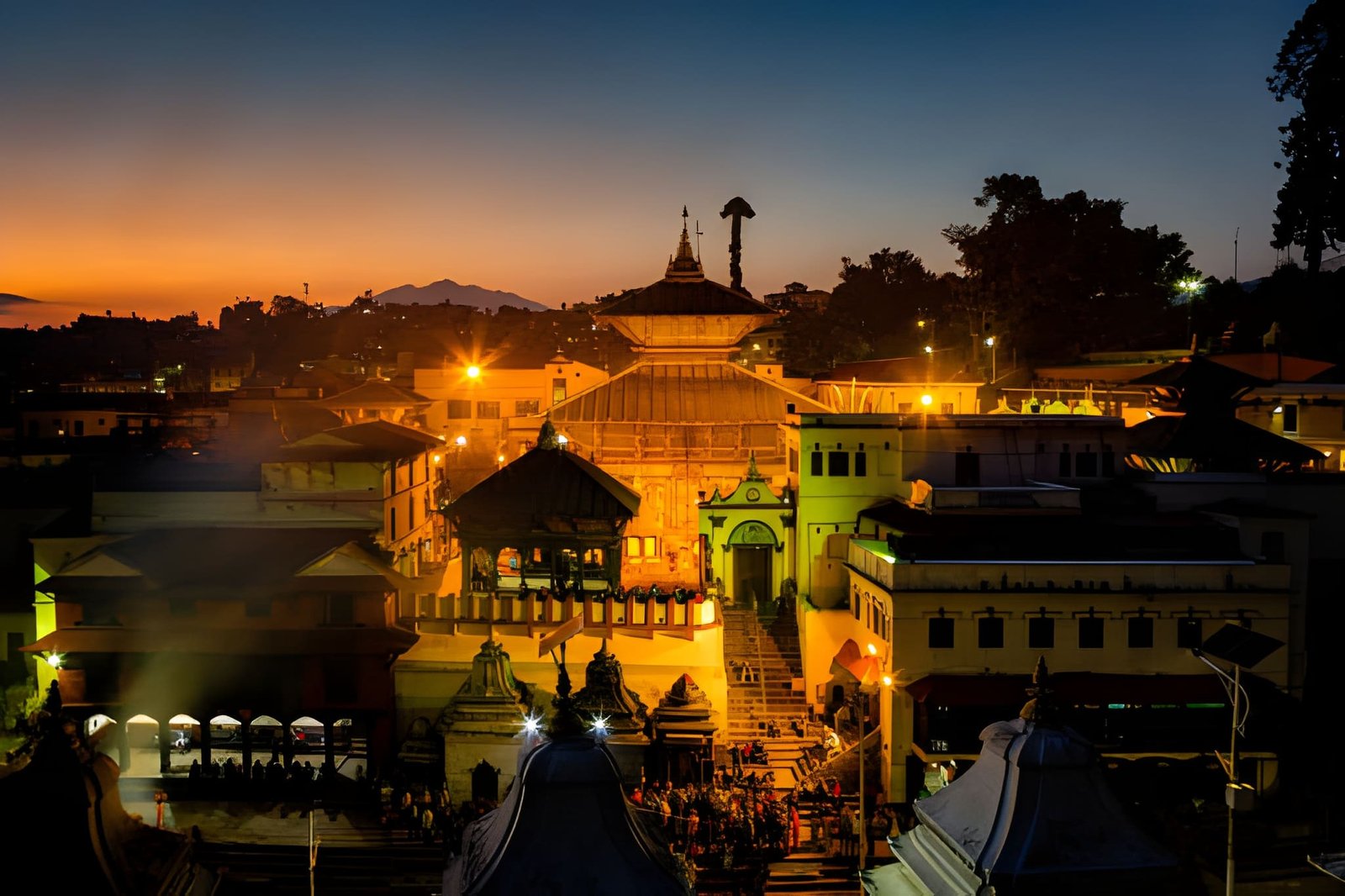
- Pashupatinath Temple, one of Hinduism’s most sacred sites
- Bouddhanath, one of the largest Buddhist stupas in the world.
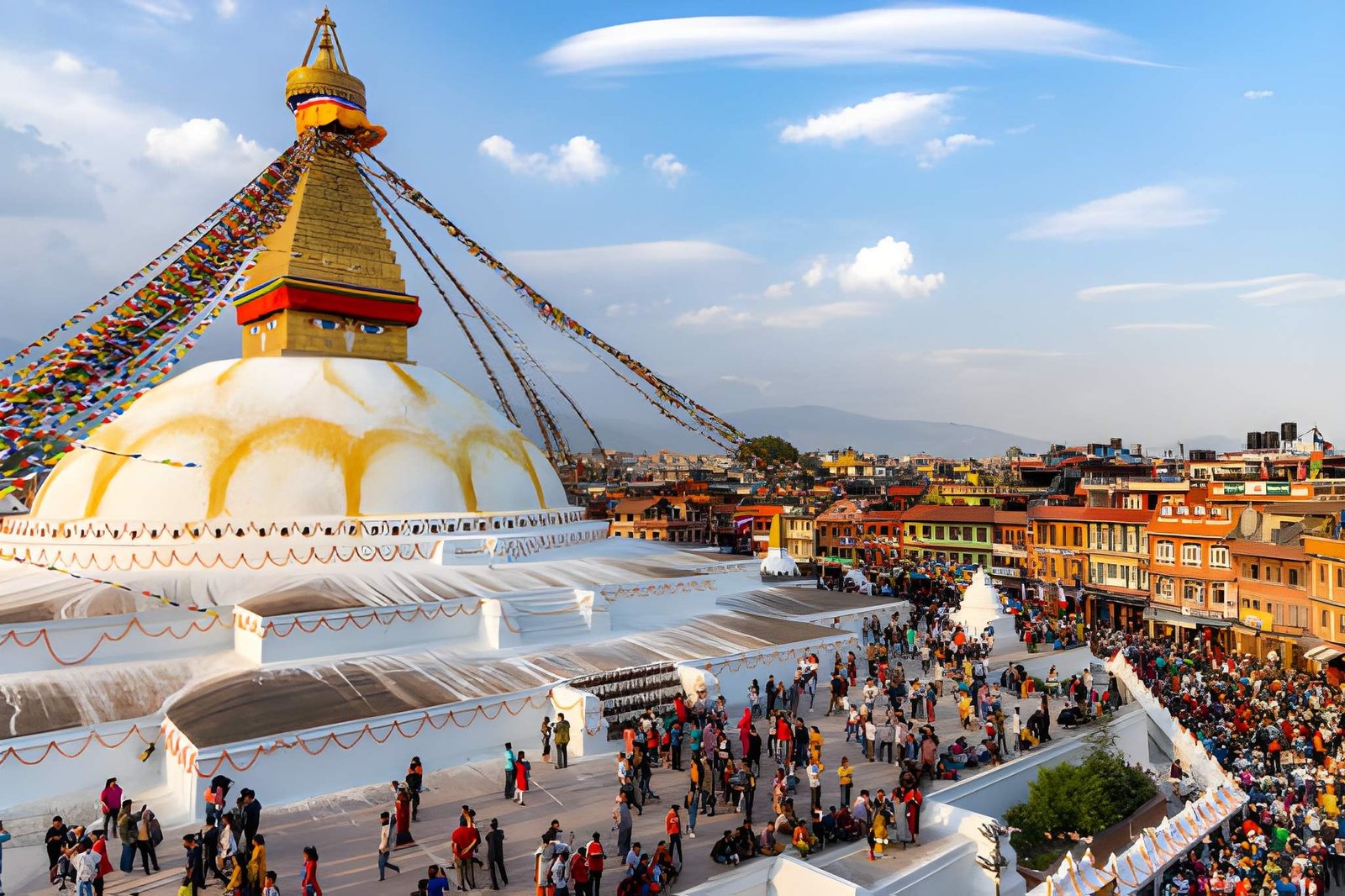
The streets around these monuments smell of incense and marigold garlands, and the devotional life happening in them is not performance. It is simply Tuesday in Kathmandu.
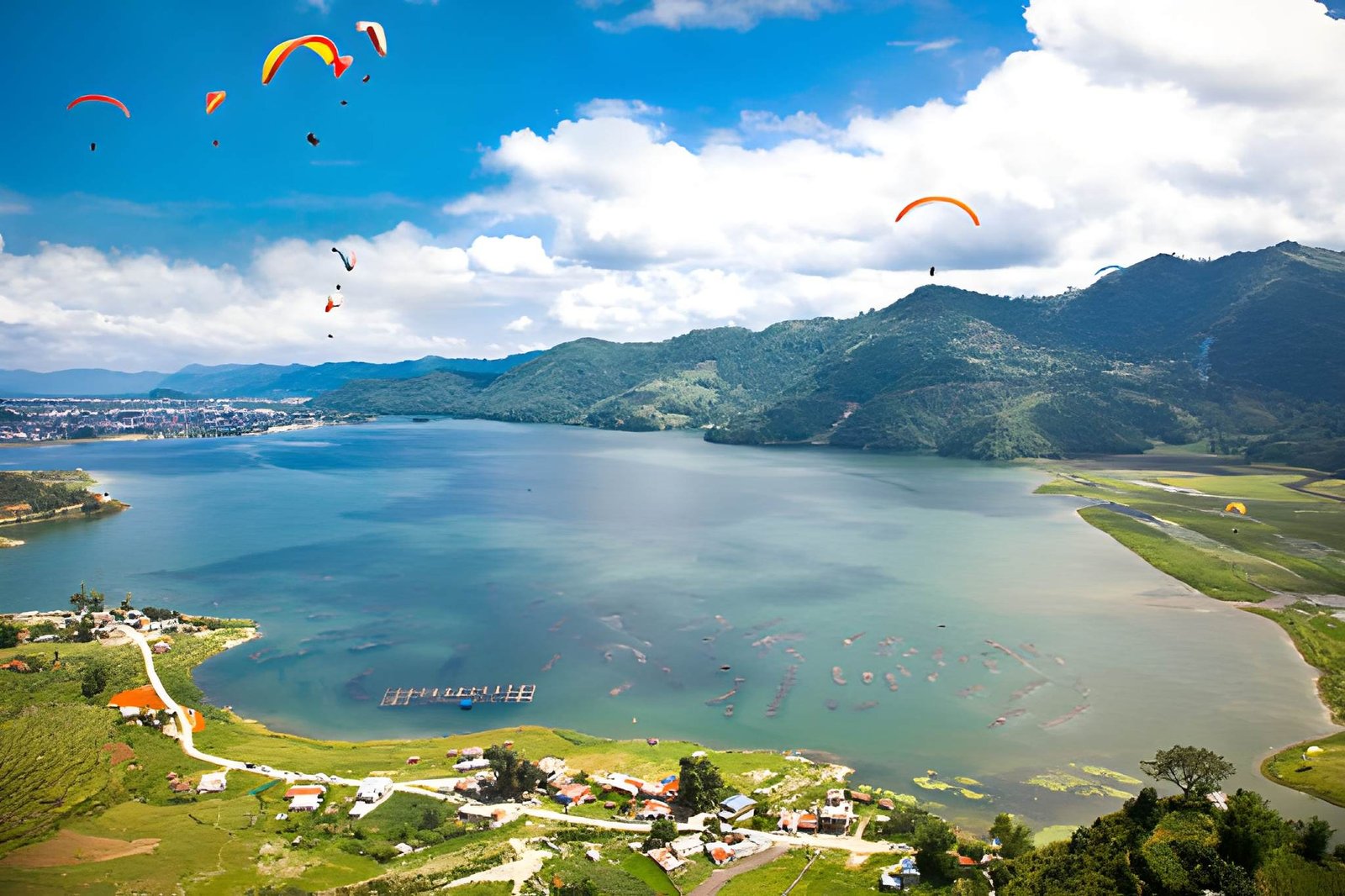
Drive west for six hours or fly for 25 minutes, and you are in Pokhara. This famous lakeside city, where the Annapurna range hangs so close, still stops travellers mid-sentence when they first see it. It is calm, beautiful, and built for lingering.
Drive south from Pokhara for five hours, and the entire geography changes. The Himalayas disappear behind you. The air gets warmer, the vegetation thicker. You have finally reached the Terai region, Nepal’s subtropical lowlands. You can pull up to the edge of Chitwan National Park, where one-horned rhinos graze in the early morning mist fifty meters from the road.
Three days, three worlds. No other country in Asia delivers that kind of variety in such a compact window.
2. No Trekking Experience Required Or Needed
The single biggest misconception about Nepal travel is that you need to be physically prepared for it. That assumption is built around trekking itineraries that involve weeks at altitude. This quietly discourages millions of travelers who would have a memorable time in the country without ever lacing up a hiking boot.
The Golden Triangle short tour is entirely vehicle and flight-based. The most demanding physical activity in Kathmandu is walking between heritage sites at 1,400 metres above sea level. In Pokhara, the optional sunrise hike up to Sarangkot viewpoint takes 45 minutes on a maintained path. In Chitwan, your naturalist guide leads you through the forest on a jungle walk at whatever pace suits the group.
Altitude sickness is simply not a factor anywhere. Kathmandu sits at 1,400 metres, Pokhara at 827 metres, and Chitwan at just 70 metres. No acclimatization days, no Diamox, no turning back at 4,500 metres because your head is splitting.
This matters particularly for families traveling with young children, for senior travelers, and for anyone who loves travel but does not identify as a hiker. Nepal, on a short tour, is as physically accessible as Paris or Kyoto, and more rewarding than either.
3. It Is One of the Best Value Trips in Asia
Nepal consistently ranks among the most affordable travel destinations in the world, and the short tour format amplifies that value considerably. You are getting UNESCO World Heritage Sites, genuine wildlife safaris, Himalayan mountain views, and guided cultural immersion within a week.
At the mid-range level, a well-organized 5–6 day Nepal short tour, including 3-star accommodation, private transport, domestic flights, and guided sightseeing ($500–$650 per person). Budget travelers who opt for tourist buses and guesthouses instead can do the same circuit for $300–$400.
To put that in context: a 3-night safari in Kenya’s Maasai Mara starts at $1,500 per person. A 4-day cultural tour of Kyoto with a licensed guide runs $800–$1,200. Nepal’s short tour delivers comparable quality of experience, and in some ways, considerably more variety, at a third of the price.
The daily on-the-ground costs are equally generous. A full meal at a good local restaurant in Kathmandu or Pokhara costs $5–$10. A rooftop dinner with mountain views runs $15–$20. Entry fees to all of Kathmandu’s major heritage sites combined come to under $40. A tandem paragliding flight over Pokhara, also one of the best paragliding sites in Asia, costs around $80–$100.
For budget travelers specifically, Nepal is the rare destination where stretching your money does not mean compromising the experience. The temples do not charge more for being beautiful.
4. You Get the Sunrise Moments Without Earning Them
There is a particular category of travel experience that most people associate exclusively with long, difficult journeys. These are also the kind of views that feel like they must be earned through days of physical effort. Nepal’s short tours deliver several of these without the week-long approach march.
You can experience the Sarangkot sunrise above Pokhara. The Annapurna range (Machhapuchhre, Annapurna South, Hiunchuli, & Dhaulagiri) catches the first light of morning while Phewa Lake reflects the sky below. You get there by jeep at 5 am, stepping out into the cold dark alongside a few dozen other travelers, and then the mountains appear. It costs nothing except an early alarm.
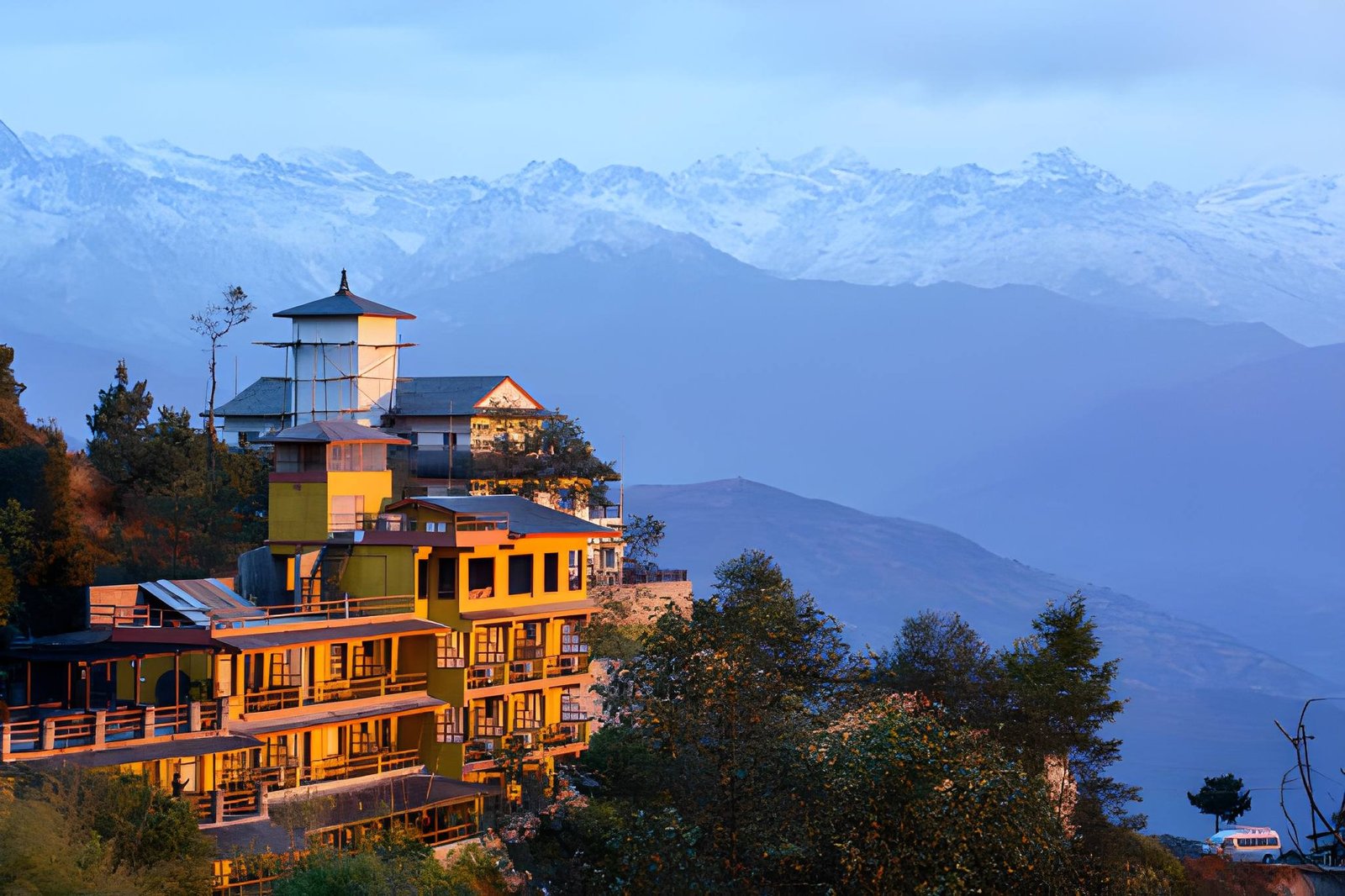
But you should not doubt Kathmandu as well. You can catch the Nagarkot sunrise above the Kathmandu Valley. At 2,100 metres on the valley rim, you can see a 180-degree arc of Himalayan peaks during October and November mornings. From Dhaulagiri in the west to Kanchenjunga in the east, you can even see Everest as a dark triangle of mighty summits. A 3-day Kathmandu itinerary with a Nagarkot overnight delivers this view to any traveler regardless of fitness level.
Meanwhile, Chitwan has its own dawn speciality with the early morning jeep safari. Not a sunrise moment in the same visual sense, but you can consider it more visceral. You’ll be moving through tall grass corridors in the pre-dawn half-light while your Guide Dai reads the forest in silence, and then suddenly a one-horned rhino appears from the mist twenty meters from the jeep. These are the moments that people recount for years, and they happen on 2-night Chitwan stays.
5. Long Treks Demand Time That Most Travelers Simply Do Not Have
The Everest Base Camp trek takes 12–14 days. The Annapurna Circuit takes 15–20 days. Even the Poon Hill circuit, arguably the shortest trek in Nepal, requires 4–5 days of actual hiking plus travel time from Kathmandu on either side.
For the majority of international travelers, this is simply not compatible with the reality of annual leave. Most people working in the US, Europe, or the Gulf have 10–15 days of holiday per year. Factor in travel time to Kathmandu (8 to 14 hours from most major airports), and a 12-day trek, and it consumes the entire time before you have bought a single souvenir.
A 6-day short tour fits inside a normal 10-day holiday with two days of international travel padding on either end. It can be completed over a long weekend, extended with a few days of annual leave for travelers based in South or Southeast Asia. It is realistic in a way that the classic Nepal trekking holidays simply are not for most working travelers.
This is not a compromise. The short tour delivers a genuinely complete Nepal experience. It is a different experience from trekking, but definitely not a lesser one.
6. Nepal Rewards You For Slowing Down in Its Cities
One of the underrated arguments for the short tour format is what it allows you to actually do in Kathmandu and Pokhara. These are the cities that most trekking itineraries treat as mere gateways. Trekkers typically spend one night in Kathmandu before flying to Lukla or Pokhara, acclimatizing briefly, and disappearing into the mountains.
They see the tourist district of Thamel, maybe one stupa, and board their morning flight. They miss Bhaktapur entirely. They miss Patan’s museum, the finest repository of Newari Buddhist art in existence.
They miss the morning ritual at Pashupatinath, which is one of the most quietly affecting things you can experience anywhere in Asia. You witness cremations on the riverbank, sadhus sitting in firelight, priests performing aarti as the Bagmati flows past.
Kathmandu is a city with 2,000 years of active religious and artistic life compressed into a valley ringed by mountains. Bhaktapur is a medieval city that survived largely intact and still functions as a living community rather than a museum. Pokhara is one of the most naturally beautiful cities in the world. A short tour gives these places two to three days each, which is enough time to move from tourist to traveler in them.
The short tour, in this sense, is not a lesser version of the Nepal experience. It is a unique version of a part of Nepal that most trekkers never really see.
7. It Is the Perfect First Chapter of a Longer Nepal Story
Perhaps the most persuasive argument for the short tour is what it does to you afterward.
Nepal is one of those rare destinations that creates repeat visitors almost automatically. Travelers who do a short tour come back for Poon Hill. Poon Hill trekkers come back for Annapurna Base Camp. Annapurna trekkers come back for Everest Base Camp, Upper Mustang, or Langtang. The country operates like a series of doors, each one opening onto something more extraordinary than the last.
The short tour is the first door, with low commitment, but higher reward. It’s structured in a way that answers the question “what is Nepal actually like” before you have invested two weeks and serious physical preparation in the answer. For first-time visitors, that is exactly the right starting point. You come away understanding the country. You experience its culture, its scale, its warmth. In a way, deciding to return feels less like a luxury and more like an inevitability.
Many of the most committed Nepal travelers, i.e., those who come back year after year and those who speak of it the way others speak of home, started with three days in Kathmandu and a Nagarkot sunrise. The short tour is not the whole story. It is just the best place to begin.
Thinking about your first Nepal short tour? Far Out’s Glimpse of Nepal package covers the full Golden Triangle in 6 days, with day-by-day itineraries, cost breakdowns, and everything you need to plan your trip.
A Realistic Guide For Beginners to Climb the Lobuje East Peak
Can Beginners Climb Lobuche East Peak?
Well, the simple answer is yes. But it’s not for the beginners you might be thinking of.
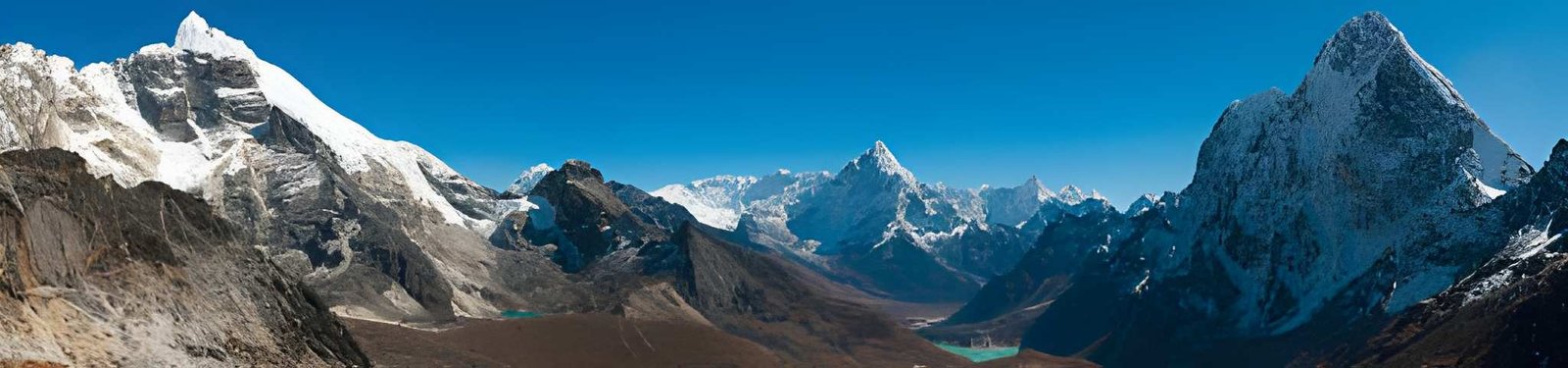
Lobuche East Peak (6,119m), or commonly referred to as Lobuje East Peak, is scalable for beginners who have solid physical fitness with some prior high-altitude trekking experience, or those who climb with a certified guide. It is not suitable for complete beginners with zero trekking experience, regardless of fitness level.
That distinction matters. While its labeled as “Easy to manage with few preparations,” there are also 45–50° ice slopes and mandatory fixed ropes en route. That contradiction is exactly why you might be confused about the difficulty level.
You can check out our main page on the Lobuje East Peak Climb after finishing this blog to learn about the itinerary and bookings.
What Kind of Beginner Can Actually Climb Lobuche East?
“Beginner” covers a wide range. Here’s how to honestly place yourself.
Not recommended: Complete beginners with no trekking experience
If your longest hike has been a day trail and you’ve never spent consecutive days walking at elevation, Lobuche East is too large a jump. The issue isn’t even technical climbing. It’s the cumulative physical and altitude stress across 18–19 days. Your body simply won’t have the reference points to recognise early warning signs of altitude sickness, exhaustion, or overexertion.
Possible with preparation: Fit people with no altitude experience
If you’re physically strong (regular runner, hiker, or gym-goer) but have never trekked above 3,500m, this is doable. You should have the right preparation and genuine commitment to acclimatization though. You’ll also need to treat the trek-in seriously, not as a warm-up. Your biggest risk isn’t the summit day; it’s underestimating how altitude compounds fatigue over two weeks.
Ideal candidate: Trekkers with EBC or comparable experience
If you’ve completed the Everest Base Camp trek, the Annapurna Circuit, or any multi-week trek above 4,000m, you already have the most important foundation. You know what your body does at altitude, you understand long trekking days, and the technical elements of Lobuche East, like crampons, fixed ropes, and harness, are learnable skills that guides teach on-route.
This is the beginner profile Lobuche East is genuinely built for.
Are You Ready for Lobuje? A Quick Self-Check
Before going further, run through this honestly:
- Have you completed a multi-day trek of 10+ days?
- Have you trekked above 4,000m before?
- Can you hike 6–8 hours consecutively with a daypack?
- Are you comfortable in cold, exposed conditions?
- Are you free of significant cardiovascular or respiratory issues?
If you answered yes to four or five, you’re a strong candidate. If you answered yes to two or three: possible, but you need structured preparation first. If you answered yes to one or fewer: Lobuche East is not your next step.
How Hard Is Lobuche East Peak for Beginners?
There are three distinct difficulty layers, and they’re definitely not the same.
Physical difficulty
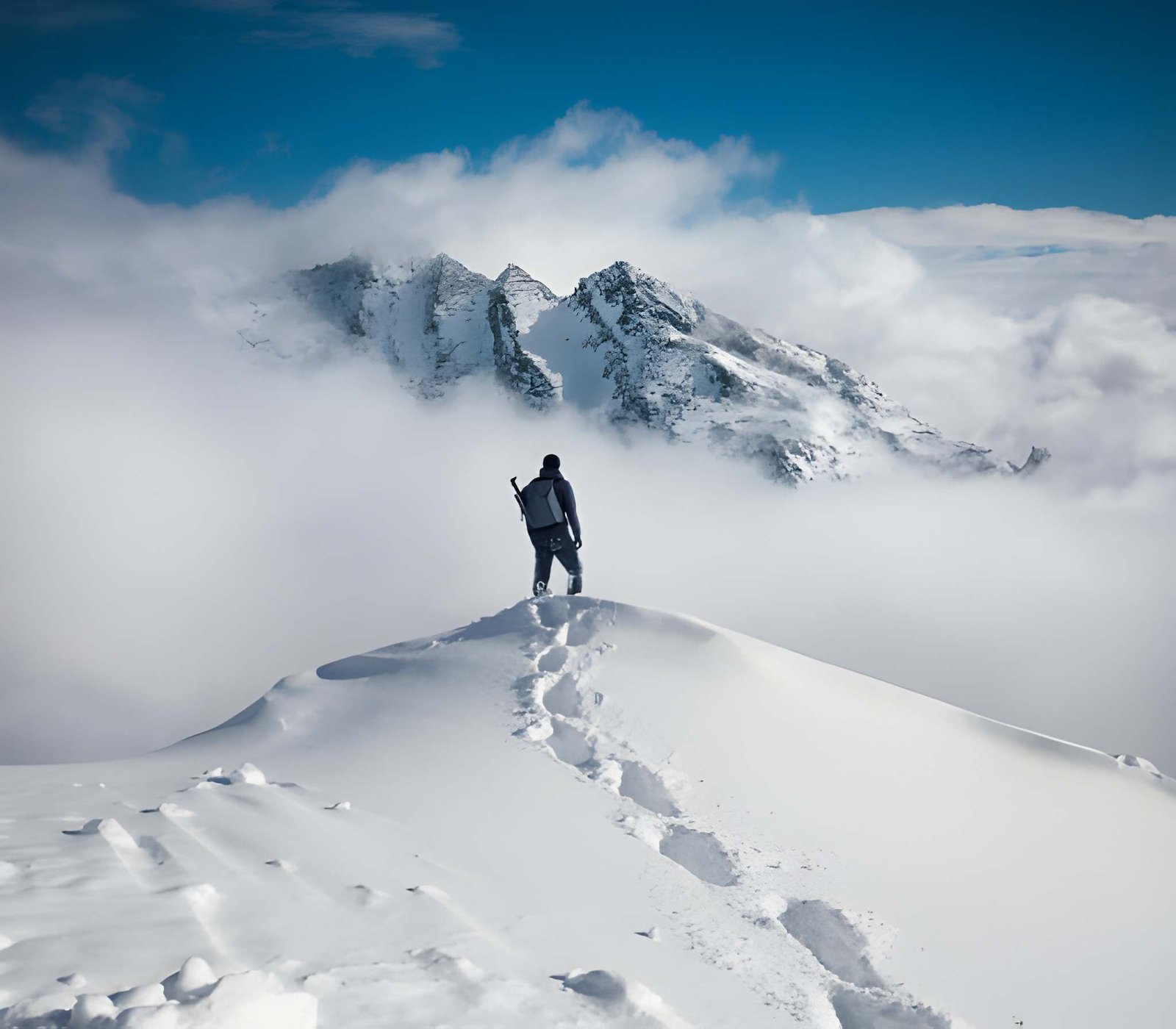
The summit push is 8–10 hours round-trip from high camp. But the real physical challenge is the 12 days of trekking before you even reach base camp. By the time you begin the climb, your body is already running on accumulated fatigue. Strong cardiovascular endurance is what carries you through, not gym fitness.
Altitude (the real challenge)
At 6,119m, altitude is the primary objective hazard, not the ice slope. Acute Mountain Sickness (AMS), High Altitude Pulmonary Oedema (HAPE), and High Altitude Cerebral Oedema (HACE) are real risks above 5,000m. The itinerary should build in acclimatization days at Namche Bazaar and Dingboche, specifically to manage this. Skipping or rushing acclimatization days is the single most common reason climbers turn back.
Technical difficulty
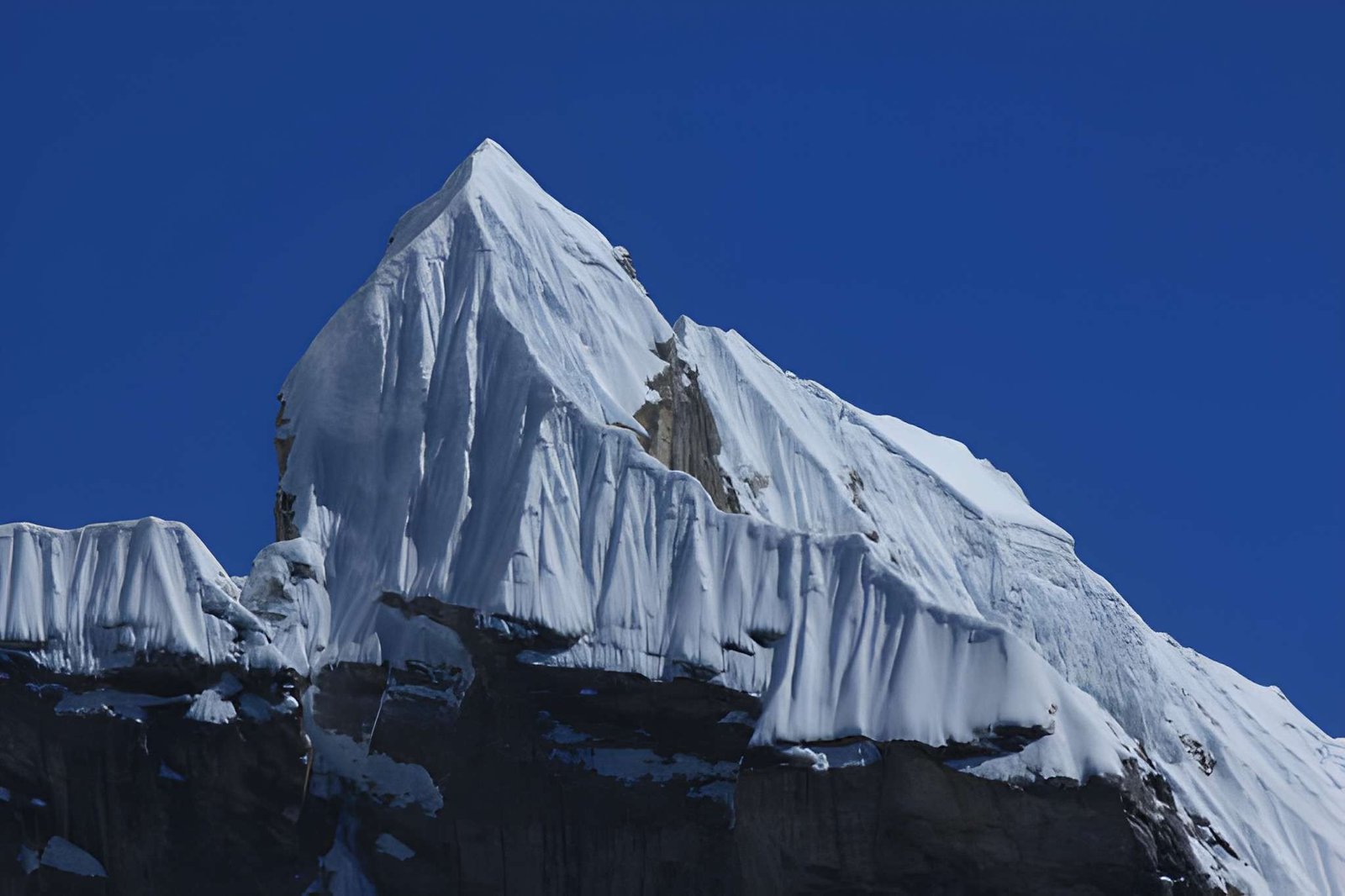
The Nepal Mountaineering Association grades Lobuche East as PD — Peu Difficile, or moderately difficult in alpine grading. The summit route involves a steep snow and ice slope of approximately 45–50°, fixed rope sections, crampon use, and rappelling on descent. These are real mountaineering techniques, but they are teachable.
Guides conduct practical training at base camp before the summit push. Most first-timers find the technical elements manageable. It’s actually the altitude and endurance that test them.
“In my experience guiding this route, the section between high camp and the summit ridge is where climbers feel it most. It’s not because it’s technically extreme, but because altitude is making the climb difficult at that point. Our itinerary is designed to trek to EBC first, so that trekkers can adjust to the altitude. That design makes a measurable difference.” – Mr Sunir Gurung, Owner of FarOutNepal.
When Lobuche East Is Not the Right Choice
This matters more than any encouragement section. Do not attempt Lobuche East if:
- You have no multi-day trekking experience whatsoever
- You’ve shown strong sensitivity to altitude on previous treks (severe headaches, vomiting above 3,500m)
- Your aerobic fitness is poor, i.e., you can’t sustain 5–6 hours of uphill walking
- You’re expecting a trekking-only experience with a short summit scramble at the end
- You cannot commit to the full acclimatization schedule
If one or more of these apply, the honest recommendation is to do the Everest Base Camp trek first. It covers much of the same route, takes you to Kala Patthar, and gives you the single most useful data point for Lobuche East: how your body handles the Khumbu at altitude.
What Skills Do Beginners Need?
Less than you might think, but they do need to be learned, not improvised on summit day.
- Walking with crampons on snow and ice
- Using a climbing harness and attaching to a fixed rope with an ascender (jumar)
- Basic ice axe use for self-arrest
- Rope etiquette, like how to move efficiently on a fixed line with other climbers
The good news: All of these are taught during the pre-climb training session at Lobuche East Base Camp, near the summit day. You do not need to arrive with mountaineering experience. You need to arrive physically prepared enough to absorb and apply these skills under fatigue.
How Beginners Should Prepare for Lobuche East
Fitness preparation (start 3–4 months out)
Focus on cardiovascular endurance over strength. Long uphill hikes with a weighted pack (10–12kg), stair climbing, and sustained cardio sessions of 60–90 minutes simulate the demand better than gym workouts. The goal is the ability to move steadily uphill for 6+ hours, not peak athletic performance.
Mental preparation
Cold, disrupted sleep, sustained discomfort, and days where progress feels imperceptible, but these are normal parts of a high-altitude expedition. Trekkers who struggle most are often fit but mentally unprepared for how unglamorous the middle days of a Himalayan climb feel. Read accounts from people who’ve done it or enquire from our experienced guides, not just the summit photos.
A practice trek (strongly recommended)
If time allows, do a significant trek, like EBC, Annapurna Base Camp, or Manaslu Circuit, in the 12 months before your Lobuche East attempt. Nothing replaces actual days at altitude for calibrating your preparation.
Why Beginners Who Prepare Correctly Do Succeed
Lobuche East has a strong success rate among guided climbers precisely because the expedition structure is designed around beginner limitations. Our itinerary builds in multiple acclimatization days. Groups are kept small (typically 2–10 people). Sherpa support means load management is handled. The route uses fixed ropes throughout the technical section.
You are not being dropped on a mountain and asked to figure it out. You are joining a system that has been refined across hundreds of guided ascents.
The climbers who don’t summit are almost always those who arrived underprepared, whether physically or in their understanding of what altitude actually does to a body. That’s entirely within your control before you board the flight.
Is Lobuche East a Good First Mountain Compared to Others?
| Peak | Height | Technical Grade | Best For |
| Lobuche East | 6,119m | PD (moderate) | Trekkers with altitude experience. |
| Island Peak | 6,189m | PD | Similar profile, more crowded |
| Mera Peak | 6,476m | F (easy) | True beginners, less technical |
- If you want the least technical entry point, Mera Peak is the gentler option.
- If you want a genuine mountaineering experience that still sits within reach of a prepared beginner, Lobuche East is the stronger choice.
- Island Peak is comparable to Lobuche. The two are often discussed interchangeably, and the choice usually comes down to route preference and group availability.
Is Lobuche East Right for You?
Lobuche East Peak, also frequently searched as Lobuje East Peak, is one of the most accessible genuine mountaineering experiences in the Himalayas. It sits in a specific sweet spot: technical enough to be a real summit, structured enough to be achievable for a prepared beginner.
If you’ve done EBC or a comparable multi-week trek, you’re physically active, and you’re willing to prepare seriously over 3–4 months, this is likely within your reach.
If you’re starting from zero trekking experience, the honest path is: do EBC first, then come back to Lobuche East. That’s not a discouragement; it’s the route that actually gets you to the summit.
Ready to find out if you qualify? Explore our 21-day Lobuje East Peak expedition →
Altitude Sickness Medication: Diamox, Dosage & What Actually Works
Introduction: Diamox or Acetazolamide
Picture this: You have booked your first EBC trek. You are ready to fly to Kathmandu, take a flight to Lukla, and spend sixteen days in the mountains. As you do some research, someone in a forum mentions Diamox, and suddenly, you are digging medical PDFs, wondering whether you actually need it.
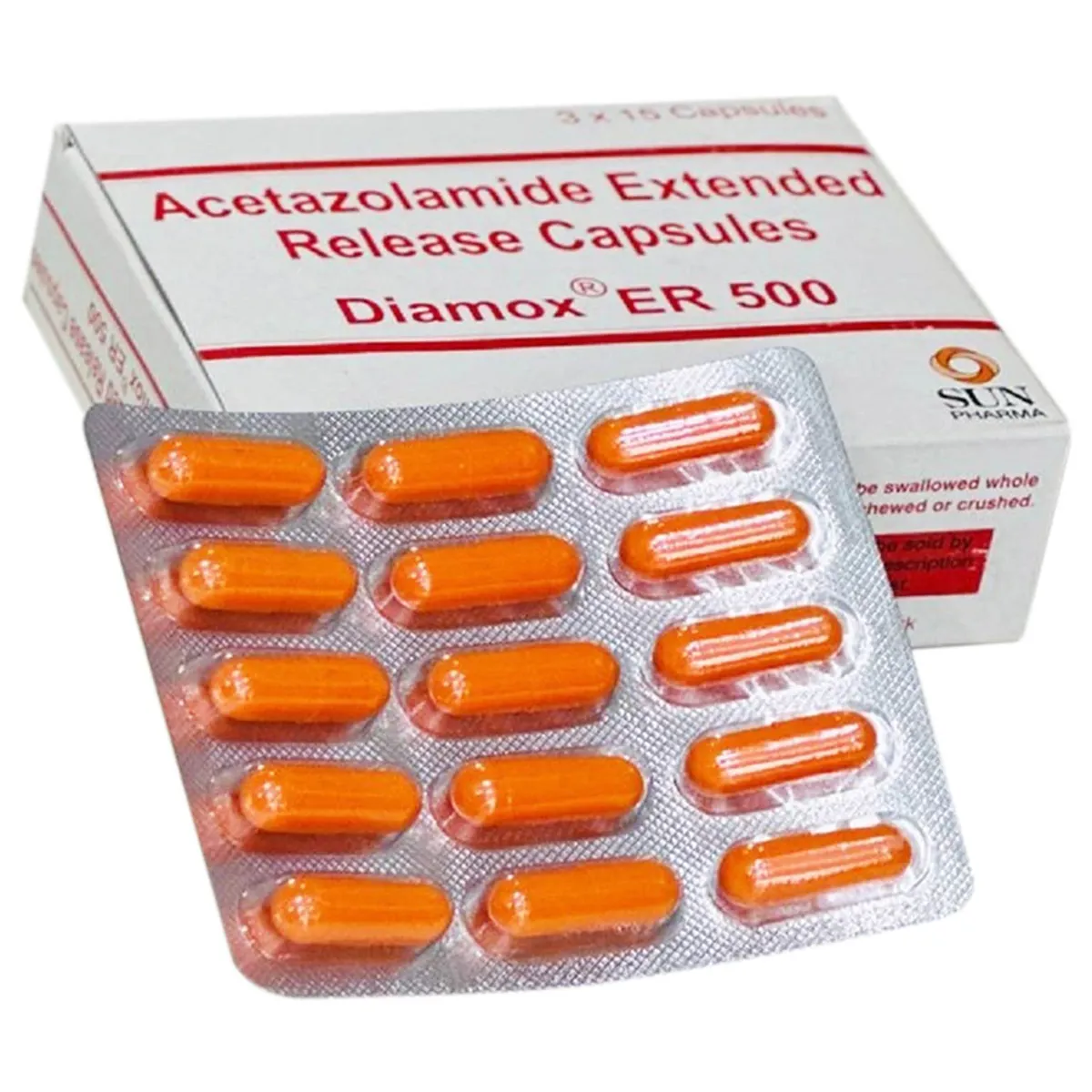
Here is the short answer: Acetazolamide ( or Diamox) is the most commonly prescribed medication for altitude sickness. It is not a magic pill, though. Whether you need it depends almost entirely on your trek profile, your personal history, and the itinerary you are following.
Medical Disclaimer: This guide is for general educational purposes only and is not a substitute for professional medical advice. Always consult a qualified physician before taking any medication for altitude sickness.
What Is the Best Medication for Altitude Sickness?
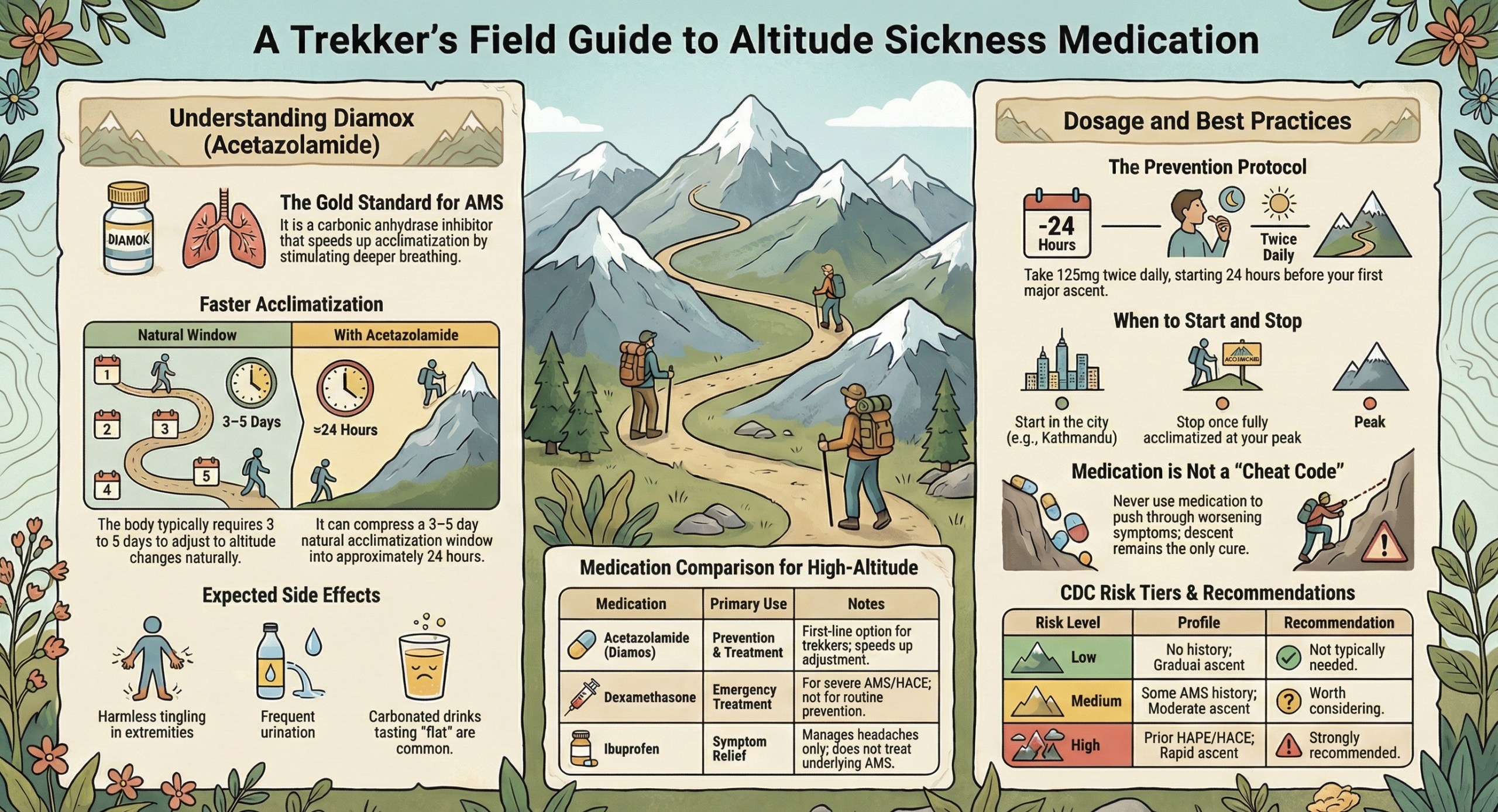
The drug of choice is always acetazolamide, sold under the brand name Diamox. It stimulates faster, deeper breathing, which accelerates the body’s acclimatization process rather than just masking symptoms like headache.
Acetazolamide may be the most prescribed, but it is not the only drug used in altitude illness management.
| Medication | Primary Use | When It’s Used | Notes |
| Acetazolamide (Diamox) | Prevention + treatment of AMS | Before and during ascent | First-line option; commonly prescribed |
| Dexamethasone | Emergency treatment of severe AMS, HACE | Serious symptoms; evacuation situations | A corticosteroid — not for routine prevention; carried by guides and rescue teams |
| Ibuprofen | Headache relief in mild AMS | Symptom management | Treats headache only; does not address underlying AMS |
| Nifedipine | Emergency treatment of HAPE | Life-threatening lung fluid accumulation | Specialist use; not a trekker’s self-medication option |
The important distinction: Dexamethasone and Nifedipine are emergency medications. They are carried by experienced guides and rescue teams on routes like EBC and Manaslu for life-threatening situations. They’re not alternatives to acetazolamide for everyday prevention.
Ibuprofen (typically 400 mg) is useful for managing headache in mild AMS and is worth carrying regardless. It does not treat the cause, but it can make the acclimatization window more bearable.
How Diamox Actually Works
Your body’s adjustment to altitude is essentially a breathing problem. At 5,000 m, every breath delivers roughly half the oxygen it would at sea level. To compensate, your body needs to breathe more, but the signal chain that triggers this response takes days to calibrate.
Acetazolamide is a carbonic anhydrase inhibitor. In plain terms, it nudges your kidneys to release bicarbonate, which slightly acidifies your blood. That acidification tells your brain to breathe harder. More oxygen in, faster acclimatization.
According to the CDC Yellow Book (2026 edition), the ventilatory acclimatization that normally takes 3–5 days is compressed to approximately one day with acetazolamide. That is a meaningful difference on a trek where every acclimatization day counts.
It also helps with something most trekkers do not expect: sleep. Above around 2,700 m, periodic irregular breathing becomes nearly universal and wrecks your rest at altitude. Acetazolamide improves nocturnal oxygen saturation and reduces it significantly, which means you wake up feeling less wrecked the morning before a big climb.
What it does not do is allow you to cheat the mountain. It cannot prevent HAPE or HACE if you are ascending recklessly. It does not eliminate AMS risk, but reduces it. And it will not save you from a bad itinerary.
Diamox Dosage for Altitude Sickness
Based on current wilderness medicine guidelines and the CDC Yellow Book (2026):
Important: These are standard reference dosages. Your physician may adjust based on your weight, health history, and risk profile. Always follow your prescribing doctor’s specific guidance.
For Prevention
The standard prevention dose is 125 mg twice daily, starting the day before you ascend above 3,000 m and continuing for the first two days at altitude, longer if you keep ascending.
| Use | Dose | Frequency |
| Standard | 125 mg | Twice daily |
| Body weight >100 kg | 250 mg | Twice daily |
The 125 mg dose is increasingly preferred over the older 250 mg standard because it produces far fewer side effects while maintaining effectiveness. The CDC specifically flags 250 mg for trekkers over 100 kg.
For Treatment
If AMS symptoms appear, the commonly used treatment dose is 250 mg twice daily. This is taken alongside rest at the same altitude, not as an enhancement to push higher.
| Use | Dose | Frequency |
| Treatment of AMS | 250 mg | Twice daily |
One important note: If symptoms are worsening despite medication, descent is the only answer. Diamox is not a substitute for going down.
How to Take Diamox on a Nepal Trek
Timing is everything here, and most first-time trekkers get it slightly wrong.
Start the day before ascent. Not the morning you fly to Lukla or drive to the trailhead. For an EBC trek, that means taking acetazolamide the day before your Lukla flight, when you are still in Kathmandu. By the time you land at 2,860 m, the medication is already active.
Continue for the first 2–3 days at each new altitude band. On the EBC route, this aligns with your rest days at Namche Bazaar (3,440 m) and Dingboche (4,360 m). On the Manaslu Circuit, it applies from Samagaun onwards. On Annapurna Base Camp, the compressed profile makes the early days particularly important.
Stop once you are fully acclimatized at your highest point. No need to continue during descent as the work is done.
A few practical things that matter on the trail:
- Take it with food. An empty stomach makes nausea more likely.
- Drink more water than you think you need. Acetazolamide is a mild diuretic, and dehydration is already a risk at altitude.
- Avoid alcohol for the first 48–72 hours at any new elevation. It suppresses the respiratory drive that the medication is trying to stimulate and independently increases AMS risk.
Do You Actually Need Diamox?
The CDC Yellow Book (2026) categorizes AMS risk into three tiers based on your altitude illness history, your sleeping altitude on day one, and your rate of ascent:
| Risk Level | Your Profile | Recommendation |
| Low | No AMS history · sleeping altitude <2,750 m on day 1 · ascent ≤500 m/night | Not typically needed |
| Medium | Some AMS history · sleeping 2,750–3,400 m on day 1 · faster ascent with rest days | Worth considering |
| High | HAPE/HACE history · sleeping >3,400 m on day 1 · rapid ascent without rest days | Strongly recommended |
The reality on most Himalayan treks: you land at Lukla (2,860 m) and reach Namche (3,440 m) within two days. That puts most trekkers squarely in the “Medium” category from day one, regardless of fitness level.
You should seriously consider acetazolamide if:
- You have had AMS before on any previous trek. Prior history is the strongest predictor of future AMS
- Your itinerary is compressed with fewer rest days than standard
- You are heading above 4,000 m with limited experience at altitude
- You are flying directly into high altitude (common on Tibet itineraries as Lhasa sits at 3,656 m)
You may not need it if:
- You are on a well-paced itinerary with proper acclimatization days built in
- You have completed similar-altitude treks before without symptoms
- Your travel medicine physician has assessed your risk as low based on your profile
The honest answer for most people planning Everest Base Camp is that it is worth the conversation with your doctor. Acetazolamide is inexpensive, widely available on prescription, and the cost of the conversation is zero.
Side Effects of Diamox: What to Actually Expect
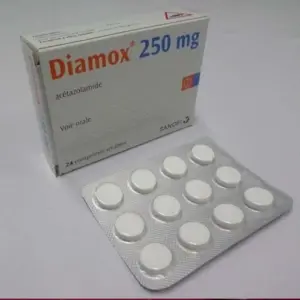
Diamox has a reputation that puts people off. Here is what is actually going on.
Tingling in your hands, feet, and face: This is the most common side effect and the one that surprises people most. It starts a few hours after your first dose and continues throughout the course. It is harmless. If you are not experiencing it at all, it may be a sign that the medication is not at a full therapeutic level.
More bathroom trips: Acetazolamide is mildly diuretic. You will urinate more, especially in the first day or two. On a trek, this mostly means planning on long days between lodges.
Your beer tastes weird: Specifically, carbonated drinks taste flat or metallic. The enzyme that normally helps you taste carbonation is the same one that acetazolamide inhibits. Your Everest brew at Namche will taste off. This is a good sign that the medication is working.
Mild nausea: Some people experience this, almost always on an empty stomach. Food fixes it.
If you develop a skin rash, hives, or any sign of an allergic reaction, stop immediately and seek medical attention.
Who Should Avoid Diamox?
Acetazolamide is not appropriate for everyone. Your physician will screen for these, but you should know them before your consultation.
Sulfonamide (sulfa) allergy: Acetazolamide is chemically related to sulfonamide antibiotics. People with a documented sulfa allergy may react to it. This is the most significant contraindication. If you have had a reaction to sulfa drugs, flag it to your doctor before they prescribe acetazolamide.
Kidney disease or kidney stones: Acetazolamide affects how the kidneys handle bicarbonate and may increase the risk of stone formation. Anyone with a history of kidney issues should discuss this carefully with their physician.
Pregnancy: Acetazolamide is generally not recommended during pregnancy. The risk-benefit calculation at altitude is a conversation for your obstetrician.
Certain medications: It can interact with some diuretics, lithium, and other drugs. Disclose your complete medication list to your prescribing doctor.
This is precisely why the pre-trek physician consultation is not optional if you are considering medication. It takes fifteen minutes and eliminates guesswork.
Medication vs. Acclimatization: The Most Important Thing
Medication supports acclimatization. It does not replace it.
The trekkers who get into serious trouble at altitude are not usually the ones who forgot their Diamox. They are the ones who skipped the Namche rest day because they felt fine, pushed through a mild headache at Dingboche, and treated medication as a green light to move faster.
No dose of acetazolamide makes a compressed itinerary safe. The rules still apply:
- No more than 300–500 m of sleeping altitude gain per night above 3,000 m.
- Rest days at Namche Bazaar and Dingboche on the EBC routes. These are not optional extras.
- Never ascend with active AMS symptoms, regardless of what is in your pack.
Acetazolamide gives your body a better chance. The itinerary gives it the time. You need both.
For acclimatization schedules, route-specific risk profiles, and how to read early symptoms on the trail, see our complete altitude sickness guide.
Quick Reference
| Question | Answer |
| Best medication for altitude sickness | Acetazolamide (Diamox) |
| Standard prevention dose | 125 mg twice daily (250 mg if >100 kg) |
| When to start | The day before ascending above 3,000 m |
| Treatment dose | 250 mg twice daily |
| Main side effects | Tingling, frequent urination, flat taste in carbonated drinks |
| Sulfa allergy + Diamox | Not an automatic contraindication — discuss with your doctor |
| Does it replace acclimatization? | No. Never. |
So, Should You Take Diamox?
Acetazolamide is a well-studied, commonly prescribed, and genuinely useful tool for trekkers heading into high altitudes. If taken at the right dose & started at the right time, alongside a sensible ascent profile, it meaningfully reduces AMS risk and makes the acclimatization window more manageable.
But it is exactly that: a tool. The mountains do not care what is in your pack. They respond to patience, preparation, and the willingness to turn around when the situation calls for it. Medication just helps your body keep up.
If you are planning a high-altitude route, always see a travel medicine physician at least four to six weeks before departure. If you’re wondering how to detect signs and symptoms of AMS, check out our guide on AMS signs and symptoms.
Planning a high-altitude trek in Nepal? Explore our itineraries: built with acclimatisation days, experienced guides, and safety protocols designed for high-altitude terrain. 👉 Browse our Nepal trekking trips